
“Oh, Bonnie Dundee! I will sing in thy praise
A few but true simple lays,
Regarding some of your beauties of the present day
And virtually speaking, there’s none can them gainsay;
There’s no other town I know of with you can compare
For spinning mills and lasses fair.”
(William McGonagall)
I had a few spare days around the end of April, but not long enough for a full Europe Explored expedition. I was originally considering a short visit to a distant European city that I had not been to before, but when researching the potential trip discovered that some attractions that I wanted to visit were temporarily closed. So instead, I decided to go on a long train journey to one of the few cities in the UK that I had not been to before. Dundee turned out to be a very rewarding place to spend a couple of days, with plenty to keep me occupied.
Day 1 – Tuesday 29th April 2025 – London to Dundee
Given that I would be spending about six hours on a train each way, I decided to splash out on first class tickets. Allowing plenty of contingency, I arrived at Kings Cross in good time for my 10am departure, which allowed me to visit the first class lounge, accessed by lift through a door on the main concourse next to Waitrose. The lounge was quite busy, but I could get myself a cup of coffee from the machine. The snacks available were quite limited – just crisps and biscuits. You can access the platforms from the first class lounge without having to return to the concourse. I went and got on the train as soon as the platform was displayed.
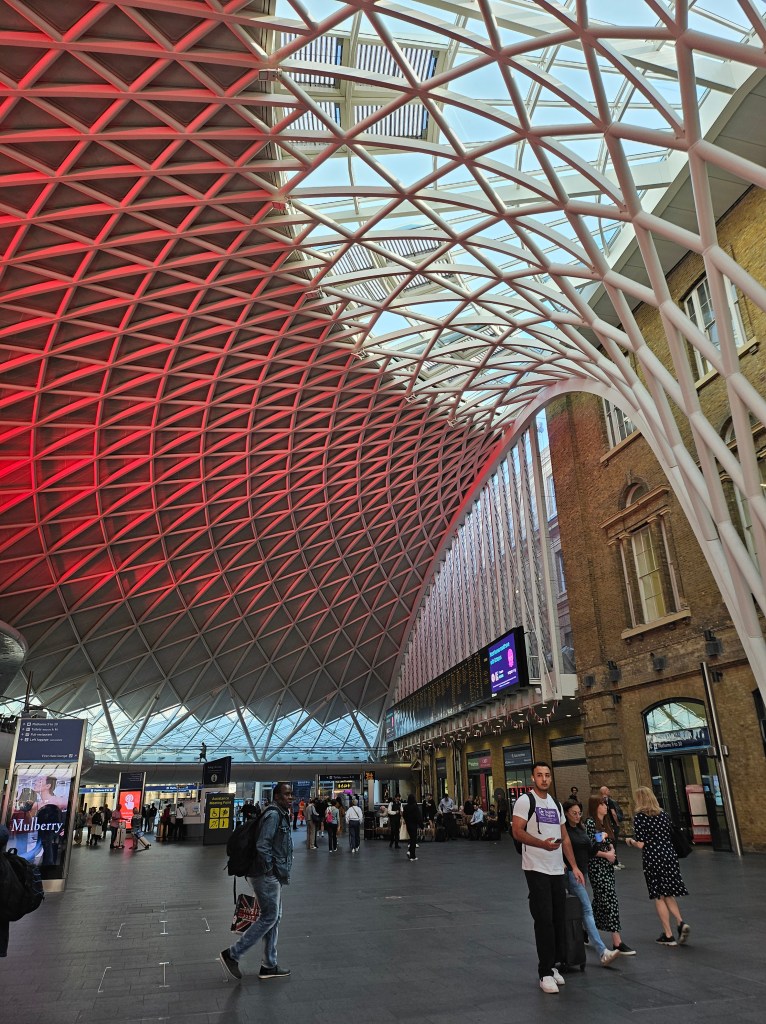
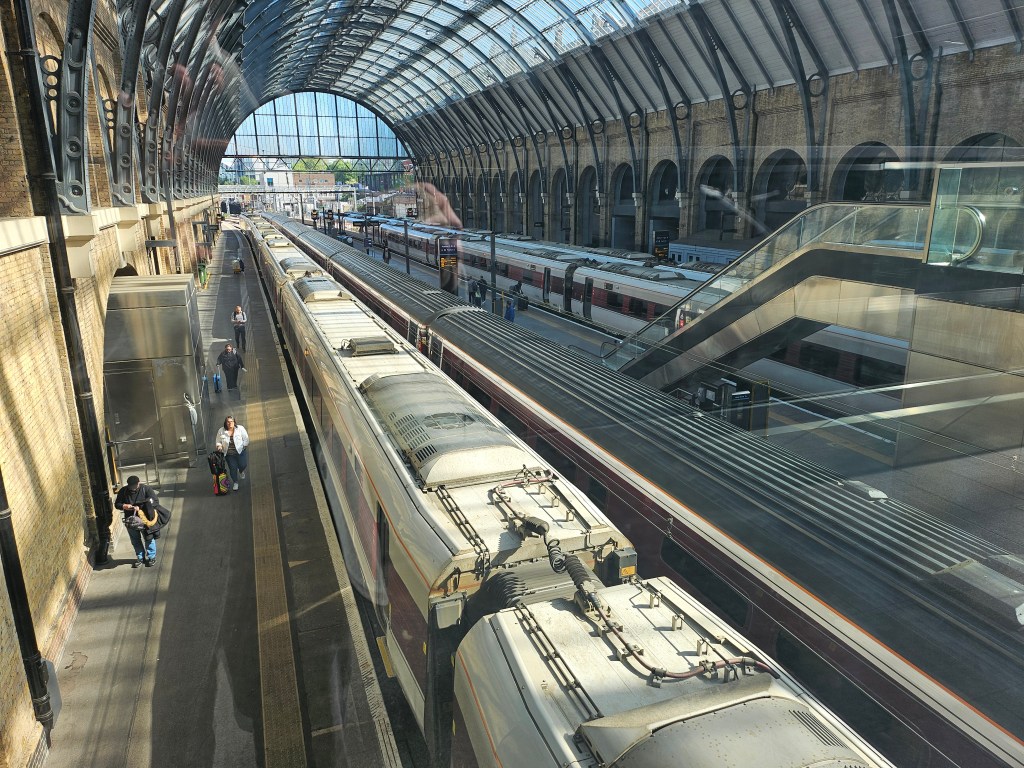
Much to my surprise, the first class carriage that I was in was just about completely full. Other than my immediate post-Covid journey to Penzance (part of Europe Explored Trip One), I have not travelled first class on a British train for a number of years. If this journey was typical, the nature of the first class passenger has changed since I last used the service. Only one or two people were obviously travelling on business and trying to work. The vast majority were tourists, predominantly foreign. I like to travel in peace on long journeys, which is why I booked the Silenzo carriage on my recent journey from Milan to Paris, but on this journey I was surrounded by incessant chatter upon leaving Kings Cross. Not long after departure the complimentary catering trolleys started coming down the aisle, and for a late breakfast I had a bacon roll with a cup of tea. Some of the obvious tourists got off at York, but most were going through to Edinburgh. However, at Darlington and Newcastle the vacated seats were filled up with workers going to Aberdeen for a three week stint on offshore oil rigs. The oil rig workers were equally as loquacious as the tourists they replaced.
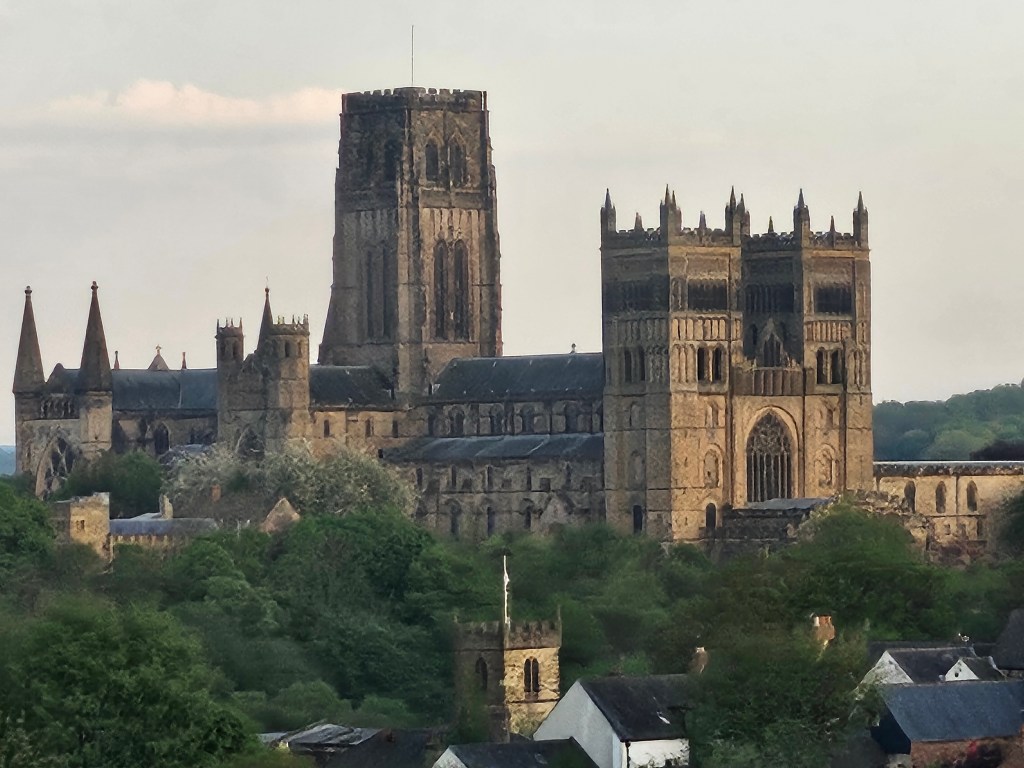
As we travelled north the views became more scenic. The train passed through Durham without stopping, but with good views of the cathedral. North of Newcastle the train line follows the North Sea coast, with glimpses of the tidal island of Lindisfarne in the distance. Not far from Edinburgh, the train came to a halt. After a while, there was an announcement that there was a faulty level crossing ahead, which the train would shortly be allowed to pass with caution. We duly started moving a few minutes later and proceeded very slowly until the offending level crossing was passed. Soon afterwards we arrived in Edinburgh twenty minutes late.
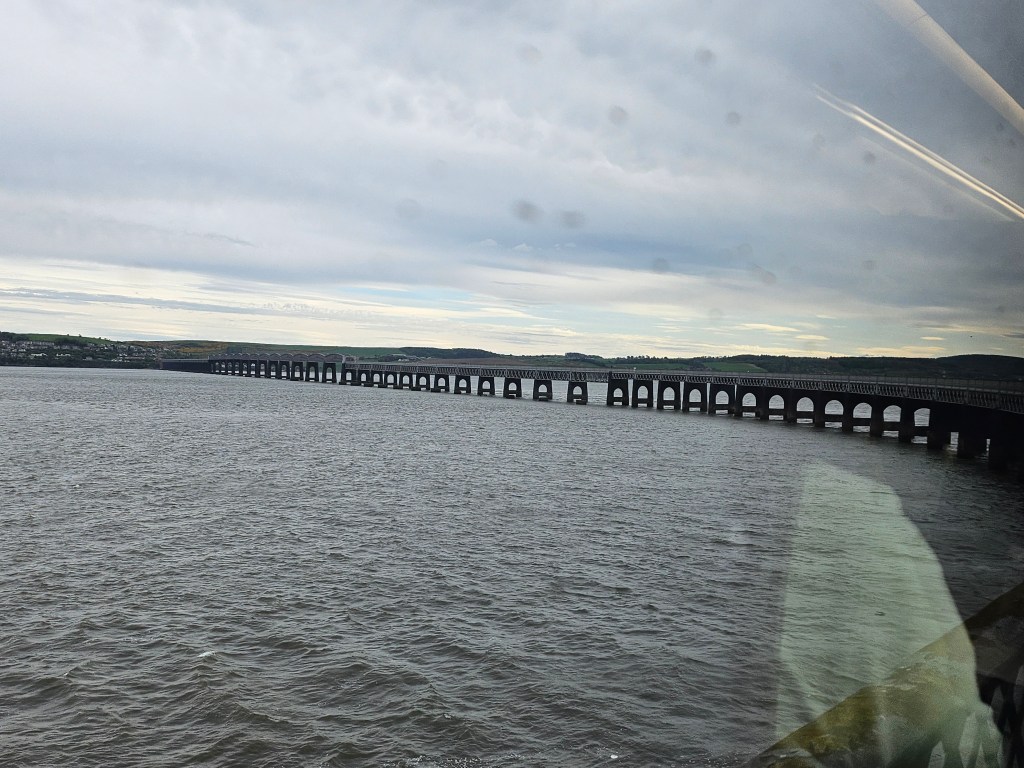
At Edinburgh there was a complete crew change and the train switched from electric to diesel power. Not long after leaving Edinburgh the train crossed the Firth of Forth on the impressive Forth Bridge, completed in 1890. As it was now early afternoon, when the new staff came round offering food, I had a houmous meze dish. To arrive in Dundee the Firth of Tay has to be crossed using the nearly three mile long Tay Bridge, opened in 1887 to replace the first bridge which collapsed as a train was crossing in 1879. I arrived in Dundee, still about 20 minutes late, at 16:10.
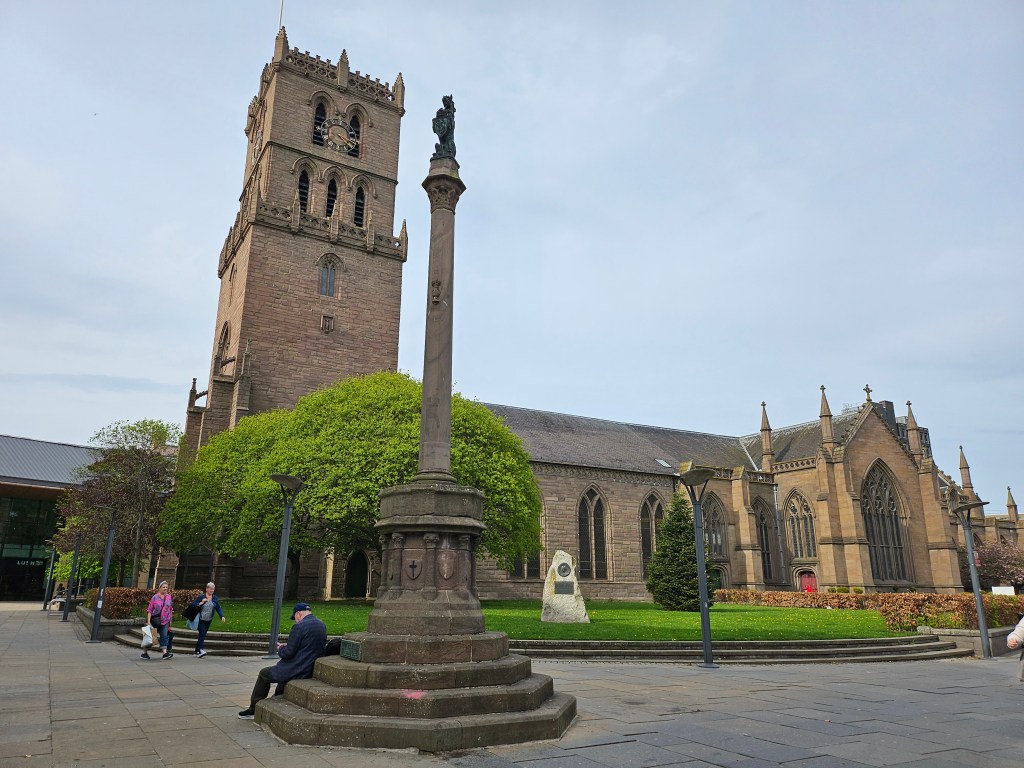
Rather than going straight to my hotel, I embarked on a walk round the city centre following a route that I had found on the internet. When it went near my hotel, I stopped off to deposit my bag, before continuing on my walk. This took me past the High School of Dundee, located in a stately building right in the city centre. In the playground the school’s Pipe Band was rehearsing and I stopped for a while to listen to them.
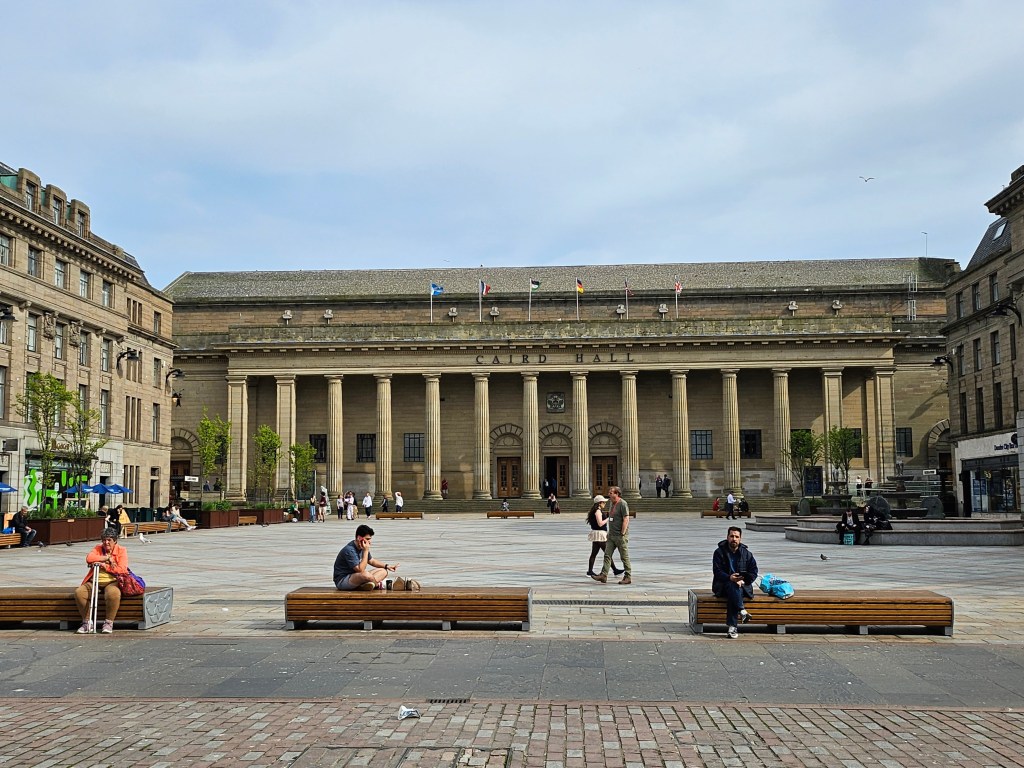
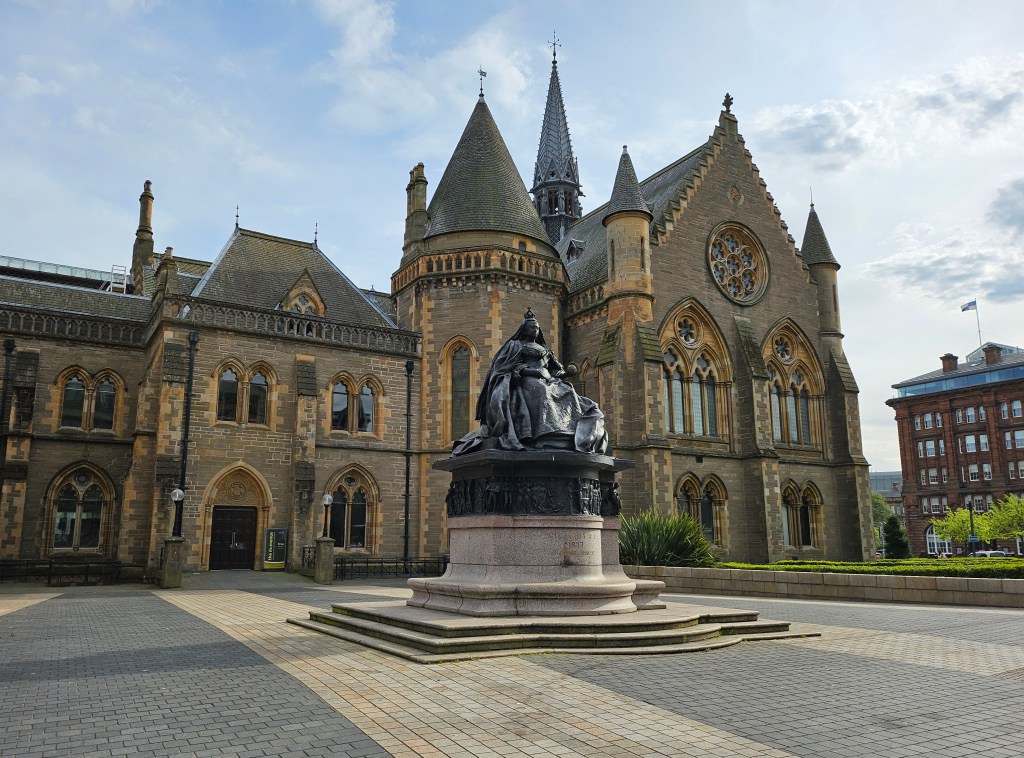
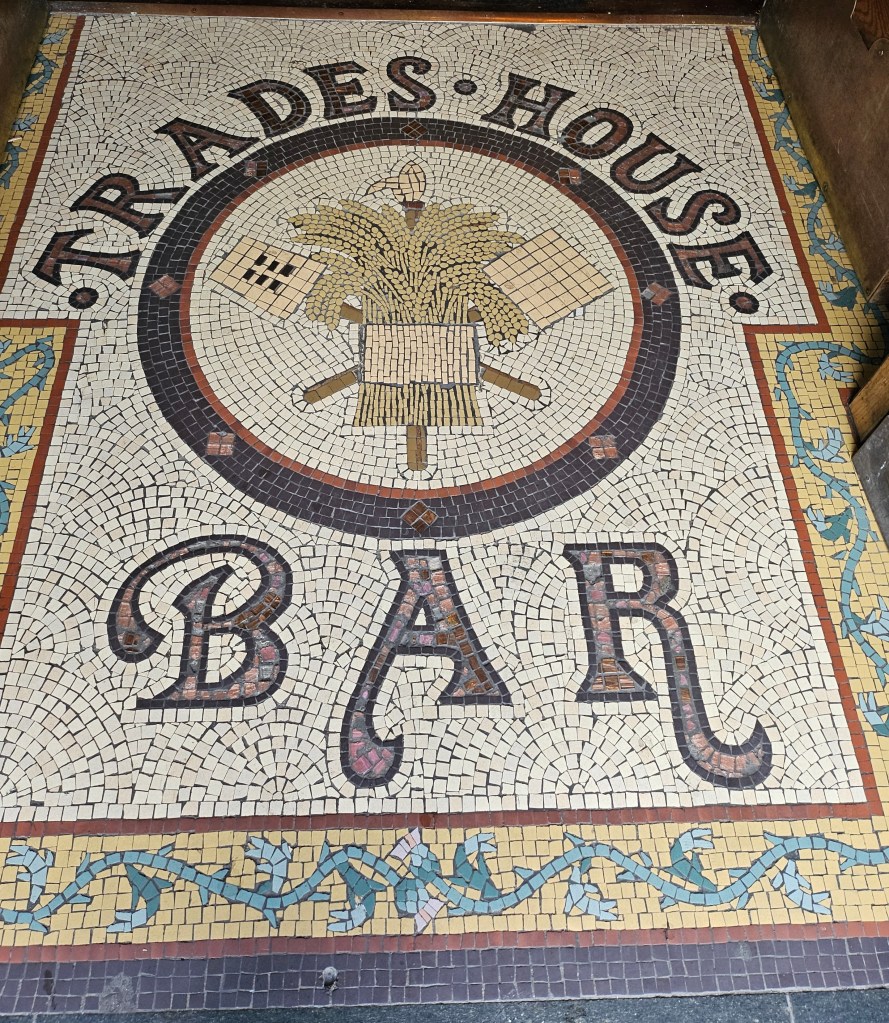
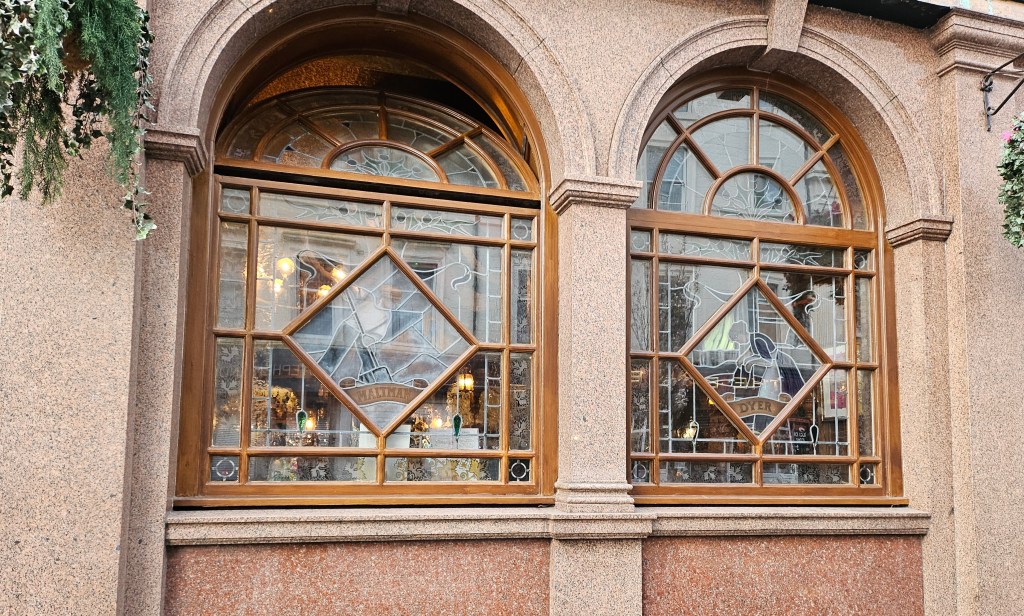
The food that I had had on the train meant that I was not as hungry as I normally am of an evening. I went to a Turkish restaurant, where I had only one course, a lamb sheesh kebab. Afterwards, I went for a pint in a traditional pub, with stained glass windows depicting the nine trades of Dundee.
Day 2 – Wednesday 30th April 2025 – Dundee
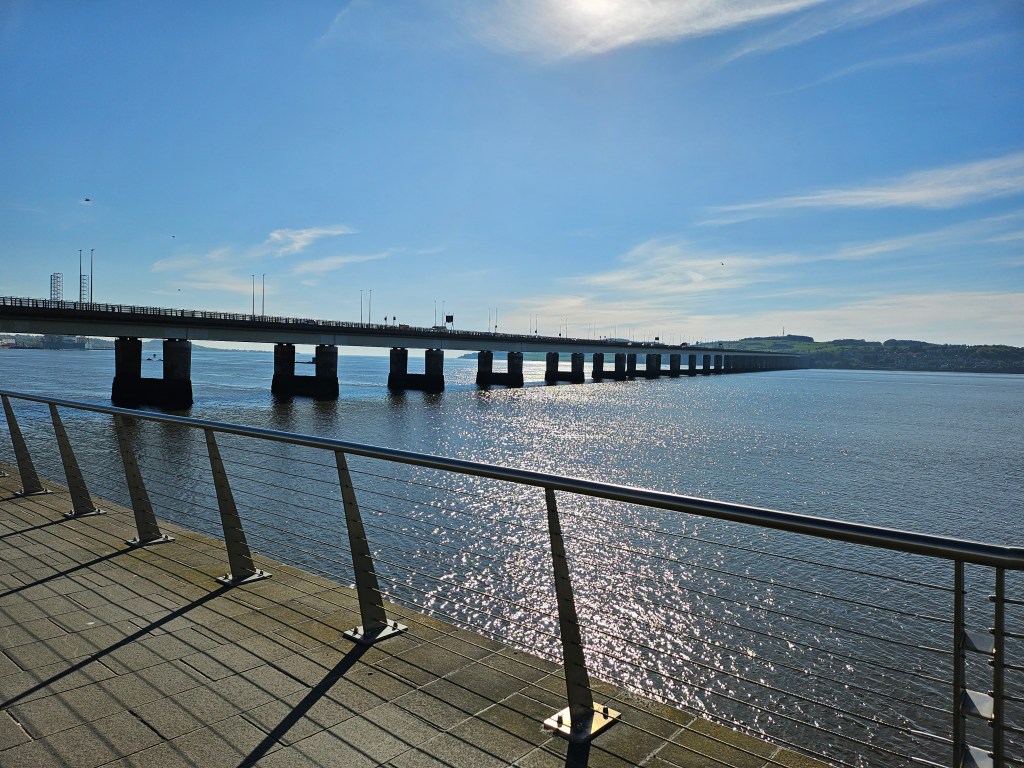
After a substantial cooked breakfast in my hotel, I set off on another walk from the same internet source as I had used for my city centre walk the previous day. This one took me along the waterfront and explored the areas which had formerly been the city’s docks. All the docks upstream of the Tay Road Bridge were shut down and infilled after the bridge’s completion in 1966, with many of them now being gardens.
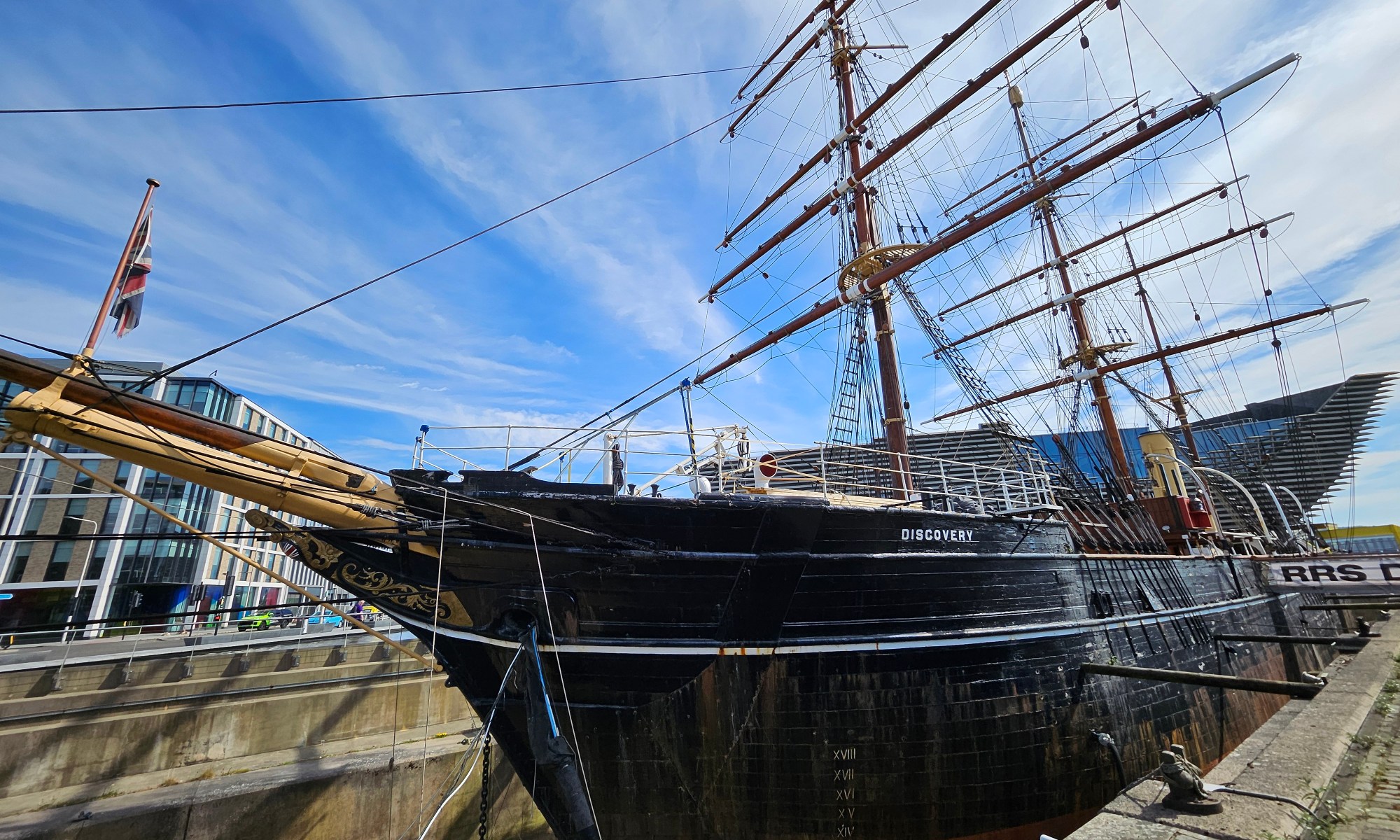
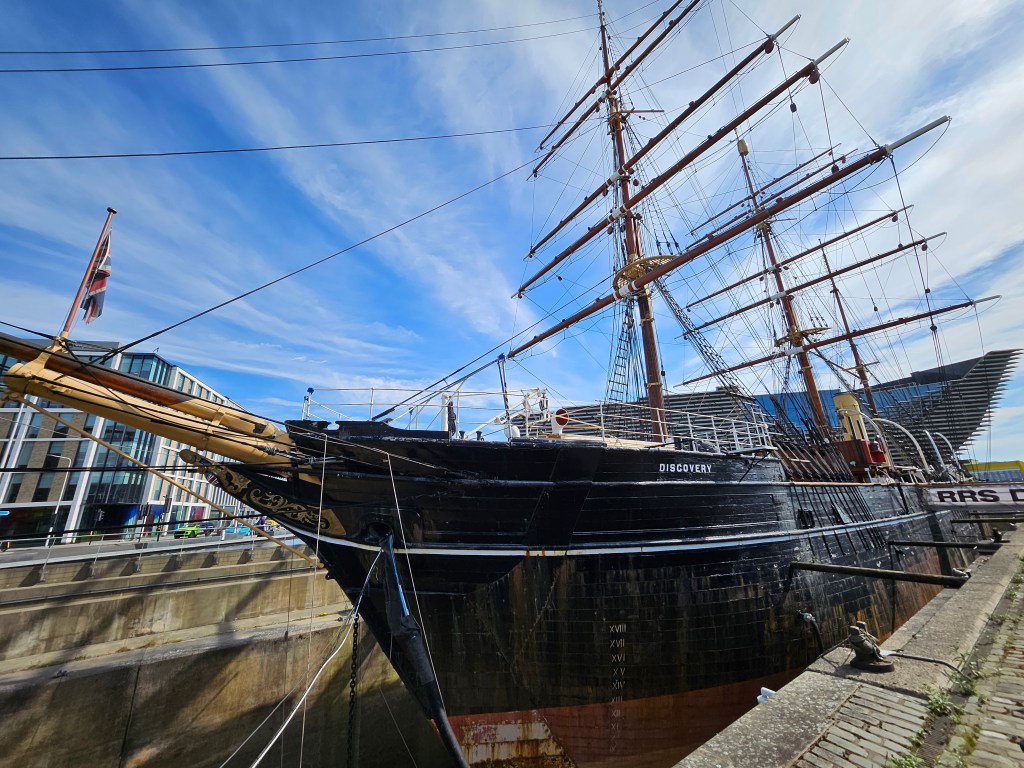
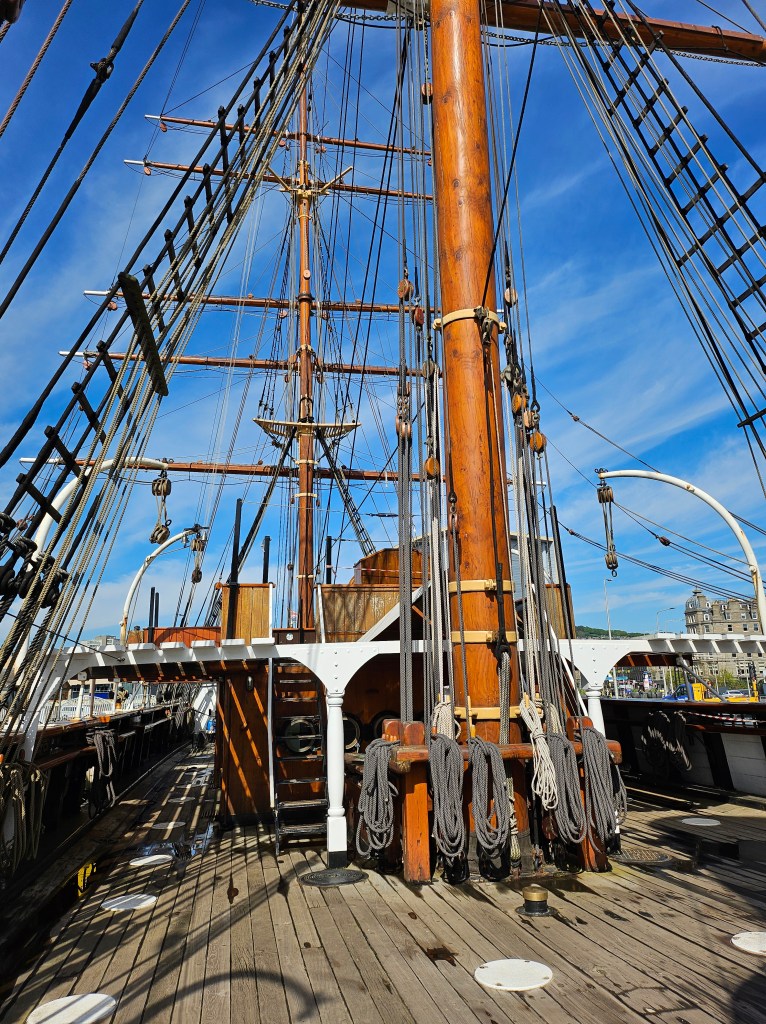
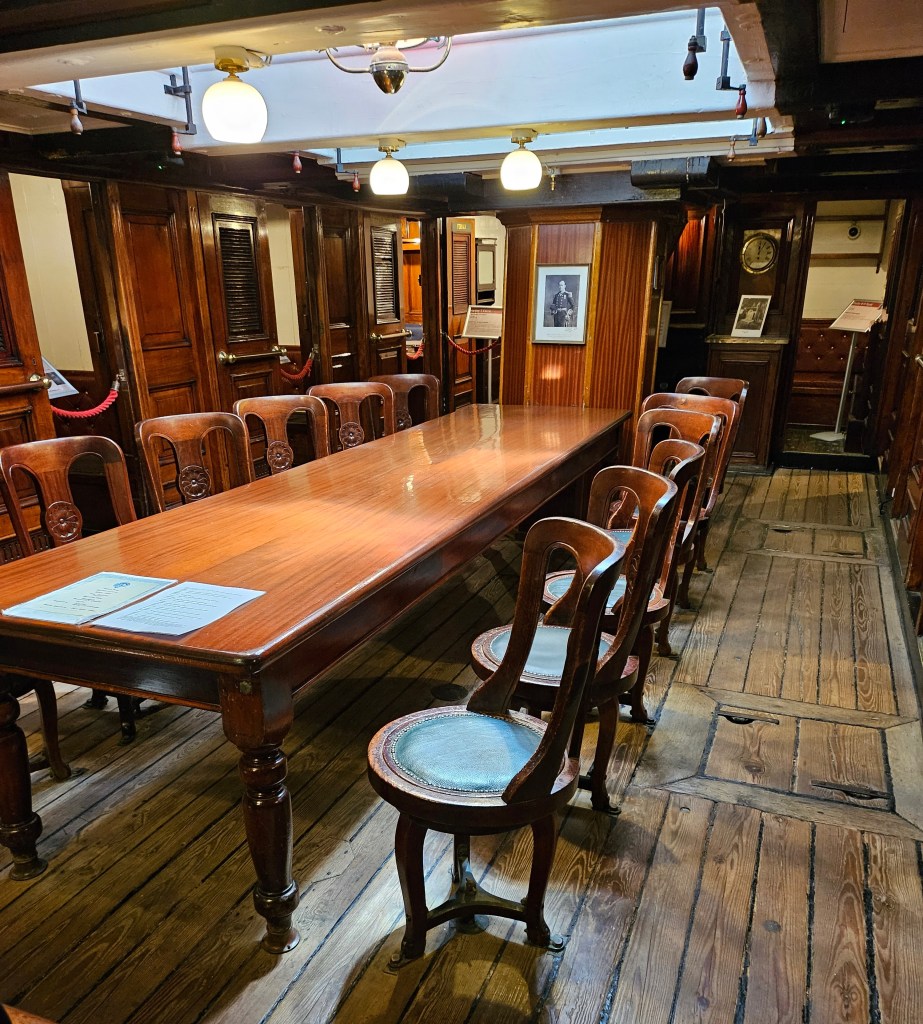
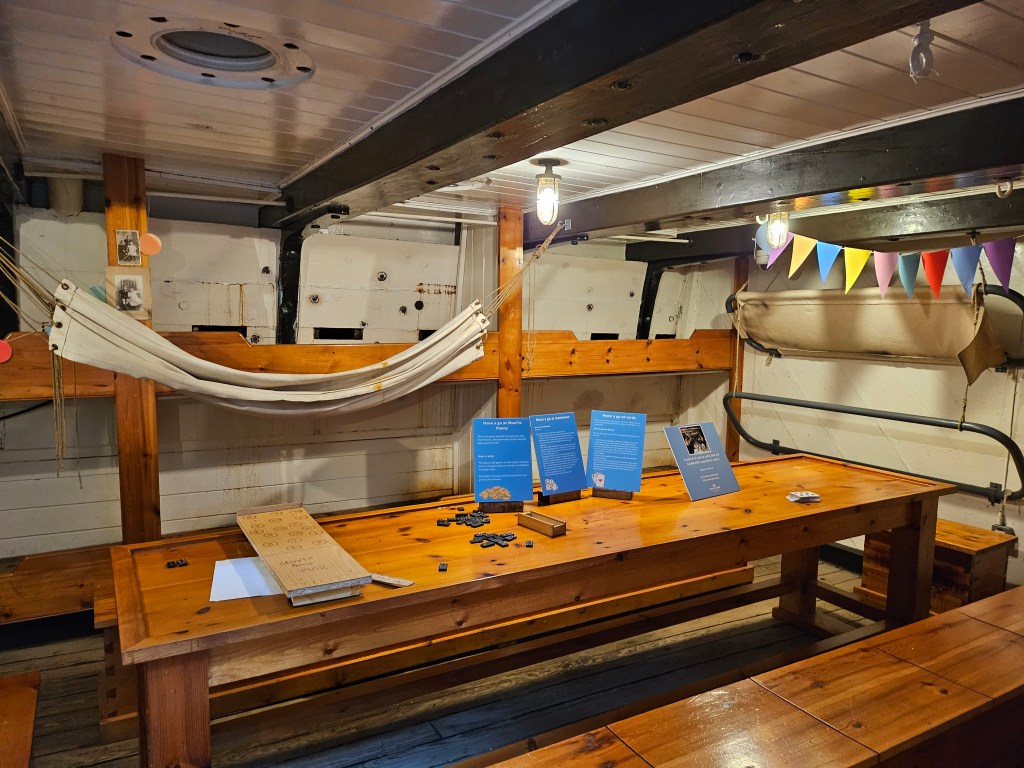
I finished my walk to arrive at the RSS Discovery, berthed at Discovery Point, for when it opened at 10am. RSS Discovery was the ship used by Captain Scott on his expedition to Antarctica from 1901 to 1904 – this was a few years before his fatal journey to the South Pole. RSS Discovery had been built in Dundee, using the knowledge of building whaling ships that operated in Arctic ice. After leaving active service, the Discovery was moored on the Thames in London for many years, before returning to Dundee (for the first time since she was built) in 1986. There is a museum at Discovery Point which tells you about the ship, the expedition and Antarctic exploration more generally. Once you have passed through the museum you can go on board the ship and thoroughly explore it above and below deck. There was also an opportunity to view a film at Discovery Point, which was being shown once per hour. As my ticket allowed me to return later, rather than waste time waiting for the next showing, I decided to move on with the intention of watching the film later if time allowed.
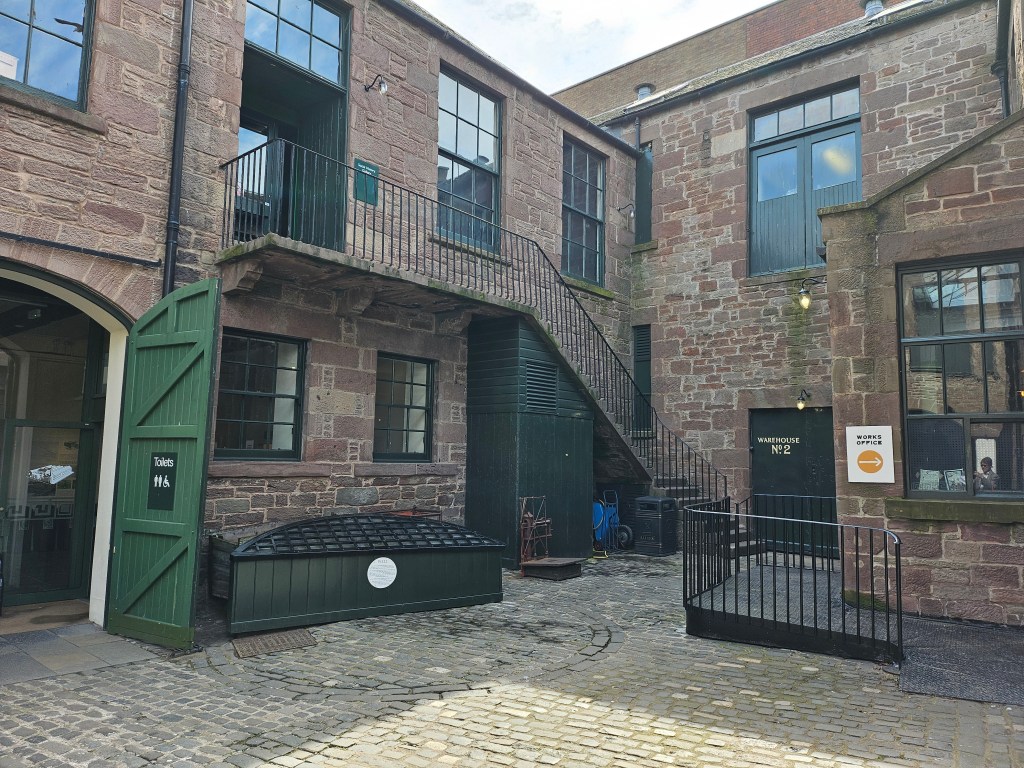
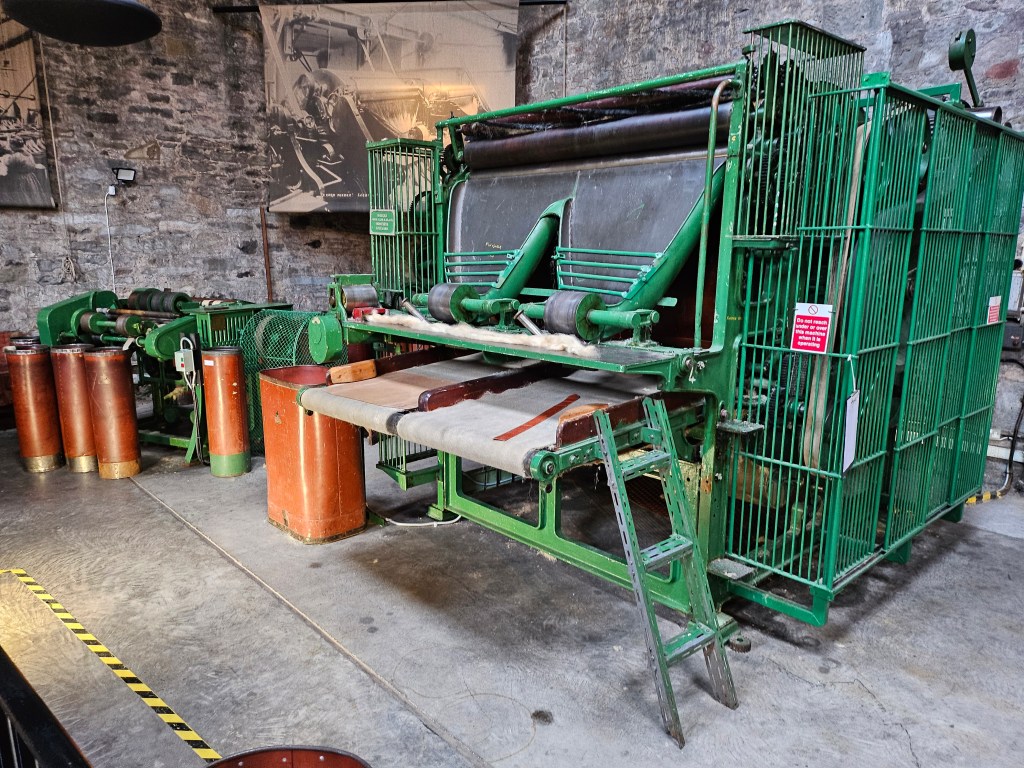
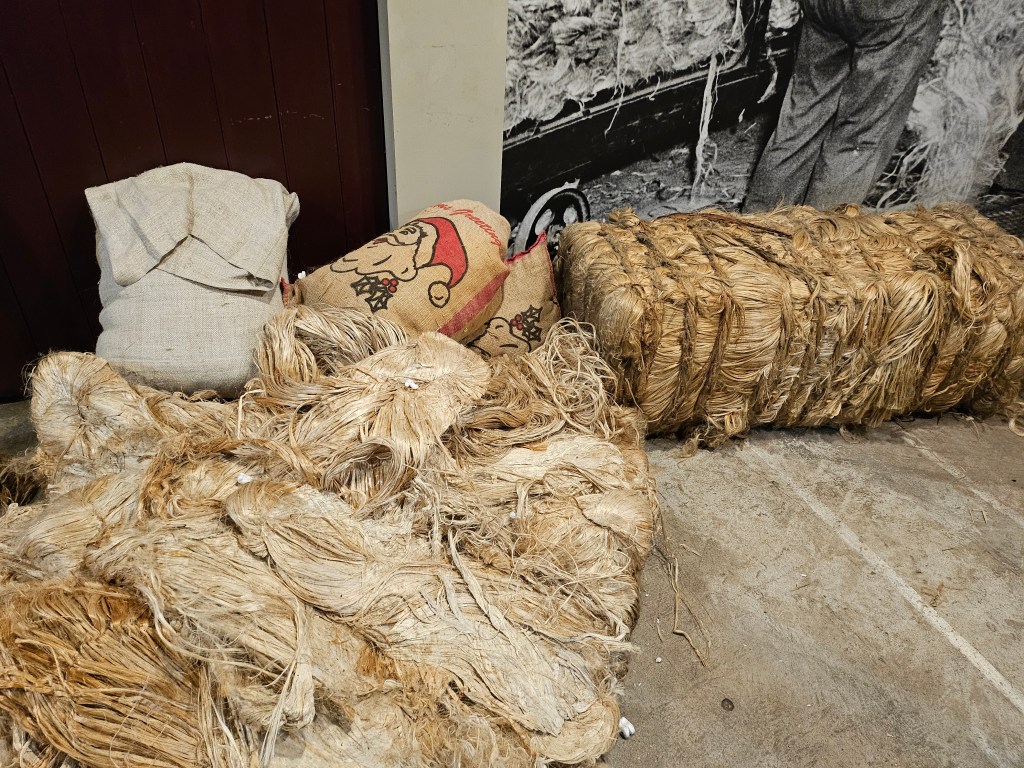
A major industry in Dundee had been the processing of jute, imported from the Indian sub-continent, to make strong fabrics traditionally used in bags and sacks. Originally, whale oil was used to soften the jute, hence Dundee also being a centre of whaling. In the 20th century, it became apparent that it was cheaper to process the jute in the same place that it was grown and the jute industry in Dundee died out. The Verdant Works is a former jute mill that is now a museum. There were helpful staff who demonstrated the various machines used to turn the raw jute into finished material. Some of them had actually worked in Dundee’s jute mills when they were still in business.
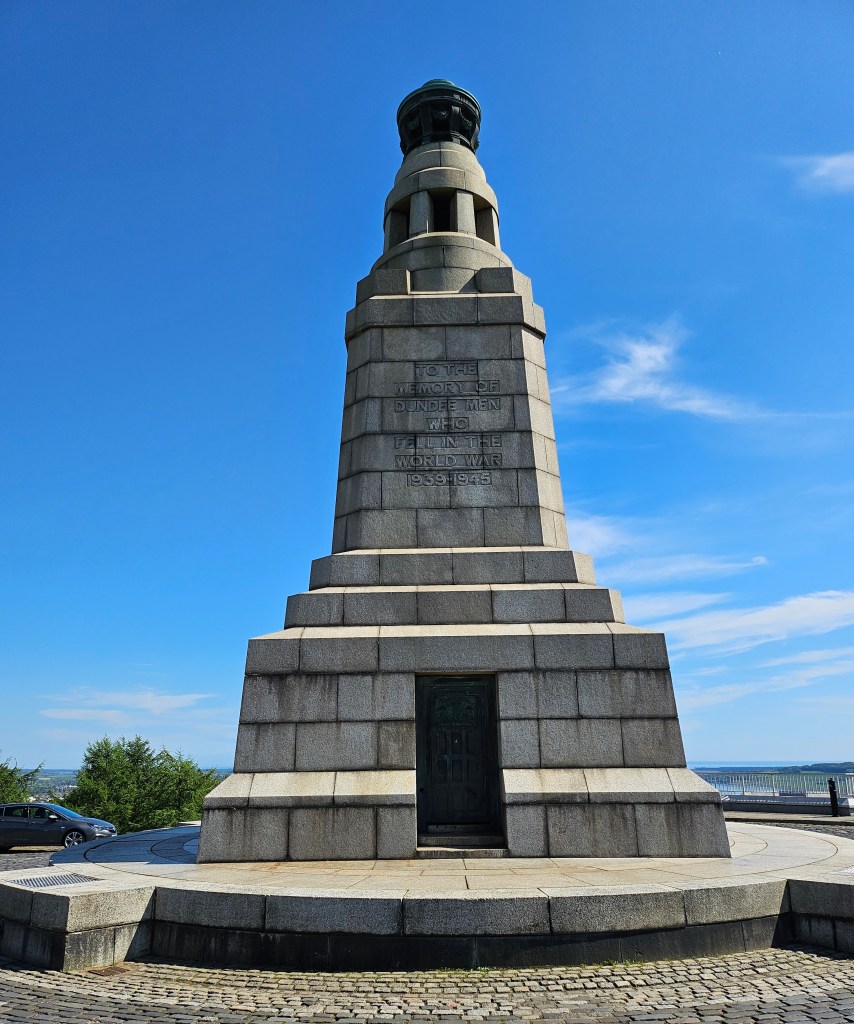
On leaving the Verdant Works I decided to climb to the top of Dundee Law, the highest point within the city, which can be seen from many points in the city centre. It was now a warm day and the climb to the 174m summit was more tiring than expected. On the way up, I managed to drink most of the bottle of water I was carrying. At the summit there is a large war memorial erected after World War I. The top provides great views over the whole of Dundee and the Firth of Tay beyond.
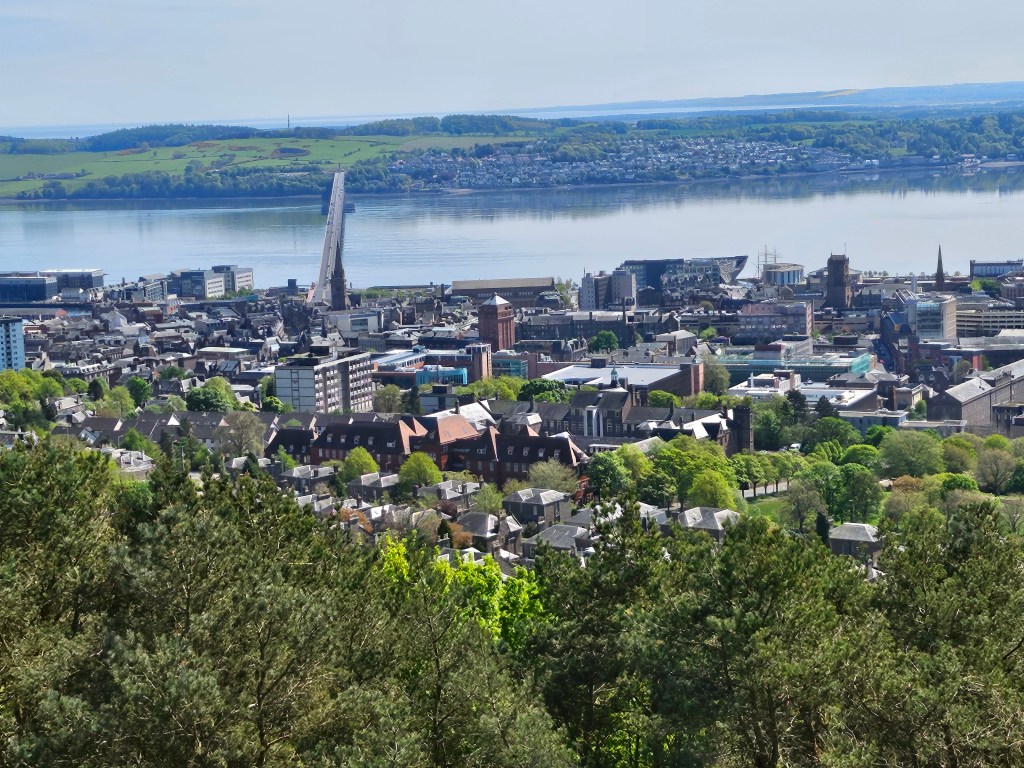
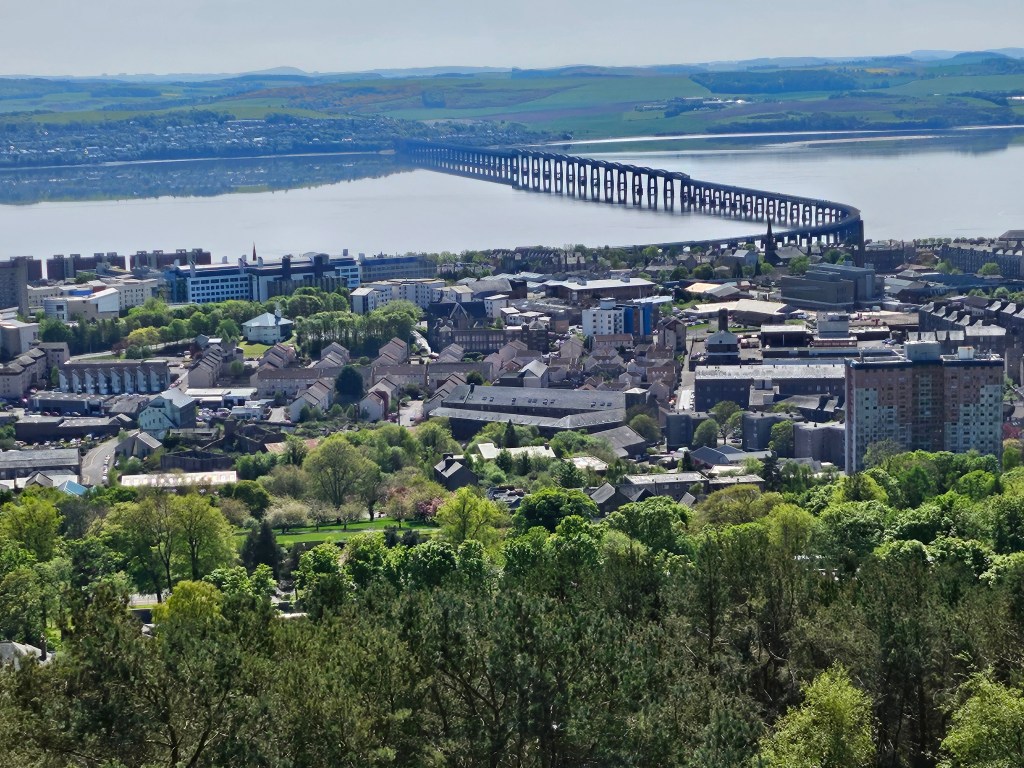
Once I had recovered at the top, I descended by a different path to leave Dundee Law. I next went to the McManus Art Gallery and Museum. The museum is largely on the ground floor with the art gallery upstairs. The McManus is a good example of what a local museum should be. It provided lots of information about the city’s history and some of the organisations based there. For example, the Sinclair ZX Spectrum, one of the early home computers in the UK (I still have mine), was manufactured in the Timex factory in Dundee. I was fascinated that in 1894 the Dundee Courier newspaper, under the proprietorship of D C Thomson sent two female correspondents on a round the world trip to provide reports on the places they visited.
My final visit of the day was to the V&A Museum, whose only branch outside London is in Dundee. It is located in a futuristic building on the waterfront. At the time of my visit, it was changing over between special exhibitions, and the permanent collection is quite small, so it did not detain me quite as long as I was expecting. In the entrance foyer there is an exhibition about the building itself, while the permanent collection focuses on Scottish design. The highlight for me was the original Charles Rennie Mackintosh designed Oak Room from Cranston’s Tea Rooms in Glasgow. When the Tea Rooms closed, the Oak Room’s panelling was saved and has now been put up again within the V&A.
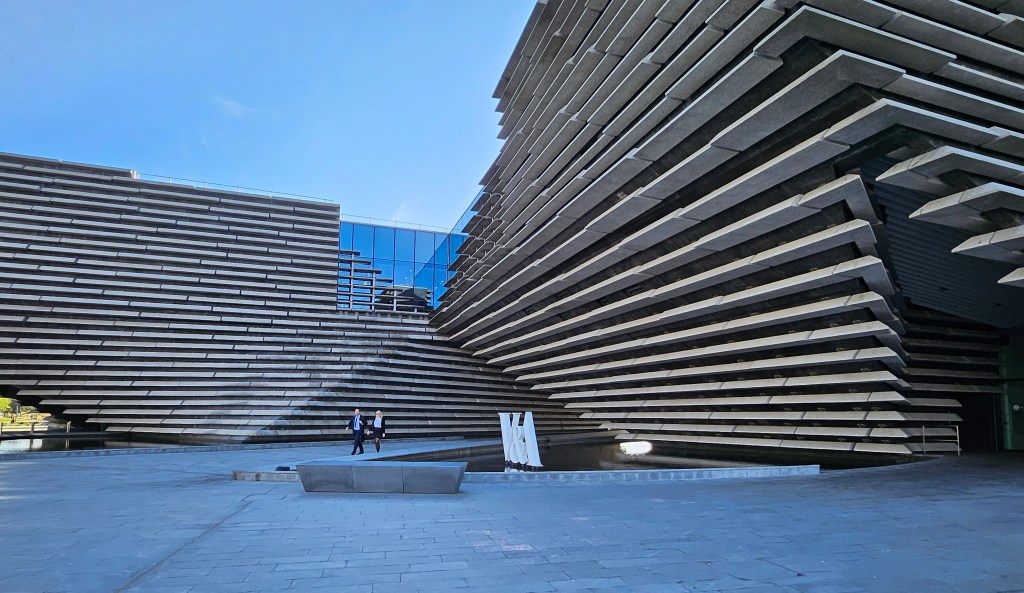
When I left the V&A I joined a long queue outside a small shop selling home-made ice cream. I continued my walk round some other parts of Dundee that I had not seen yet, while eating my ice cream.
That evening, I went to a well reviewed Indian restaurant where I was served a large lamb biryani with a side dish of dhal. When I chose to go there, I had not realised that it had only been open for a few weeks and had not yet obtained its alcohol licence, so after dinner I retired to a different pub from the previous night for a couple of beers.
Day 3 – Thursday 1st May 2025 – Dundee to London
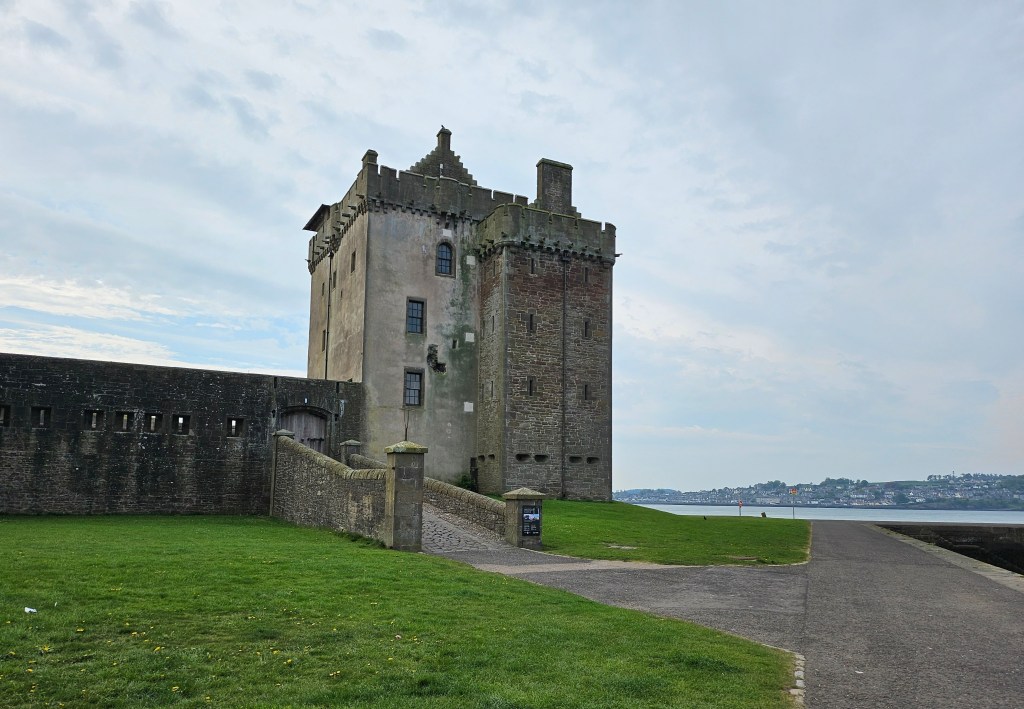
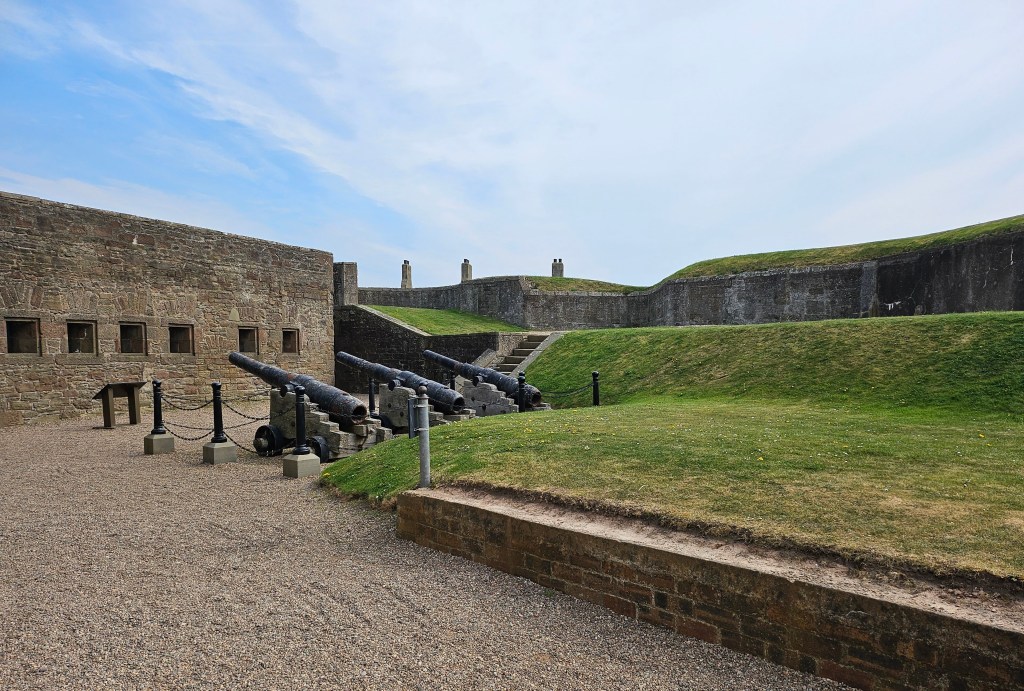
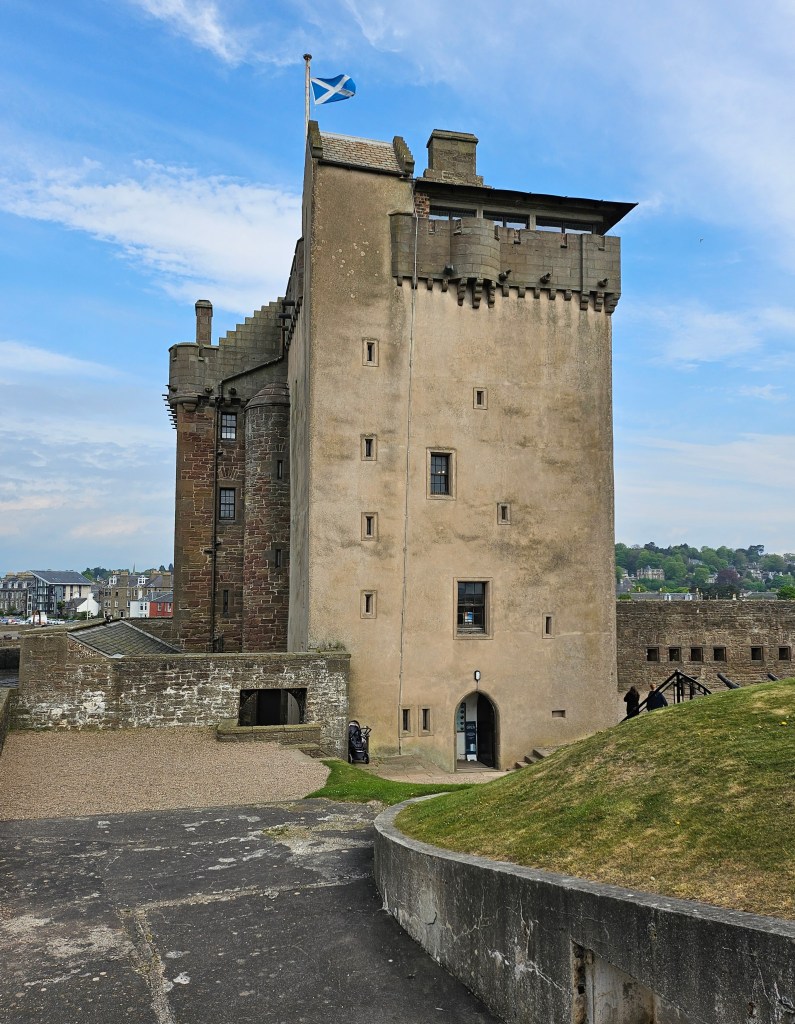
After another hearty breakfast at my hotel, I walked a short distance to a bus stop to catch a bus. I could not use my Freedom Pass for a free ride, as it only has validity within England. After 30 minutes I got off in Broughty Ferry at about 9:45am. I walked down to the small harbour and made my way to Broughty Castle, arriving when it opened at 10am. The castle was first built in the 15th century, but by the 17th century it had become a ruin. It was restored in the 19th century to act as a defence against enemy incursions up the Tay estuary. A volunteer garrison was based at the castle, who could lay mines across the mouth of the Tay should it become necessary. Within the tower of the castle there is a small museum telling the history of the castle and Broughty Ferry more generally.
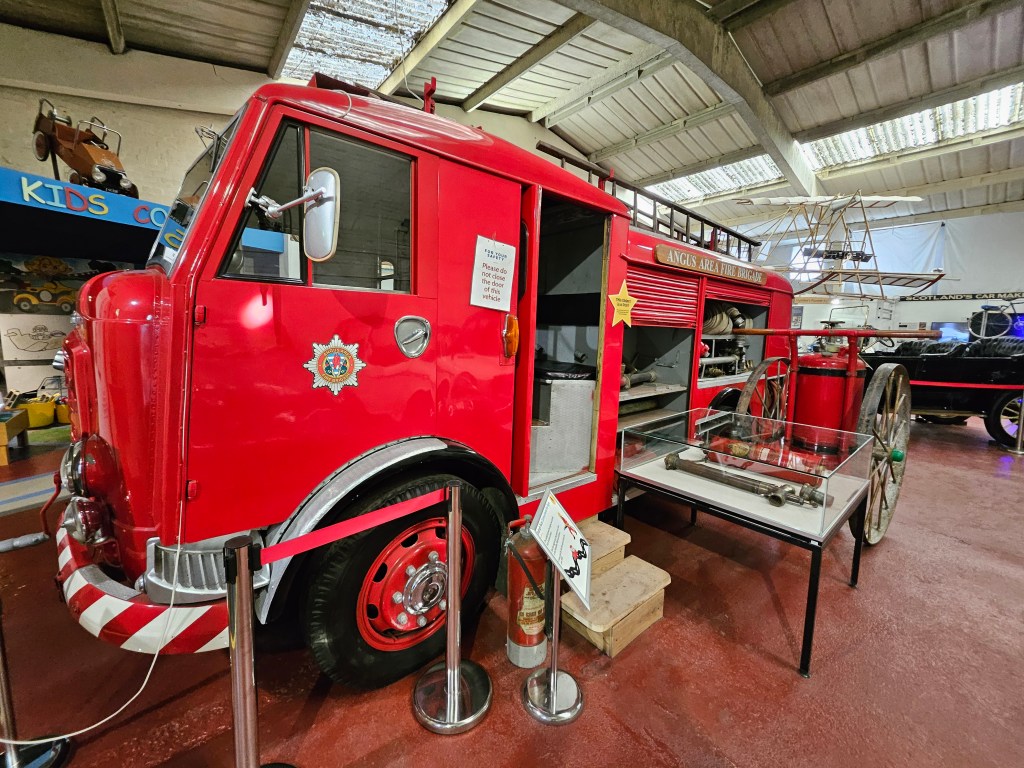
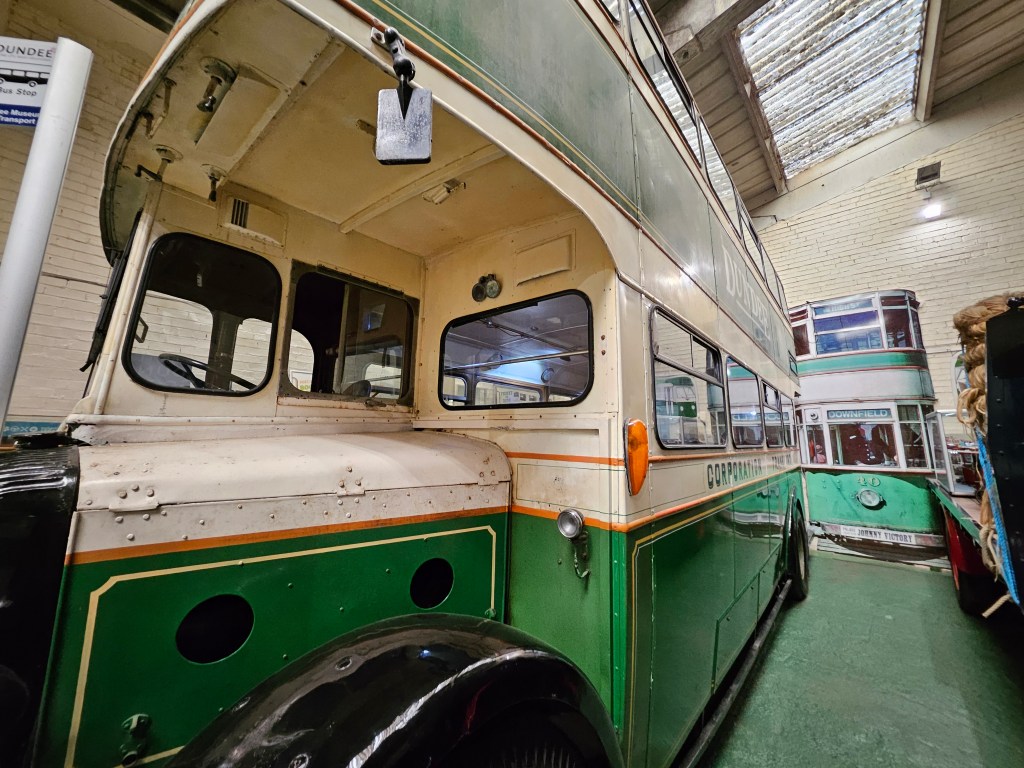
After about an hour, I caught a bus back to Dundee. I got off in the east of the city to walk to the Dundee Museum of Transport, currently located in an industrial estate, but due to move soon to a former tram depot. Most of the exhibits are road vehicles. As well as cars there was a fire engine, a bus, and a Sinclair C5. The museum had a small model railway display and an exhibition about the Tay Bridge disaster of 1879.
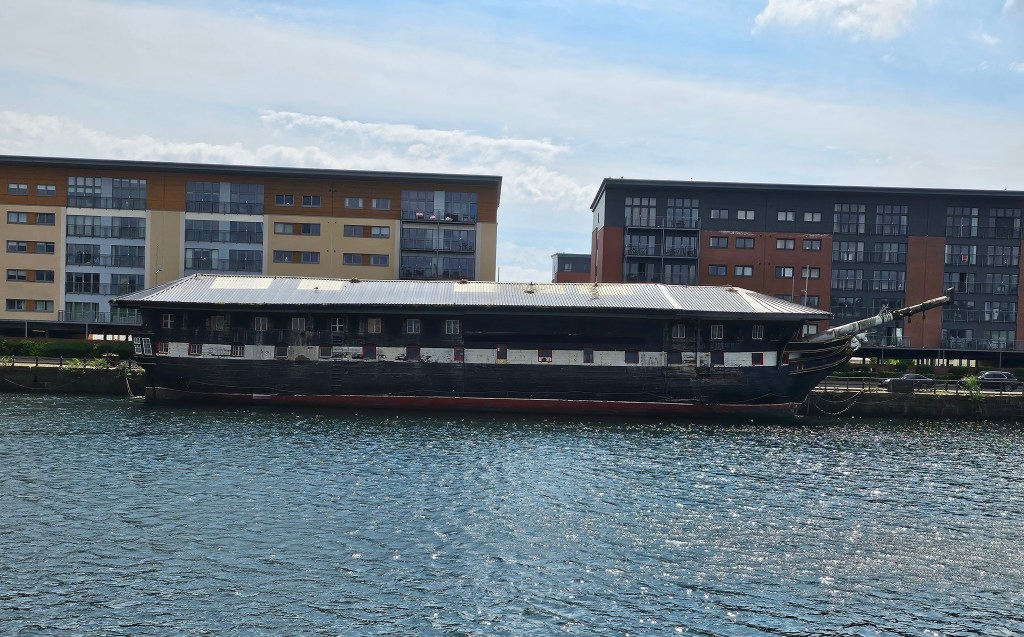
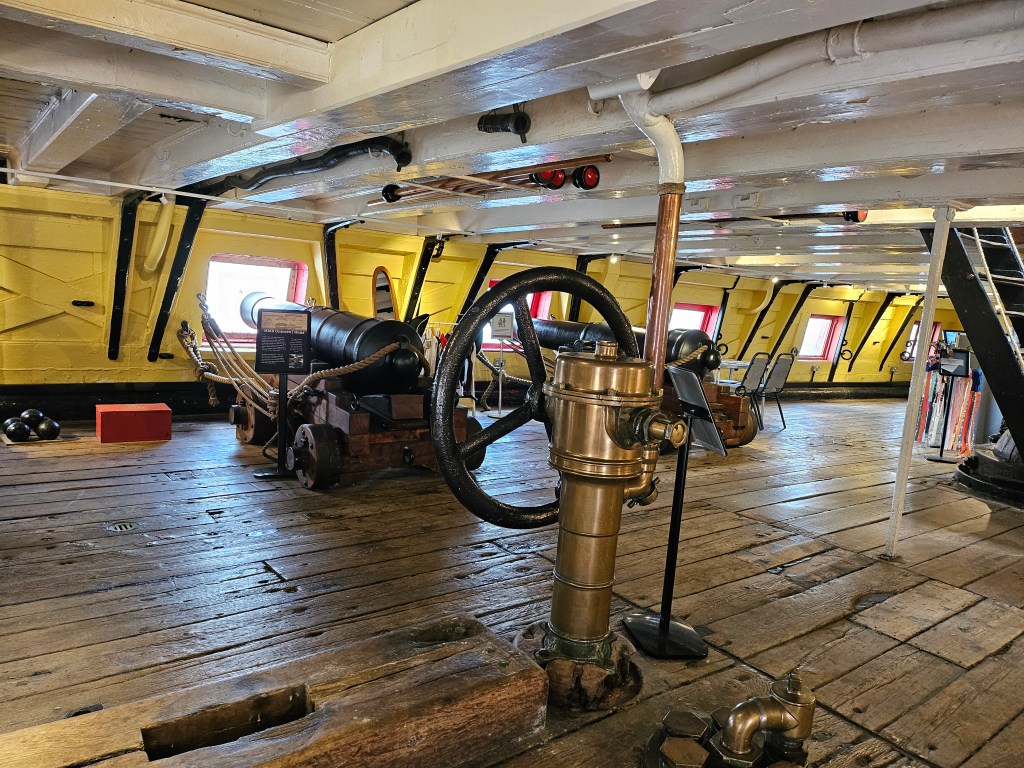
From the Museum of Transport I walked down a busy main road to the Victoria Dock, where the frigate HMS Unicorn is moored. HMS Unicorn was launched in 1824, but by the time of her launch changing geopolitics had made her original purpose redundant. Consequently, a roof was built over her top deck and she was used as a depot ship and later a training vessel. Unlike RSS Discovery, which is in a dry dock, HMS Unicorn is still afloat within Victoria Dock. A helpful volunteer initially showed me round the ship and there was also a comprehensive audio-guide available via your phone.

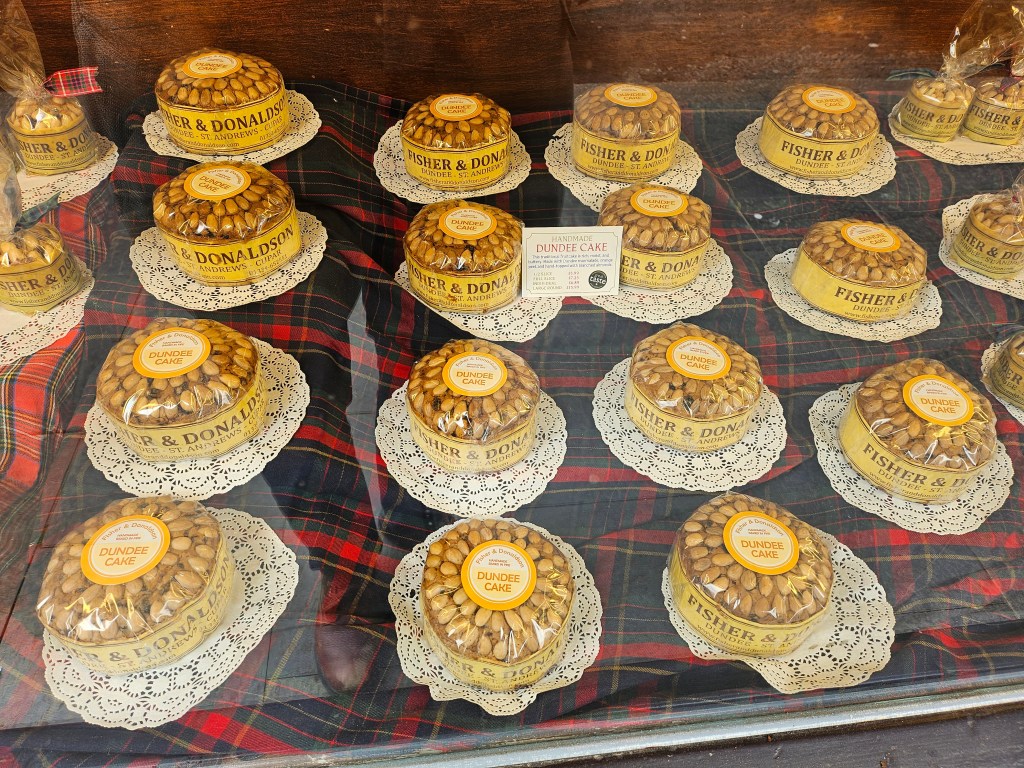
By now it was early afternoon, so I returned to Discovery Point with the intention of seeing the film that I had skipped the previous day. Unfortunately, the area where the film was being shown had been hired out for a conference on this second day, so I had to content my self with looking in more detail at some of the parts of the museum. With the extra time I now had, I went to Dundee Contemporary Arts, where there was a special exhibition on the art of motherhood. This did not detain me long, so before I went to catch my train, I had time to find a traditional bakery to buy a Dundee Cake as a present to bring home.
My train back to London arrived on time in Dundee at 16:10. Once again I was travelling first class. As I had hardly eaten since breakfast, I once again had the houmous meze when food was offered shortly after leaving. A large proportion of the first class passengers were oil rig workers returning from Aberdeen. They seemed to be making up for lost drinking time and were even more noisy than those travelling to Aberdeen I had encountered a couple of days earlier. After we left Edinburgh, with a change of crew, I had my main course for dinner, a lamb rogan josh, which I found a little disappointing.
The train lost about 10 minutes waiting for a platform when arriving at Newcastle. Fortunately, most of the oil rig workers were getting off there and, given that most of the seats around me were now showing as unreserved, I hoped my ears would have a rest. But as we pulled into Newcastle station, the indicators above the seats across from me changed to say that they would be reserved from Newcastle to London. A couple got on – the man donned headphones, while the woman spent the entire journey on the phone, telling whoever was listening that they had missed their flight that afternoon from Newcastle airport and were now racing south to pick up an alternative flight to their destination from Gatwick airport.
Throughout the journey south the train clawed back a few minutes of its late running between stations, but then lost them and more, waiting for a platform. It eventually arrived back at London Kings Cross just before 10:30pm, 20 minutes late.
I’m really pleased that I chose to visit Dundee. I found it a lovely city, which was well worth the effort to get there.
 Europe Explored
A very interesting post about somewhere I hadn’t given much thought to before. And a three-mile bridge? I can’t even get my head around that.
LikeLike
I think it benefits from not being on the main tourist circuit. If you are ever in the UK again, I would recommend a visit.
LikeLiked by 1 person