
“The diversity of the phenomena of nature is so great, and the treasures hidden in the heavens so rich, precisely in order that the human mind shall never be lacking in fresh nourishment.” (Johannes Kepler)
I wished to see a performance of Puccini’s opera La Boheme at my favourite opera house in Gothenburg, and to also fit in another Europe Explored trip before the weather turned too cold. I planned to include a visit to Croatia, the only mainland Schengen member country that I had not yet been to on my post-Covid travels. Given various date constraints, the only way that I could achieve both objectives was to combine them into one trip. By my standards this was rather more rushed than I ideally would have liked, but at least I have identified some places that would be well worth further exploration on another occasion.
Day 1 – Wednesday 8th October 2025 – London to Gothenburg
This was going to be my fourth visit to the Gothenburg Opera House – I first discovered it on my Europe Explored trip through Finland and Sweden in 2023, but subsequently I made two visits just to Gothenburg for the opera. On my previous two flying visits I had travelled the day before the performance, but this time I was confident enough about Ryanair’s punctuality to risk travelling on the day.
My flight from Stansted Airport was due to depart at 11:10, and I inevitably arrived at the airport far too early. Unlike on my trip the month before, there was no fire alarm when I arrived and there was hardly any queue to get through security. Boarding for my plane started earlier than usual. I don’t know if their computers had crashed, but rather than scanning boarding cards at the gate, they were just ticking you off on a paper list. The plane was little more than half full – Ryanair usually manage to achieve much higher loadings on their flights.

The flight was uneventful and views were obscured by cloud most of the way, apart from when we passed over Aalborg in Denmark, which I recognised from my visit there the previous year. The plane touched down at Gothenburg Landvetter airport 15 minutes early, but had to wait that time for a gate to become free, so it only pulled up to the stand at the due time of 14:00. While Stansted had seemed quieter than usual, I had never seen Gothenburg airport so busy. There was a long queue for passport control, even for those holding EU passports. Fortunately, I was one of the first people off my plane and the EU passport queue moved fairly quickly, so I was out of the airport within 15 minutes of getting off the plane. There was then a queue to board the bus to the centre of Gothenburg – by the time I got on the bus it was nearly full, and when it was full it was sent on its way, so I was able to check into my hotel opposite the bus station by 3pm.

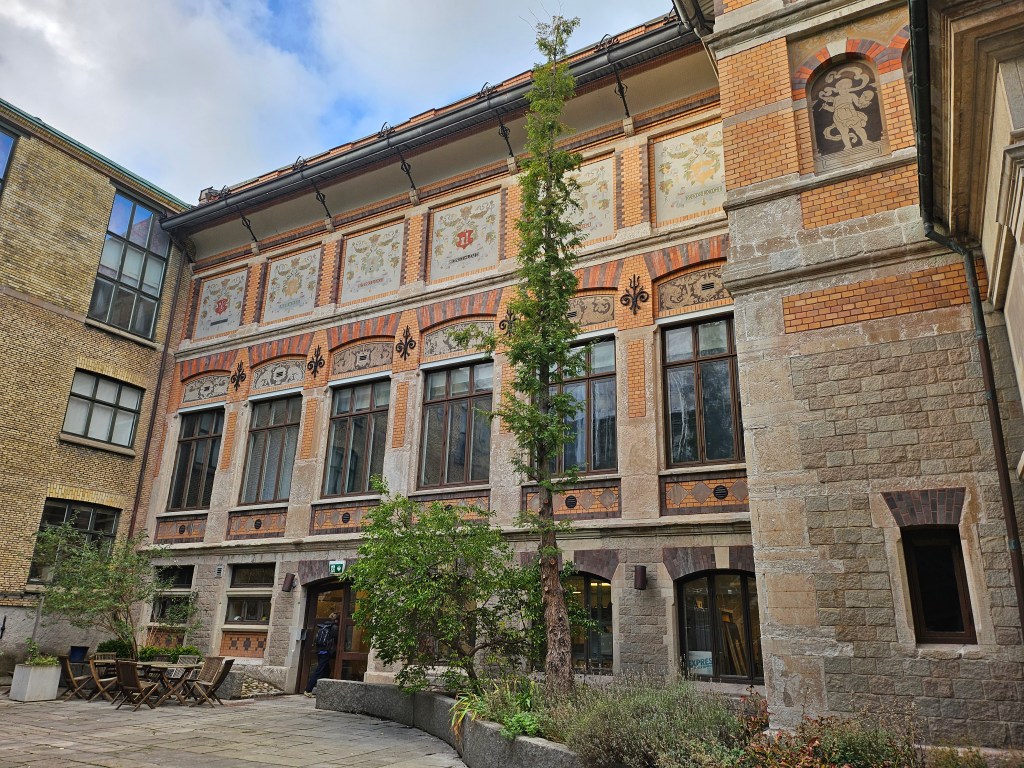
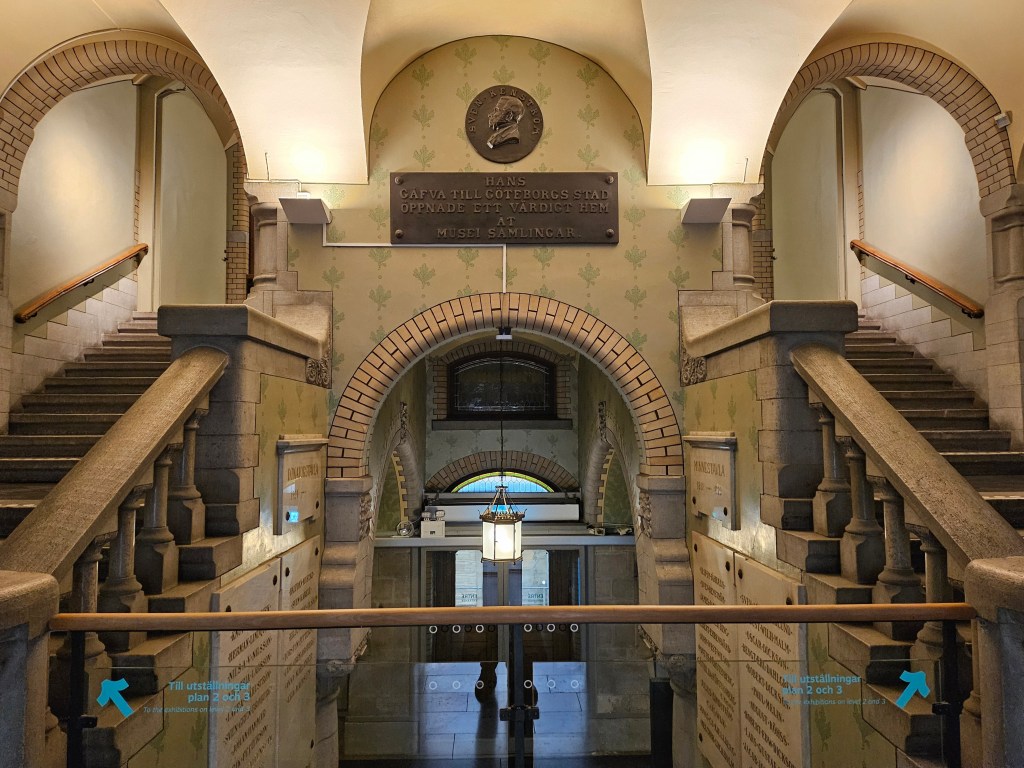
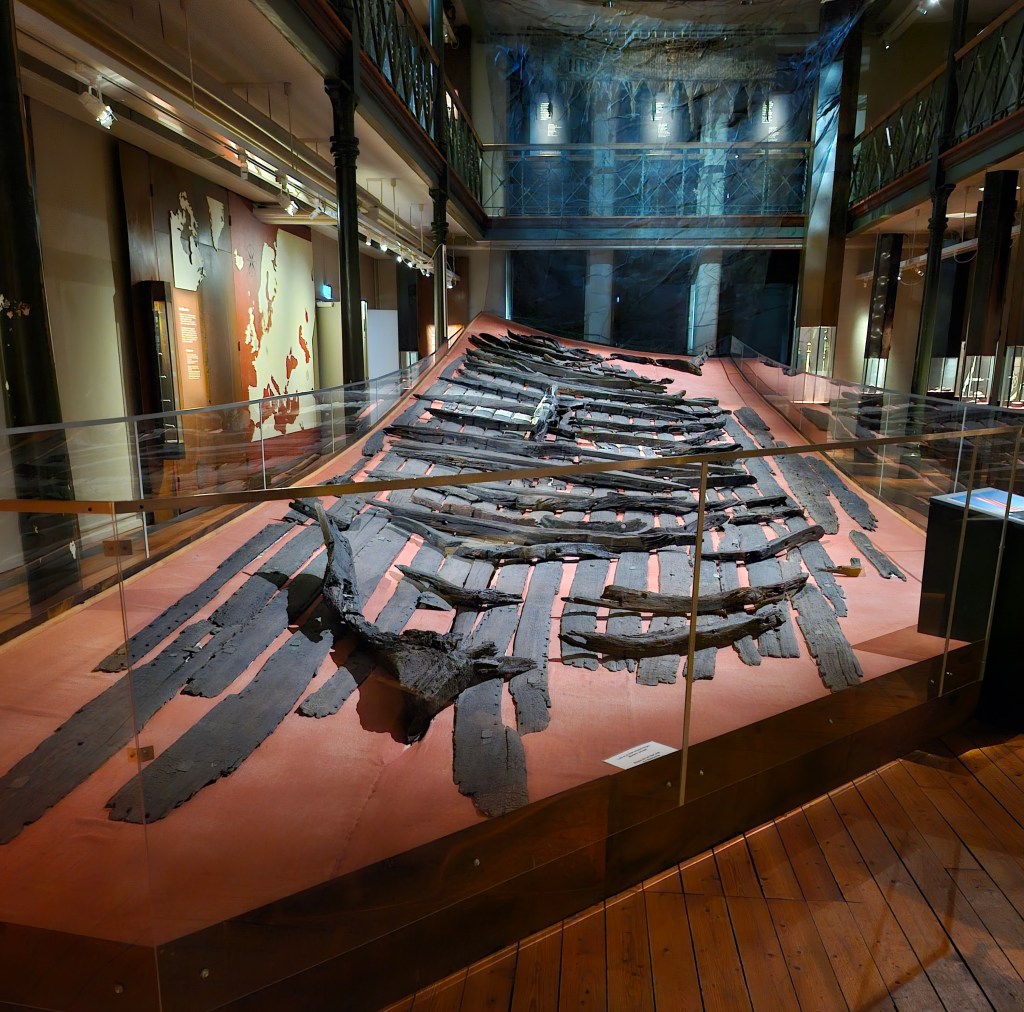
I had time to pay a visit that afternoon to the Gothenburg City Museum, which I could enter for free as the annual Gothenburg Museums pass that I acquired on my visit earlier in the year was still valid. Even though there were no new exhibitions since my previous visit, I always find something in this museum that I had not spotted before.
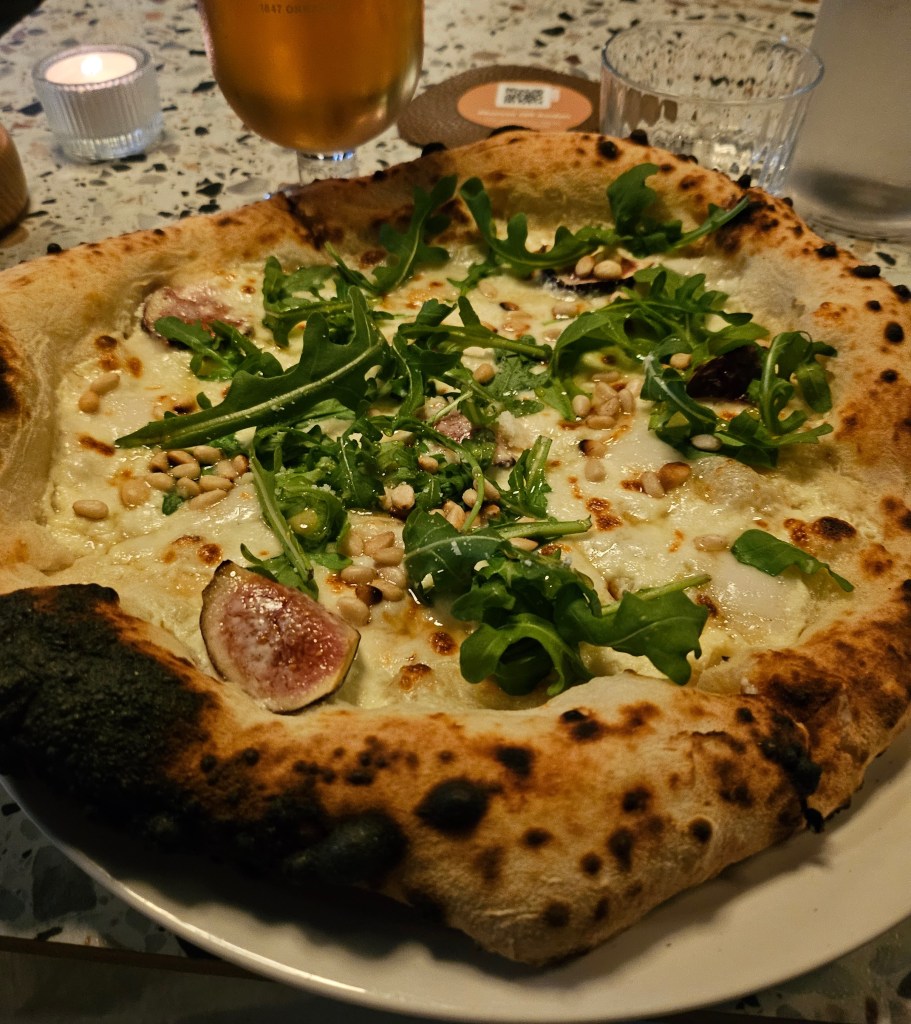
I had taken the precaution of booking a table at the same pizza restaurant as I had eaten in on my two previous visits. This time I had an interesting fig pizza. Service was prompt, so I arrived at the Gothenburg Opera House in time to have a pre-performance drink.
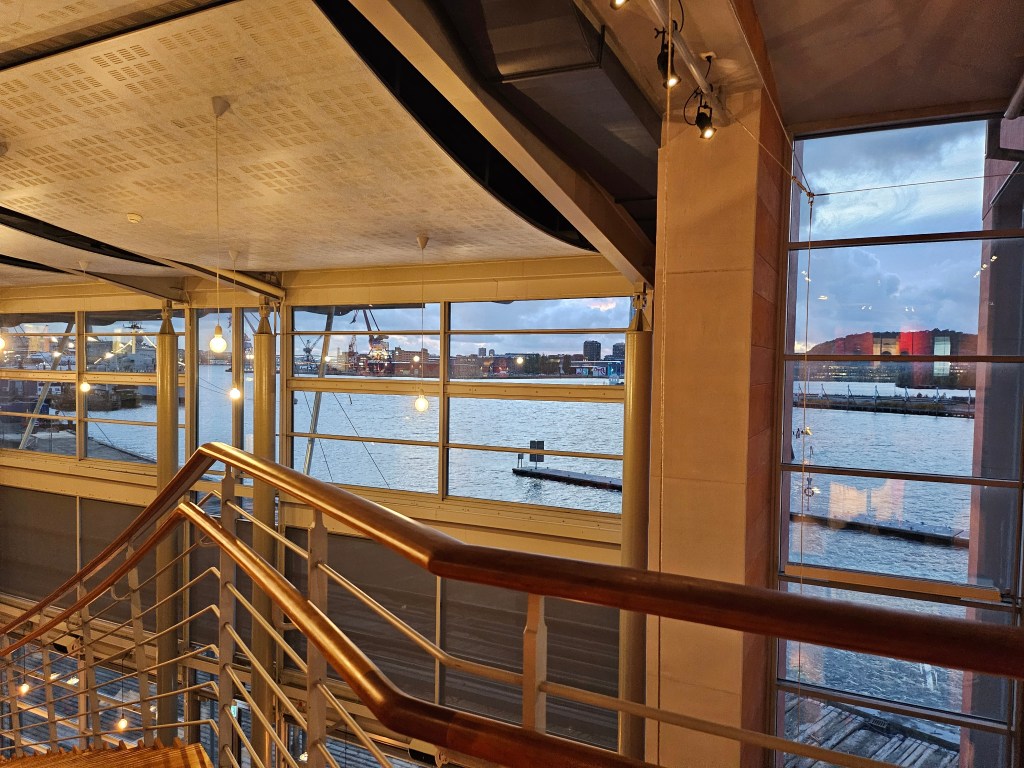
This production of La Boheme was set in Paris in 1970, but otherwise was faithful to the original. As I have come to expect from Gothenburg Opera, the production was superb. That said, I am not sure that it worked as well as the other operas that I have seen there. This is not a reflection of the cast – as Rodofolfo and Mimi were played by the same singers as had played Pinkerton and Butterfly in Madama Butterfly – but instead I believe the nature of La Boheme itself. Much of the opera is played very successfully as a comedy, but the transition to the pathos of Mimi’s death at the end is too rapid for the intensity of the emotions to come through.


Day 2 – Thursday 9th October 2025 – Gothenburg to Prague
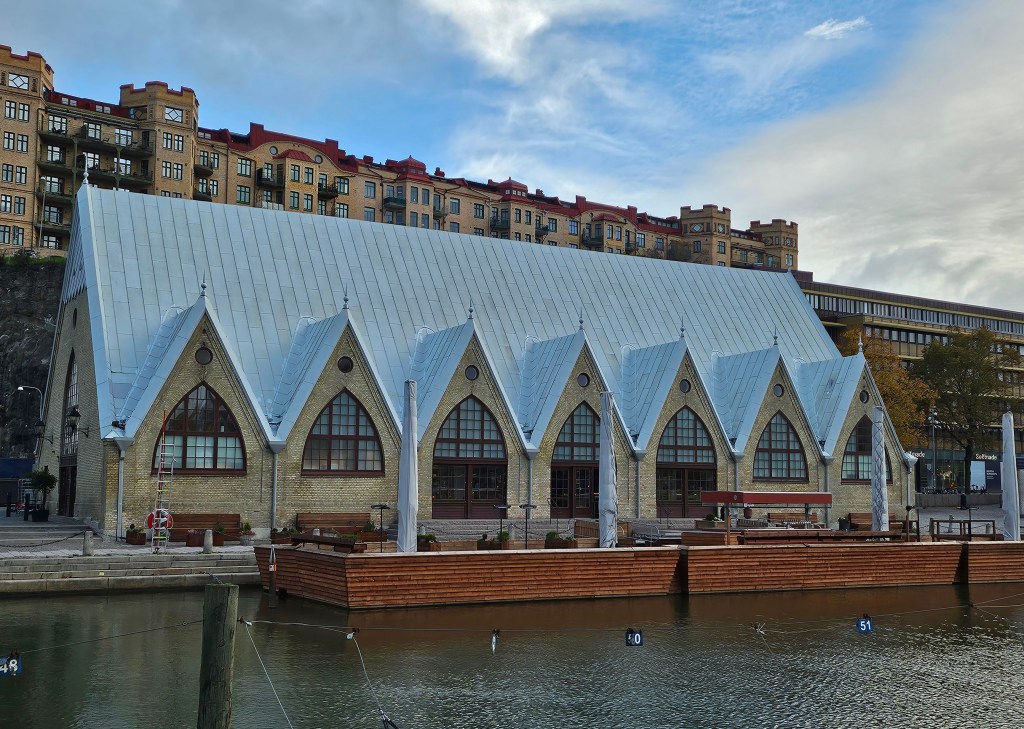
Unlike on my previous visit to Gothenburg, the weather was pleasant, so after a hotel breakfast, which, being in Sweden, had to include meatballs, I set off for a walk before anything opened. I headed out to see the the fish market, which was being restored last time I went to it. Because of its shape it is known the Feskekörka, or fish church. The restoration is now complete, but I was a bit disappointed to find that it no longer contains a market, but instead an up-market restaurant. From there I walked back through the lovely Kungsparken, with the intention of arriving at the Gothenburg Museum of Art when it opened. However, just before I got there, I thought I had better check its opening time and on discovering that it didn’t open until 11am, rather than 10am as I had assumed, I had to hastily re-plan my morning.
I caught a tram to the Maritime Musuem, which I knew does open at 10am, and arrived about 10 minutes after it had opened. This is also covered by my museums card and after a quick look in the aquarium, which always seems to be popular with primary school parties, went to explore the rest of the museum. The special exhibition that was on last time had now closed, but as they had not yet opened a new one, I had to content myself with looking round the permanent collection. Even though by my fourth visit much seems familiar, as in the City Museum, I always find something that I had not spotted before.
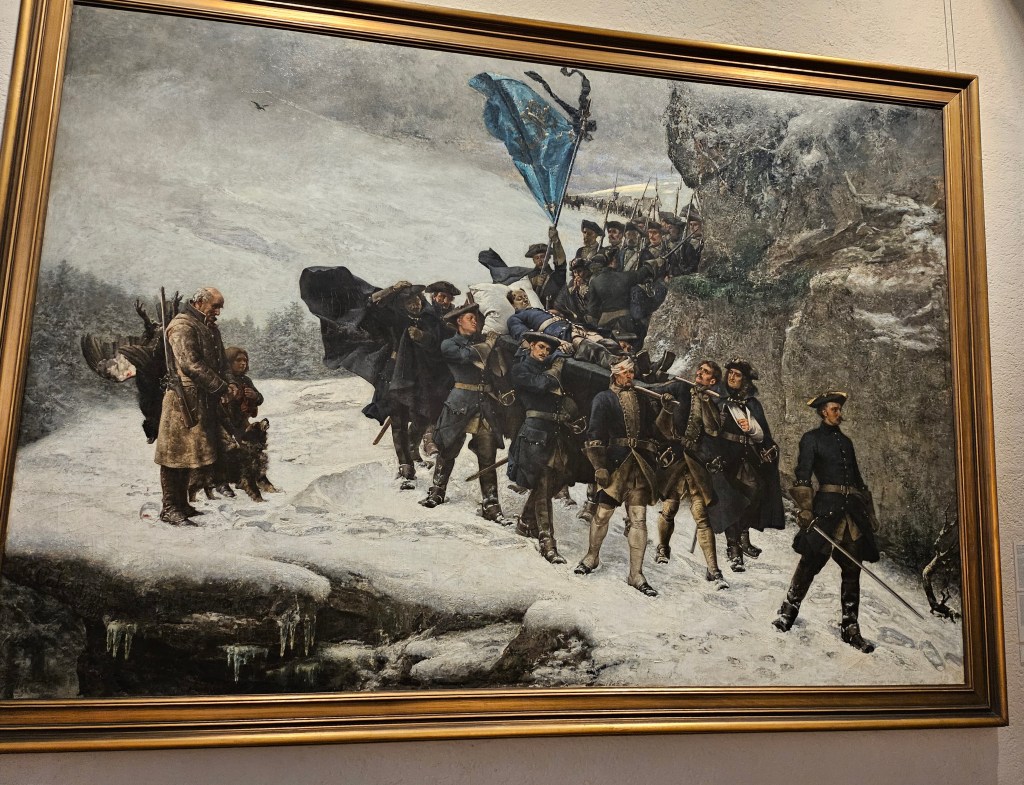
After about an hour in the Maritime Museum, I caught a tram back to the city centre to visit Gothenburg Art Museum, as I had originally intended. By the time I got there, I realised that I would only have about 30 minutes to look round. So I went on a whistlestop tour, just pausing to look at some of my favourite exhibits, including some from their current Apocalypse special exhibition.
I then made my way back to the Nils Ericson Terminal, Gothenburg’s pleasant bus station, to catch a bus to the airport. I was catching a flight at 14:50 to Prague. As this journey was going to be within the Schengen area, as expected, I did not need to go through passport control. However, surprisingly, there was no ID check at the boarding gate, just a quick scan of my ticket. Unlike my flight the previous day to Gothenburg, this one was completely full. There were a large number of Croatian football supporters on board, whose national team was playing against the Czech Republic in Prague that evening. The flight passed directly over the Øresund Bridge linking Copenhagen and Malmö, but thick cloud meant that there were no views of it. However over the Baltic Sea, the clouds parted for a short time to give a good view of Świnoujście in Poland, where I had caught a ferry across the Świna a couple of years previously when travelling along the Baltic Coast.
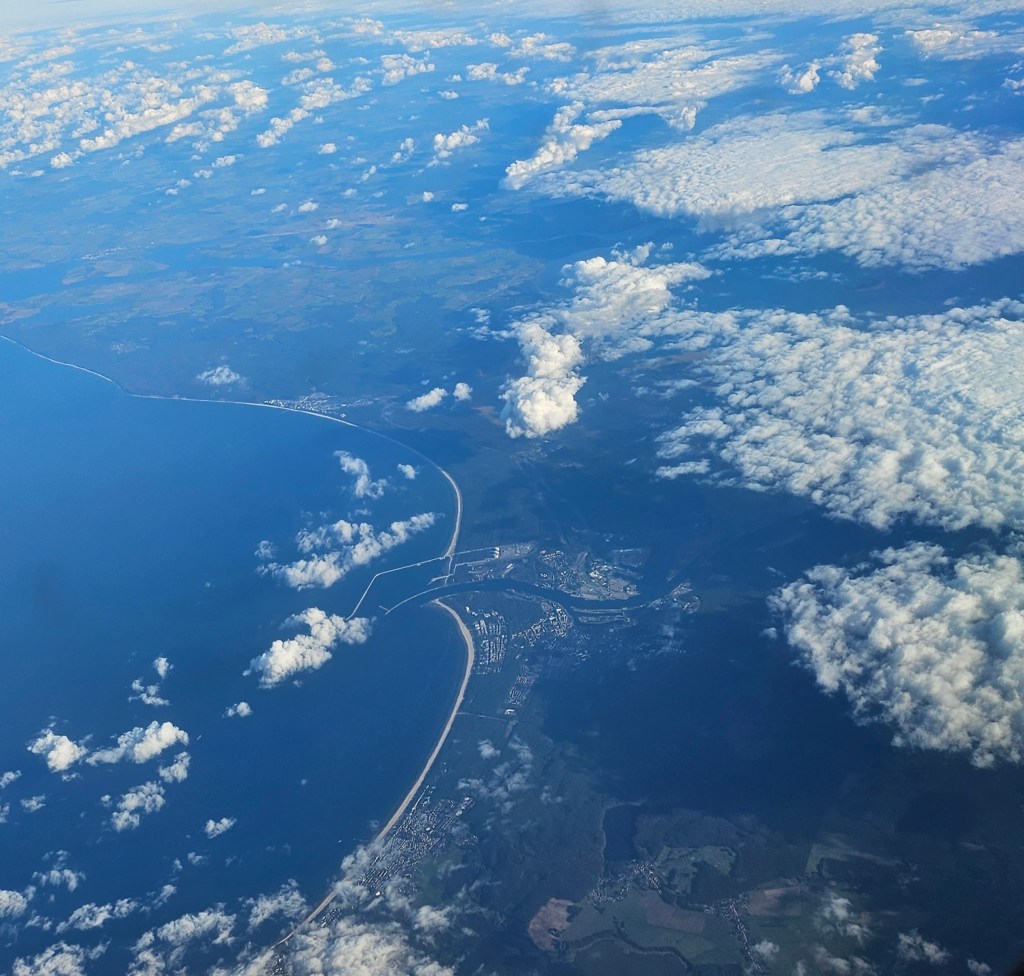
The flight landed in Prague on time at 16:30 and unlike my previous arrivals at Prague Airport, there was no requirement to go through passport control. I have made the journey from Prague Airport to the city centre many times, due to my annual trips to the city to play on the Chess Train, a tournament organised by the Prague Chess Society, which sadly did not survive beyond the Covid era. As soon as I stepped out of the terminal building there was a 59 bus pulling up to take me to Veleslavín metro station. A number of things had changed since the last time I made the journey: the bus was now the number 59 and no longer the 119, it was now a three-part bendy trolley bus, and I had become sufficiently old that I no longer needed to buy a ticket to travel on Prague’s public transport.
From Veleslavín station I caught the metro into the city centre. On this trip I was just using Prague as an overnight staging post, purely because of the availability of flights from Gothenburg going in roughly the direction I wanted. This was my twelfth visit to the city over the course of forty years, so I feel that I have explored it fairly thoroughly in that time. Because I had an early start the next morning, I had booked a hotel very close to Praha hlavní nádraží (Prague’s main railway station). I took a slight detour on leaving the metro to walk up Wenceslas Square, which has being dug up for improvement works. I was disappointed to discover that the memorial to Jan Palach, who self-immolated at the top of Wenceslas Square in 1969 in protest at the Soviet occupation, had disappeared because of the works.

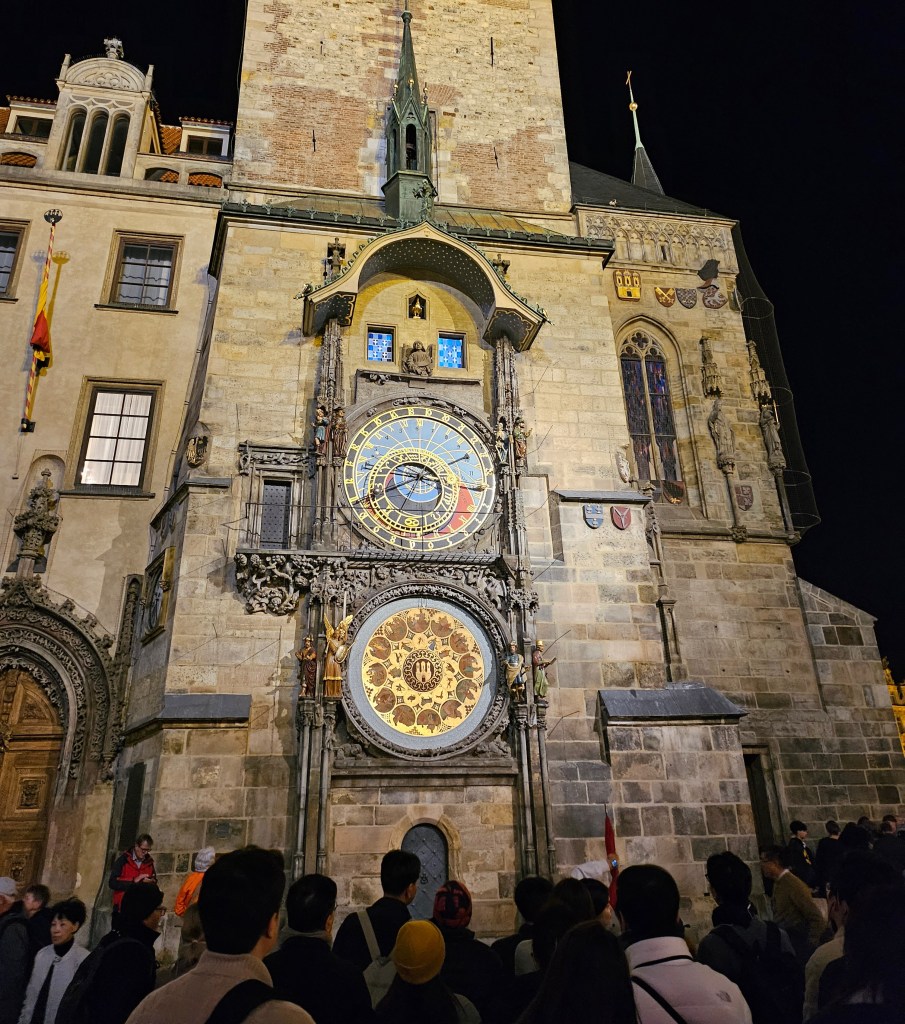
That evening I went to dinner in a restaurant recommended to me by my wife, where she had eaten on a recent visit she had made to Prague. There I dined on goose pâté, followed by beef goulash, along with a couple of pints of draught Krušovice beer. As my time in Prague would be very short, after dinner I went for a wander through the new town and the old town to remind myself of some of the sights. Whenever I have returned to Prague after a number of years absence, I suffer from a form of culture shock from the changes that I witness. This time was no different, the crowds of tourists seemed more voluminous than ever and all the shops have become tacky tourist outlets. Standing in the Old Town Square by the Astronomical Clock, my mind wandered back to my first visit in 1985 when there was hardly anyone else about.
Day 3 – Friday 10th October 2025 – Prague to Graz
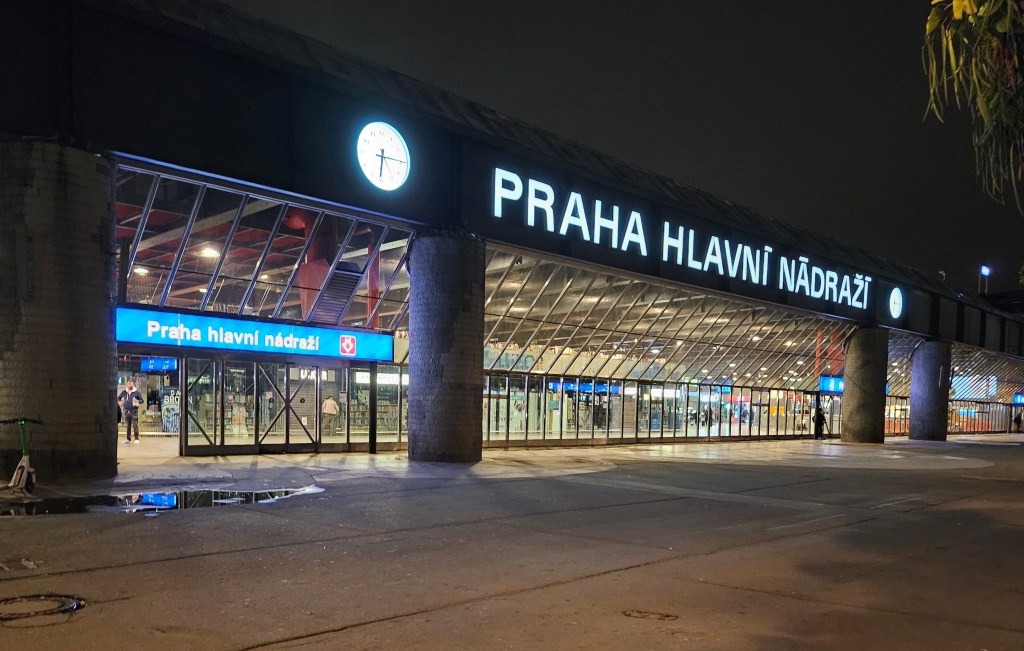
I got up early and walked the short distance to Praha hlavní nádraží to be there in good time for my 06:42 departure to Graz. Before going to the platform from which my train was due to depart, I first went to the far end of Platform 1 to see the Kindertransport Memorial. This is one of three linked sculptures by the artist Flor Kent, which has counterparts at Vienna’s Westbahnhof and London’s Liverpool Street. This sculpture is outside the entrance to the station’s Art Nouveau Government Lounge. It was in this lounge that I used to be served breakfast and receive a final briefing before departing on the Chess Train on the second Friday of October in pre-Covid times – it was again the second Friday in October, but sadly the Government Lounge was now locked and in darkness.

Given that I would be spending about seven hours on the train to Graz, I decided to splash out and travel first class. At the time I booked I got a very good deal from ÖBB (Austrian railways), who were selling Sparscheine advance tickets much more cheaply than ČD (Czech railways) – normally it is ČD who are cheaper, but it always pays to check the prices across different potential vendors. However, before I got on the train, which was a ČD Railjet service, I spotted a potential problem. My seat reservation was for a carriage number which didn’t exist and the seat number was higher than the biggest seat number in first class – I can only assume that when ÖBB sold me the ticket they had issued a seat reservation for the layout of the ÖBB trains that also run on this route.
Once I got on board I found an unreserved seat and sat in it. When the conductor came through the carriage, I stopped him and showed him my non-existent reservation. He retrieved a look-up table on his phone which translated from ÖBB to ČD reservation numbers. This told me that my seat was in the the next carriage, which was shared with the Dining Car, but the conductor told me that I could stay where I was if I preferred, as the seat was unreserved. Rather than staying put, once it became clear that some of the single seats opposite which had been reserved from Prague were not being used, I transferred to one of those. Shortly afterwards the dining car attendant came round taking orders for breakfast. The early hour meant that discounted ‘happy hour’ prices applied, so I ordered the ČD ‘City’ breakfast. This was served to my seat a short time later, with proper crockery and metal utensils. It consisted of a generous spread of ham and cheese, with lovely fresh bread and rolls, and a freshly brewed cup of coffee.

The line out of Prague, via Pardubice and Brno, is fairly familiar to me and as we passed through some of the intermediate stations I recalled the previous occasions that I had got off at them. Shortly after departing from Břeclav the train crossed the border into Austria and it was not long before it was crossing the several channels of the Danube to arrive at Vienna Hauptbahnhof. Here most of the passengers got off, only to be replaced by even more getting on, such that the first class carriage I was in was nearly full. Prior to arriving in Vienna, I had researched which side of the train to be to get the best views when travelling on the upcoming Semmering railway, which caused me to switch back to the seat that I had originally occupied on departure from Prague.
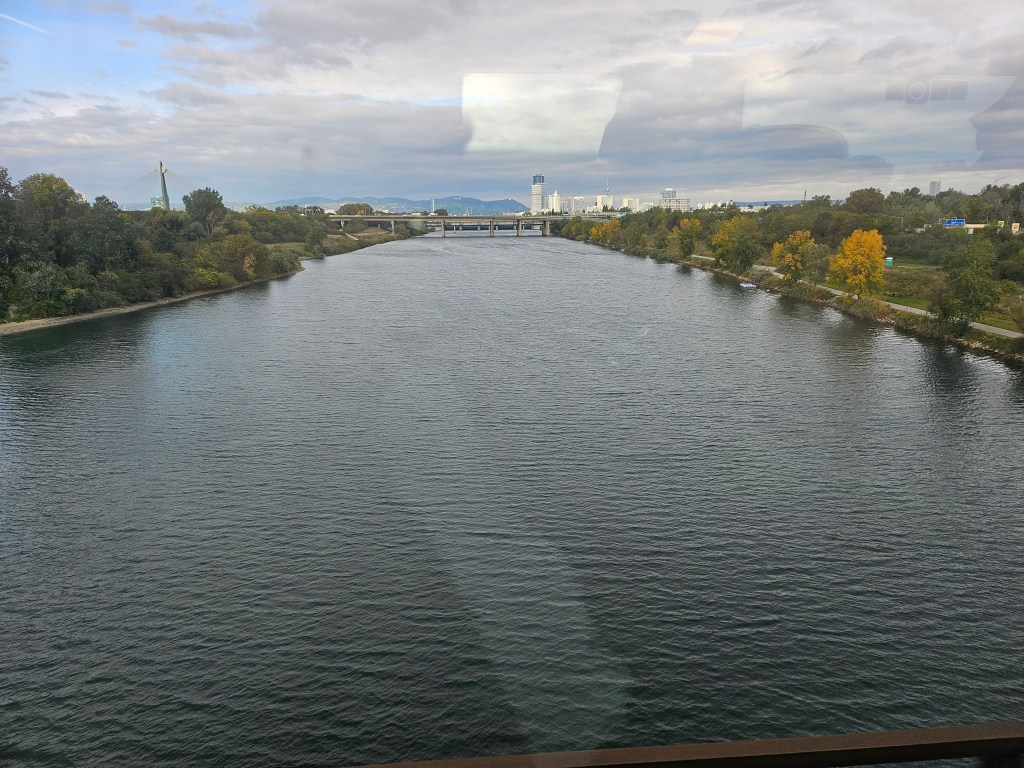
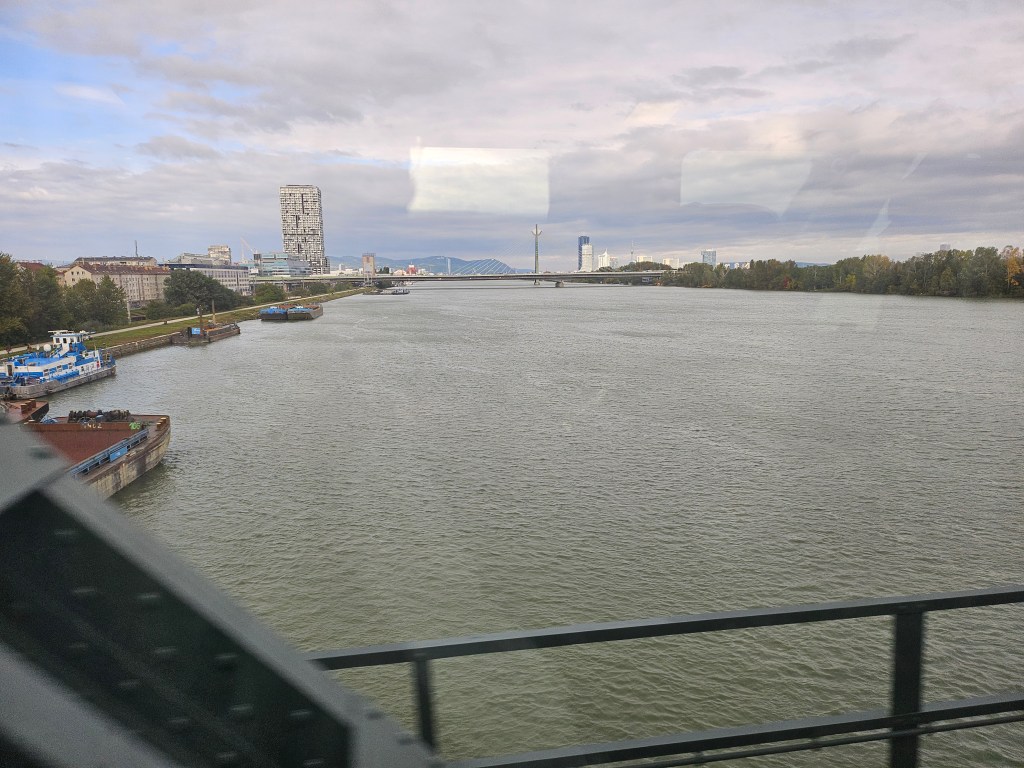
Not long after we left Vienna Hauptbahnhof, while still in the Vienna suburbs, the train ground to a halt and there was an announcement that we had stopped because of people on the tracks ahead. After about twenty minutes the train was allowed to proceed, but initially only at walking pace while sounding its horn every few seconds.
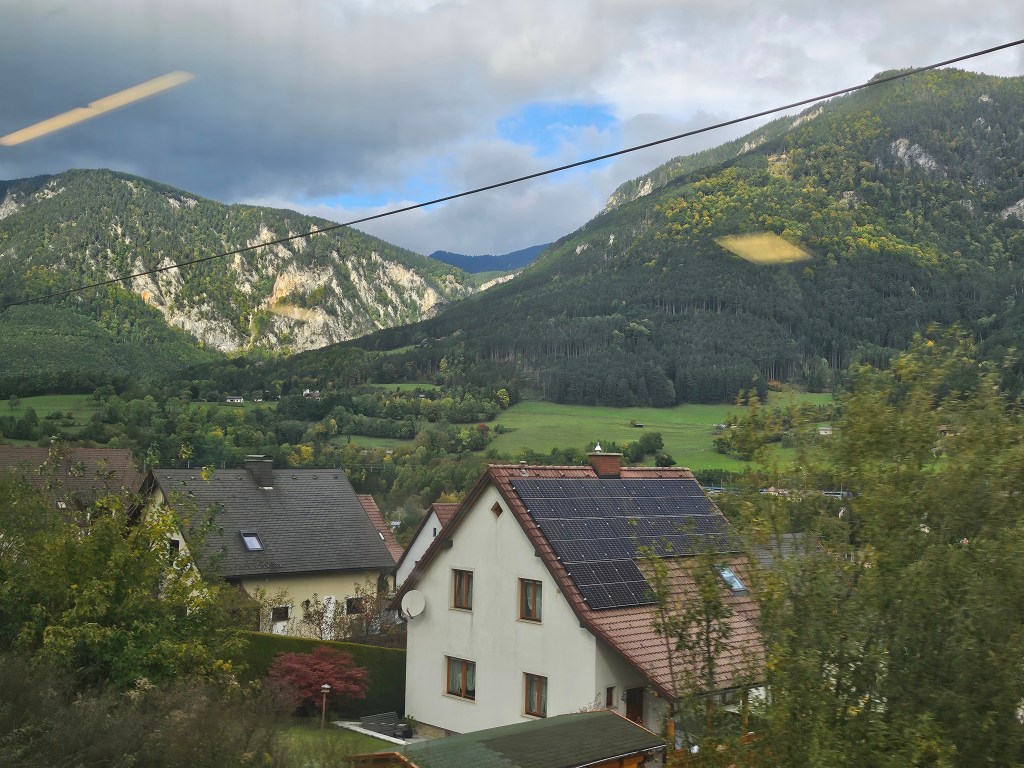
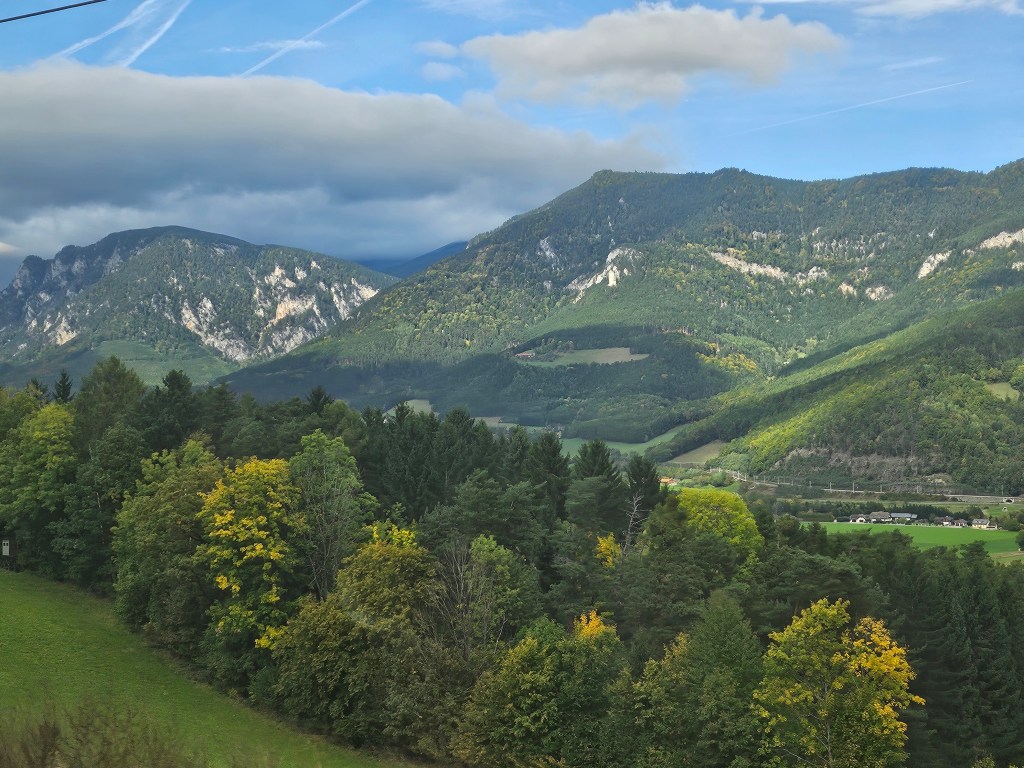
After the train stopped at the station at Wiener Neustadt, the line began to climb and once it reached Gloggnitz, the Semmering railway began. This line, opened in 1854 as the world’s first standard gauge mountain railway, consists of 14 tunnels and 16 viaducts to go over the Semmering Pass in the Styrian Mountains, and is a UNESCO World Heritage site in its own right. I was pleased that I had swapped seats to get the best view of the scenery, but had the feeling that being on the train was not the best place to appreciate fully the engineering marvels of the line. The good news was that the train managed to recover from some of the delay it had encountered on leaving Vienna, and pulled into the modern Graz Hauptbahnhof just 11 minutes late at 13:44.
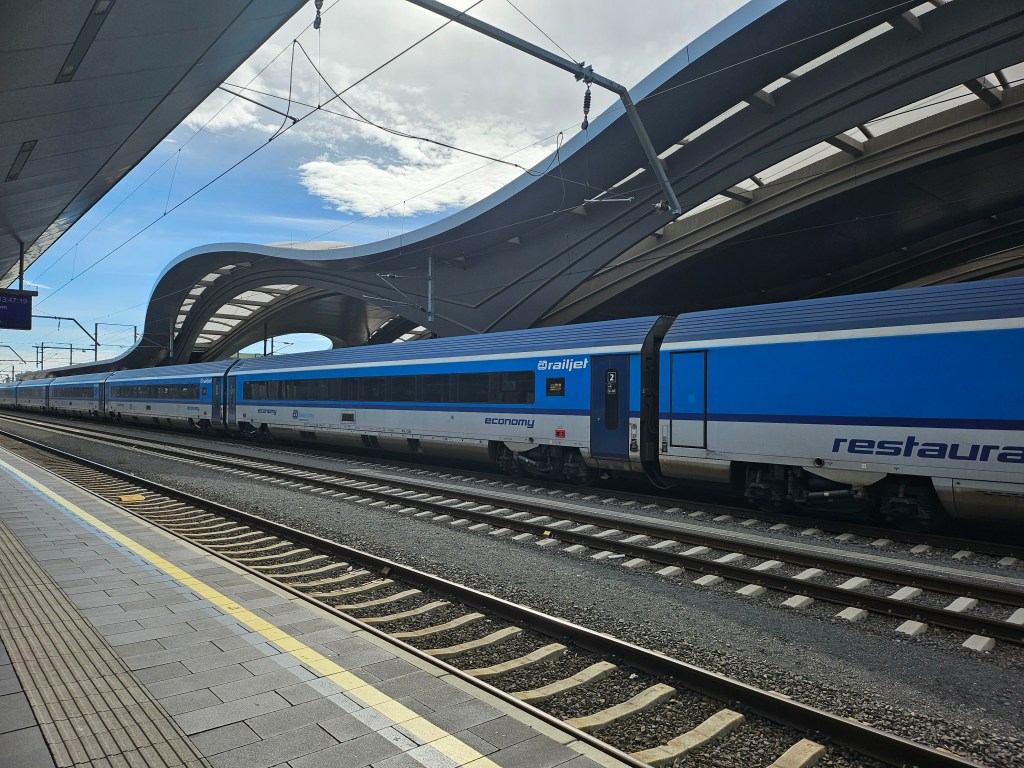
Normally when arriving somewhere new, I like initially to walk to where I am going to get a feel for the layout of the city. However, I realised that the constraints of the itinerary for this trip meant that I had allowed far too little time in Graz, so upon exiting the station I bought a 24 hour city travel pass to speed up my travelling around.
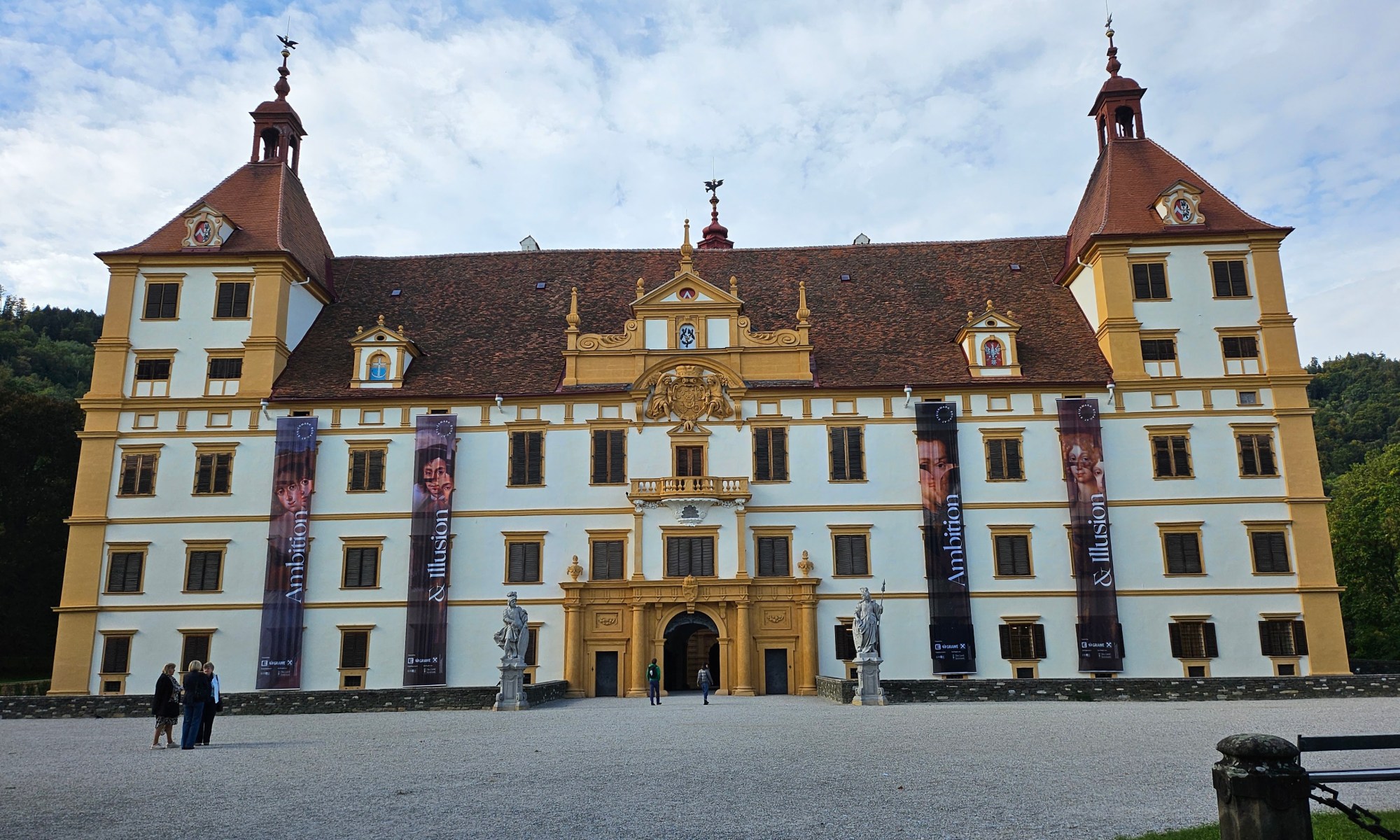
My first stop was at Schloss Eggenberg, located in its own grounds on the western edge of Graz. At the time of my visit much of the Schloss was given over to a special multi-media exhibition “Ambition & Illusion” telling the story of the Eggenberg family, from Hans Ullrich, who was responsible for building of the current palace in the 17th century through to the extinction of the direct family line 150 years later. As advised by the Schloss website, I had bought in advance a timed ticket for this exhibition, but chose a later entry time than I ideally would have liked in case my train was delayed. As it turned out I arrived at Schloss Eggenberg well before my timed ticket for the exhibition was valid, so initially I explored the extensive gardens. I then went to enquire if I could enter the exhibition in the main building of the palace early – as they were not very busy on that afternoon, it was not a problem.

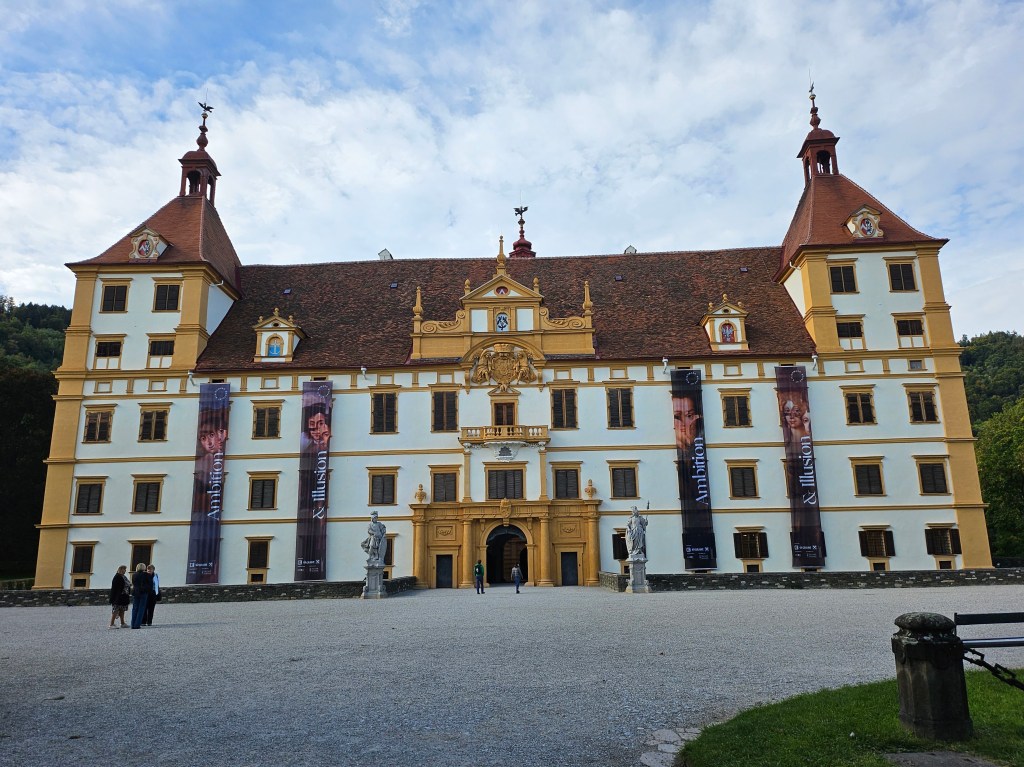
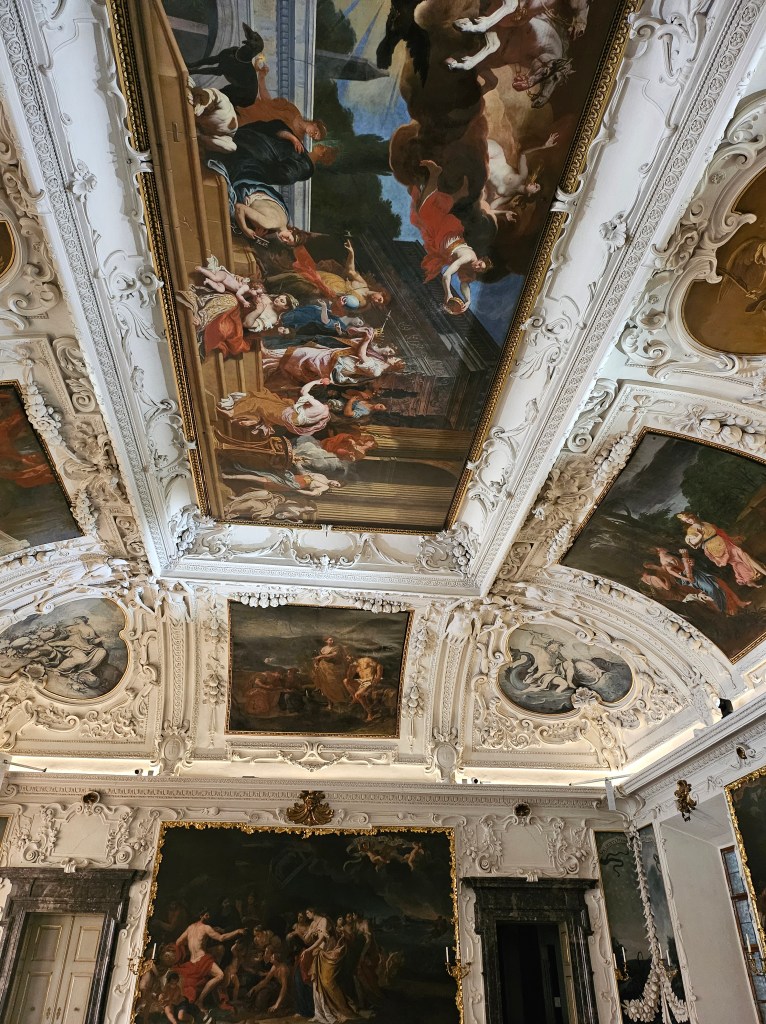
I thought that the “Ambition & Illusion” exhibition was very good. Hans Ullrich von Eggenberg, who had the current palace built, was an arch political operator, carefully managing the favours of both the Catholic and Protestant hierarchies that held power at the time in this part of Europe. He was also an enlightenment figure – the design of the palace was based on astronomical principles. The palace has 365 exterior windows, one for each day of the year. Of these, 52 are on the principal floor representing the weeks in a year. The second floor contains 24 state rooms in a ring-shaped arrangement which symbolize the hours in a single day. Every floor in the building has 31 rooms representing the maximum number of days in a calendar month. The 52 windows of state rooms together with the 8 windows of the central Planetary Room make a total of 60, representing both the number of seconds in a minute and minutes in an hour. Hans Ullrich von Eggenberg brought the astronomer and physicist Johannes Kepler to Graz for six years, after which Kepler left to work with Tycho Brahe in Prague. As well as the special “Ambition & Illusion” exhibition, the Schloss also contains an extensive art gallery. Within the gardens of the Schloss, there is an archaeology museum where I went when I had finished in the main building. As time was pressing, I had a relatively cursory look round the exhibits in the archaeology museum.

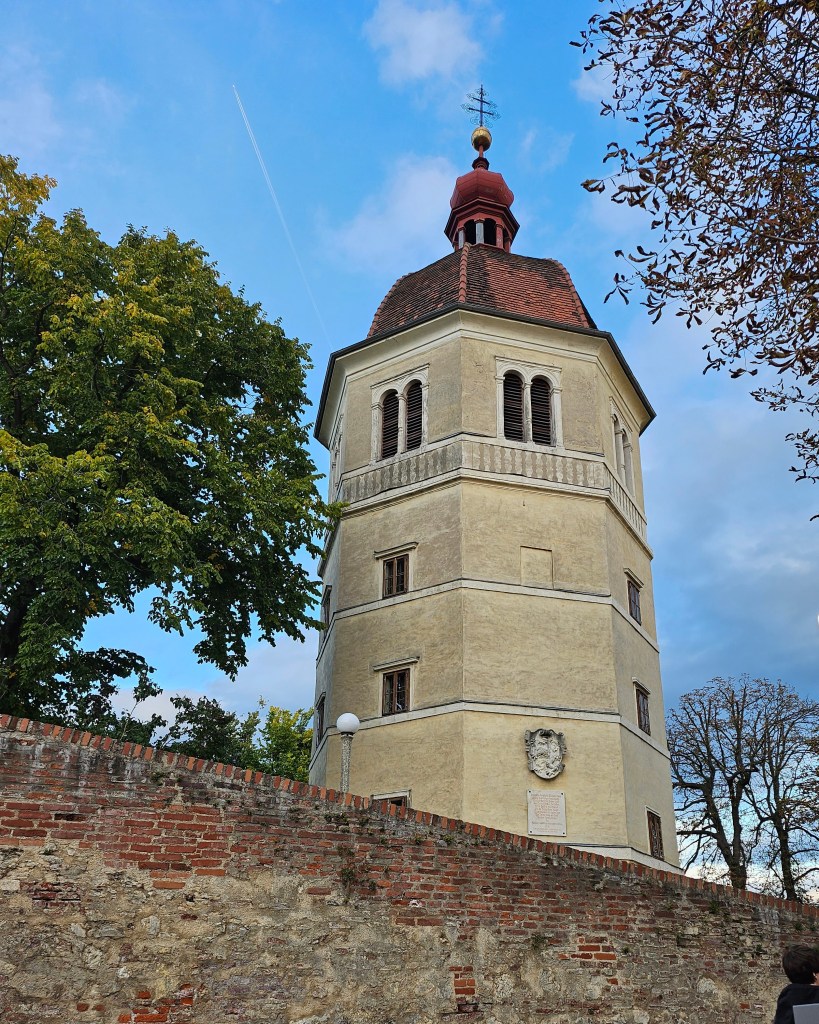
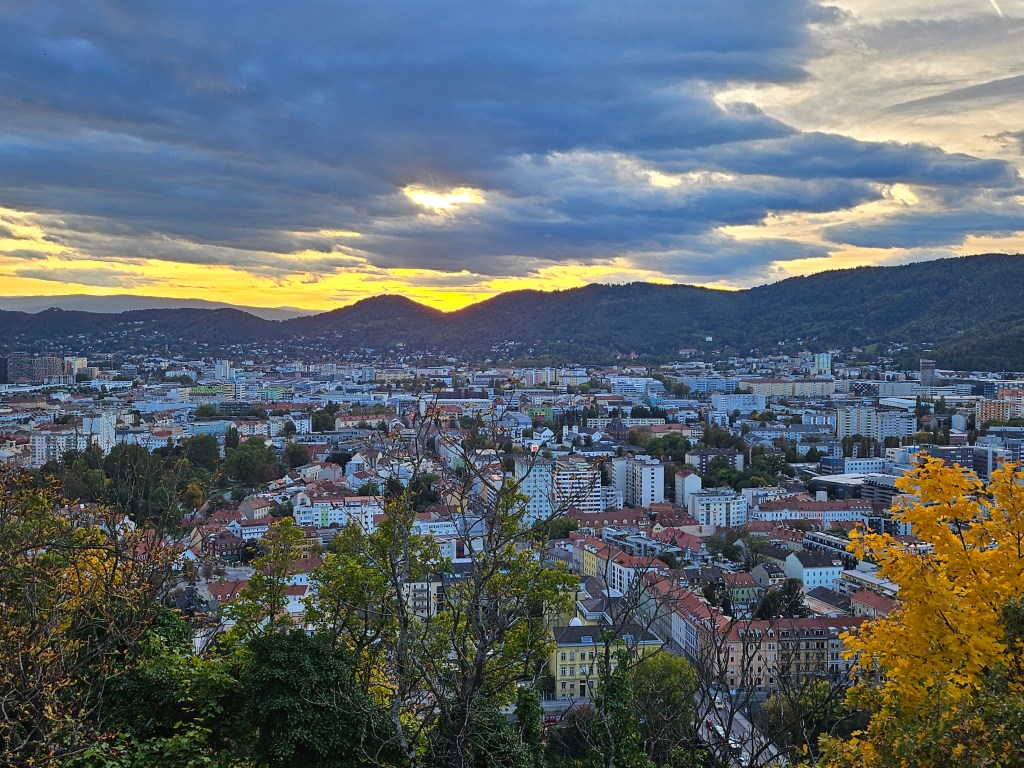
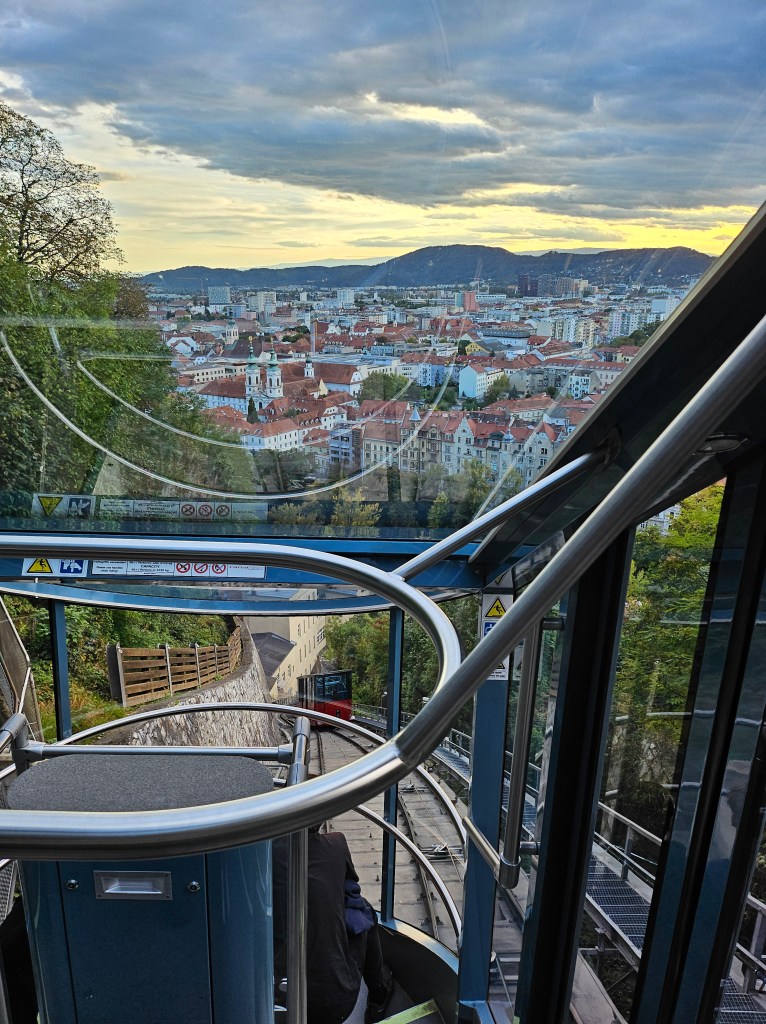
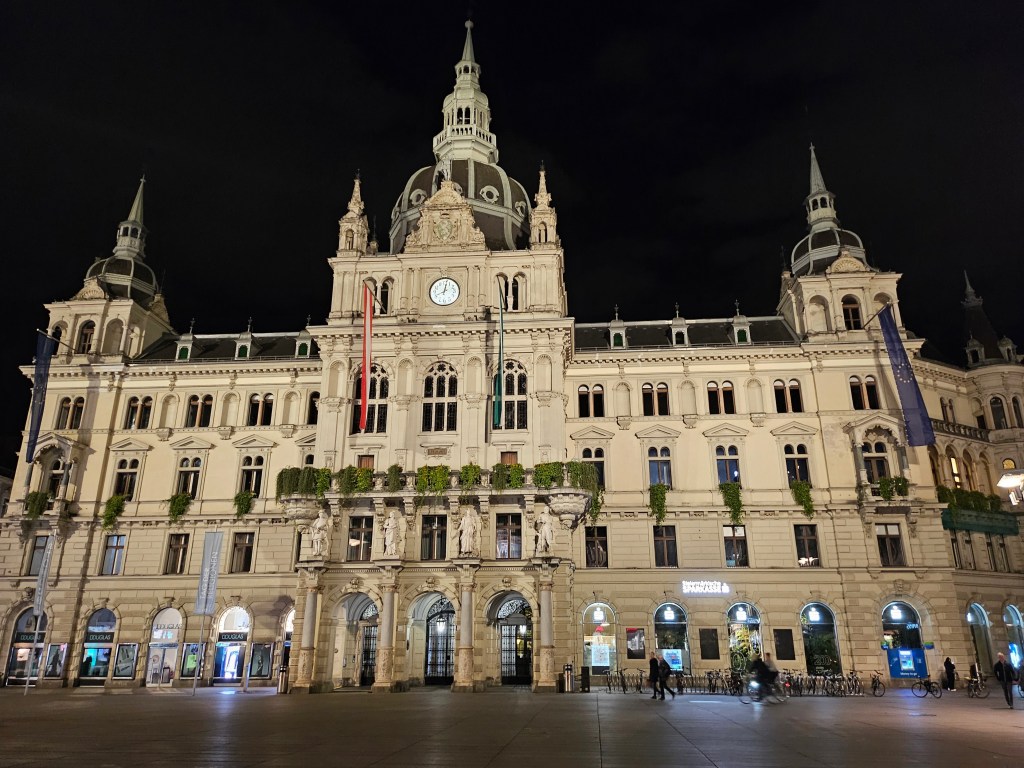
I then caught a tram back into the city centre, which dropped me off in Graz’s main square by the town hall. From there I walked a short distance to the bottom station of the funicular railway which takes you up the Schlossberg, the mountain which dominates the centre of Graz. The Schloss on the Schlossberg should not be confused with Schloss Eggenberg, as they are on opposite sides of the city. Another reason for buying a transport pass for the city is that the funicular railway is included in it at no extra cost. There were quite a lot of people waiting to go up the Schlossberg when I arrived, so I had to let one train go before I could board the next. At the top, as well as the remains of the original castle there are bars and restaurants. There were good views over the centre of Graz in the now fading light.

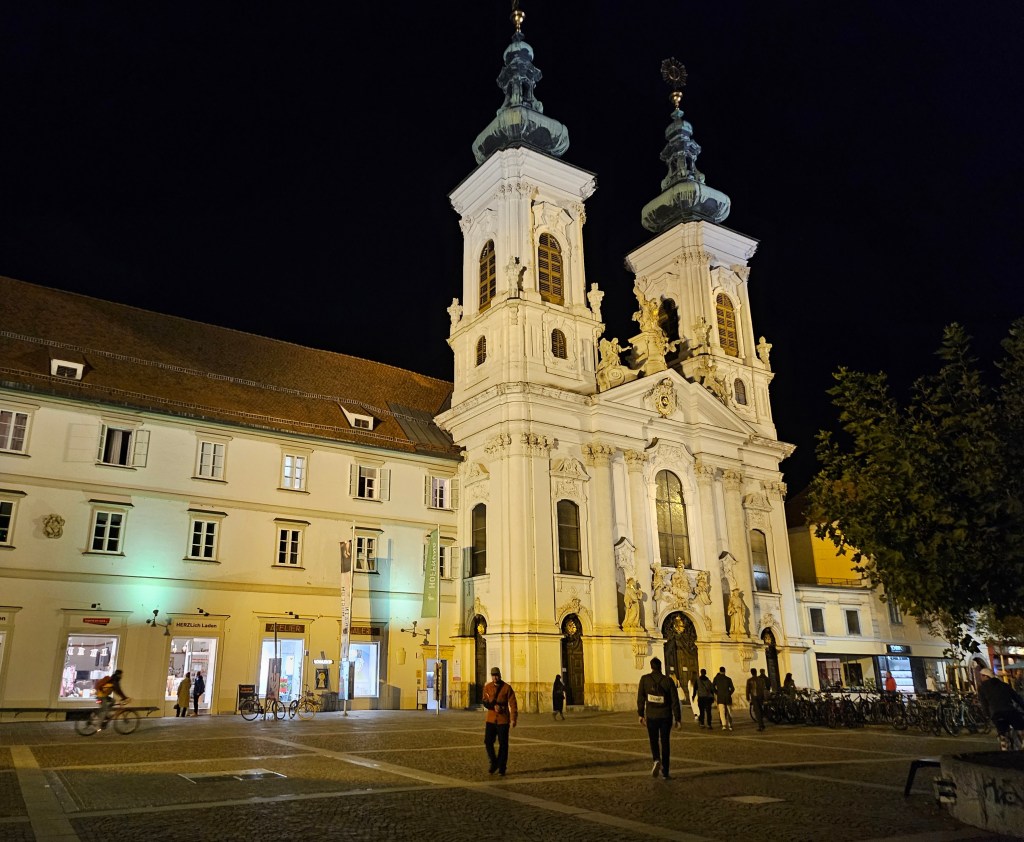
After I returned to the city level, there was just time to go to my hotel before I needed to head out again to the restaurant where I had booked a table for dinner. This was a fairly small, but very busy establishment, presided over by a sole elderly waiter, who may have been the proprietor. Here I dined on pork Cordon Bleu, followed by Styrian ice cream. After dinner I took a walk in the dark, along the banks of the Mur river to see some more of Graz.
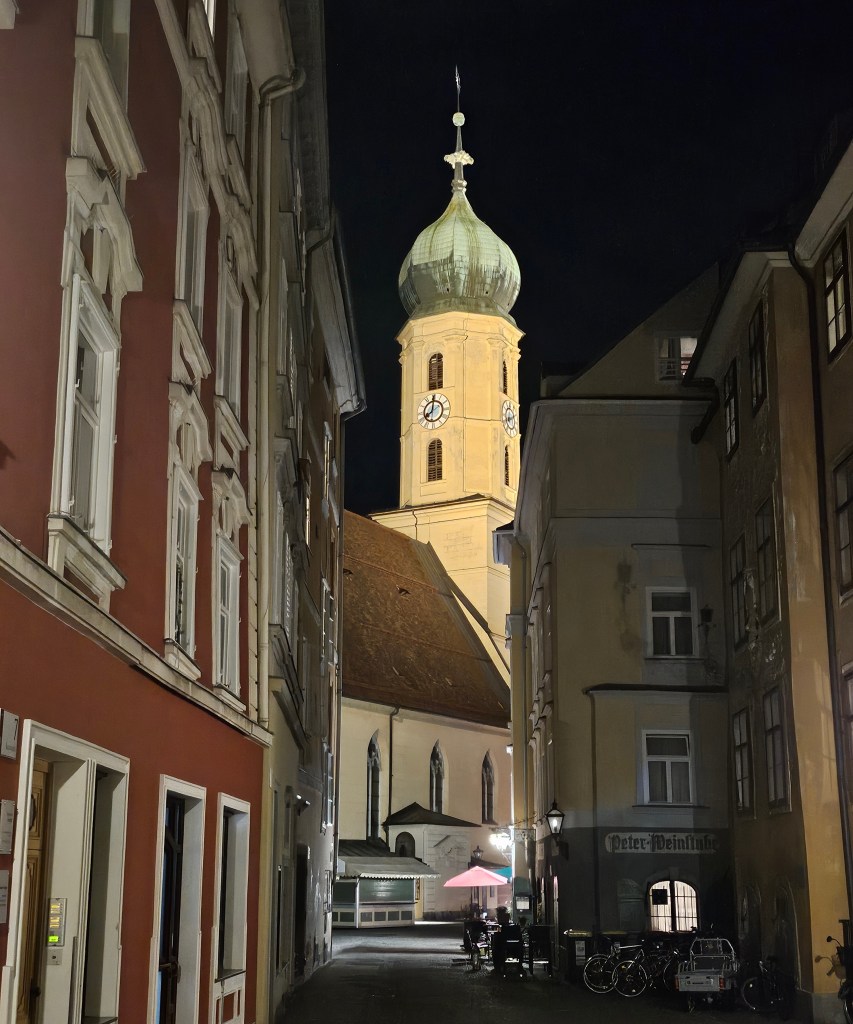
Day 4 – Saturday 11th October 2025 – Graz to Maribor
Having just missed a bus, I decided to walk from my hotel to Graz Hauptbahnhof, which took about 15 minutes. Even though I arrived in good time, the Slovenian Railways train to take me to Maribor was already waiting in the platform. By the time it left at 08:38 it had filled up considerably and it gained more passengers in Austria as it made its way towards the Slovenian border. Parts of the line are single track and the train was delayed for a while waiting for a section to clear, but it recovered this lost time and arrived in Maribor on schedule at 09:31.
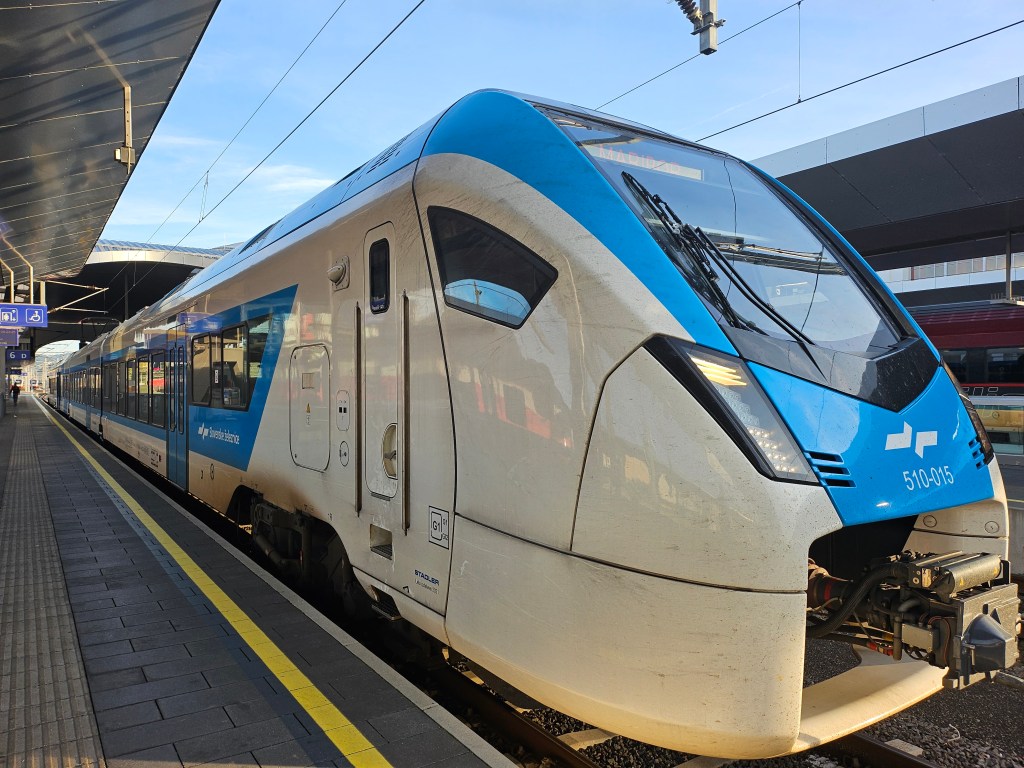
I had time to visit the Tourist Information Centre to pick up a map, before the attractions I wanted to visit opened. My first call was at the Museum of National Liberation, as on a Saturday it is only open until noon. The museum is located in a former villa, which was built by the Scherbaum family, local business people of German origin, at the end of the 19th century. The museum covers the recent history of the city. When it was in the Austrian Empire until the end of World War I, Maribor was known as Marburg. Although initially contested by Austria, Maribor joined the Kingdom of Serbs, Croats and Slovenes in 1919 and most of the large majority German speaking population left. During World War II Maribor was incorporated into the German Reich and the Nazis attempted to make it a German city again. Much of Maribor was destroyed in the fighting towards the end of World War II, after which it became part of Yugoslavia and most of the Germans were expelled. Slovenia became an independent country in 1991 and Maribor is its second largest city.
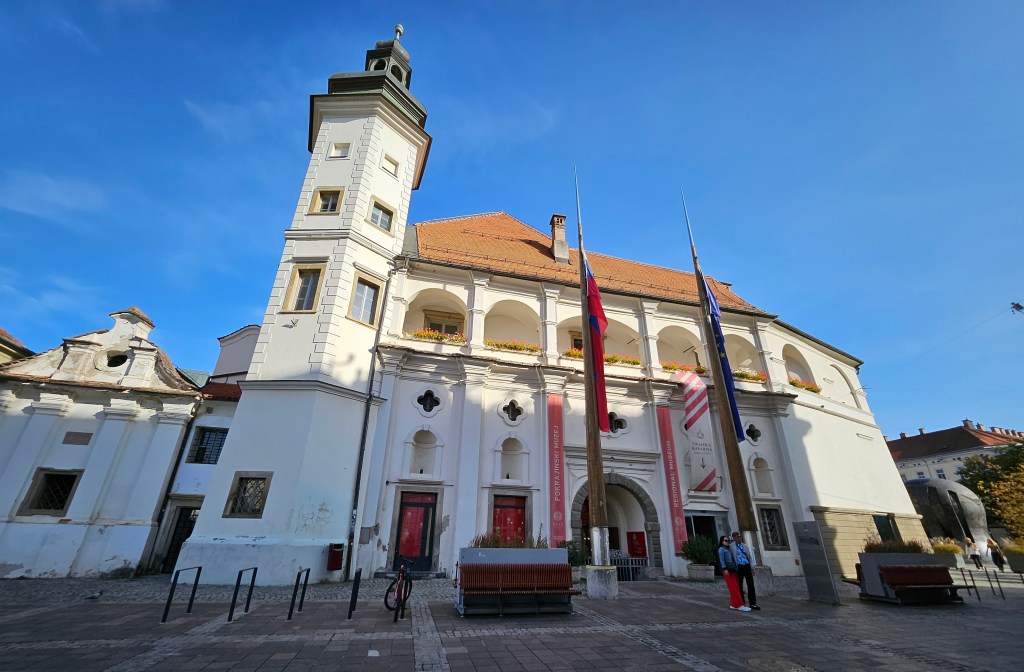
Next I went a short distance down the road to Maribor Castle, which is more like a palace than a castle, and these days contains the Maribor Regional Museum. Here I bought a ticket covering three museums in Maribor. The Maribor Regional Museum tells the story of the city and surrounding area from prehistoric times to roughly where the Museum of National Liberation takes over at the end of the 19th century. As well as the exhibitions, you can admire the building in its own right, built around a central courtyard. The Festive Hall on the first floor has a decorated ceiling, and you can look into the Loretto Chapel.
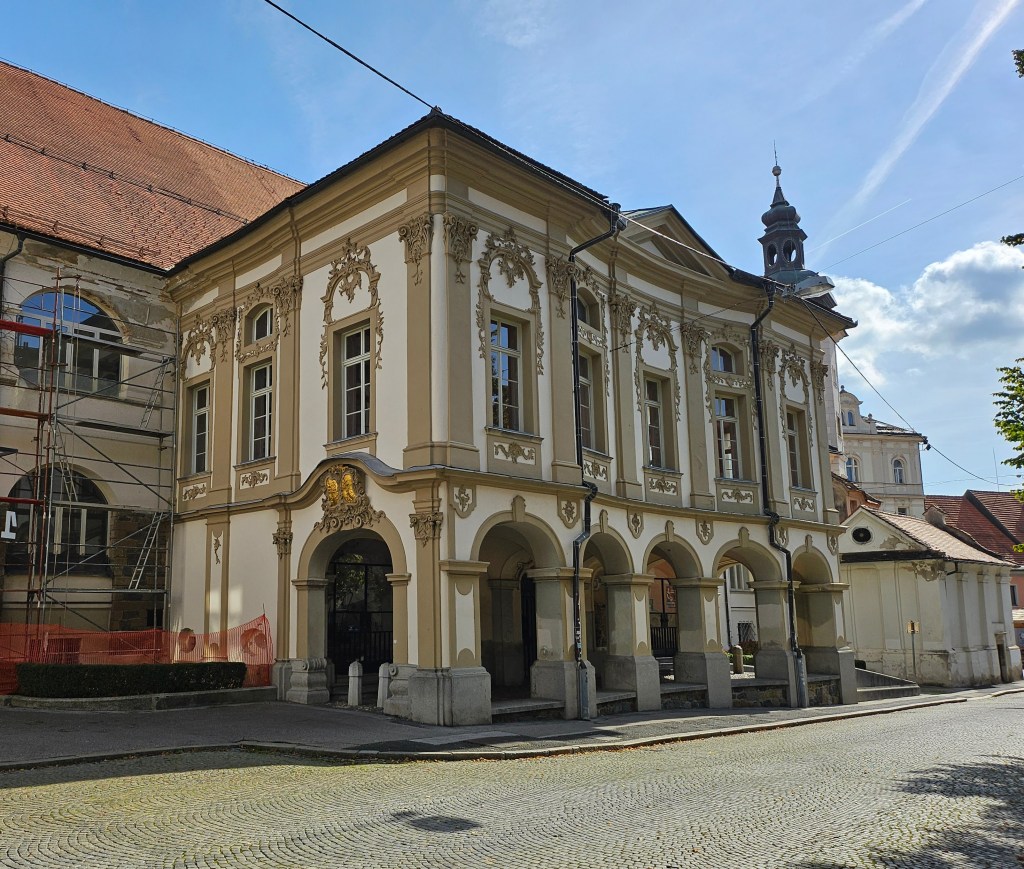

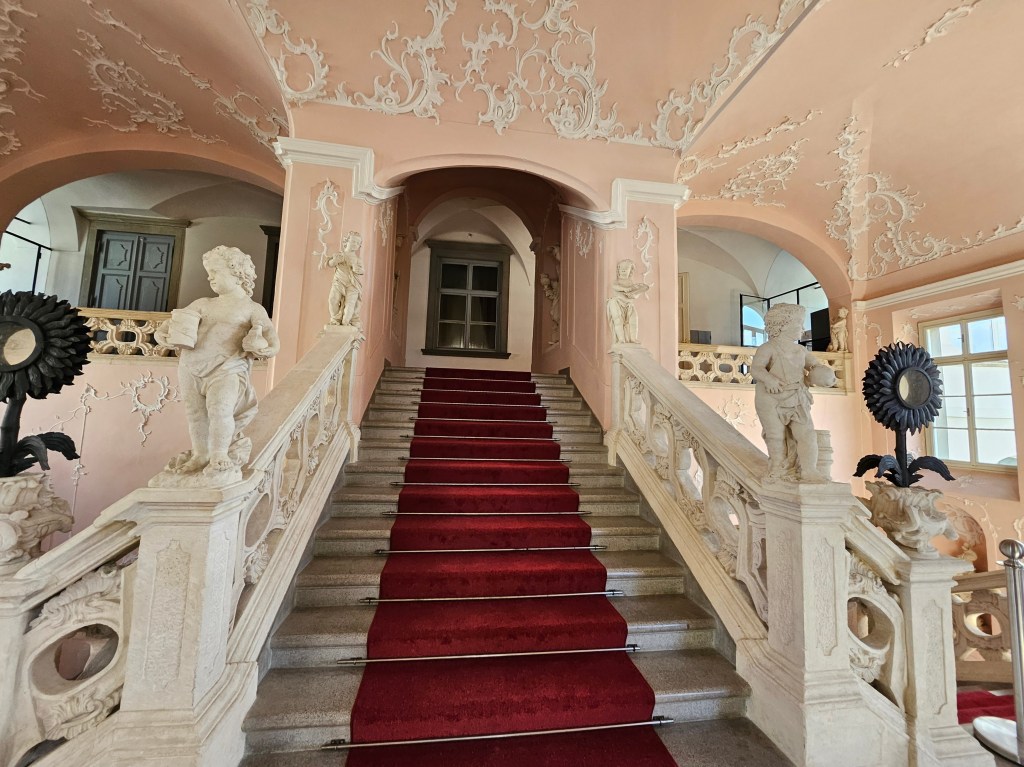
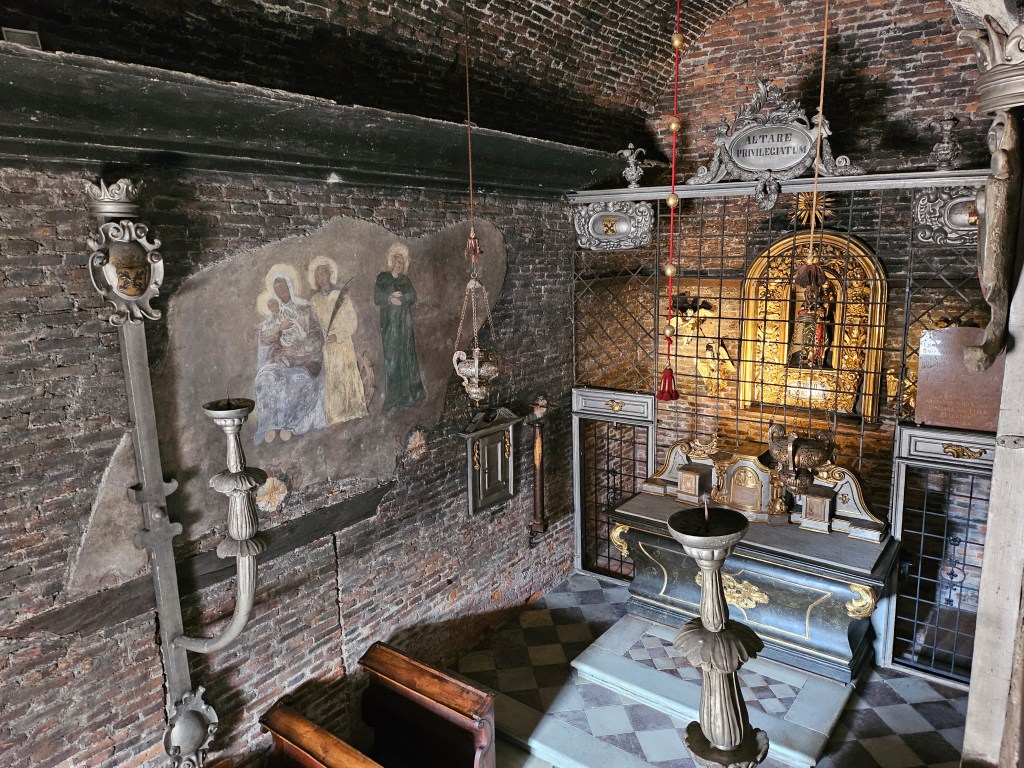
Near Maribor Castle is the Kino Partizan, a former cinema, which acts as the storage depot for the Regional Museum’s furniture collection. It also houses temporary exhibitions. At the time of my visit, there was an exhibition of the works of the artist Eduard Lind, a long-time resident of Maribor who originated from Hamburg. He specialised in portraits of Marburg’s 19th century middle class. What he lacked in talent, he made up for with his prolific output, providing a unique profile of the city’s bourgeoisie. He remained single throughout his life and managed to obtain so many commissions by charging rock-bottom prices, just earning enough to survive by himself.
After I had finished in the Kino Partizan, I walked down towards the Drava river. It was sufficiently warm that I bought an ice cream to eat as I went, and finished it while admiring the town hall square, where there is a plague column.
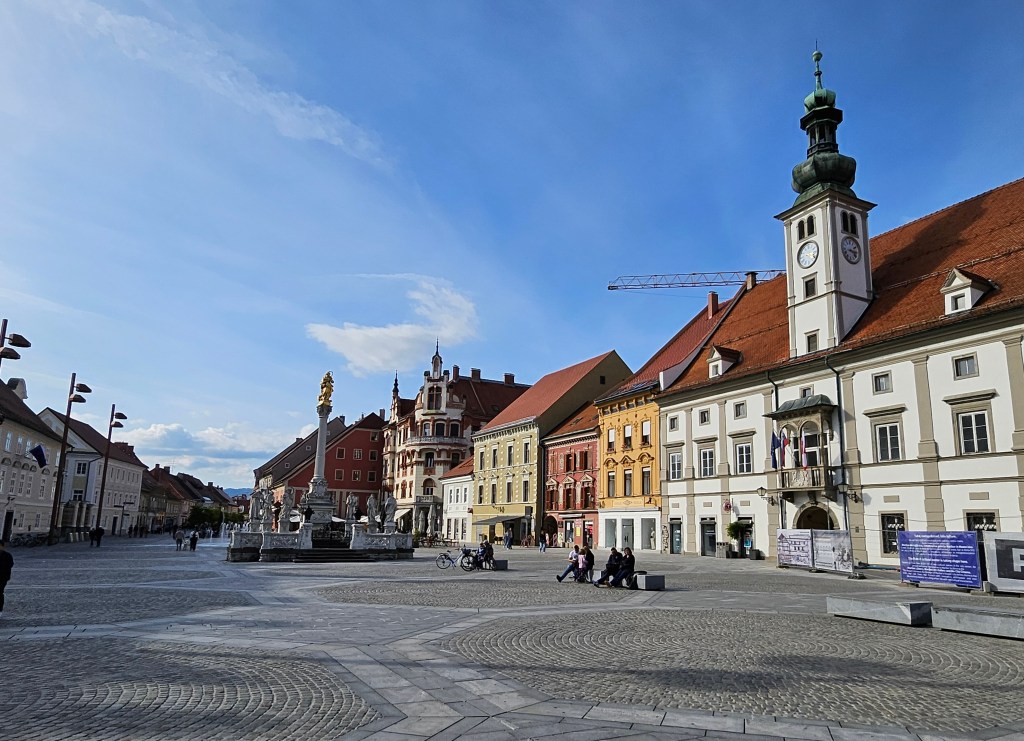
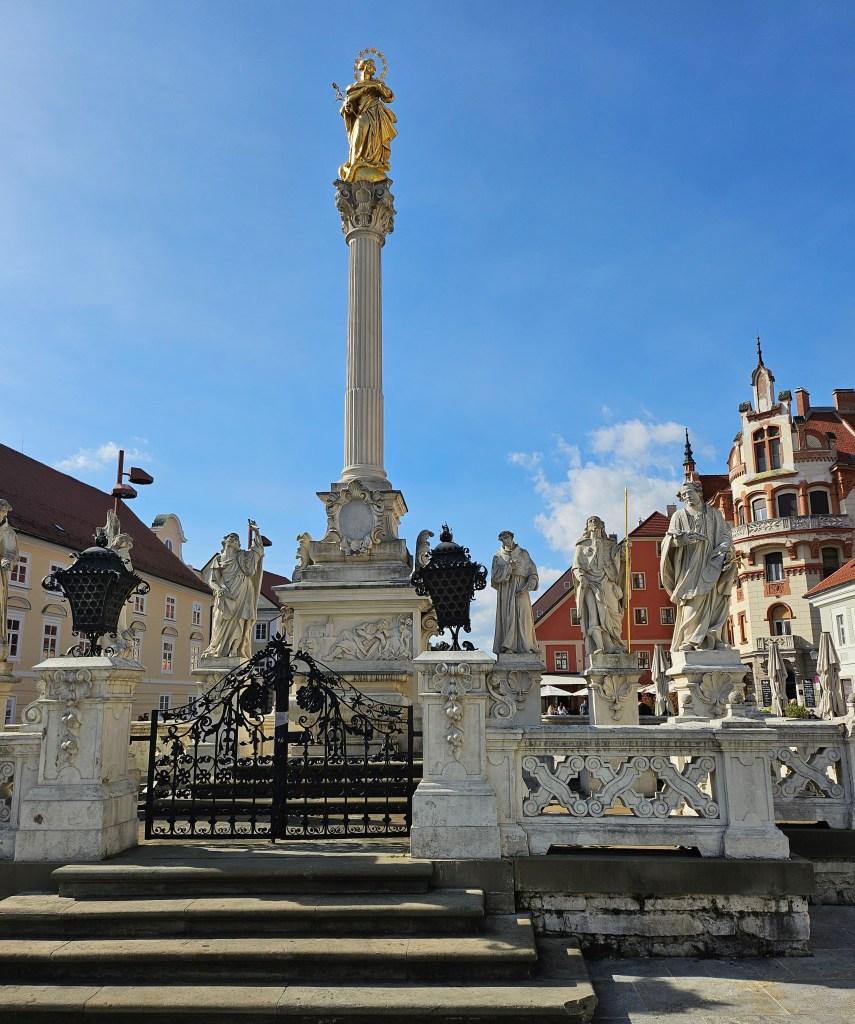
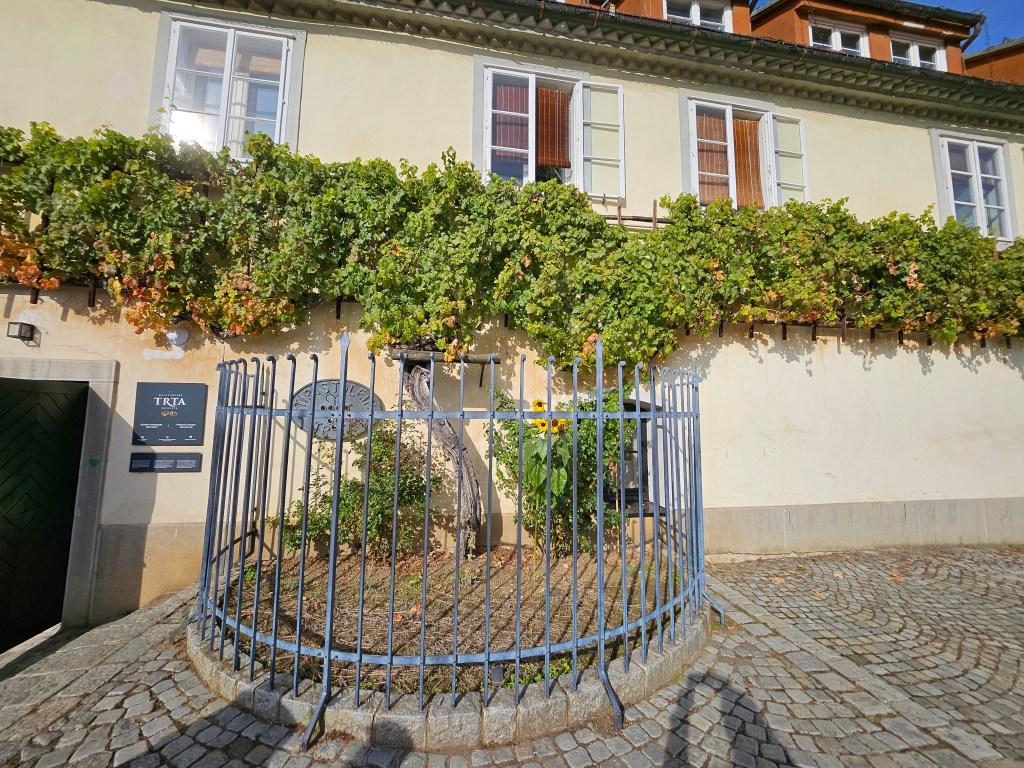
On the north bank of the Drava, on the side of a building is a vine, which claims to be the oldest surviving vine in the world. Although grapes still grow on it every year, they are no longer capable of producing a drinkable wine. Near the world’s oldest vine is a museum, which tells the history of Styrian wine making. This museum was included in the ticket that I had bought at Maribor Castle. After I had watched an introductory film and looked around the exhibition, I was invited to have a free glass of Styrian wine. The selected wine had been chosen as the ‘queen’ wine of the Maribor region for this season – it was a slightly sweet white wine, which was very pleasant to drink.
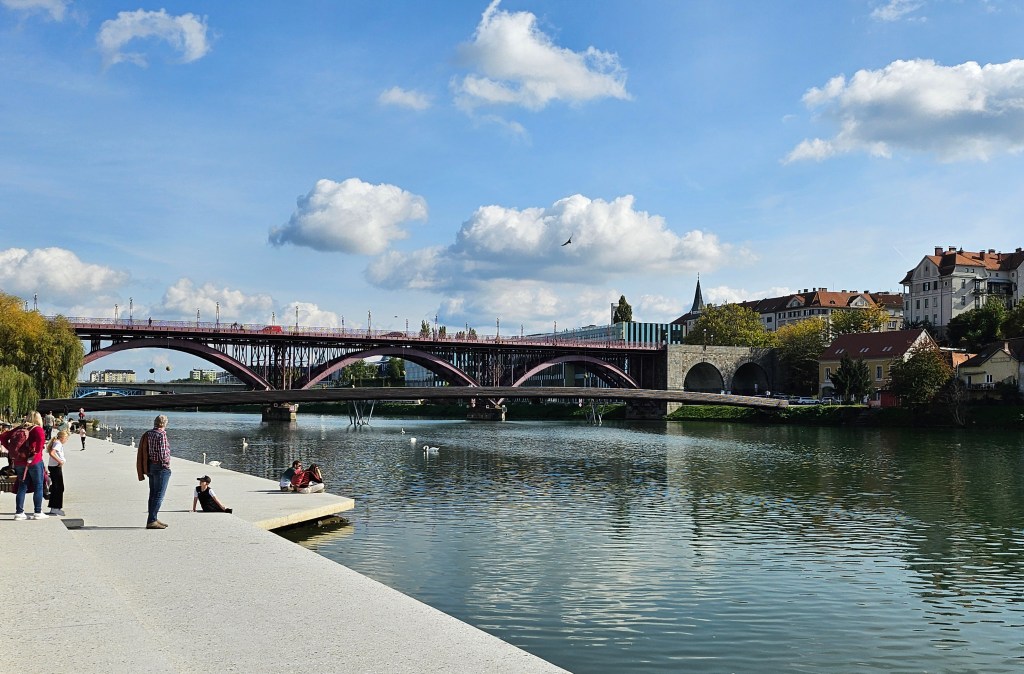
I then continued to explore Maribor. I walked along the bank of the Drava and then across the river on a pedestrian footbridge. After a short look around on the south side of the river, I returned via the road bridge. A slight detour brought me to Maribor’s former synagogue, which is is now used as a cultural centre, but was shut at the time I was there. I then went through the Mestni (Town) Park, before deciding to climb Pyramid Hill.

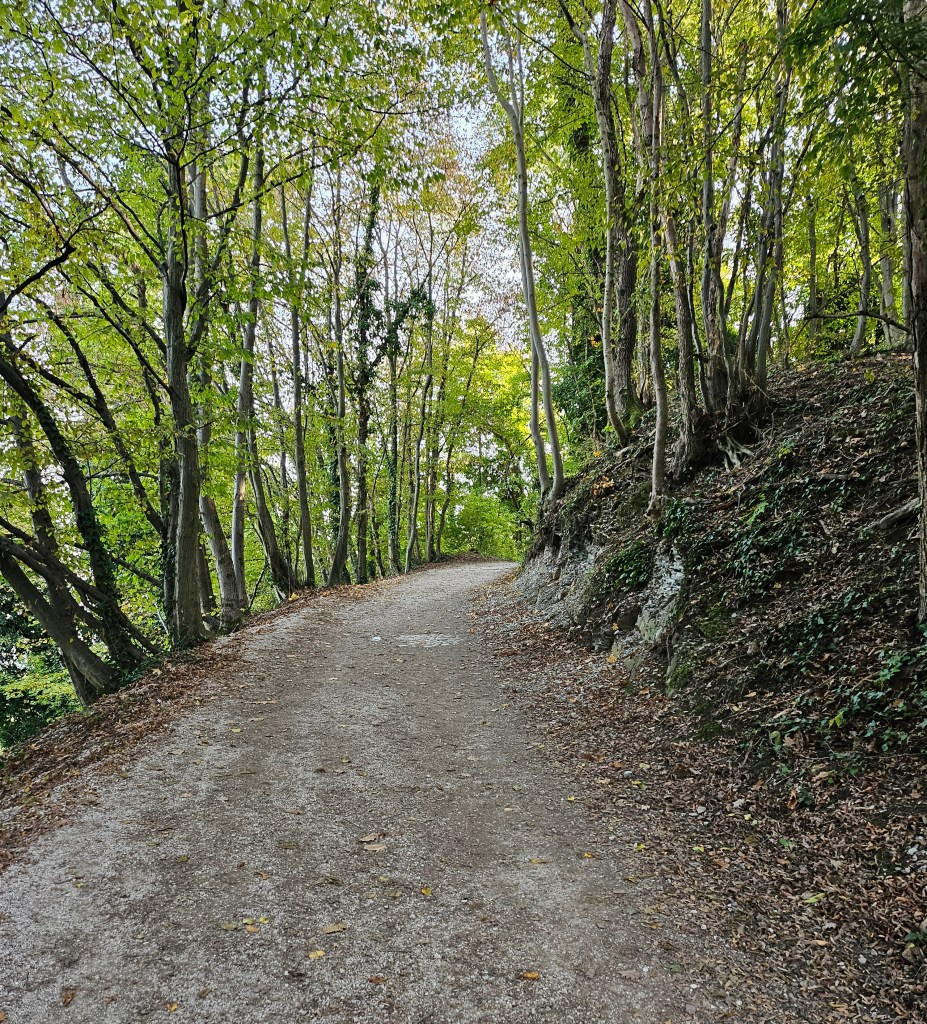
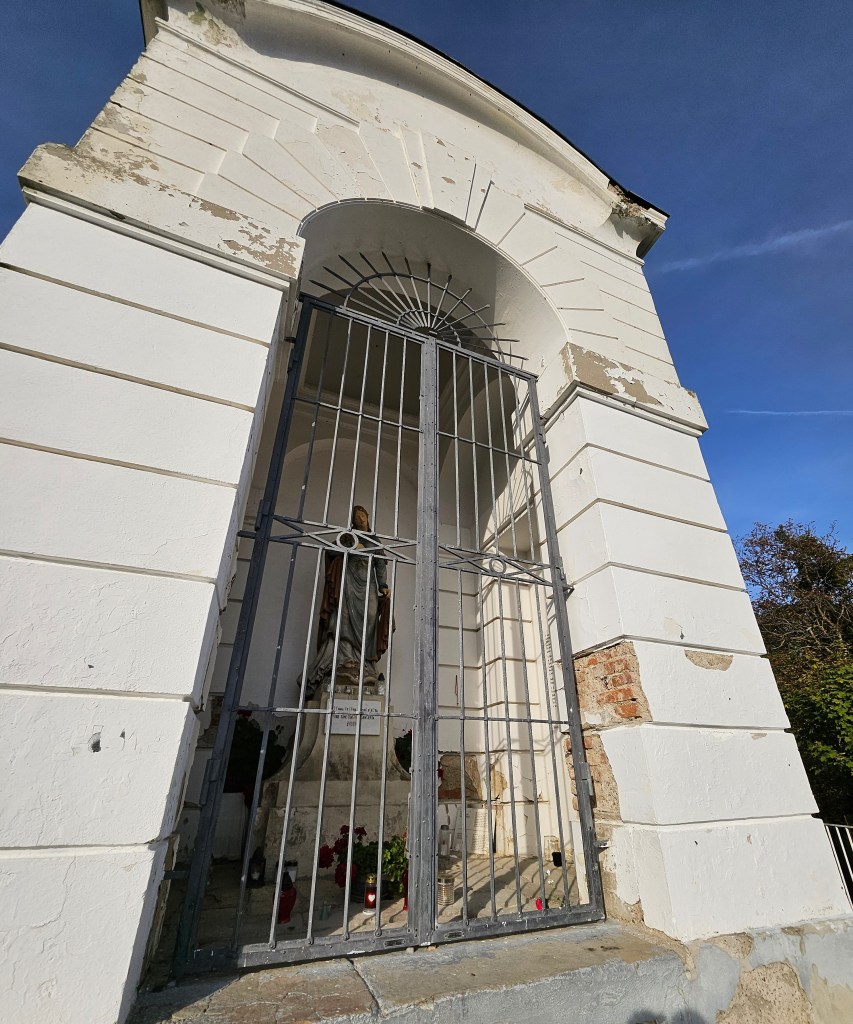
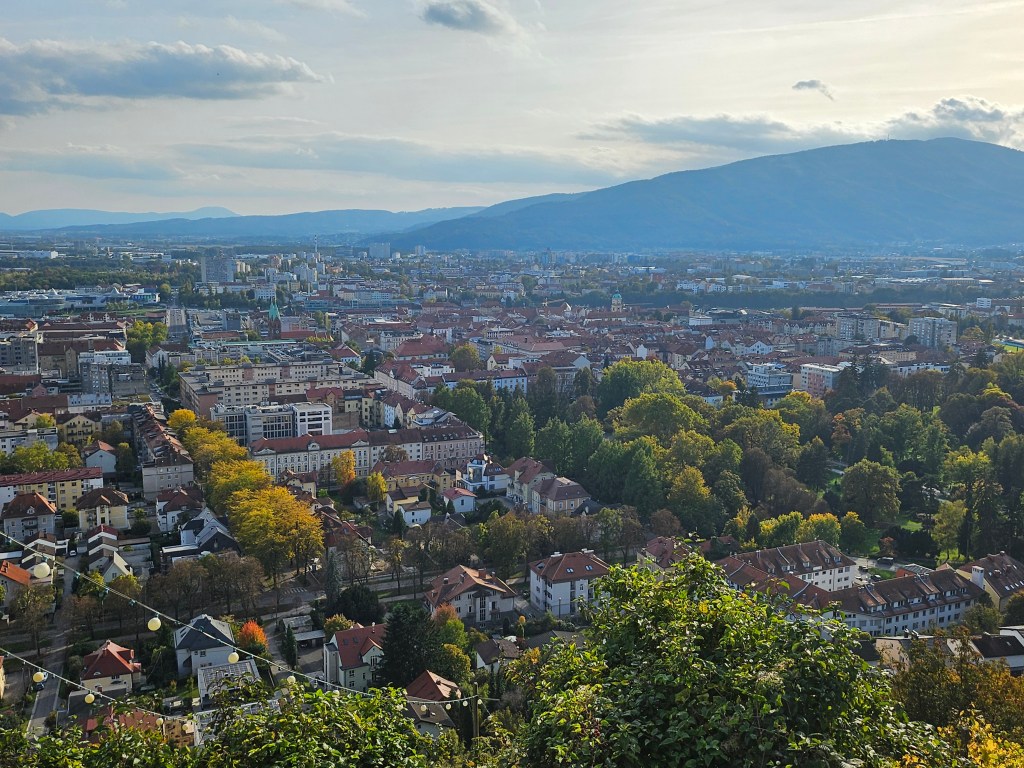
Pyramid Hill is just to the north of the city centre and was once the location of of another castle, which was demolished in 1790. At the top there is now a small chapel to the Virgin Mary. The climb to the top took a bit longer than I was expecting, as the most direct path to the summit was closed for repairs. Although a fairly strenuous walk, it seemed a popular thing to do on a Saturday afternoon. At the top you can still see some of the remains of the original castle and get good views over Maribor.

After my walk up and down Pyramid Hill on a warm afternoon, I needed to have a shower before I was fit to go out to dinner. I chose a pub to eat in that evening. There I had a large smoked sausage, served with powerful freshly grated horseradish, and a bowl of grilled vegetables. Being a pub, I also had a few pints of their draught beer, sampling both the light and dark varieties.

[To be continued. Coming next: Zagreb, Osijek, Pécs and Budapest.]
 Europe Explored