
“You must take your opponent into a deep dark forest where 2+2=5, and the path leading out is only wide enough for one.” (Mikhail Tal – Latvian Chess World Champion)
Continuing the account of the recent trip I took with my wife to the Baltic States.
Day 5 – Monday 15th September 2025 – Vilnius to Riga
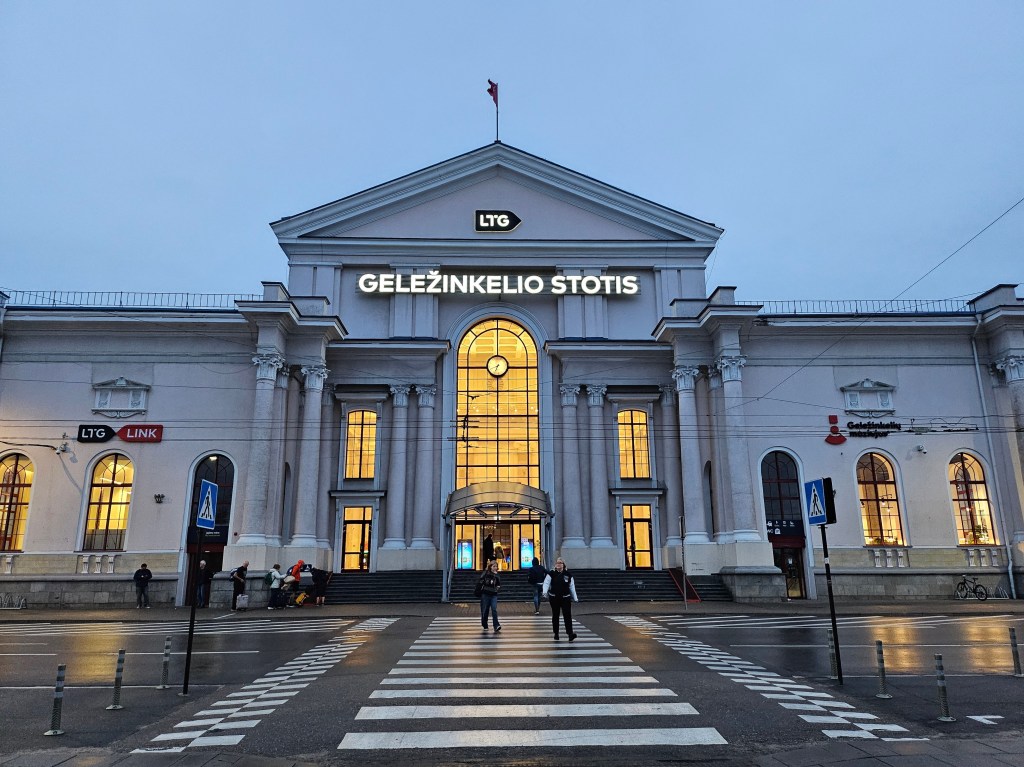
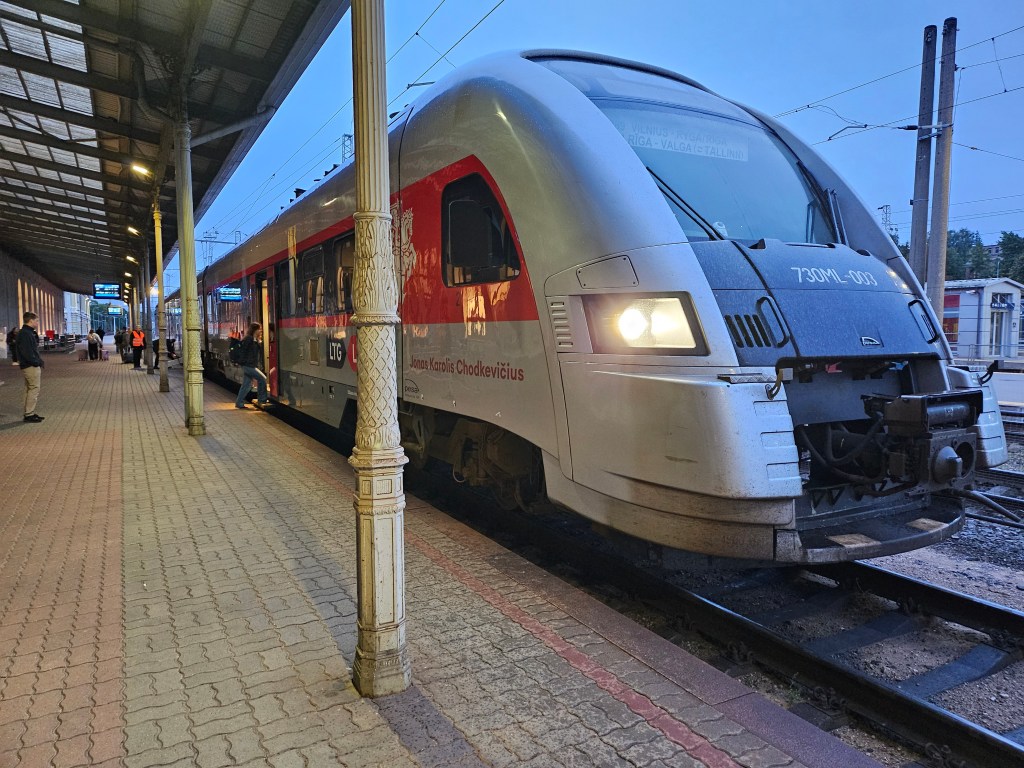
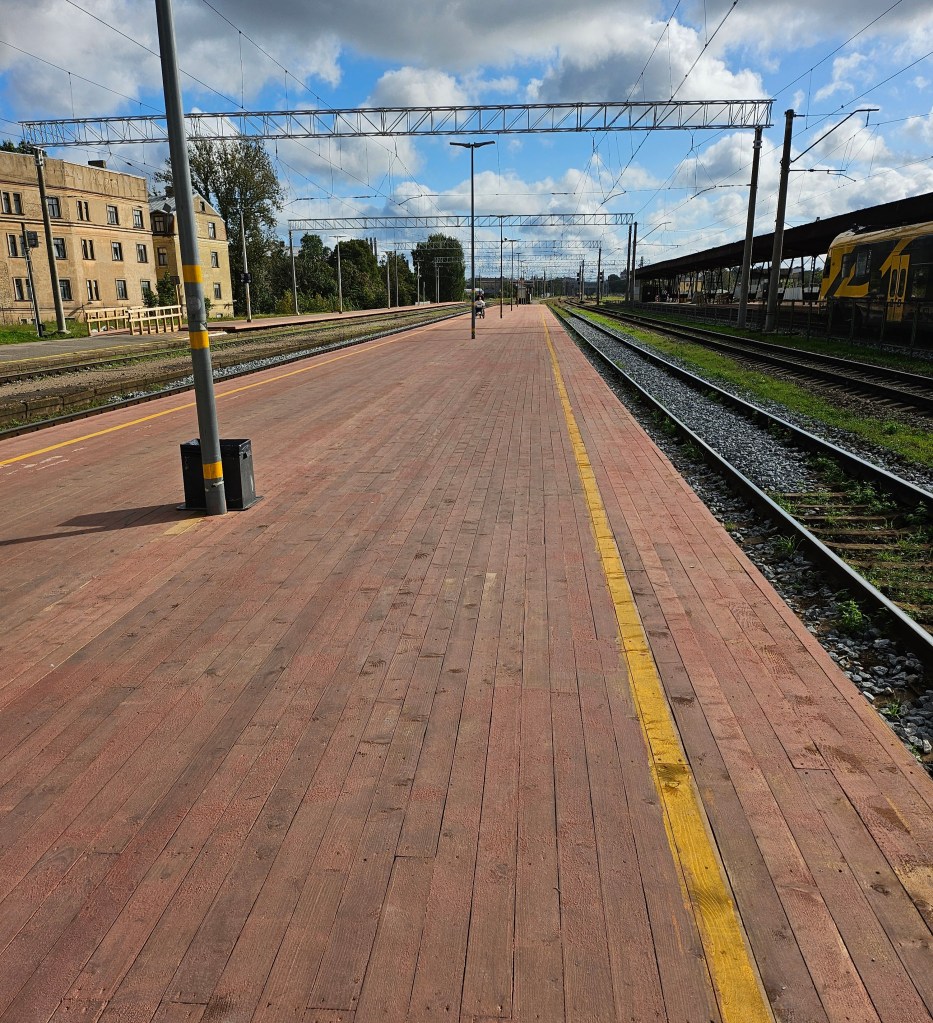
We got up early and left our hotel while it was still dark to walk the short distance to Vilnius station. We were in good time for the 07:05 departure to Riga. This train, introduced earlier in 2025, travels all the way to Valga in Estonia to connect with an Estonian train going to Tallinn, making it possible to travel from Vilnius to Tallinn by train in a day. We had reserved seats for this journey and when we got on the train there were already a couple of people in the seats next to us in the block of four seats. The train departed promptly and initially travelled along the line we had come on from Kaunas two days earlier. After 40 minutes, at Kaišiadorys, our train deviated from the Kaunas line and started heading north on an unelectrified line. A couple of hours after leaving Vilnius, at Šiauliai, a large number of passengers got off. From here the train heads onto a single track line, which is currently served by one train a day in each direction. Crossing the barely noticeable border, we stopped at Jelgava in Latvia, where a Latvian train crew got on, before proceeding to Riga, where our train arrived on time at 11:04. It was a surprise to discover, when stepping off the train at Riga’s main station, that the platforms were made of wood, apparently laid over the original concrete base.
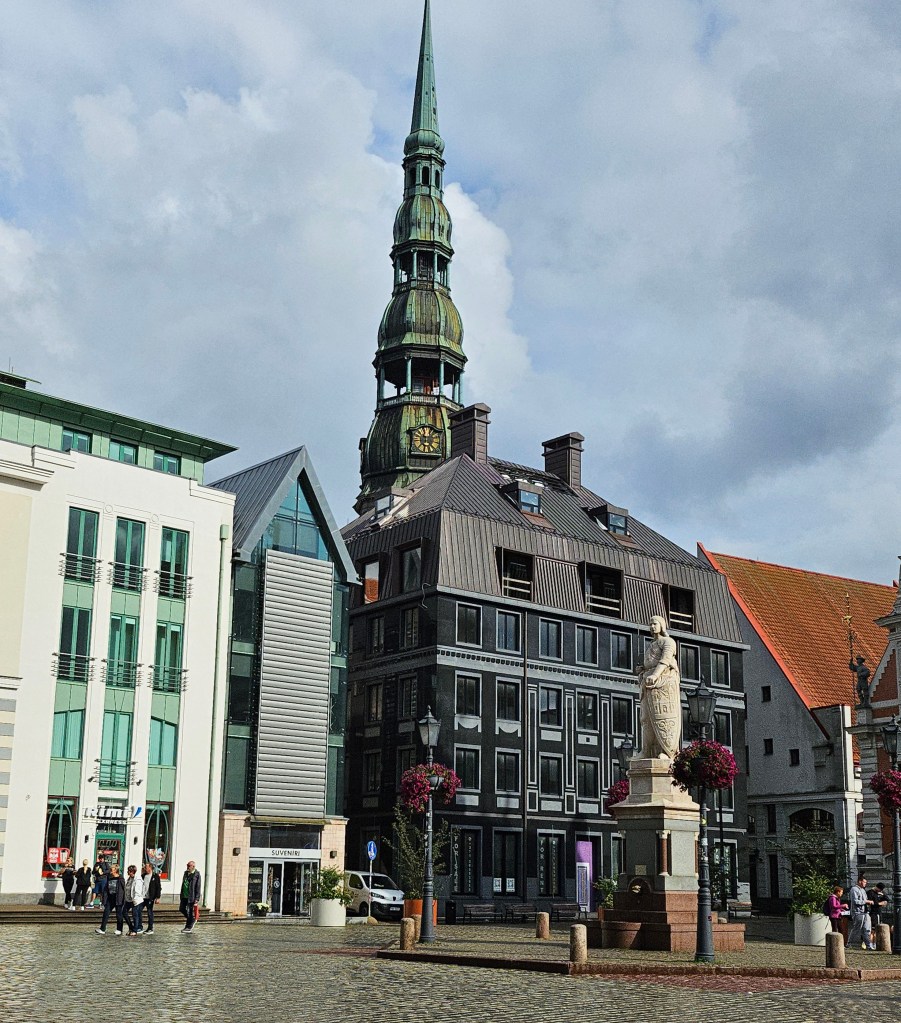
From Riga station we walked via our hotel, where we left our bags, to the centre of Riga’s old town. After a brief stop at the Tourist Information Centre to pick up some leaflets, our first visit was to the Riga Museum of History and Navigation. It is a fairly old-fashioned museum, but very informative about the development of Riga, from its first settlement, through its role as a Hanseatic port, and time as part of Livonia, then subsequently under Polish and Swedish rule, before becoming part of the Russian empire, finishing with it being the capital of the pre-WWII independent Latvia. Within the museum is the impressive Column Hall, built in 1778 and serving as a library until 1891.

We then followed a walk in the Old Town from one of the leaflets that we had acquired, to bring us to our final stop of the day, the Museum of the Occupation of Latvia. This is a much more modern museum, which tells the story of Latvia’s occupation by the Soviets and Nazis during the period from 1940 to 1991. The final part of the museum touches upon some of the legacy issues from Soviet times affecting Latvia today. Latvia does not give full citizenship, including the right to vote in national elections, to those who settled in the country after 1940. Nor has it recognised Russian as an official Language, despite it being the native tongue of a quarter of the population (and nearly half of those living in Riga). While such actions are understandable, I cannot but help think that they may be storing up problems for the future.
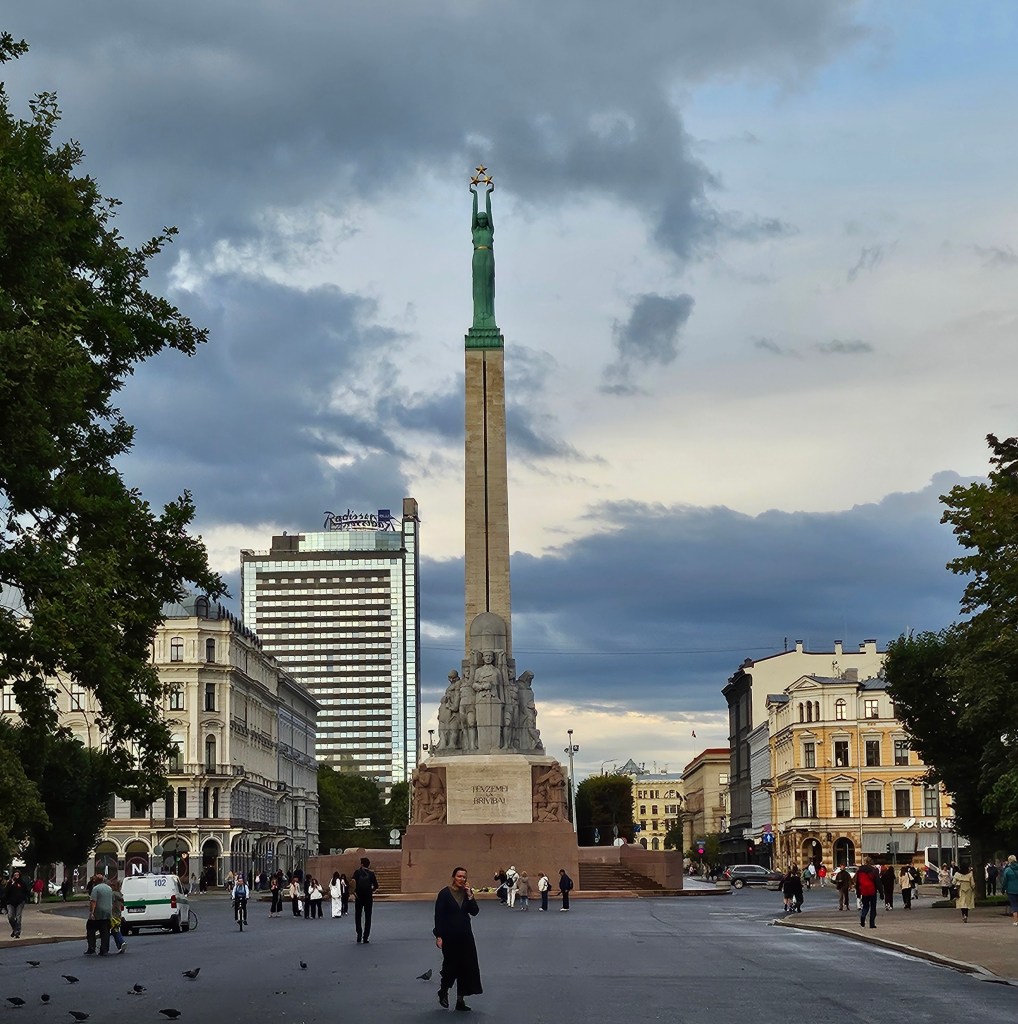
We returned to our hotel by a different route to the way we came – this time via the Freedom Monument. This tall column was originally built to honour those killed in the 1918-20 war of independence.
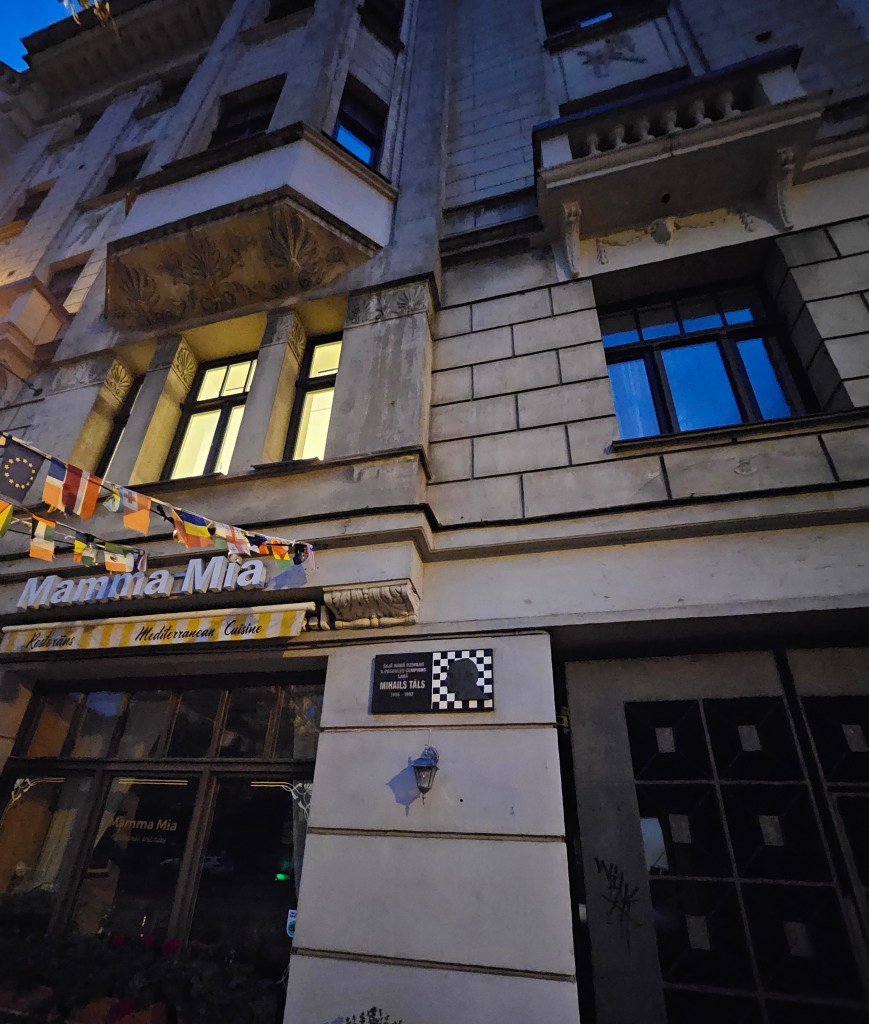
In the evening, we ate in a Georgian restaurant around the corner from our hotel. I started with hot lobio, a type of bean stew, and followed this with a lamb kebab. Mikhail Tal, one of chess’s most inventive players and briefly world champion, came from Riga. We discovered that the building in which he had had an apartment was just a short distance away, so after dinner we went to find it. There is a small plaque on the outside honouring its most famous resident.

Day 6 – Tuesday 16th September 2025 – Riga
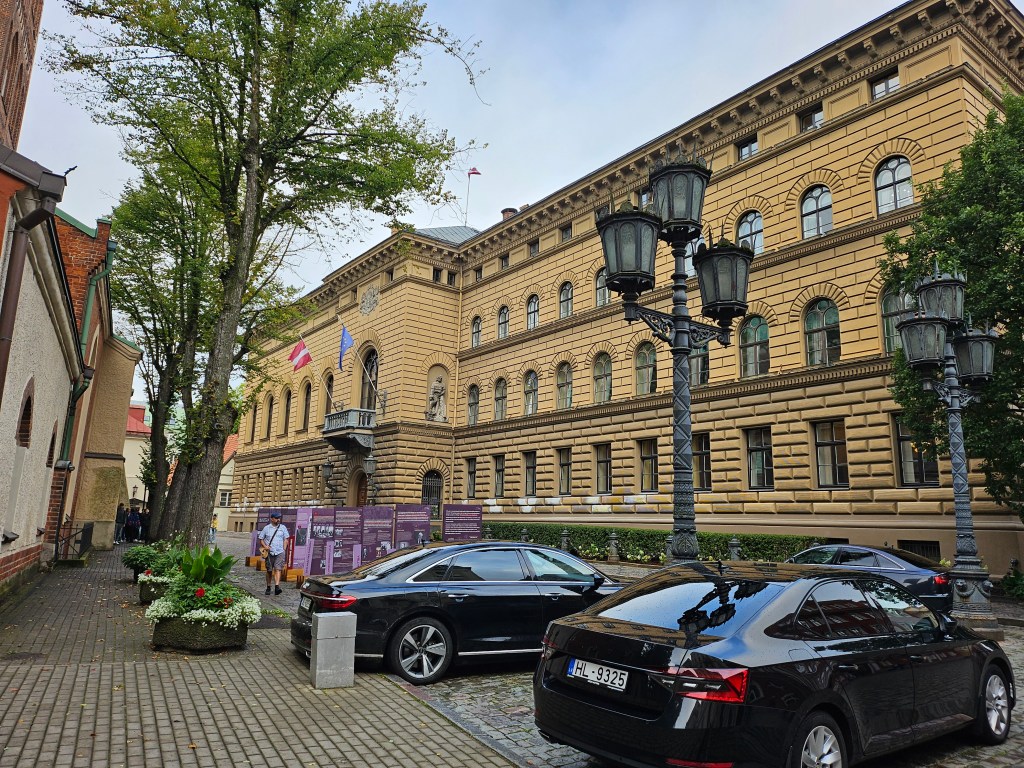
After breakfast in our hotel, we set off to continue our walk round Riga before the various places we wished to visit that day opened. This took us past the Powder Tower and the Swedish Gate in the city walls to reach the building housing the Saemi, the Latvian parliament. Outside there were a number of display boards describing the barricades that were set up in 1991 to protect the building from attack by Soviet forces.
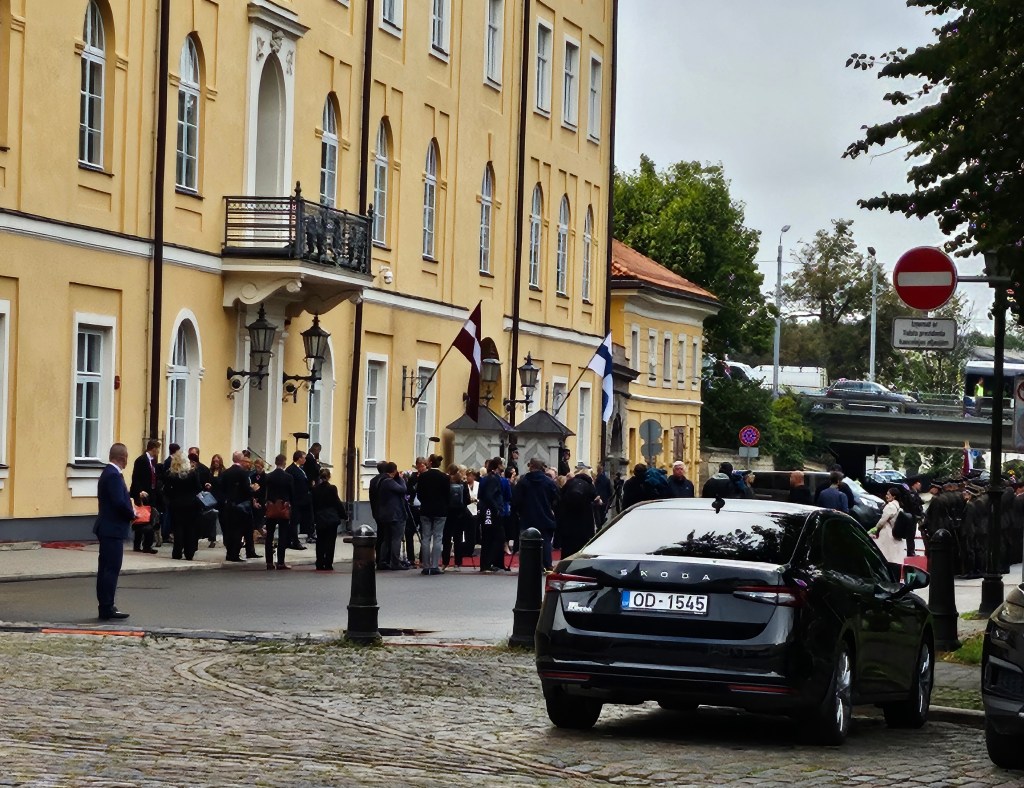
A short distance from the Saemi is Riga Castle, which is now the residence of the Latvian president. The streets around the castle were closed to traffic, as there was a state visit by the President of Finland that day. When we got as near to the castle as we were allowed, the Finnish president’s arrival was imminent and there was a guard of honour lined up ready to receive him.
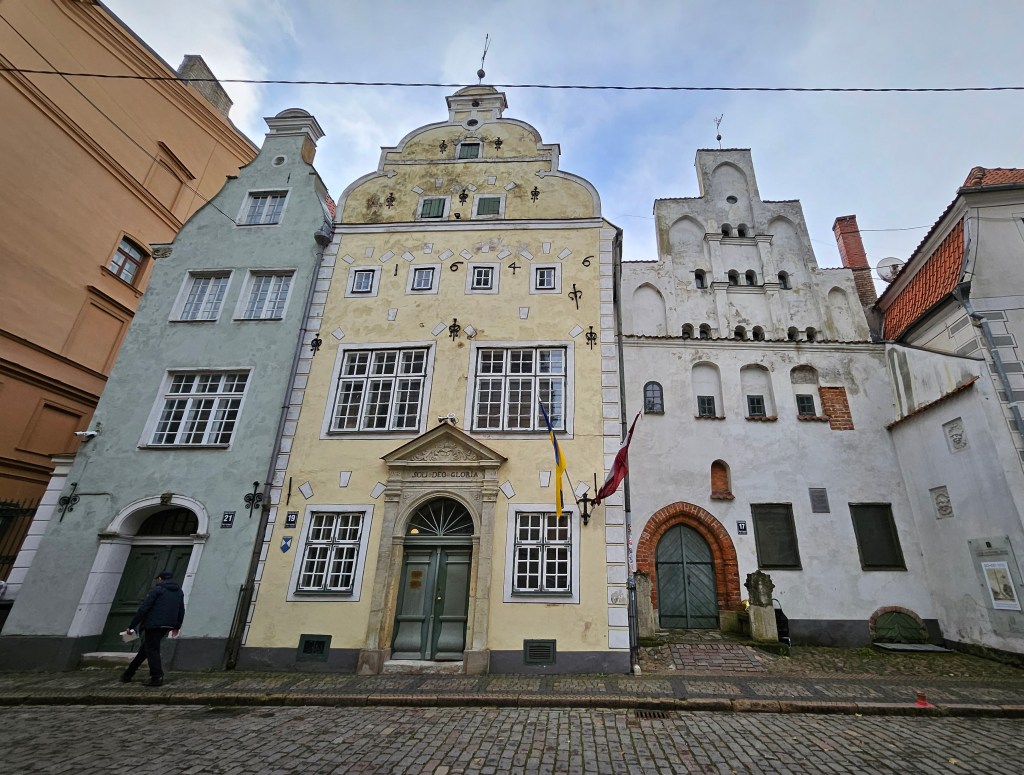
We then went to see the nearby Three Brothers, three adjoining houses in different architectural styles, one of which contain the Latvian Museum of Architecture. This museum opens at 9am, earlier than the other museums in Riga, so we had a look round. It is quite small, so it did not take us long.
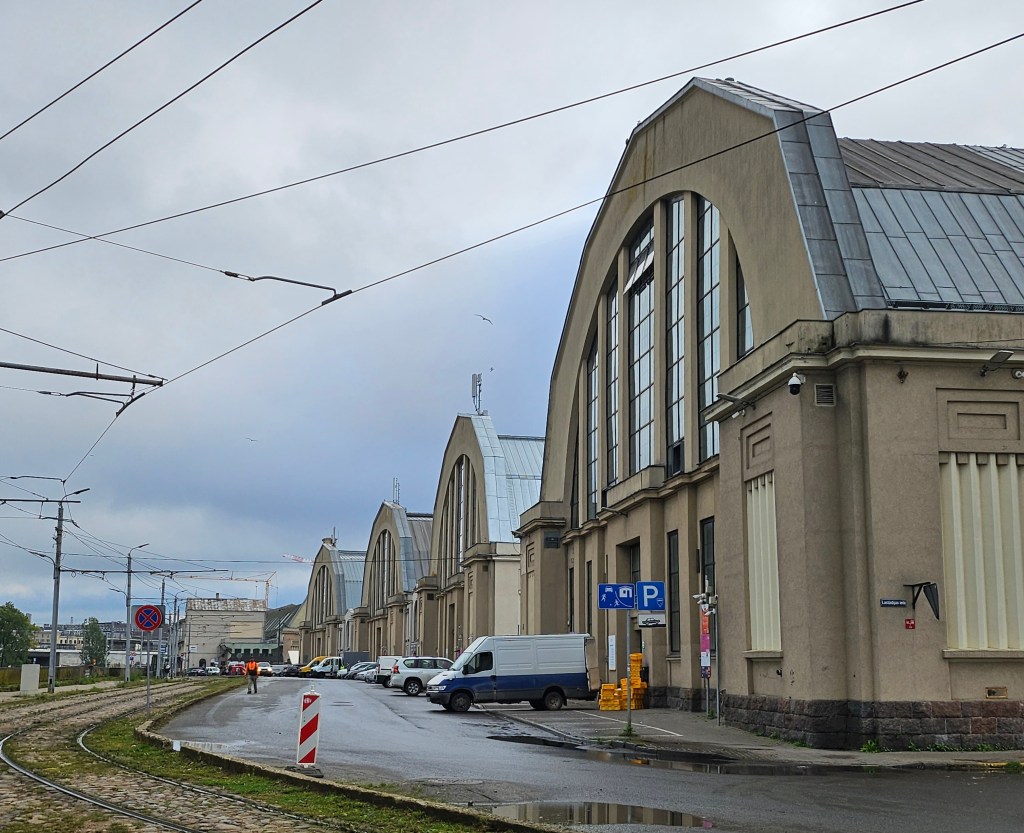
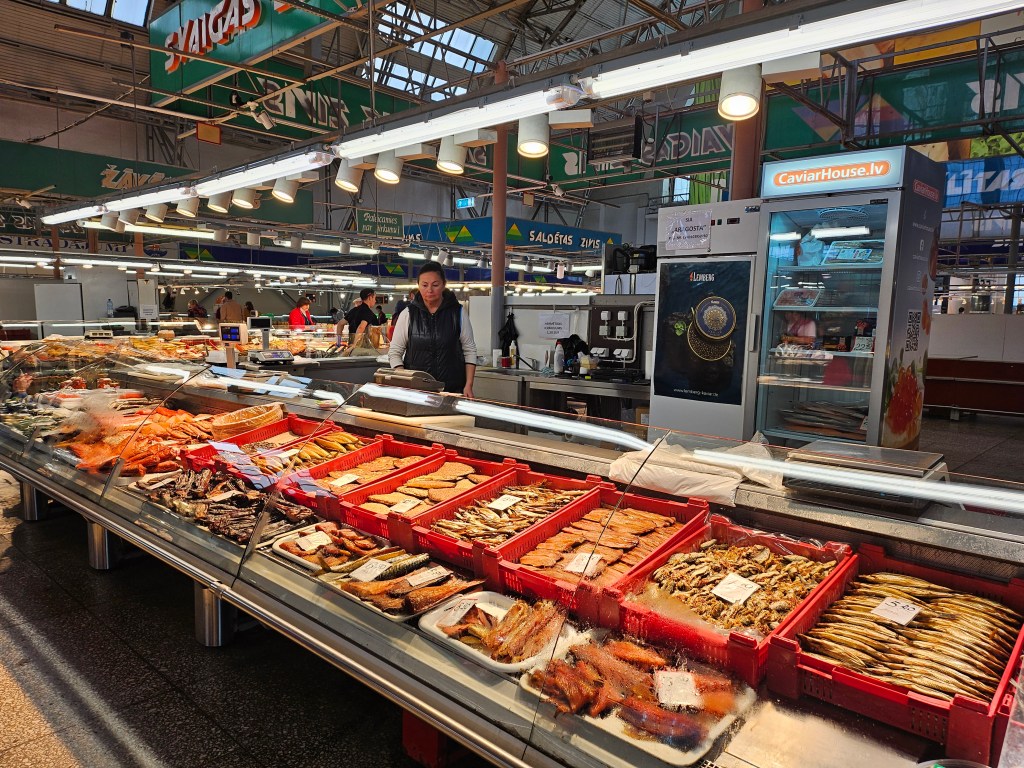
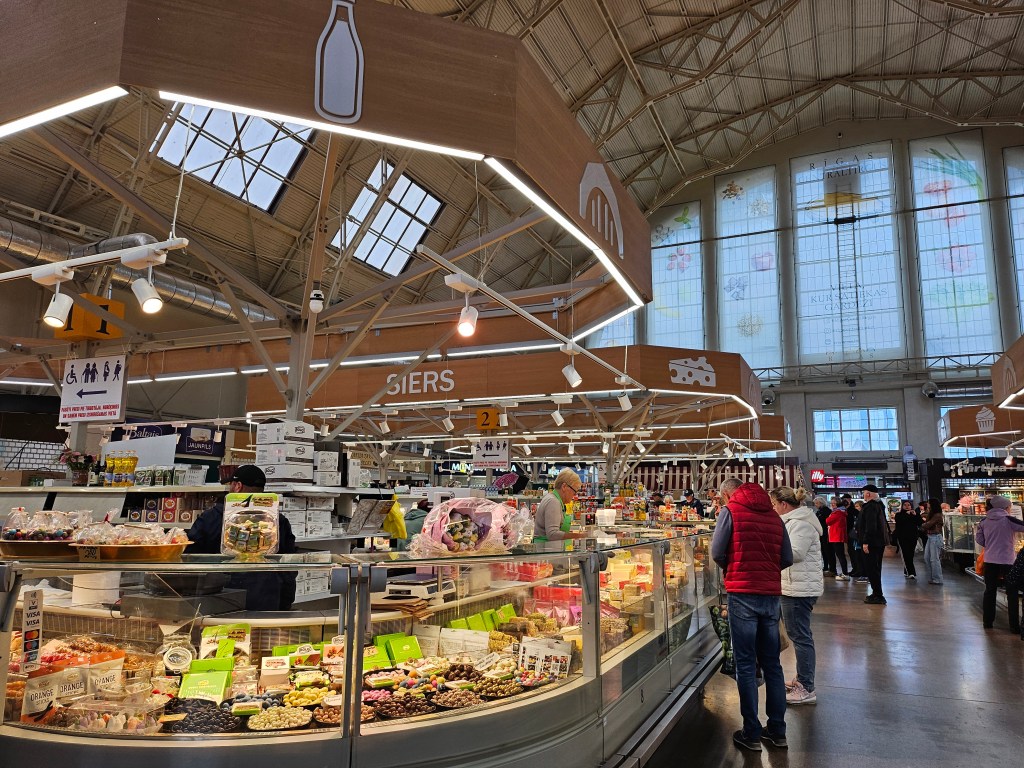
We walked across town to visit Riga’s Central Market which is housed in a number of former Zeppelin hangers. One was a fish market, one was primarily for other foods and another for non-food goods. A final hanger appeared to be unused at the time of our visit.
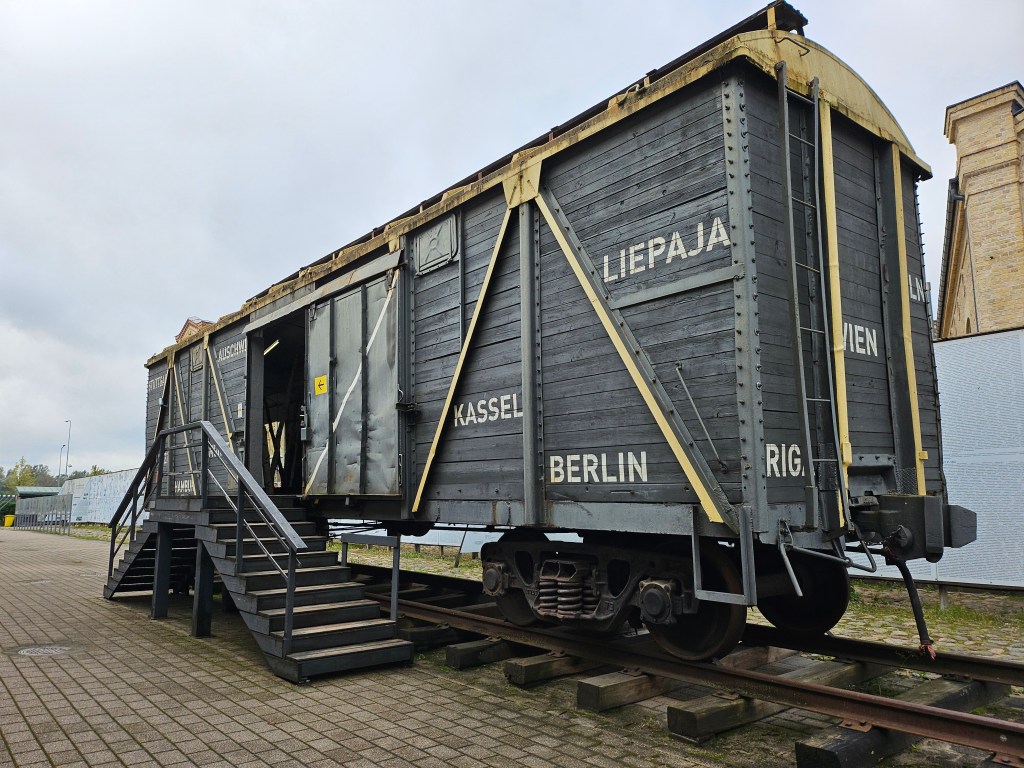
From the Central Market it is a short walk to the Museum of the Riga Ghetto and Latvian Holocaust. When the Nazis occupied Riga in 1941 they evicted all the non-Jews from the area of the Riga Ghetto and forced all the Jews in the city to relocate there. About three-quarters of the Jewish population of Riga were murdered by the Nazis. In addition Jews from Germany and other parts of Europe were brought there to be killed.
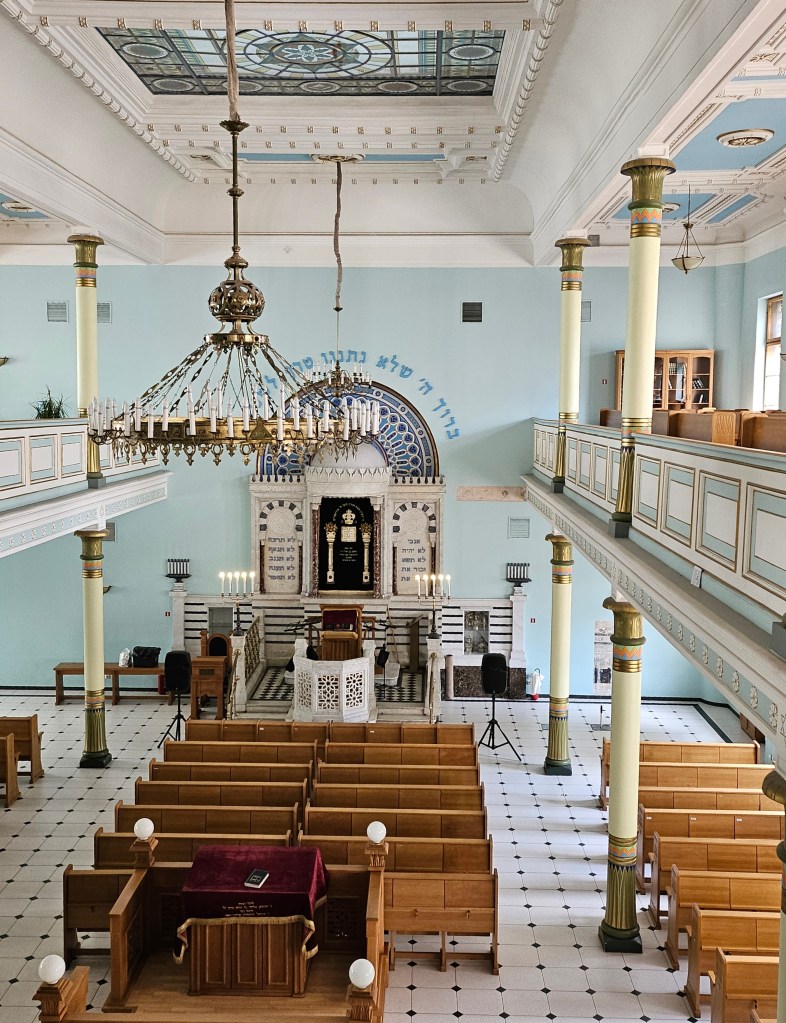
We returned to the Old Town and paid a visit to the Peitav-Schul synagogue. This was the only synagogue in Riga not to have been burnt to the ground by the Nazis, due to its close proximity to other buildings. It was one of the few synagogues in the Soviet Union that were allowed to continue operating. In 1998, it was severely damaged by a bomb placed by right-wing terrorists.
Nearby is a museum dedicated to the Popular Front of Latvia. This was a political movement formed in 1988 which was instrumental in pressing the case for Latvian independence from the Soviet Union. The museum is in the building which was once the offices of the Popular Front.
A short walk brought us to the Museum of the Barricades commemorating the time in 1991, when the population mobilised to prevent the Soviet Union reasserting its control over Latvia. OMON, the special Soviet police force, killed six people in an attack on the Latvian Ministry of the Interior.
Next was a visit to the Metzendorf House, the former home of a wealthy merchant. It is now part of the Museum of Riga and the ticket that we had bought for the museum the previous day, gave us entry.

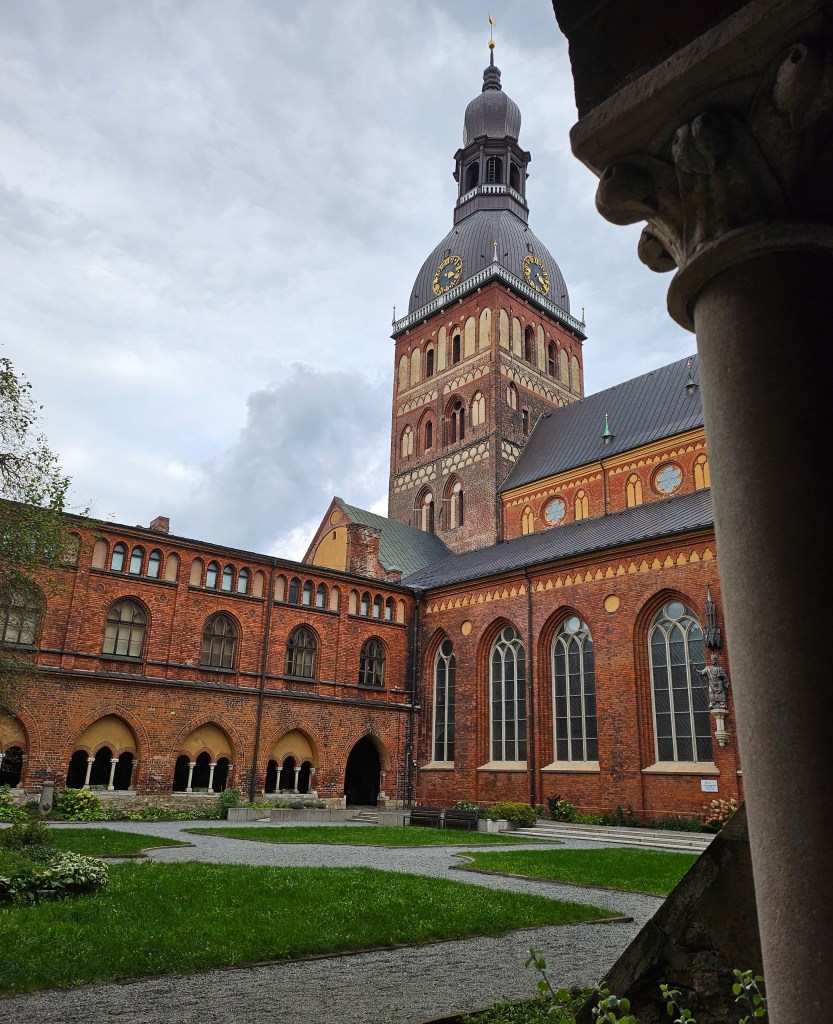
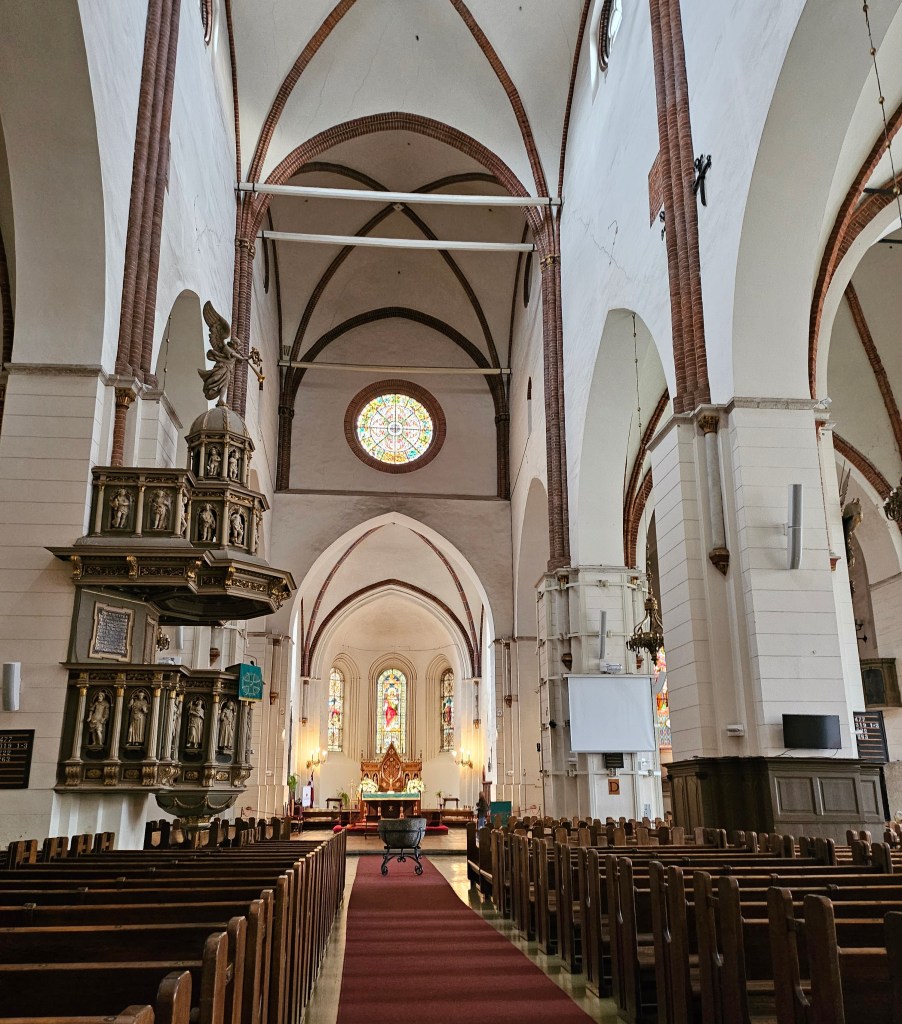
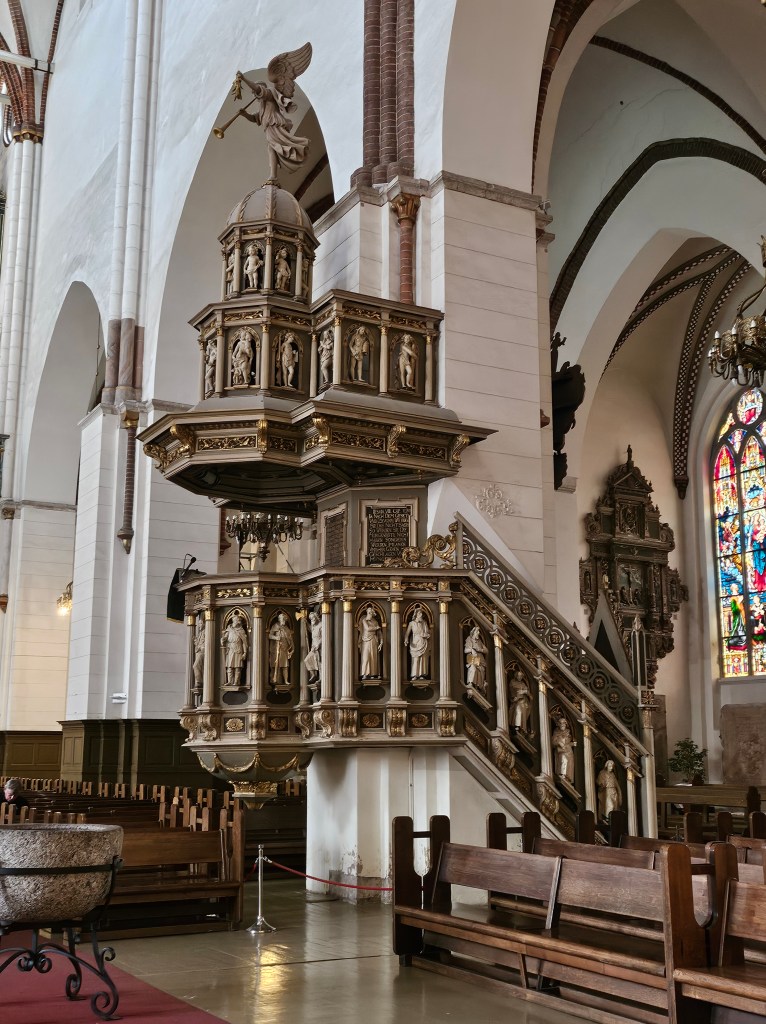
We then went to Riga Cathedral, a Lutheran church. In the 1920s the Lutherans were forced to share the building with the Catholic Church, but this was overturned in a referendum in 1931. During Soviet times the church lost its religious purposes and was used as a concert hall.
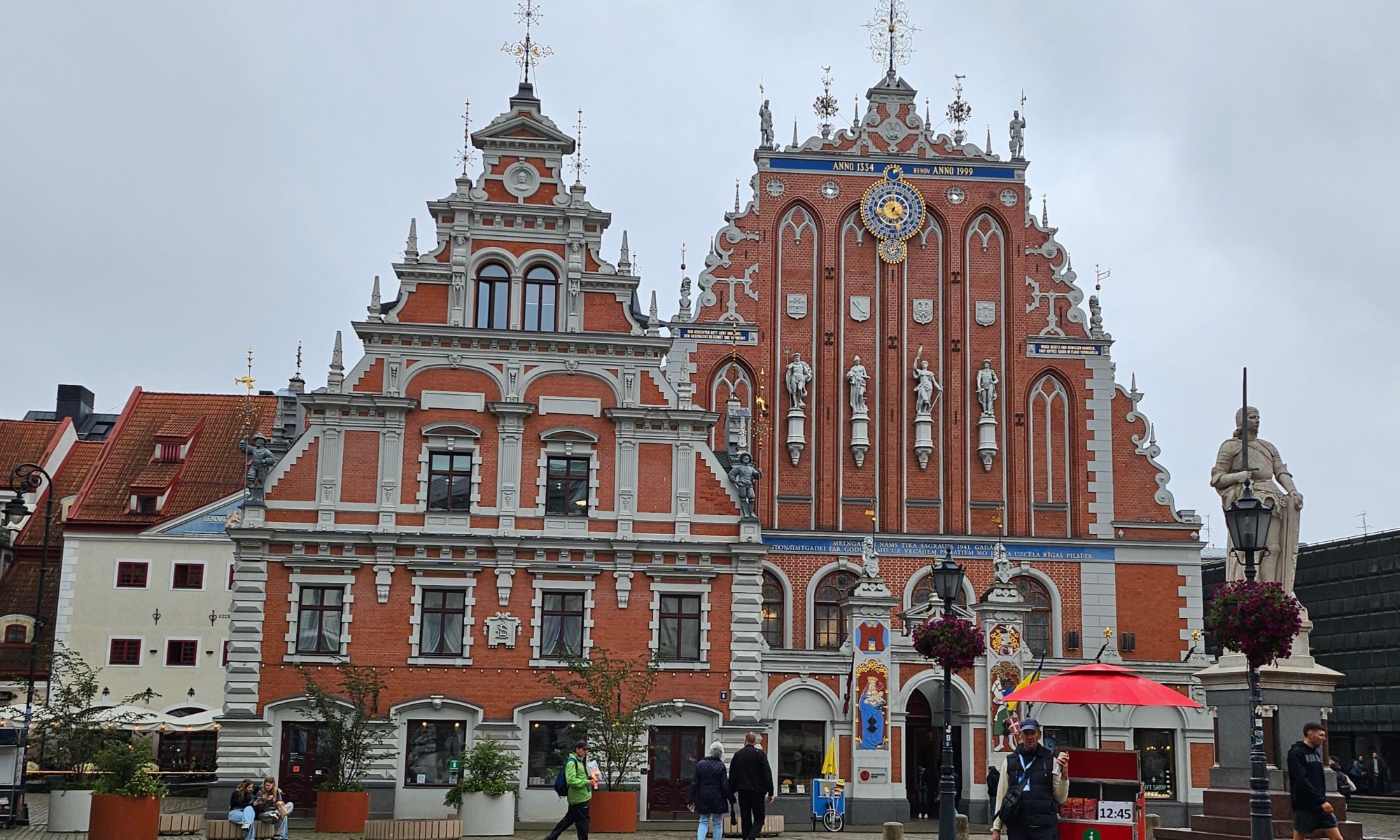
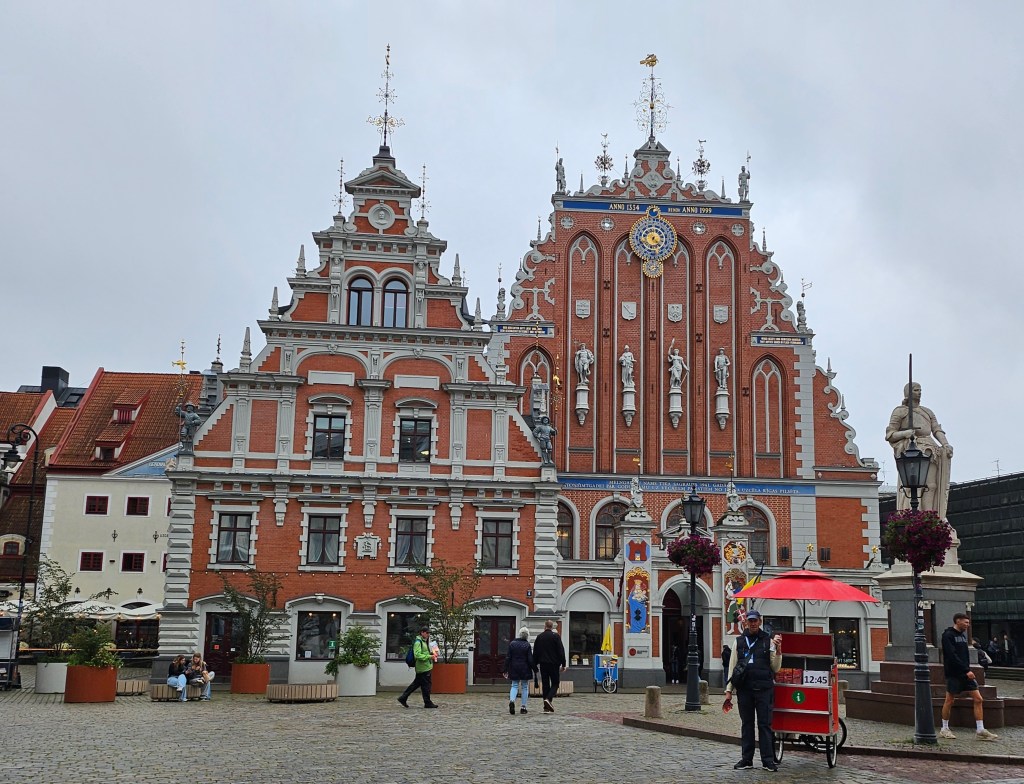
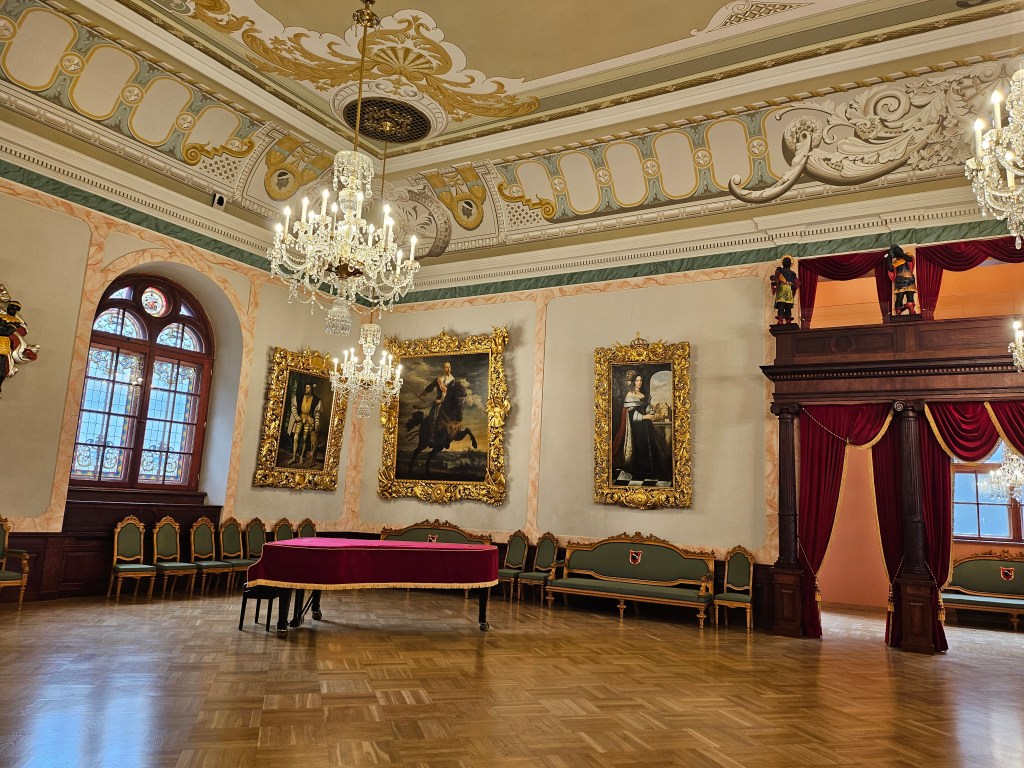
Our final visit on this day was to what is now one of Riga’s most famous buildings, the House of the Blackheads. Originally built in the 14th century as a warehouse, it became the meeting place of the Brotherhood of the Blackheads, a guild for unmarried German merchants. The building was badly damaged during World War II, before being demolished by the Soviets in 1948. It was completely rebuilt between 1996 and 2000. In the basement of the building you can see the only remaining original parts to have survived. The ballroom on the first floor is used for many official functions and many visiting heads of state and government have been received there, particularly during the period when the President of Latvia used the building while Riga castle was renovated. While the exterior has been faithfully restored, there is little documentary evidence of what the interior used to be like, so its restoration was more speculative. The House of the Blackheads is now a popular wedding venue, which is ironic given the requirement of the Brotherhood members to be unmarried.
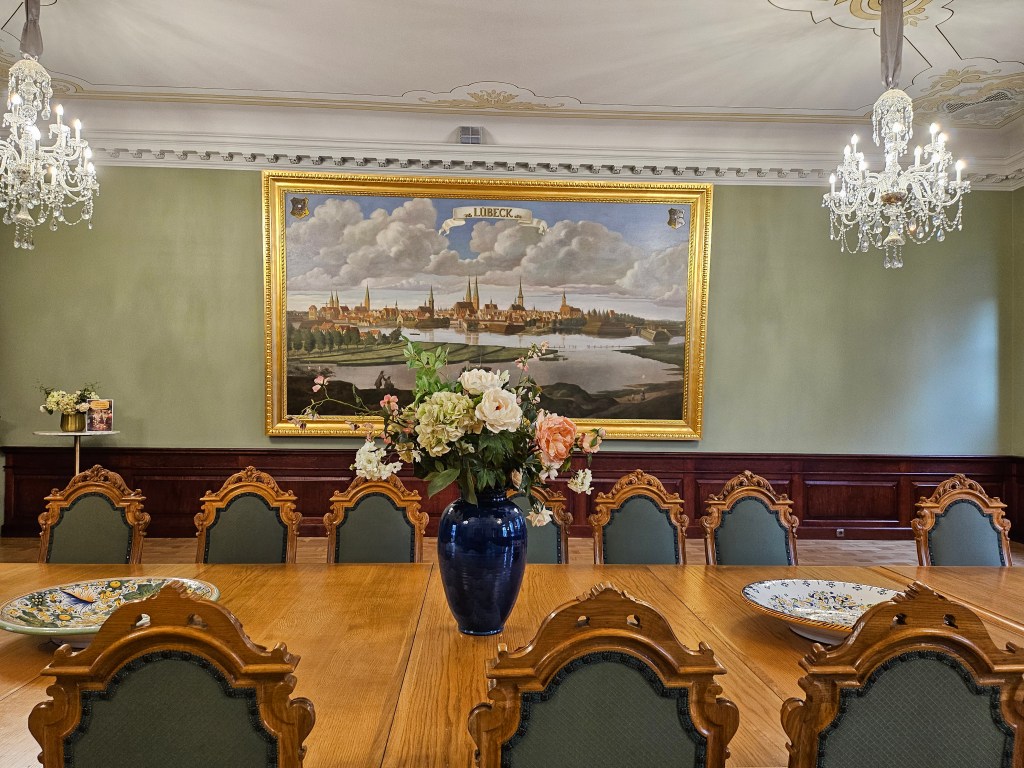
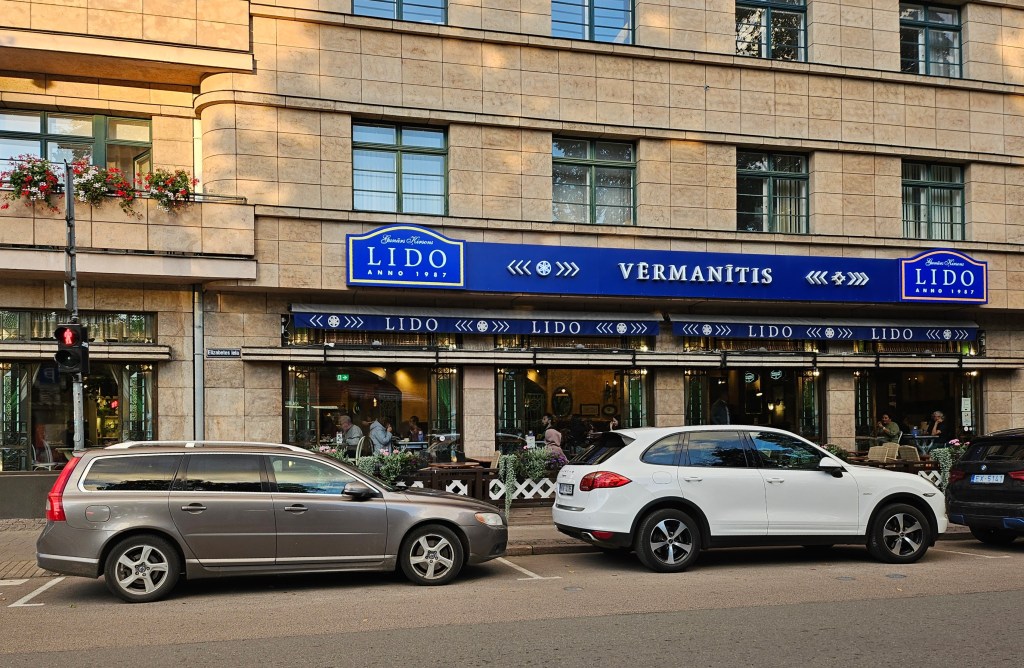
We returned to our hotel via the Memorial to the Victims of the Soviet Occupation of Latvia, not far from the House of the Blackheads. That evening we dined at a Latvian institution, one of the many Lido restaurants in the country. These are self-service establishments, serving good quality food at very reasonable prices. Here I had beef with fried potatoes.
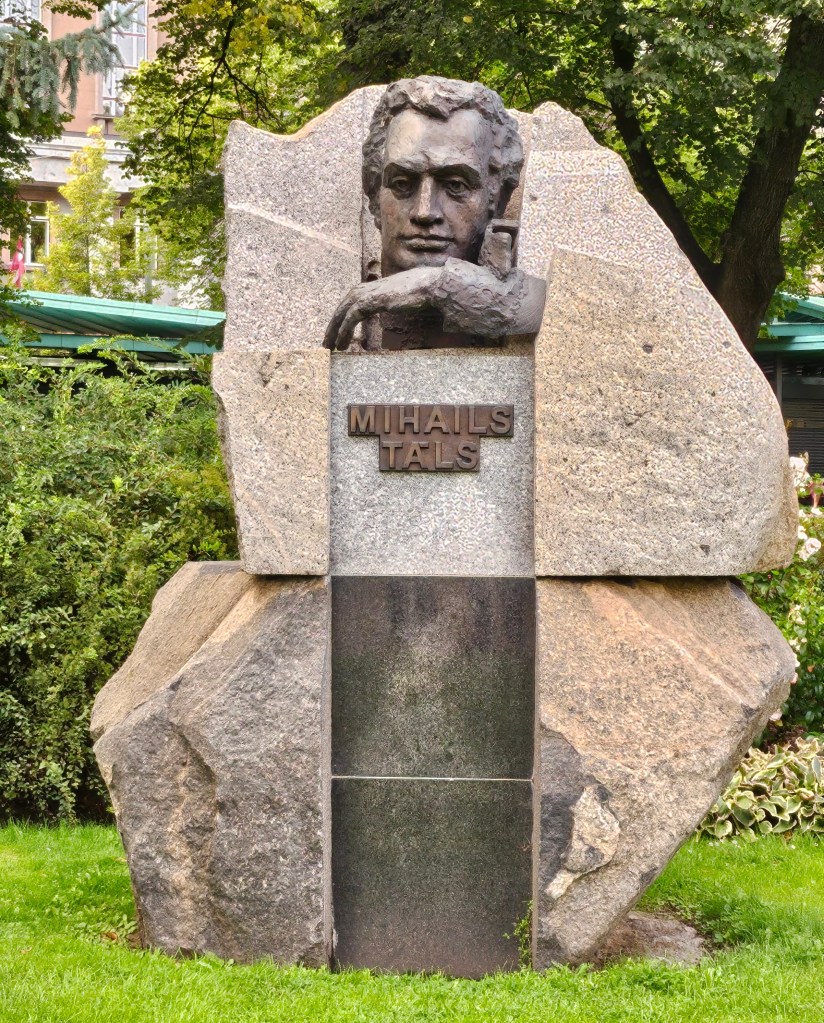
After dinner we went into the park opposite to find a monument to Mikhail Tal, the Latvian chess Grandmaster, whose former apartment block we had found the previous evening.
Day 7 (part) – Wednesday 17th September 2025 – Riga to Valga
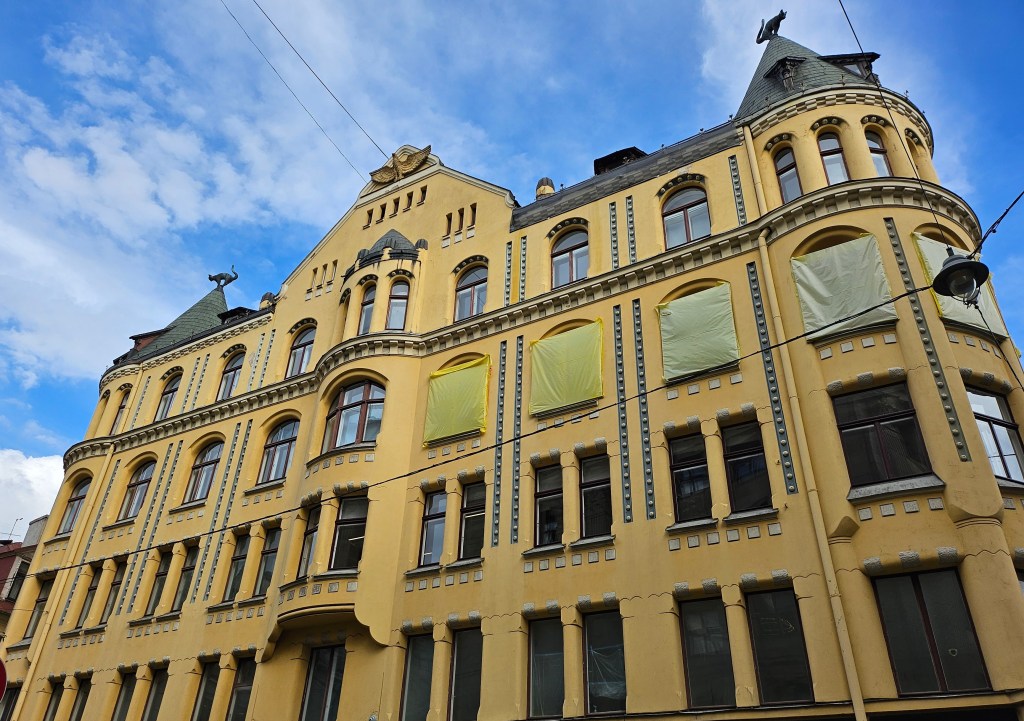
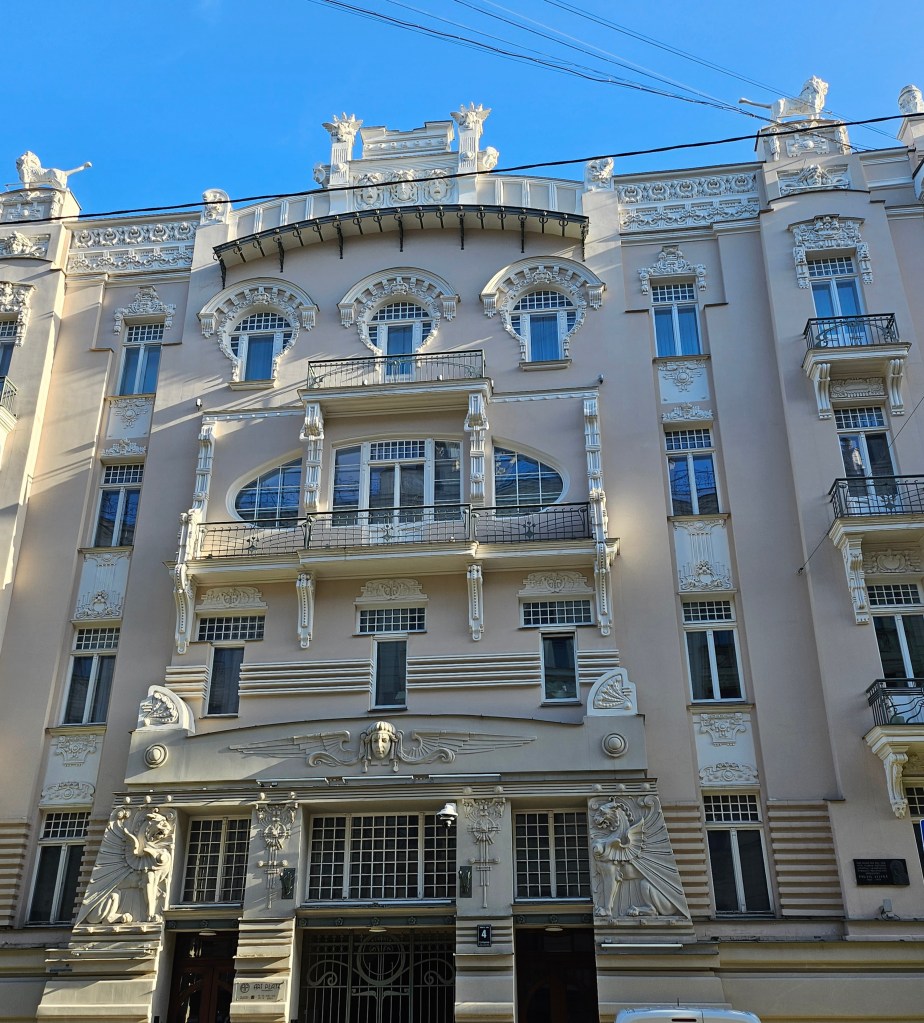
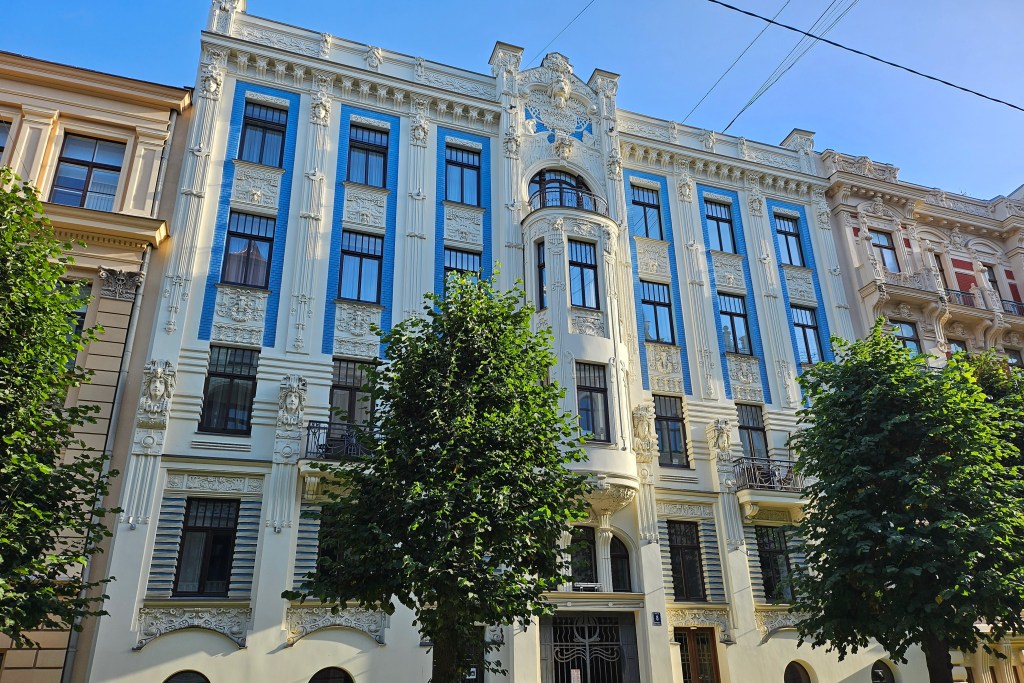
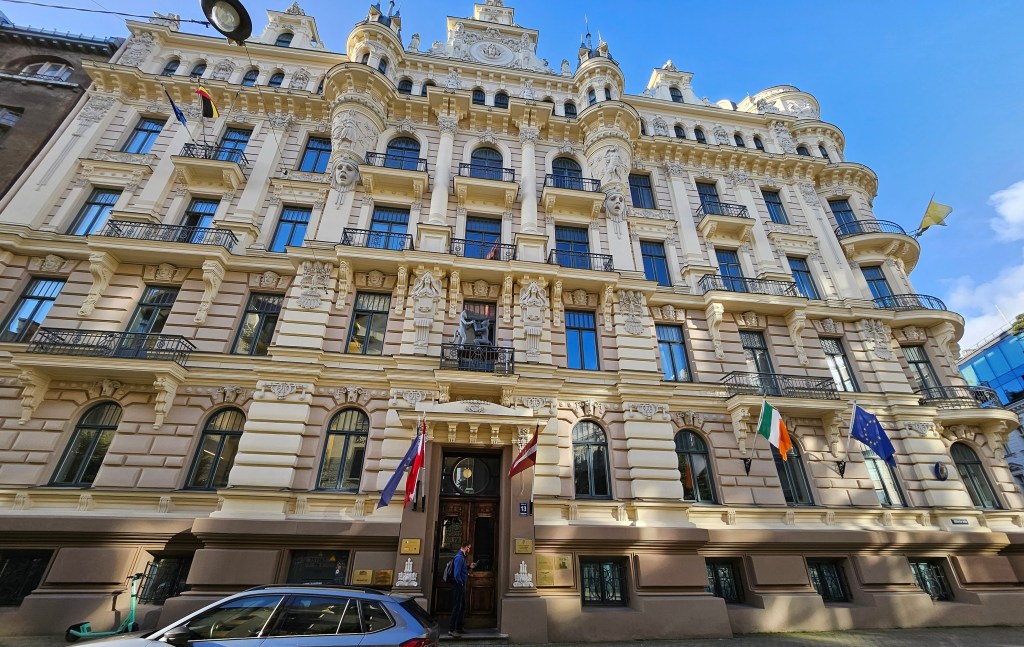
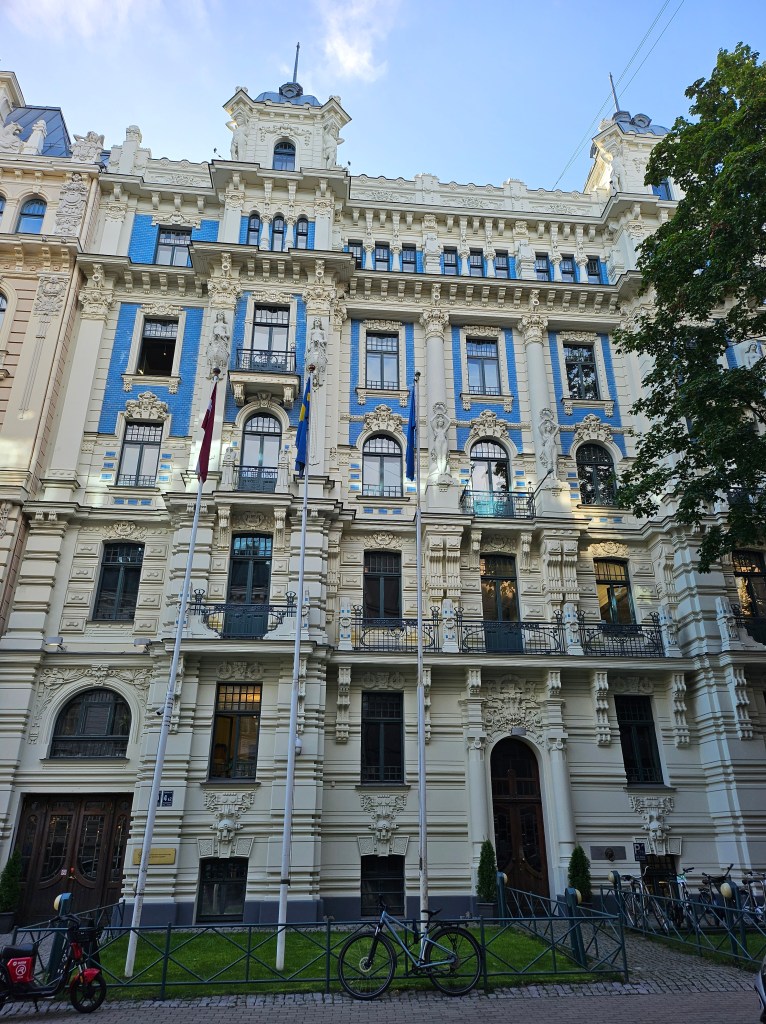
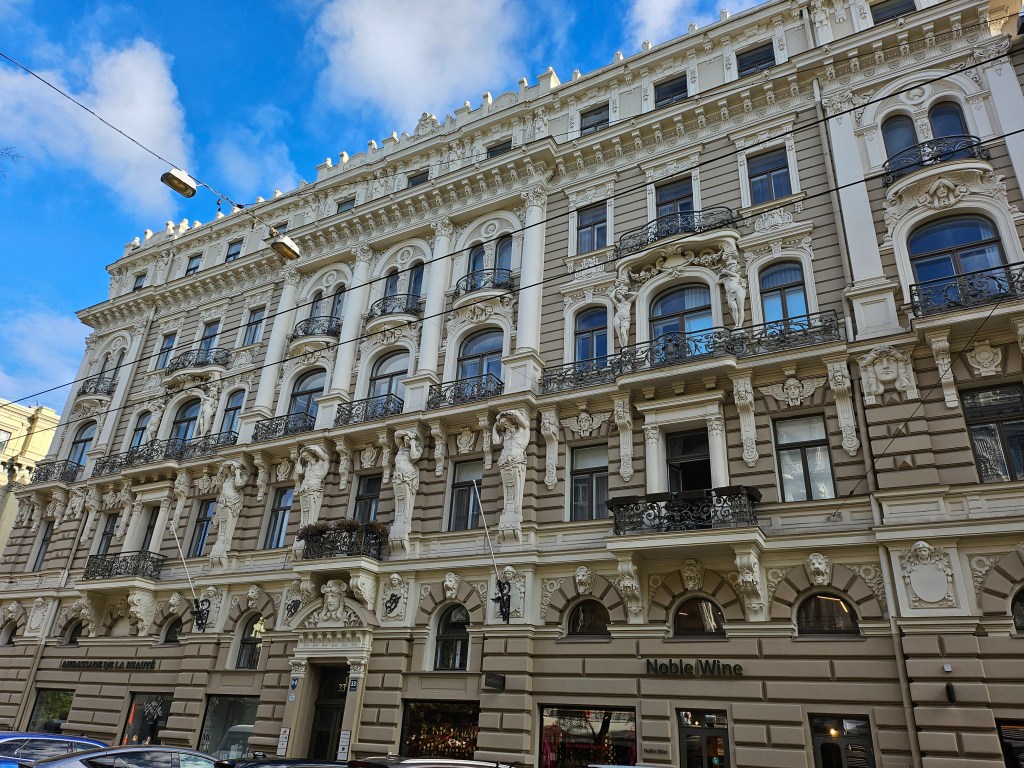
In the area near our hotel there are a large number of Art Nouveau buildings, built in the early years of the 20th century. So after breakfast, we went for a walk to look at some of them. We were not the only ones to do so, as we encountered a number of tour groups being told about the some of the places we stopped to admire.
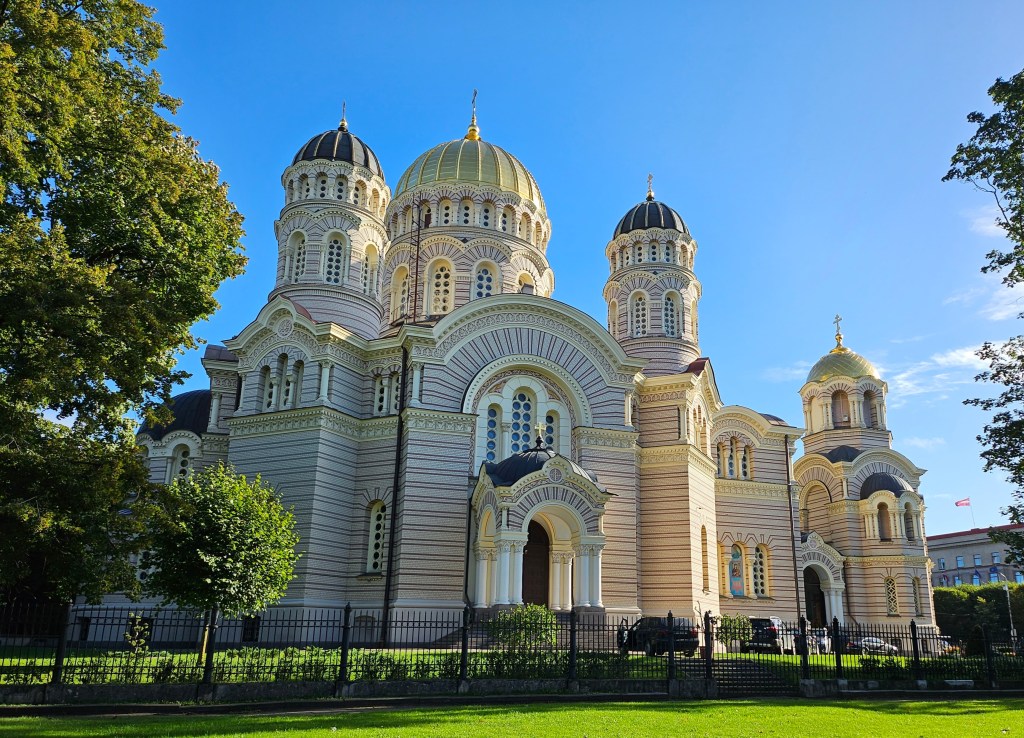
Our final call in Riga, on our way to the station, was at the Russian Orthodox Cathedral, dedicated to the Nativity of Christ. Inside is some impressive iconography, but unfortunately no photography of the interior was allowed. In Soviet times the building was used as a planetarium.
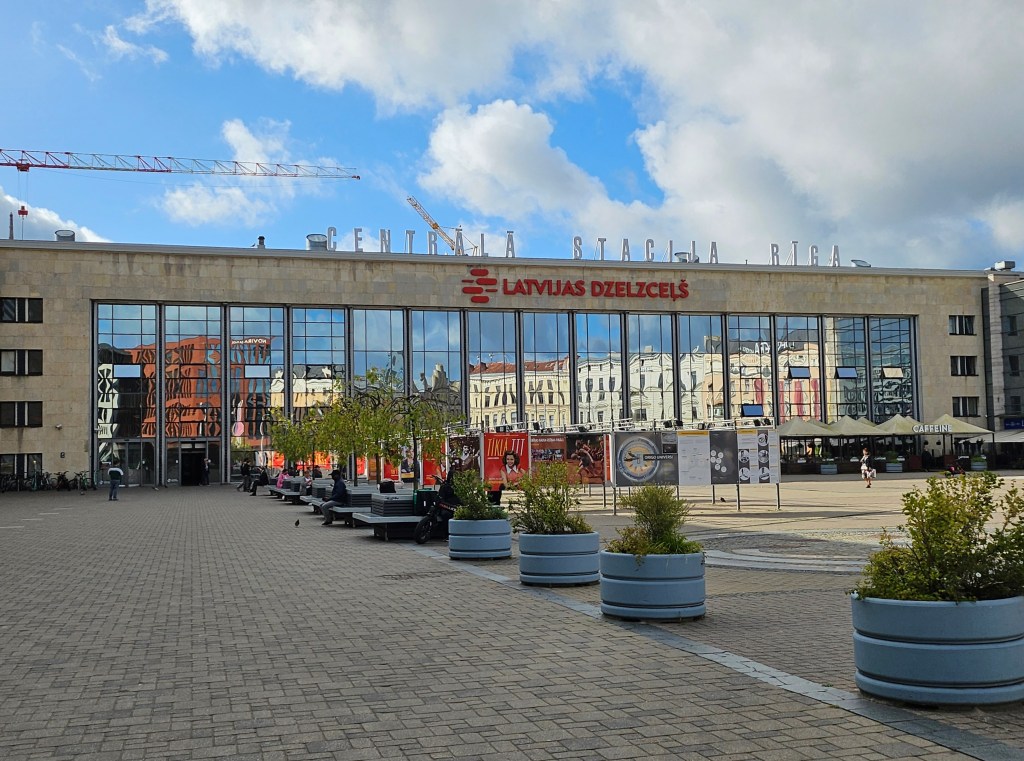
We then walked to Riga’s main railway station. The train that we were catching was the same one that had brought us to Riga from Vilnius two days earlier. It arrived on time and had a scheduled 15 minute wait before departing. It was a two and half hour journey to the Estonian border town of Valga, where the train terminated before returning to Vilnius. We had to disembark and wait on the platform for a train to take us further into Estonia.
[To be continued – coming next: Estonia.]
 Europe Explored