
“With a hop, skip and a jump”
This post continues the account of my journey from Barcelona to London, covering my time in France. I had been in South West France on two of my previous Europe Explored expeditions (in March 2022 and November 2023), so my itinerary was filling in the gaps of some of the places I missed on those trips, while skipping over those I had previously visited.
Day 4 – Saturday 1st March 2025 – Girona to Perpignan
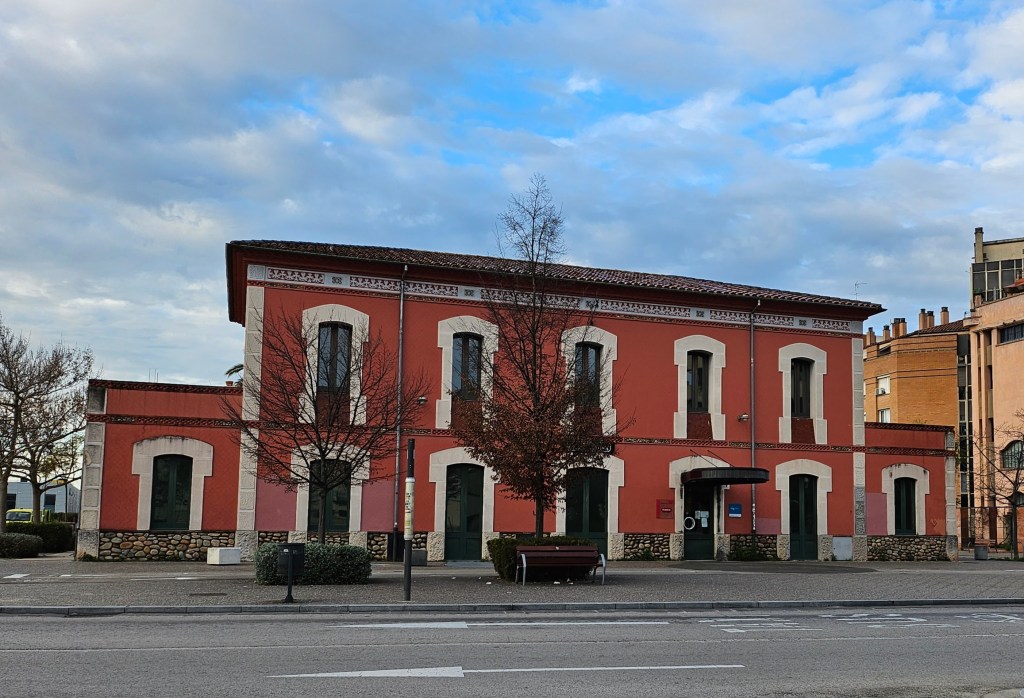
I walked the short distance from my hotel to Girona station. The station is in two parts – the high speed lines run in tunnels below the ground, whereas local services are on an elevated line nearby. The original station building is also visible, but the lines at ground level which once served it have all been pulled up. When planning this trip I had originally intended to catch a couple of local services via Portbou either side of the Franco-Spanish border but, at the time I was booking, SNCF were not showing any trains on the Saturday morning on their side of the border. (When I alighted at Perpignan I discovered that trains were running that morning after all; presumably they were waiting for confirmation of weekend engineering work when I was booking the trip.) So instead, I booked on the RENFE high-speed service between Barcelona and Lyon. This is a relatively expensive option for the short hop I was taking, but I was able to discount the price by using my Spanish Tarjeta Dorada discount card for old people.
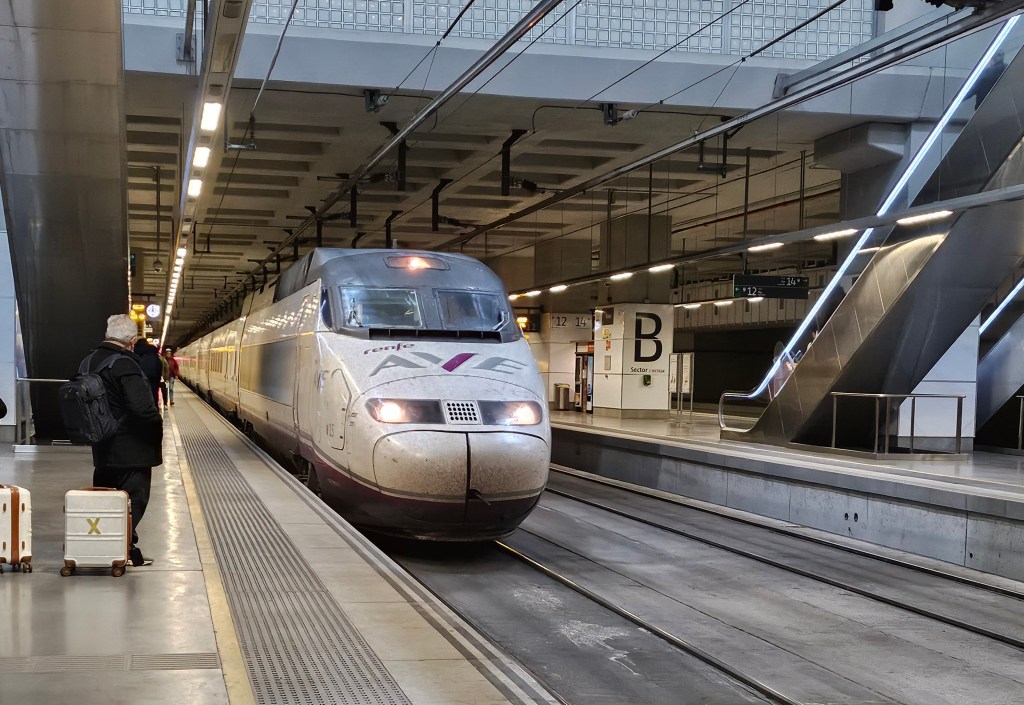
Before I was able to descend to the high speed line I had to go through the usual Spanish security check. This was even more cursory than usual and I nearly walked straight through without noticing it was there. The train departed on time at 0901 and arrived in Perpignan, six minutes early, 35 minutes later. Given that France no longer seems to subscribe to the Schengen principles of free movement, there was a policeman at the end of the platform by the steps leading to the exit who was asking to see the passports or ID cards of some of the passengers, but he ignored me as I left.
I had an early start the next morning, so I had booked a hotel on the road leading from the station to the old town, where I called in to drop off my bag. The friendly receptionist gave me a map and made recommendations of places that I should not miss while in Perpignan, all of which were already on my list. She also enquired if I needed recommendations for somewhere for dinner that evening, and when I told her the name of the restaurant that I had booked it met with her approval.
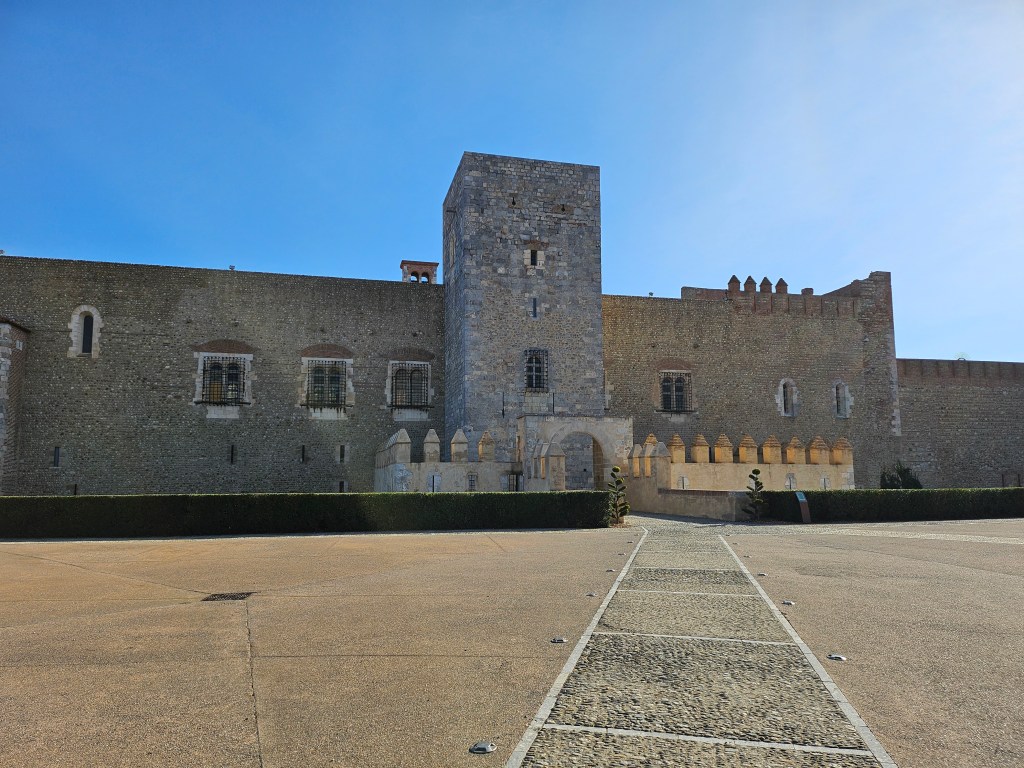
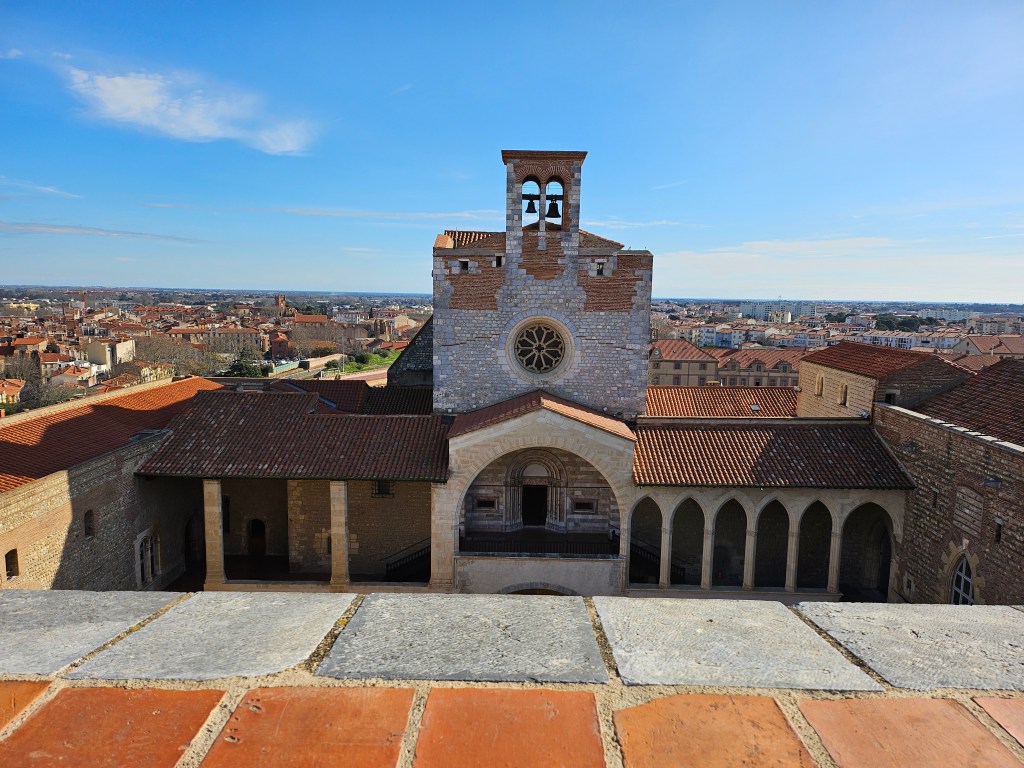
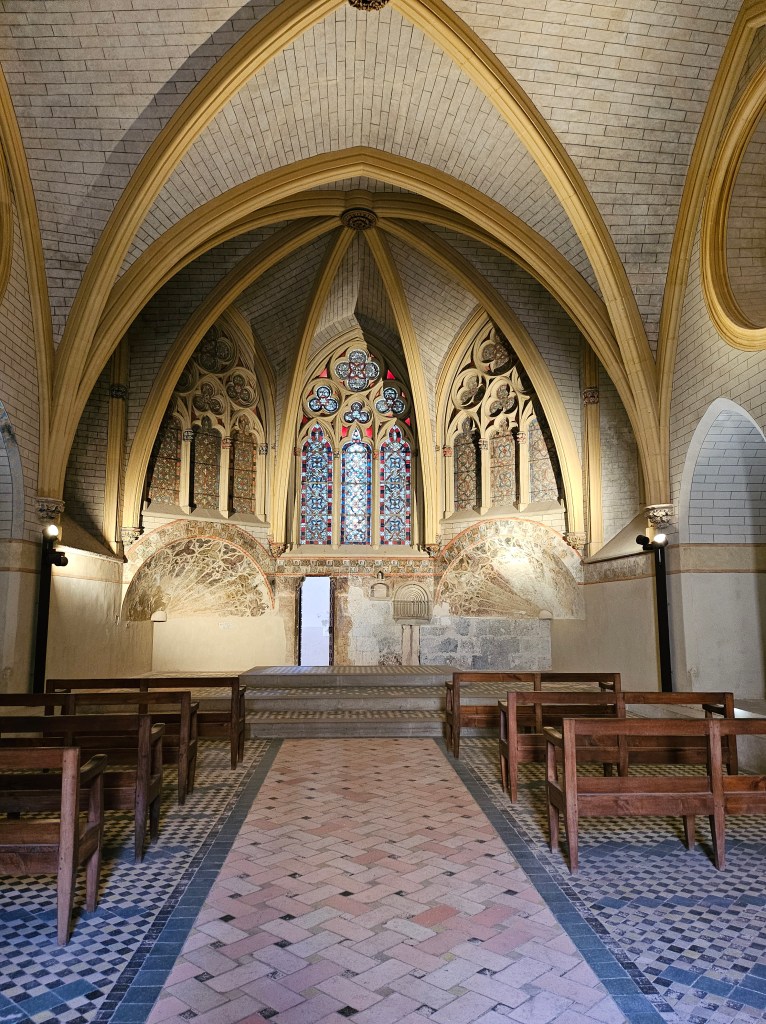
My first visit in Perpignan was to the Castle of the Kings of Majorca, which is a little way from the city centre and opened earlier than most of the other attractions. Perpignan was made the capital of the Kingdom of Majorca in 1276, which was when the construction of the castle began. It survived as a separate Kingdom only until 1344 when it was invaded and subsumed into Aragon. The castle today is fairly stark in appearance, with most of the rooms unfurnished.
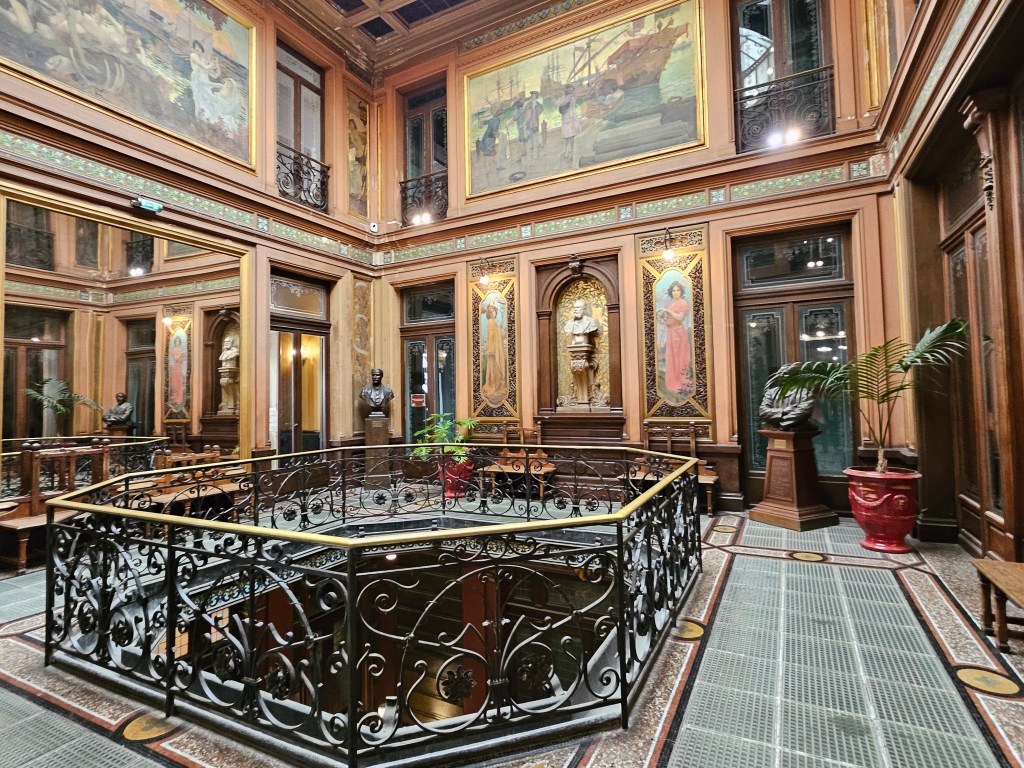
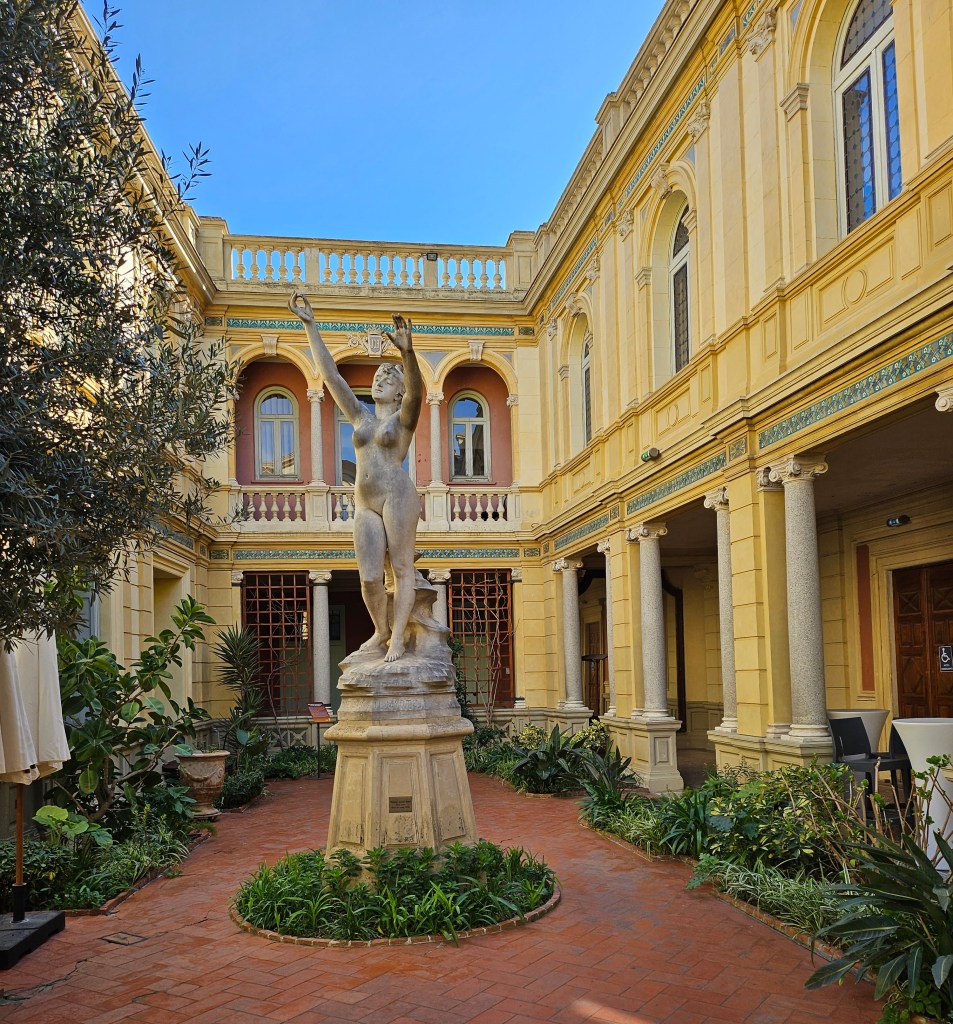
From the castle, I walked into the old town where I went first to the Hôtel Pams. This is a splendid Art Nouveau mansion, which was the former residence of a local businessman who had made his fortune from the manufacture of JOB cigarette papers, which are still made to this day. The house is named after Jules Pams, a French Senator, who married the daughter of the manufacturer who originally had the house built, and he remodelled the interior to be as it can still be seen today.
Walking around Perpignan, it is noticeable that all street signs and other official notices are bilingual in French and Catalan. Although officially in the French Department of Pyrénées-Orientales, this region is also often called North Catalonia. The Catalan Dragons Rugby League team, who play in the British Super League, are based in Perpignan.
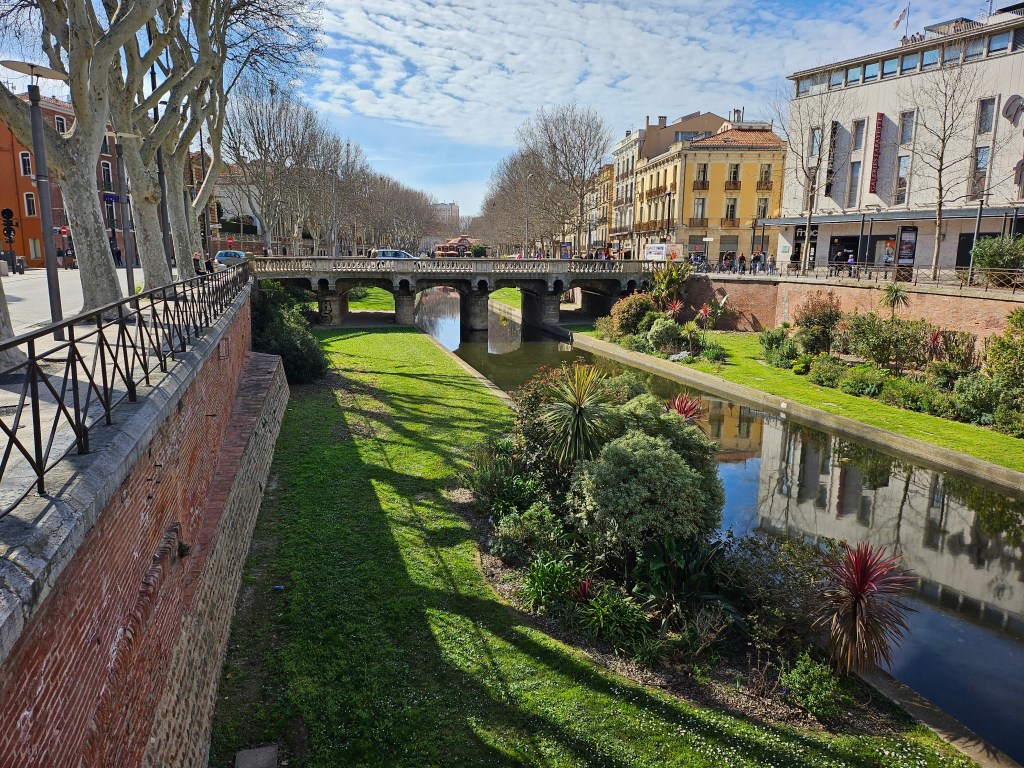
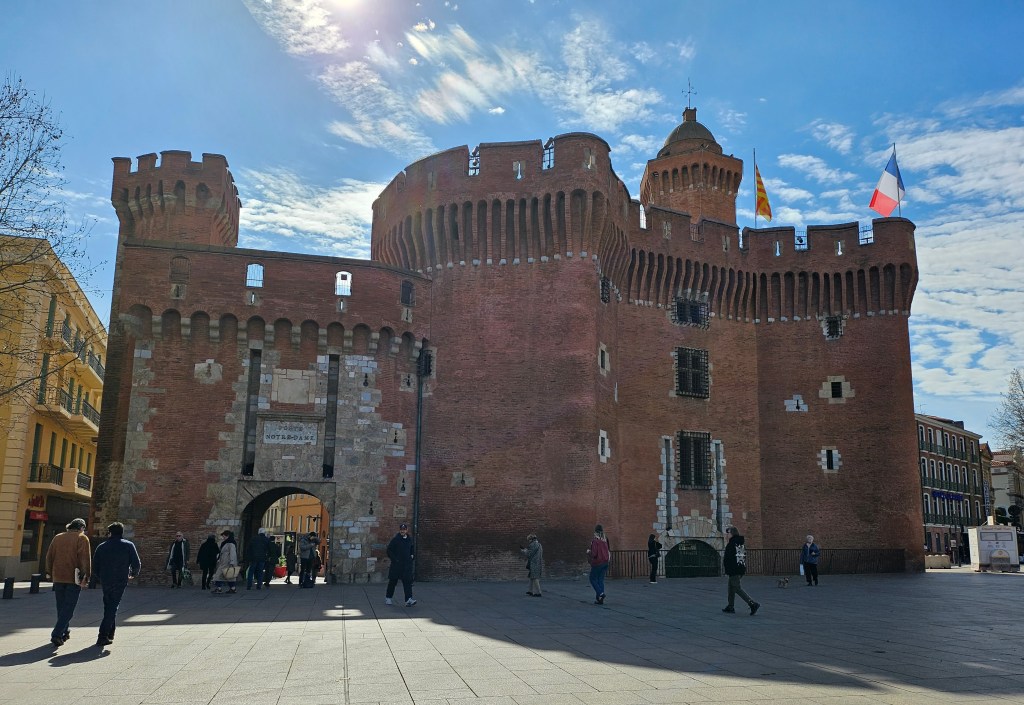
The Castillet is a fortress which once was also a city gate by the side of the River Basse. (The Basse flows into the Têt in Perpignan.) I went inside the Castillet, which contains a small museum of local history, and climbed the tower to the top.
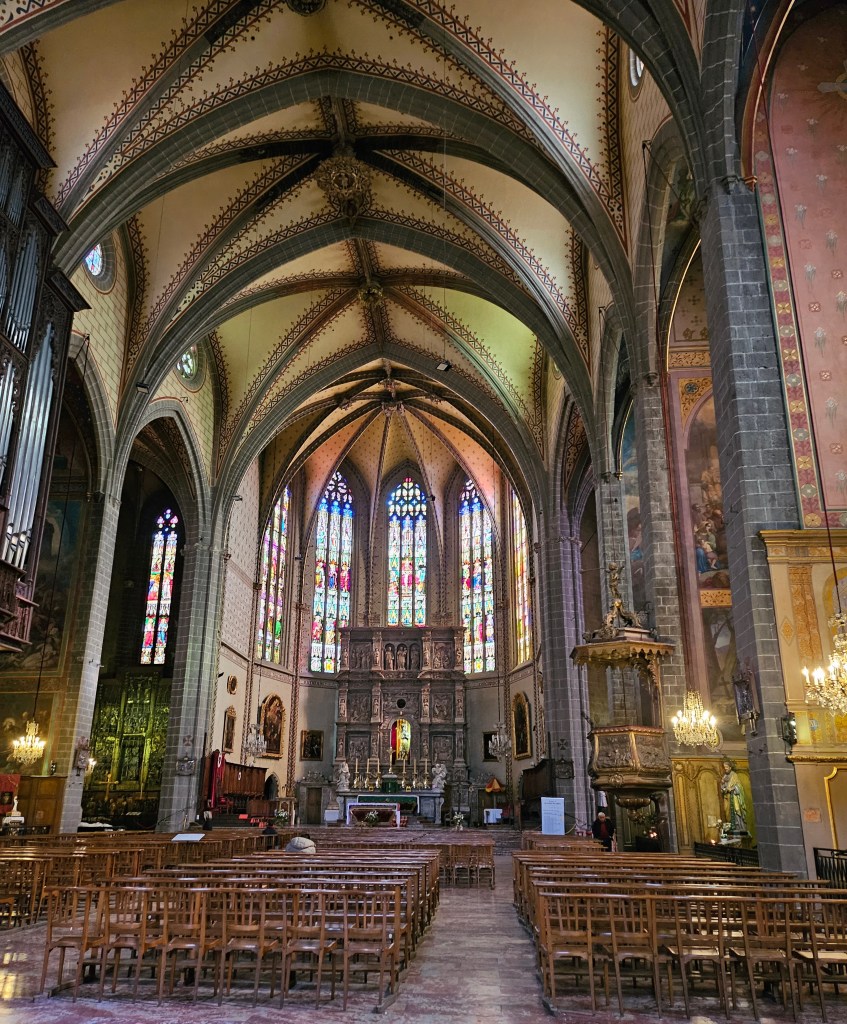
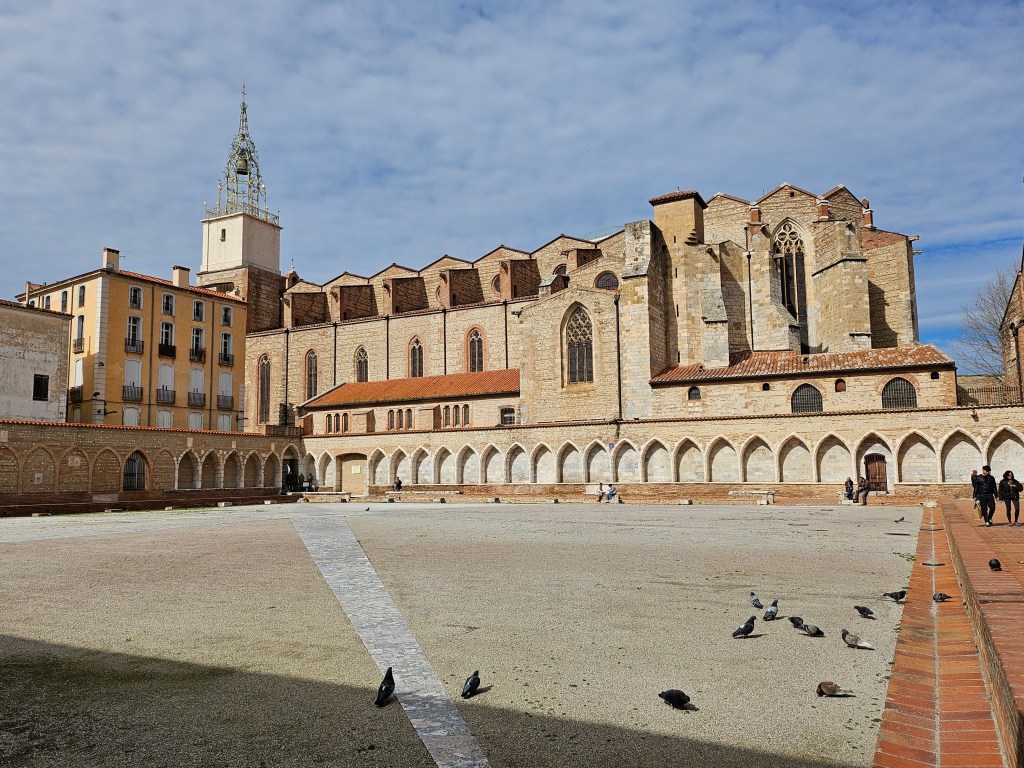
I then went to Perpignan Cathedral, dedicated to John the Baptist. It is similar in style to Girona’s cathedral and also has a very wide nave. Next to the cathedral is the Campo Santo a large medieval cloistered cemetery.
Casa Xanxo, a former residential house, now contains an exhibition on the interpretation of Perpignan’s architectural heritage, which I found interesting, but it did not take long to look round. From there I went to Perpignan’s main art museum named after the Catalan artist Hyacinth Rigaud. Rigaud’s most famous work is his portrait of Louis XIV, now in the Louvre. The gallery in Perpignan contained a number of Rigaud’s other works, as well as a diverse collection from across many eras.
Having visited all the museums and places of interest that I knew would be open, I then constructed a walk round Perpignan to check other places that I suspected would be closed. I did not find anywhere else to go into, but I did have a thorough explore of the city.
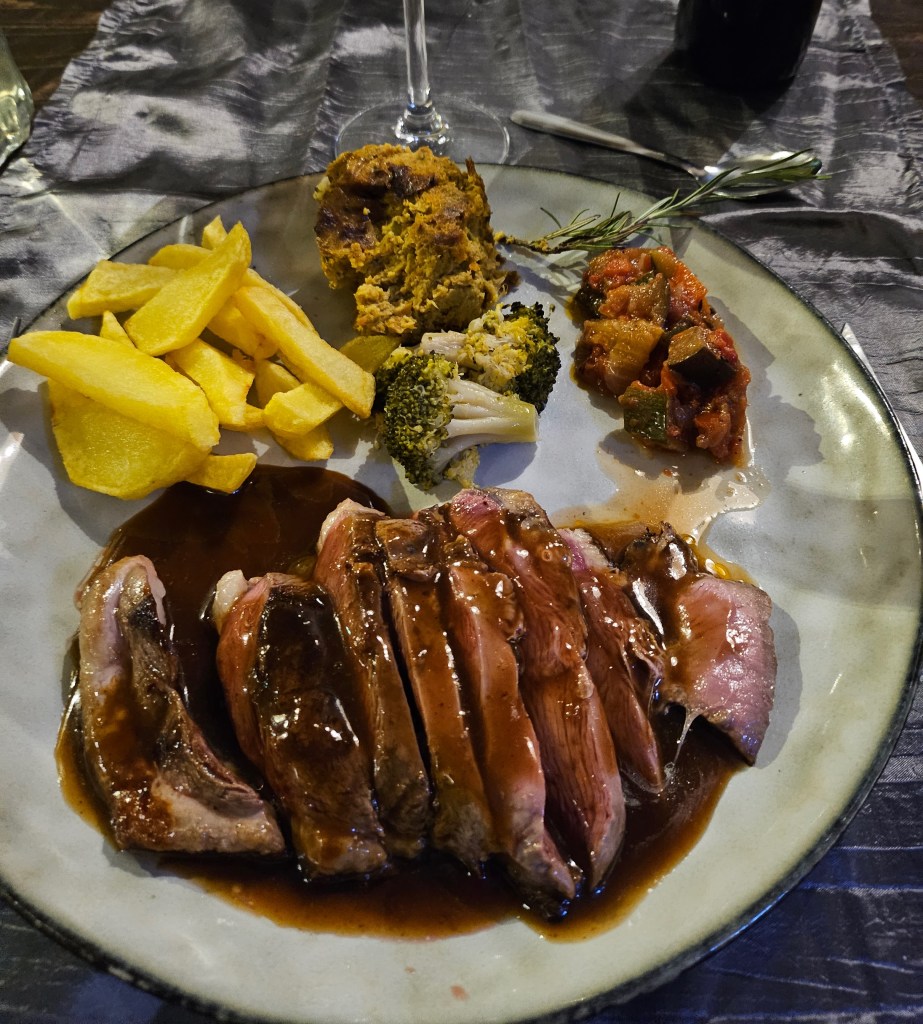
That evening I went to the restaurant near my hotel, where I had already booked a table. In this traditional French establishment I dined on salmon to start with, followed by duck. I finished with a generous selection of cheeses. All of which were washed down with a the local Côtes du Roussillon.
Day 5 – Sunday 2nd March 2025 – Perpignan to Narbonne
There was an hourly train service from Perpignan to Narbonne through most of the day, apart from a 2½ hour gap in the morning. Consequently, to give me plenty of time in Narbonne an early start was required, catching the 0807 train.
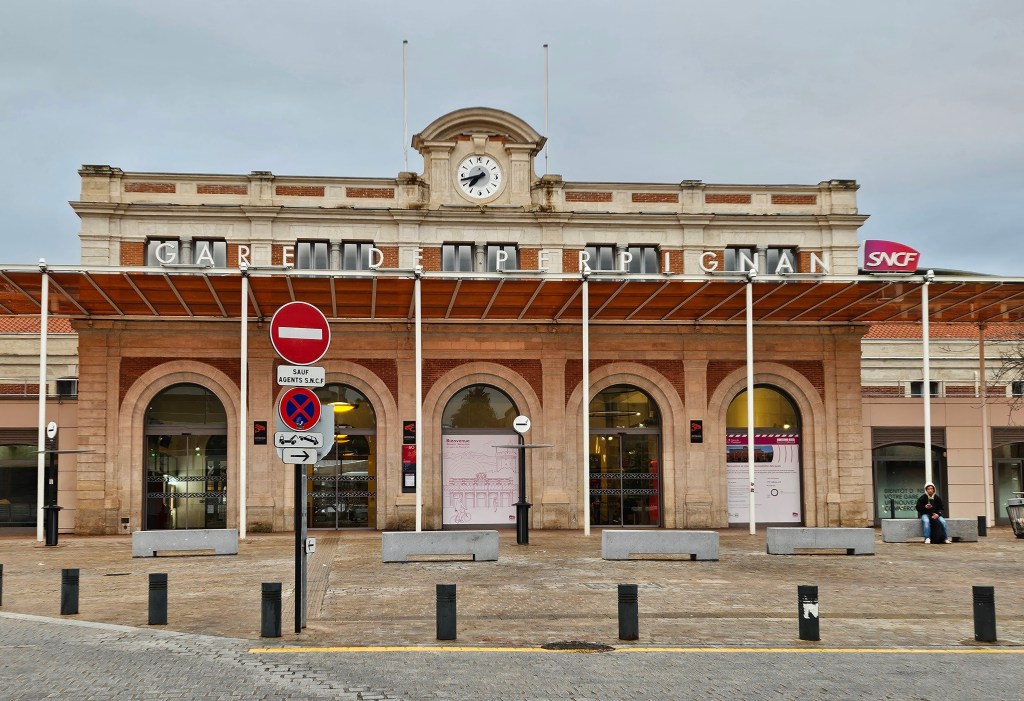
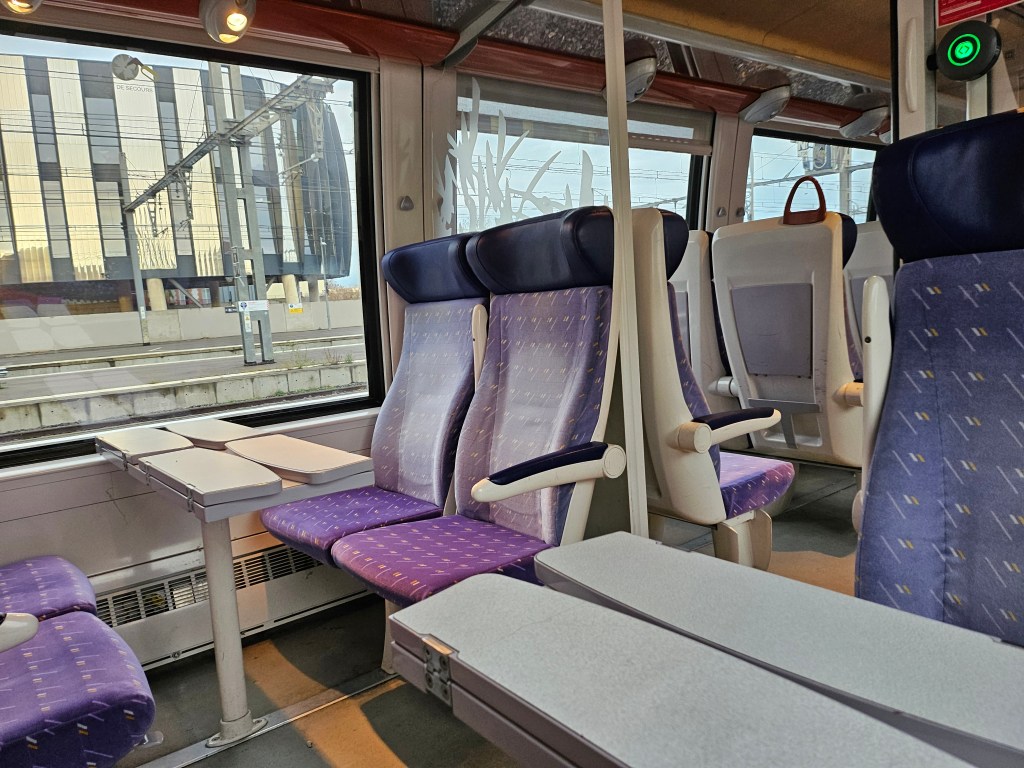
Salvador Dali declared Perpignan station to be the “Centre of the Universe” after experiencing a vision of cosmogonic ecstasy there in 1963. I am sorry to report that I had no such experiences while waiting for my train. What was odd was that when I checked the departures a few days in advance, SNCF were not selling any tickets from Perpignan to Narbonne for the Sunday I was travelling, claiming that all the trains were full. I don’t know how they reached this conclusion, as the ticket that I had bought was valid to travel on any local TER train that day. It seemed inevitable that my carriage for the hour long journey to Narbonne was virtually empty! Perhaps SNCF didn’t want to risk having too many people experiencing cosmogonic ecstasy at the same time.
I had changed trains in Narbonne when travelling from Beziers to Toulouse in 2023, and had made a note at the time to pay the city a proper visit on another occasion. My accommodation in Narbonne was very near the station, so I went there to try to drop off my bag. However, I discovered that it was not a fully fledged hotel, but a number of rooms run by a sole proprietress who had emailed a code to enter the courtyard of the establishment. Once in there, there was a vending machine to dispense the key to your room. There was nobody about to ask about leaving a bag and it was too early for the machine to dispense my key.
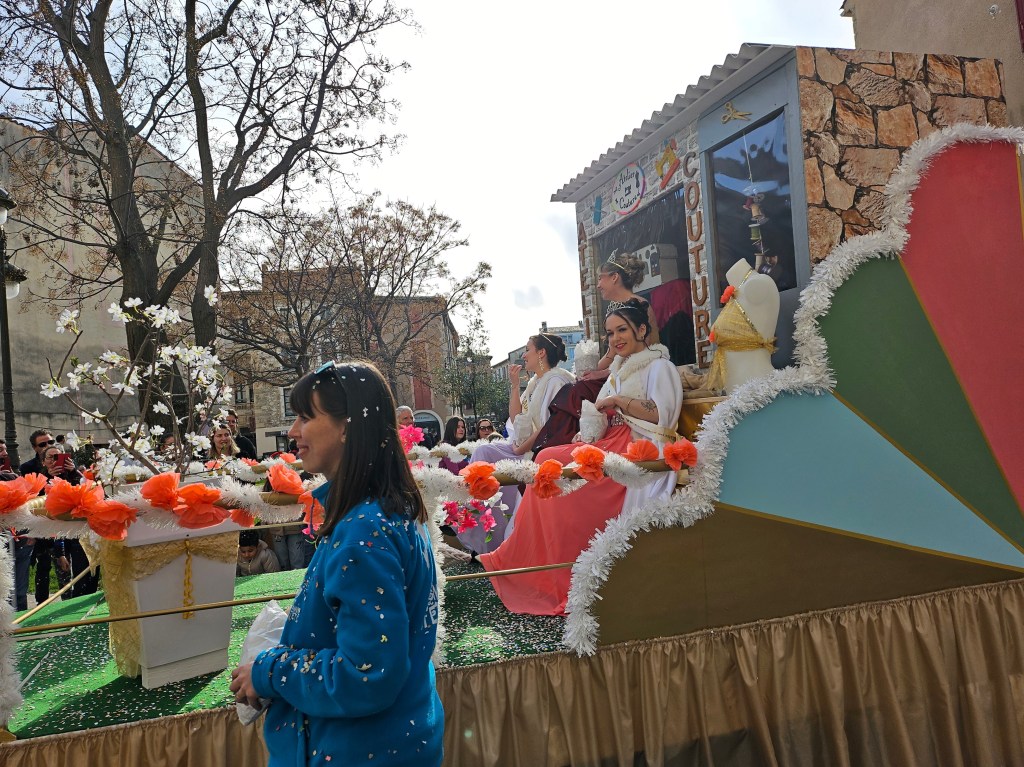
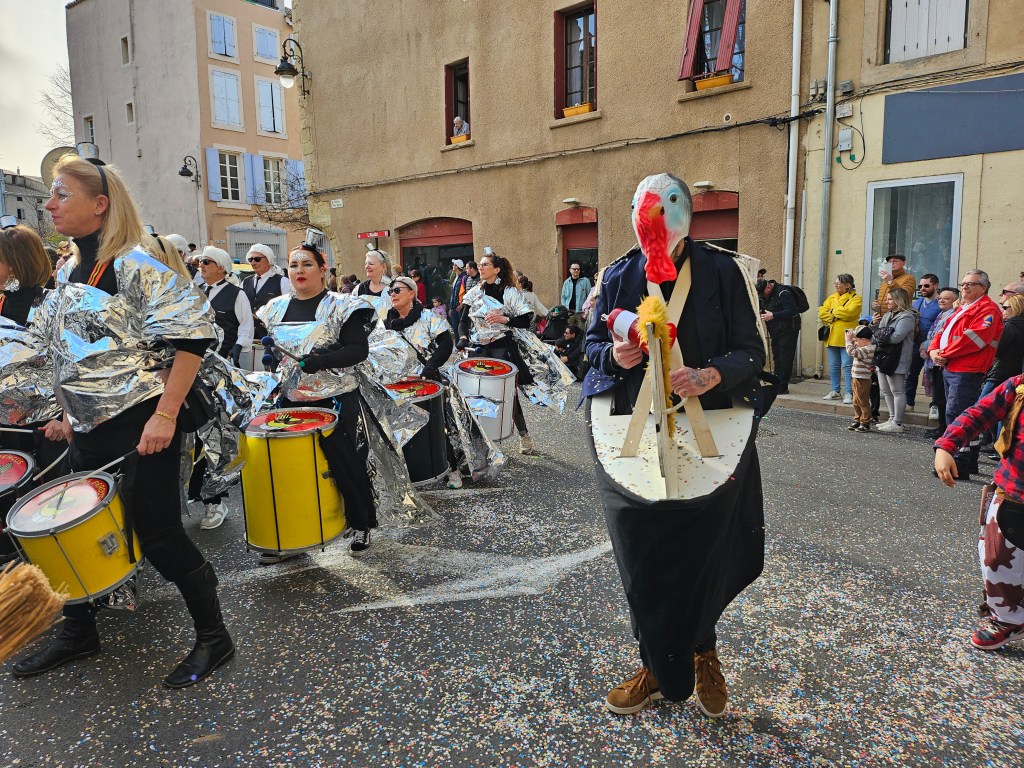
I walked into the centre of Narbonne, before anything had opened and before there were many people about. After a while I started hearing noises and these led me to find a group of drummers who were promenading through the city to advertise that Narbonne’s Carnaval Parade would be setting off at 3pm that afternoon.
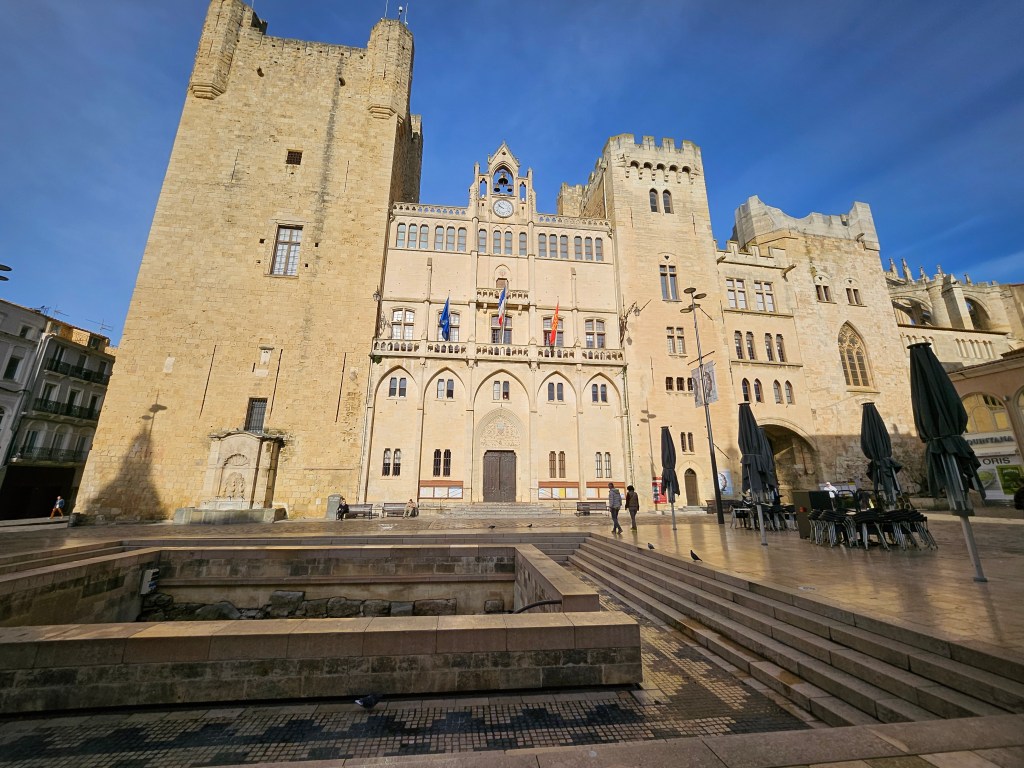
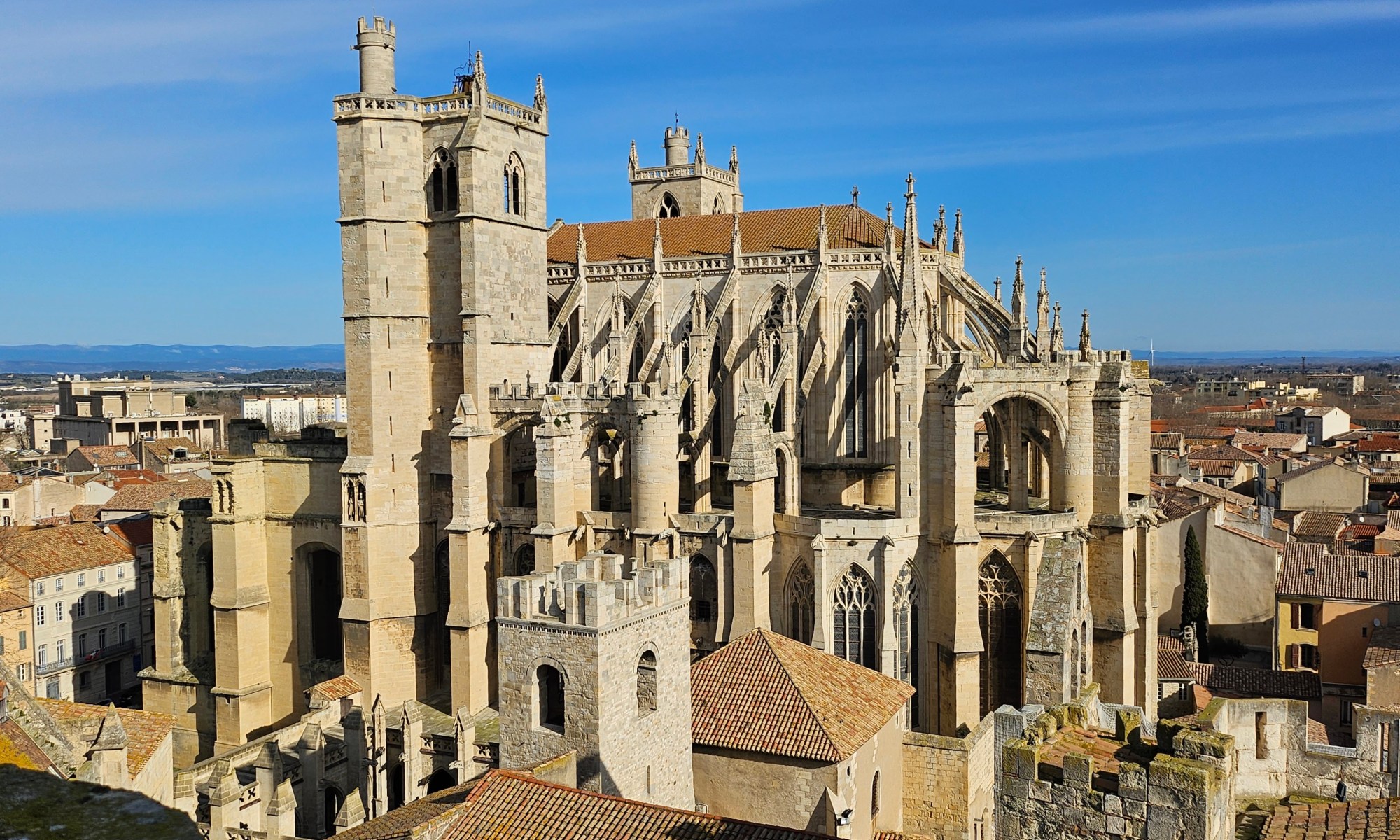
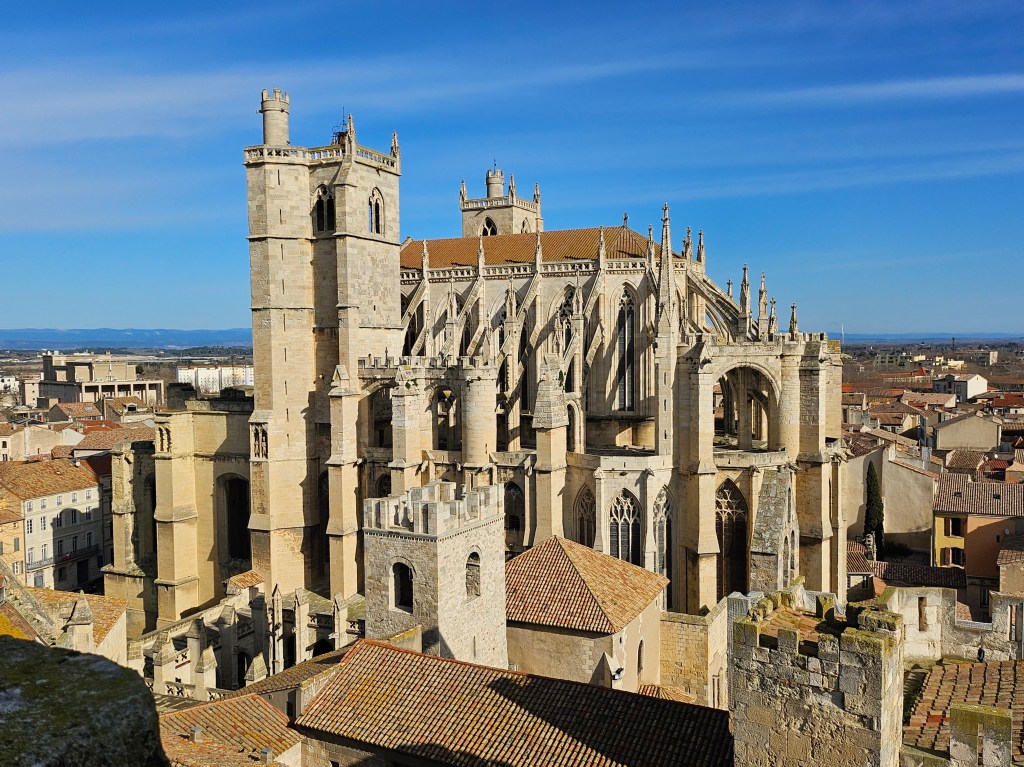
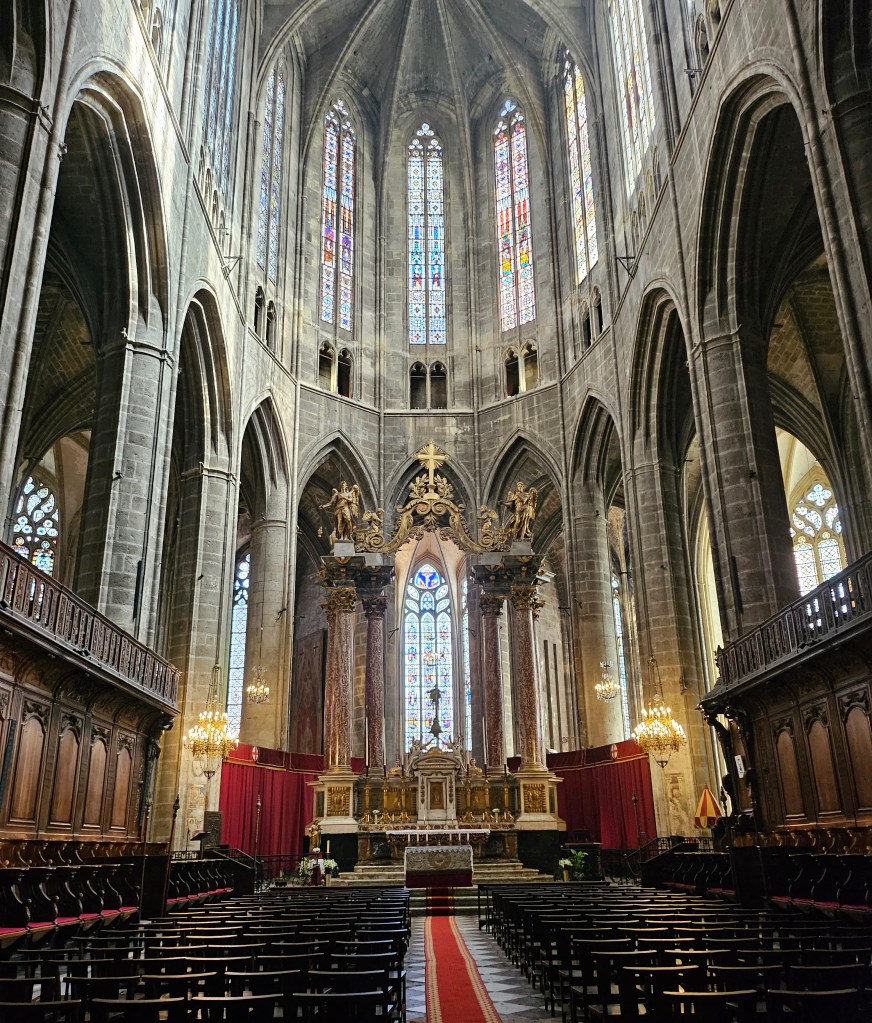
It was the first Sunday in the month, when all publicly run museums in France have free entry – so I did not have to pay anything to visit any of the places I went to that day. Once it opened, I went to the Archbishop’s Palace next to the cathedral. First I climbed the Donjon tower with good views over the cathedral and the city from the top. Much of the rest of the Archbishop’s Palace is now the city’s art gallery, where I spent some more time. Being Sunday morning, mass was being celebrated in the cathedral, so I had to postpone visiting there until the afternoon.
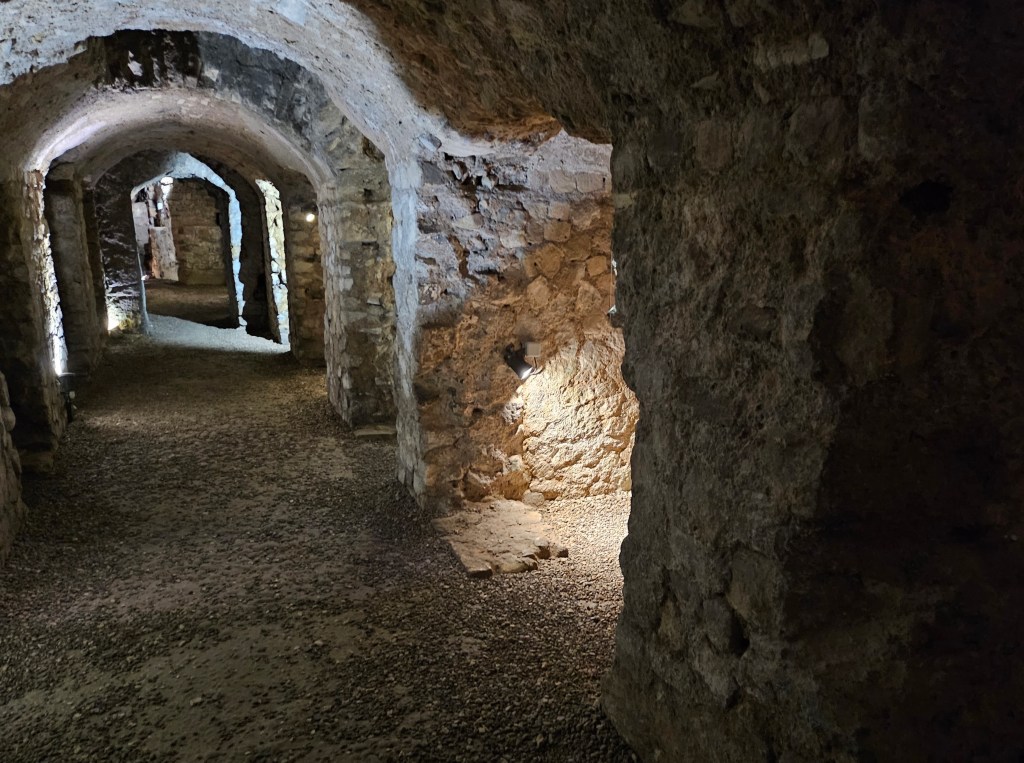
Narbonne was a Roman port city, known as Narbo, when it was on the Mediterranean, before longshore drift created the lagoons which now cut off direct access to the sea. A short walk away from the Archbishop’s Palace is L’Horreum the partially excavated remains of a Roman granary. I explored the underground passages to the full extent that you could, crouching down so as not to bang my head on the low ceilings.
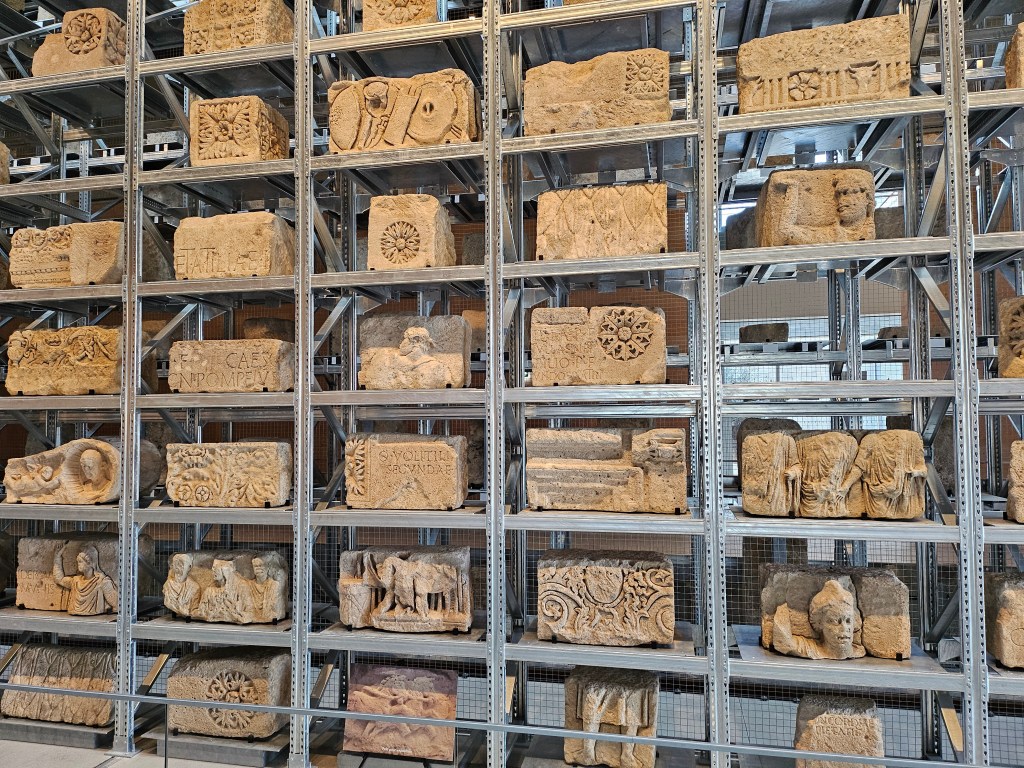
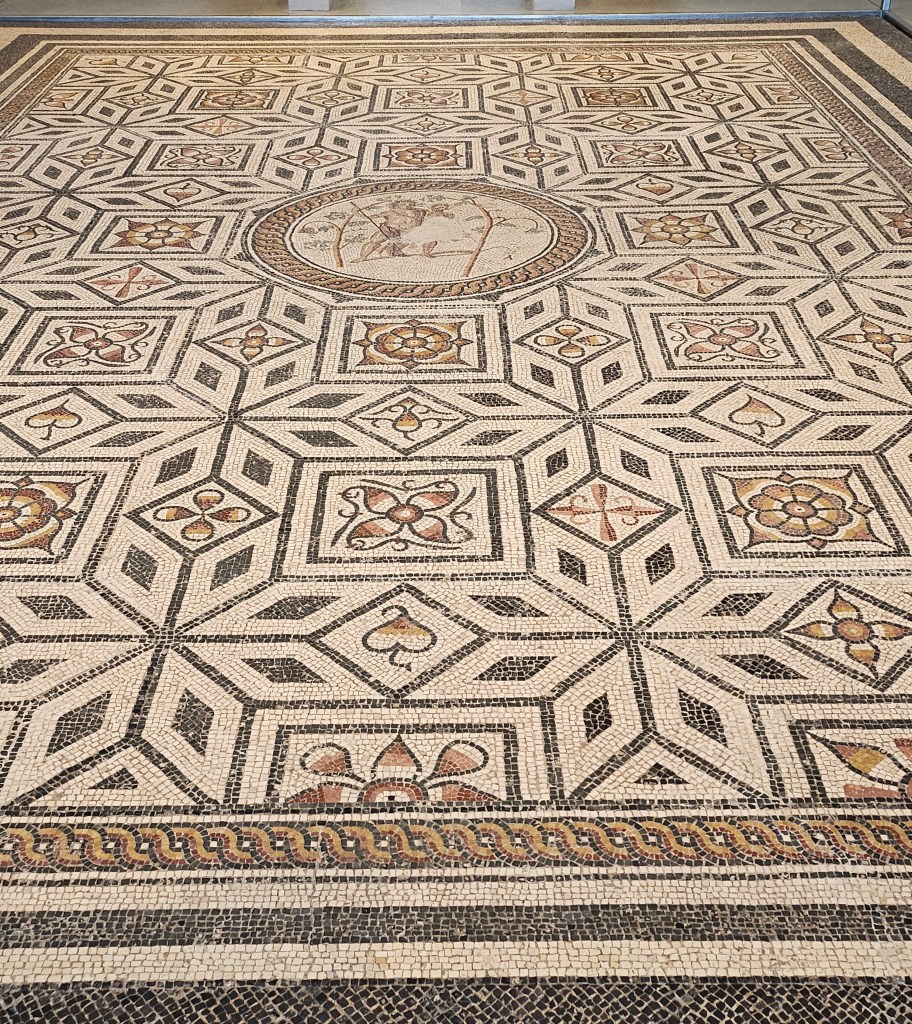
The main Roman museum, Narbo Via, is on the edge of the city. I walked there, pausing on route by the banks of the Canal de Robine to eat my lunch. Narbo Via is an enormous museum filled with a large number of Roman artefacts. At the time of my visit there was a special exhibition on Narbo’s role as a Mediterranean port.
On my way back to the centre of the city it felt as if the first hints of spring arriving were in the air, which was sufficient for me to treat myself to a lemon and basil ice cream. It was now possible to visit Narbonne Cathedral. Building of the cathedral was begun in 1272, but it was never completed as the original plans involved demolishing the part of the city wall. Within the cathedral, I was also able to access its Treasury.
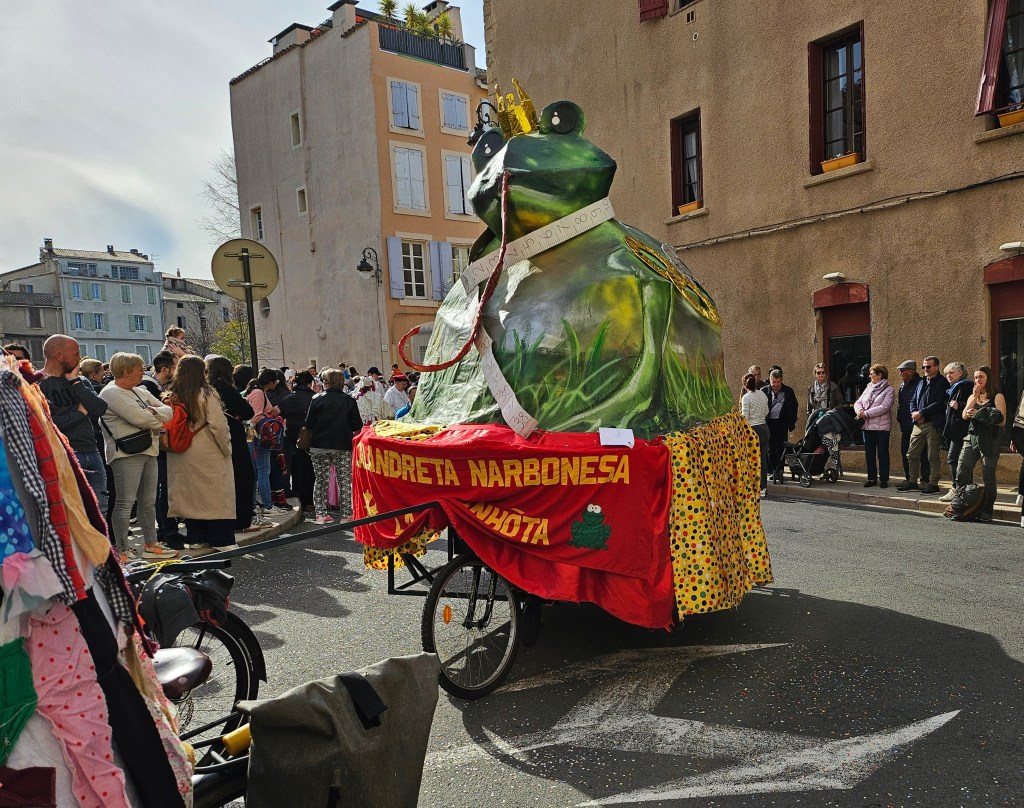
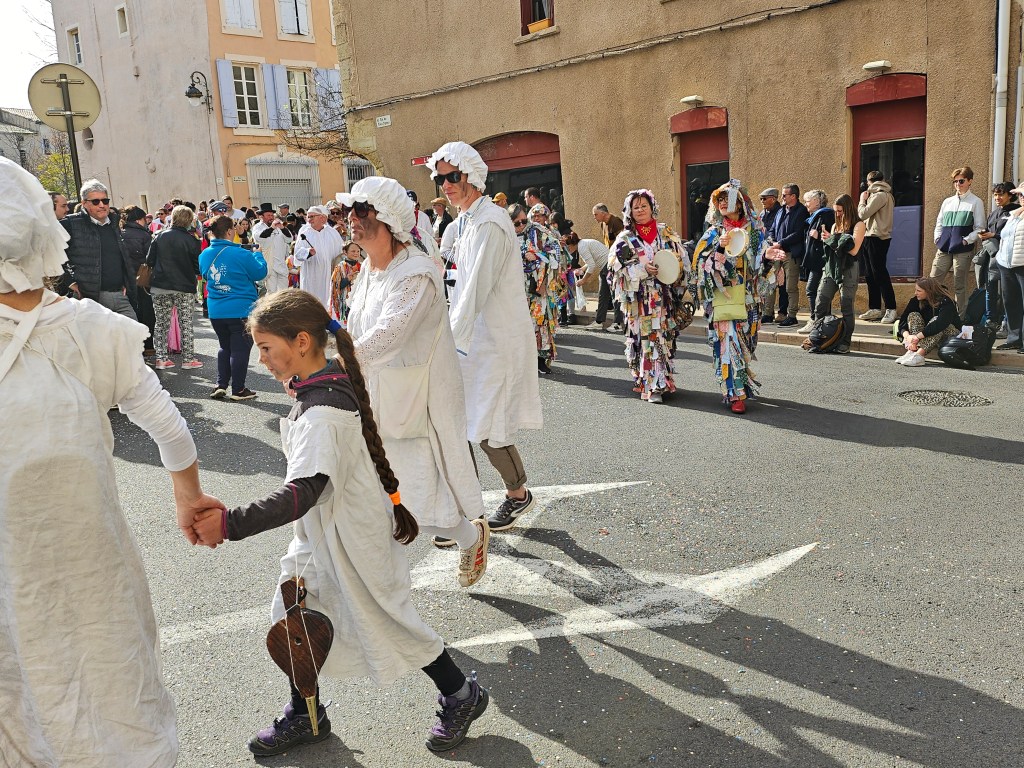
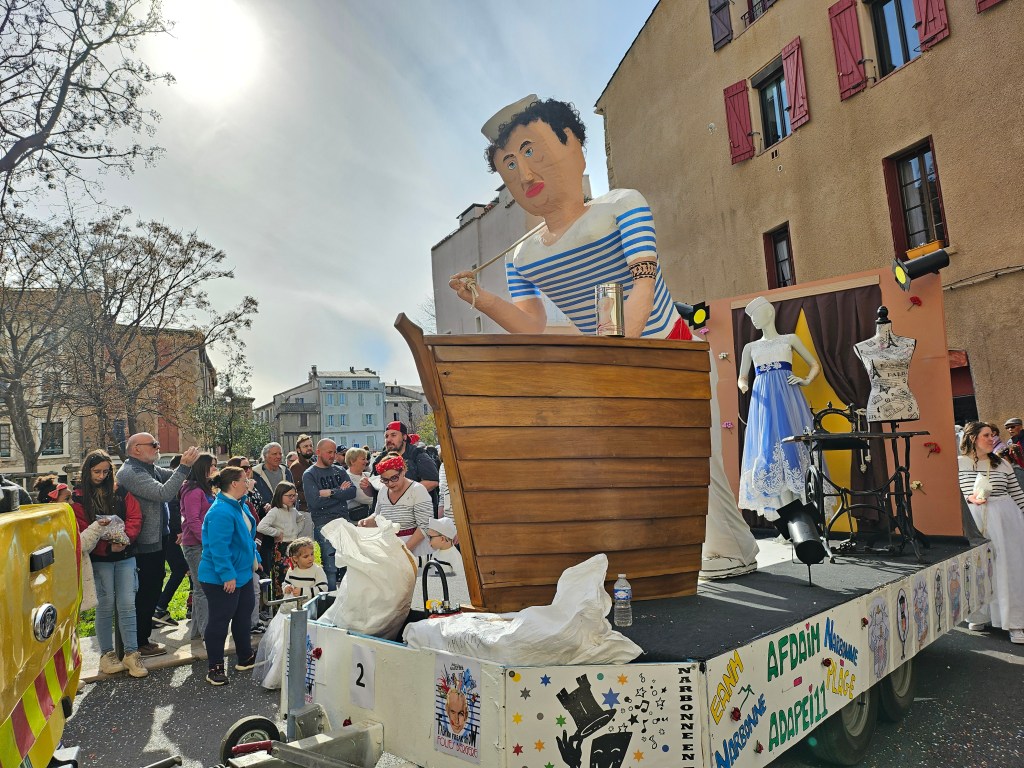
I then walked back along the route of the Carnaval Parade to near where the floats and marchers had assembled for their 3pm departure. I picked a spot on a corner to wait for the parade to go past where I would get a good view. I thought the Carnaval Parade was rather sweet, more akin to something you would have at an English village fête rather than the more debauched affairs that you might encounter in Germany or Spain. A feature of the parade is that both the marchers and the spectators throw confetti over each other. I tried to brush all the confetti off me before I went to where I was staying that night, but I hadn’t realised how much must have gone down the back of my neck, some of which I didn’t find until I was showering the next morning.
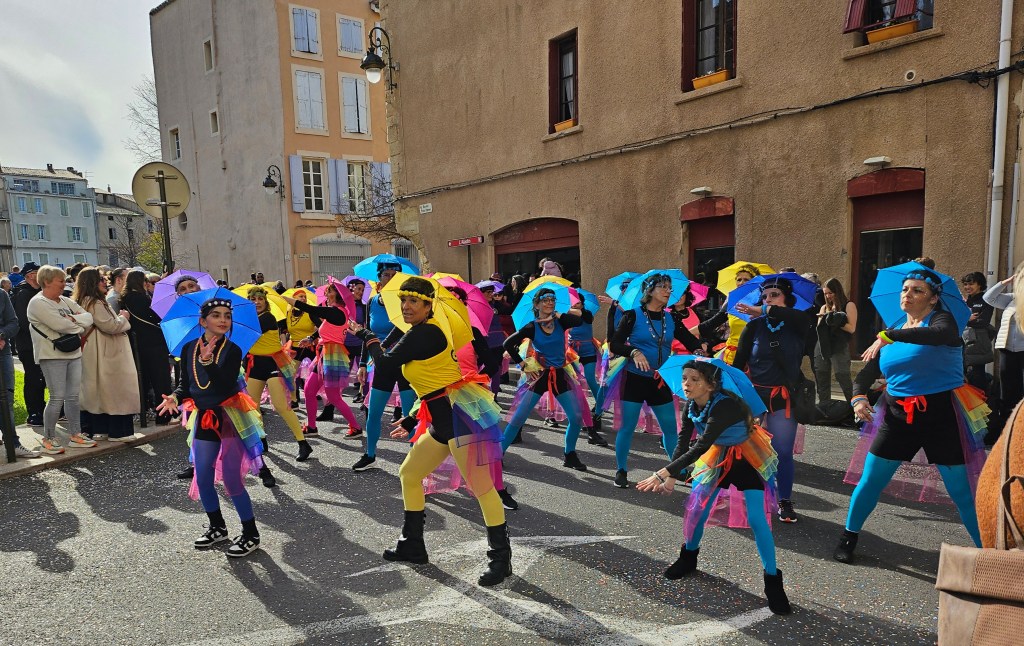
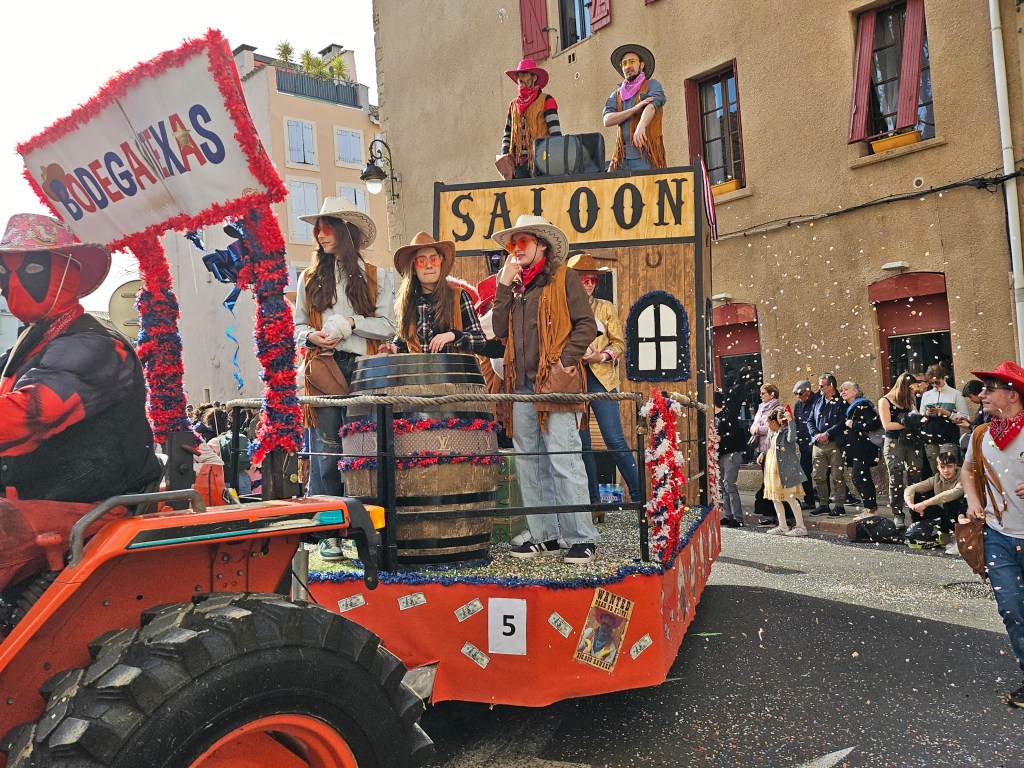
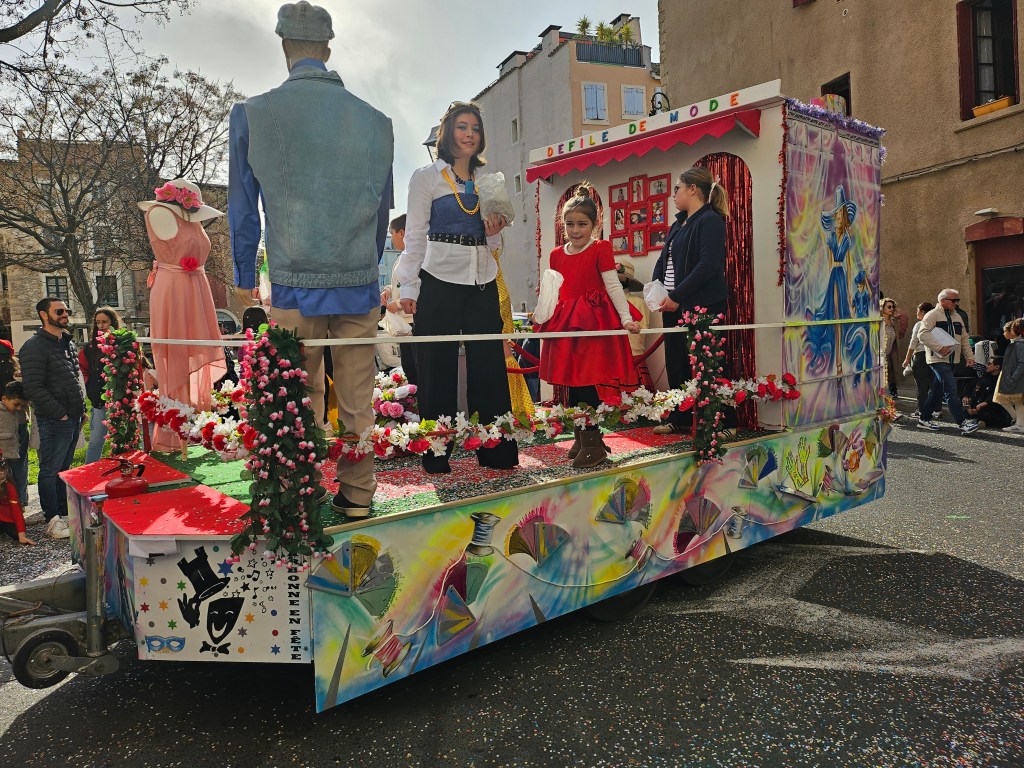
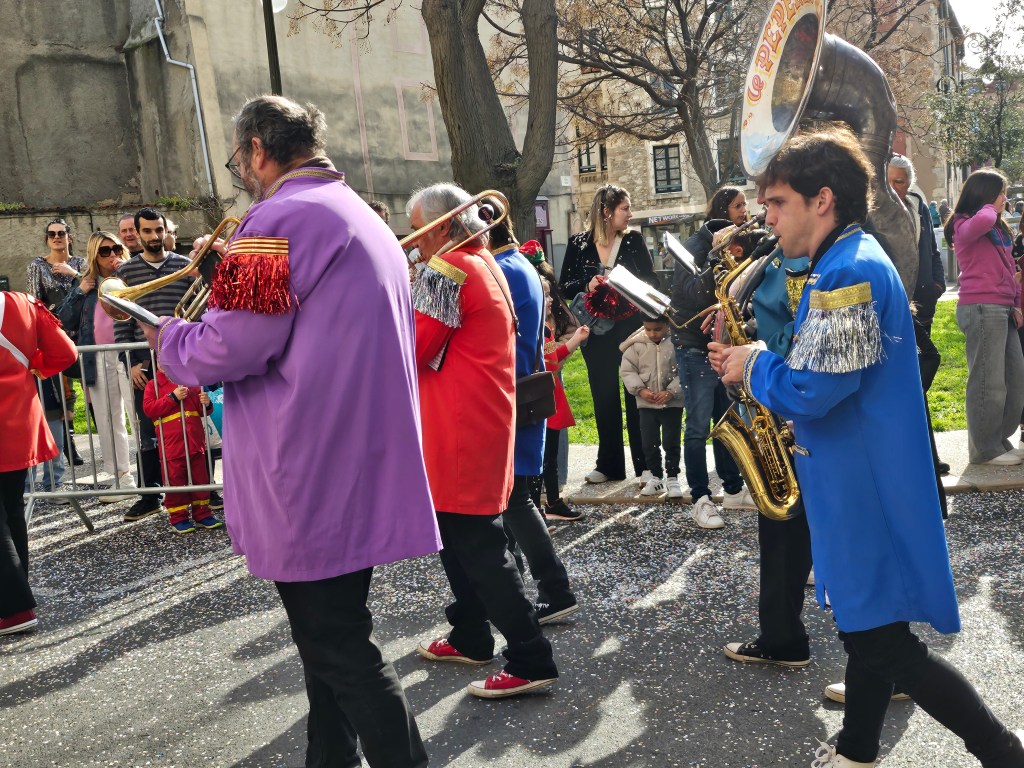
When I returned to my accommodation, the vending machine was now prepared to dispense a key to me. I had a large room directly off the main courtyard. As I had had a large meal the night before and expected to have another one on the next night, I thought I would try something more modest for this evening’s meal. I went to a grill bar near where I was staying. I had an interesting starter of puréed beetroot, followed by a burger. However, my intention of eating more modestly was thwarted by the size of the burger. During dinner, I was texted by the owner of where I was staying to check that everything was to my satisfaction – this was the only interaction I had with her during my stay.
Day 6 – Monday 3rd March 2025 – Narbonne to Carcassonne
I walked the short distance to Narbonne station to catch the 0905 departure to take me to Carcassonne. I would be travelling on the same line as I had in November 2023, when I caught the equivalent train on a Saturday morning to get to Toulouse. The train I caught on this occasion was much busier than the ‘full’ train of the previous day to Narbonne, with nearly all the seats taken, but not as busy as the Saturday train from 15 months earlier when the aisles were also packed with people standing.
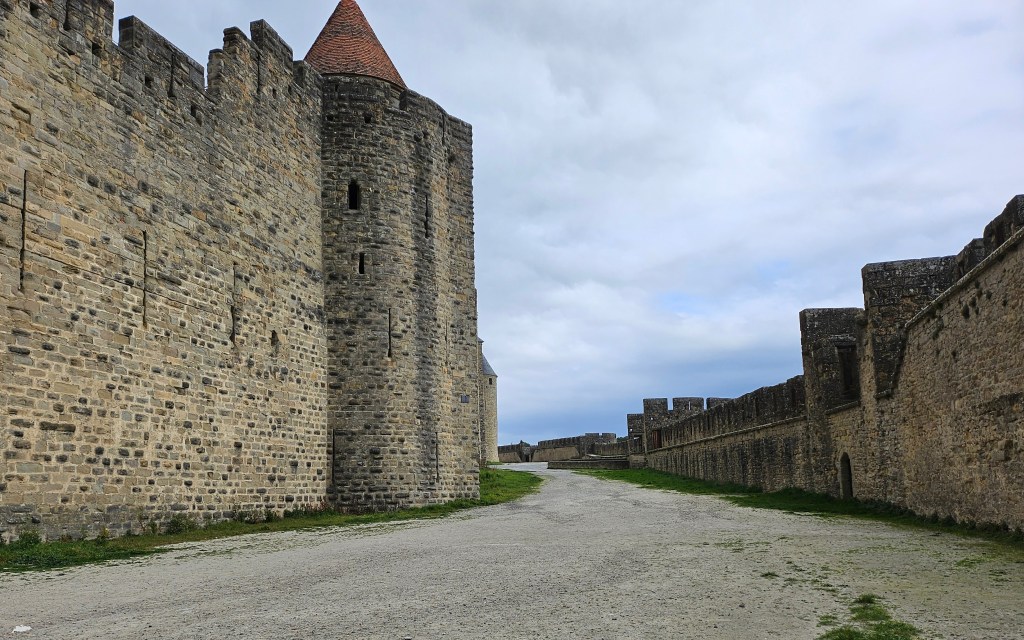
It only takes 30 minutes to travel between Narbonne and Carcassonne. Upon arrival I walked through the fairly quiet lower town, before crossing the Aude river and climbing up to the medieval citadel known as the Cité de Carcassonne. I had previously visited Le Cité de Carcassonne about 40 years ago and thought another visit was now due. On entering the citadel, I walked through the narrow streets of Le Cité to purchase a ticket for the castle, the Château Comtal.
I also picked up an audio-guide to accompany me as I explored the castle. When walking along the exposed ramparts of the castle, it was noticeable that the Cers wind was blowing and the weather was significantly colder than on any previous day of this trip. It was a relief when I went inside the castle to get shelter from the cold wind. My audioguide informed me that in the early 19th century there was a plan to demolish much of the citadel, but this was successfully opposed by Prosper Mérimée in his role as Inspector-General of Historical Monuments. He is largely responsible for the fact that the old city remains as it is today. I thought that the name Prosper Mérimée seemed familiar and I remembered that he wrote the novel on which Bizet’s opera Carmen is based.
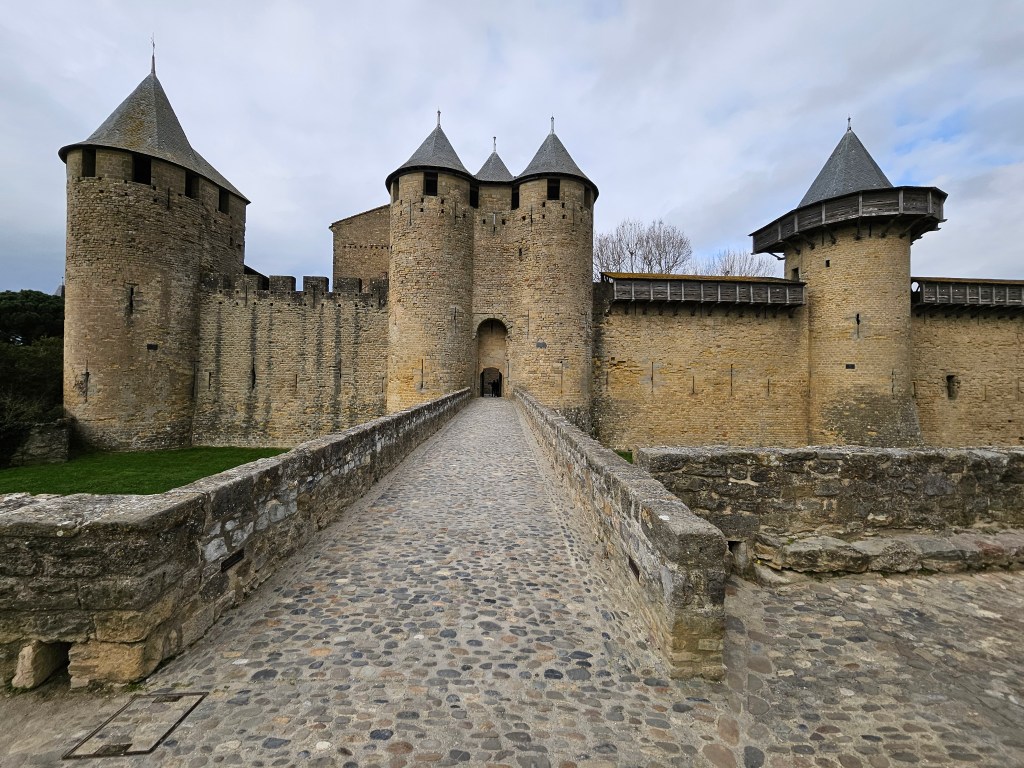
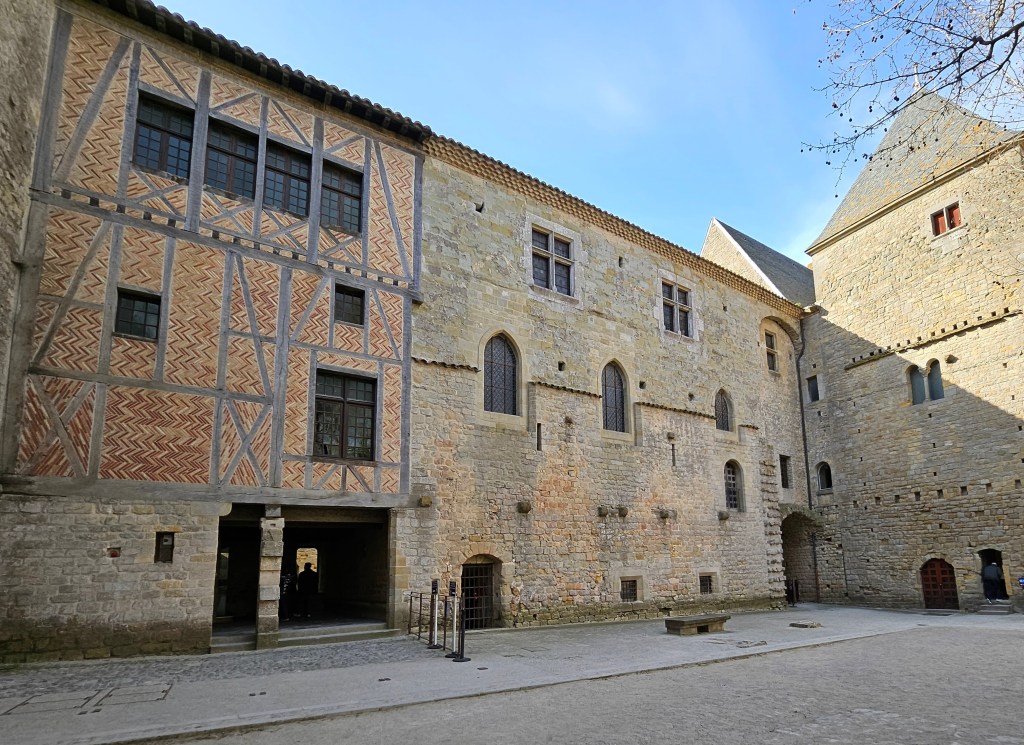
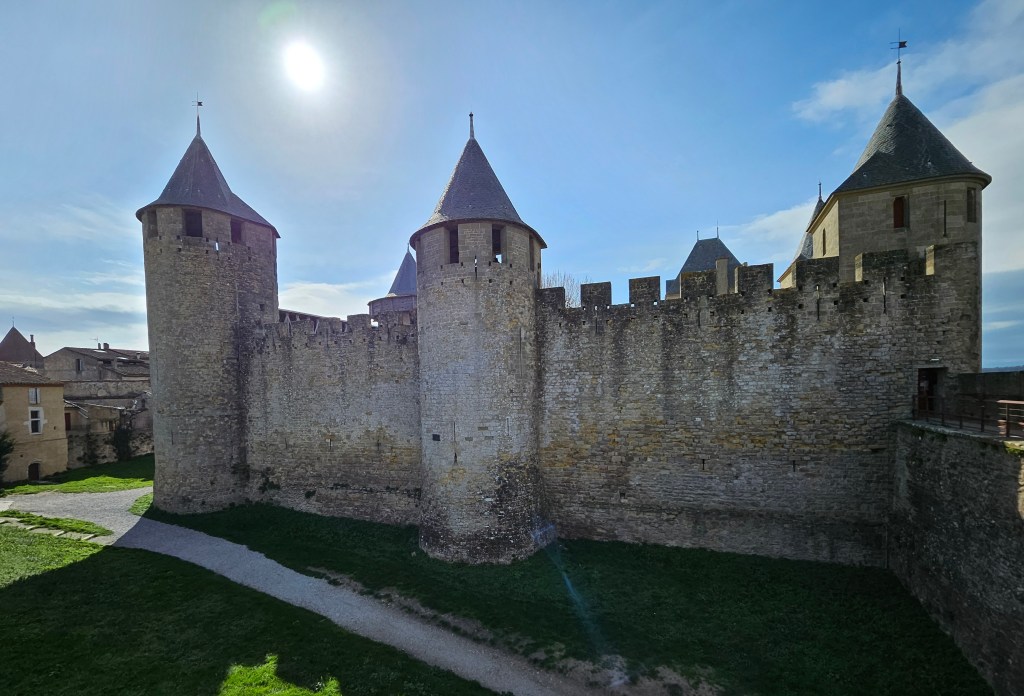
When I had finished with the castle proper, my ticket allowed me to do a full traverse of the ramparts of the inner wall of the citadel, which took nearly an hour to complete.
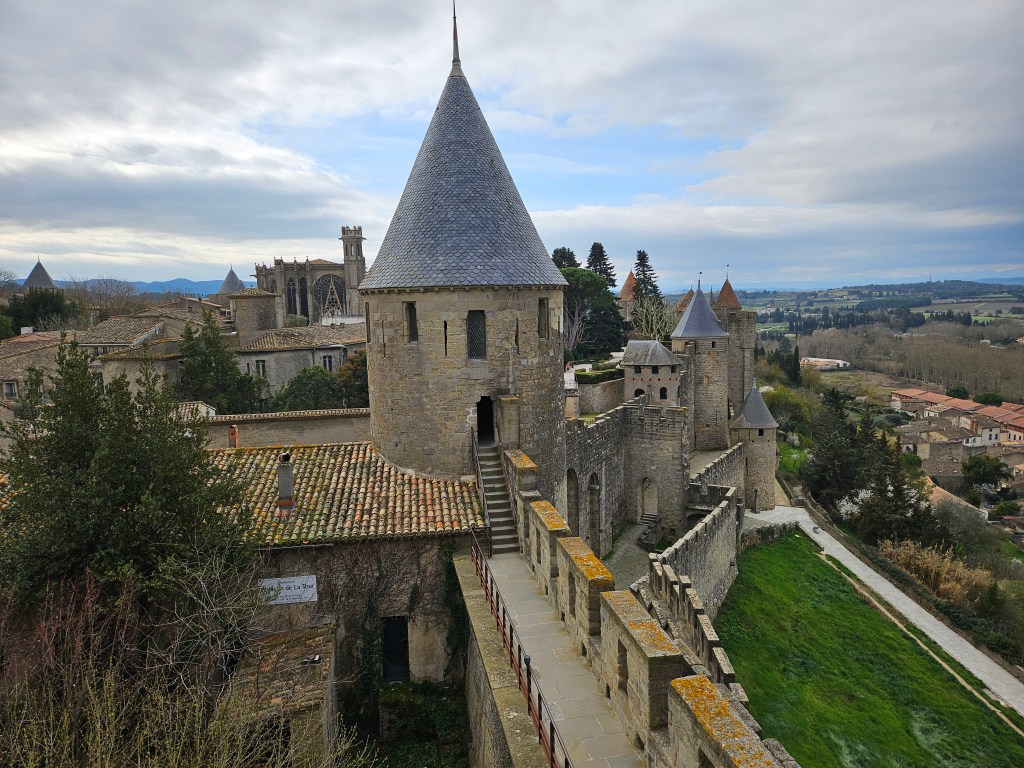
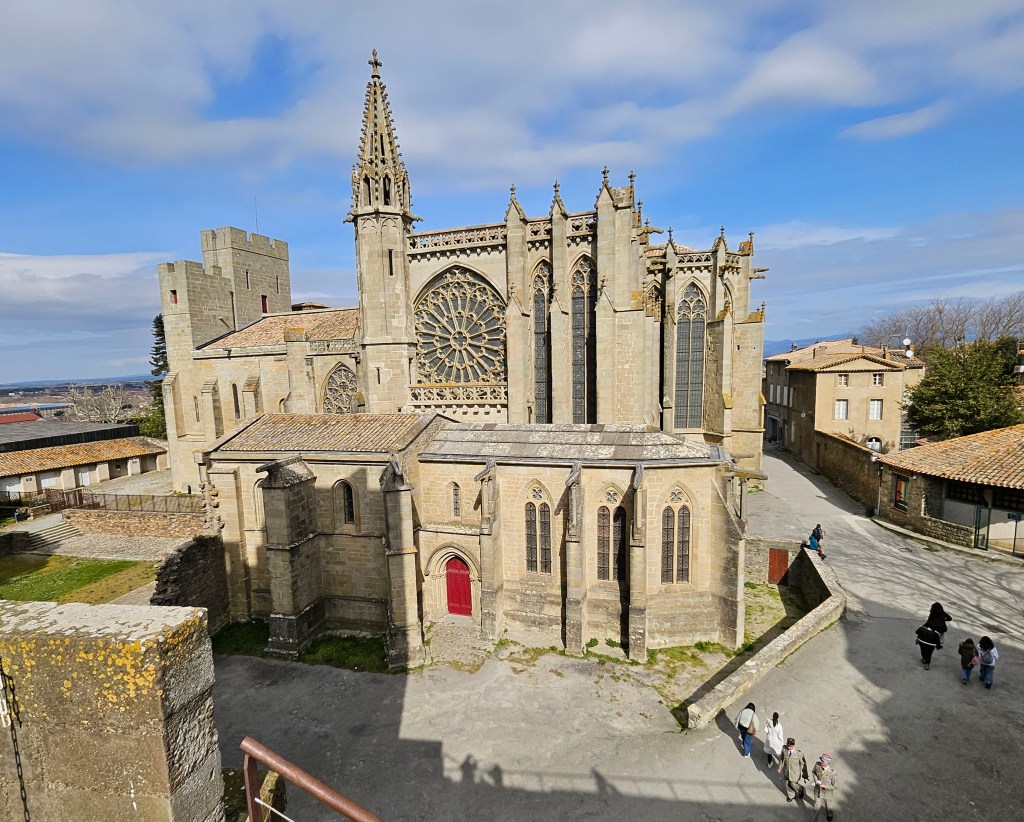
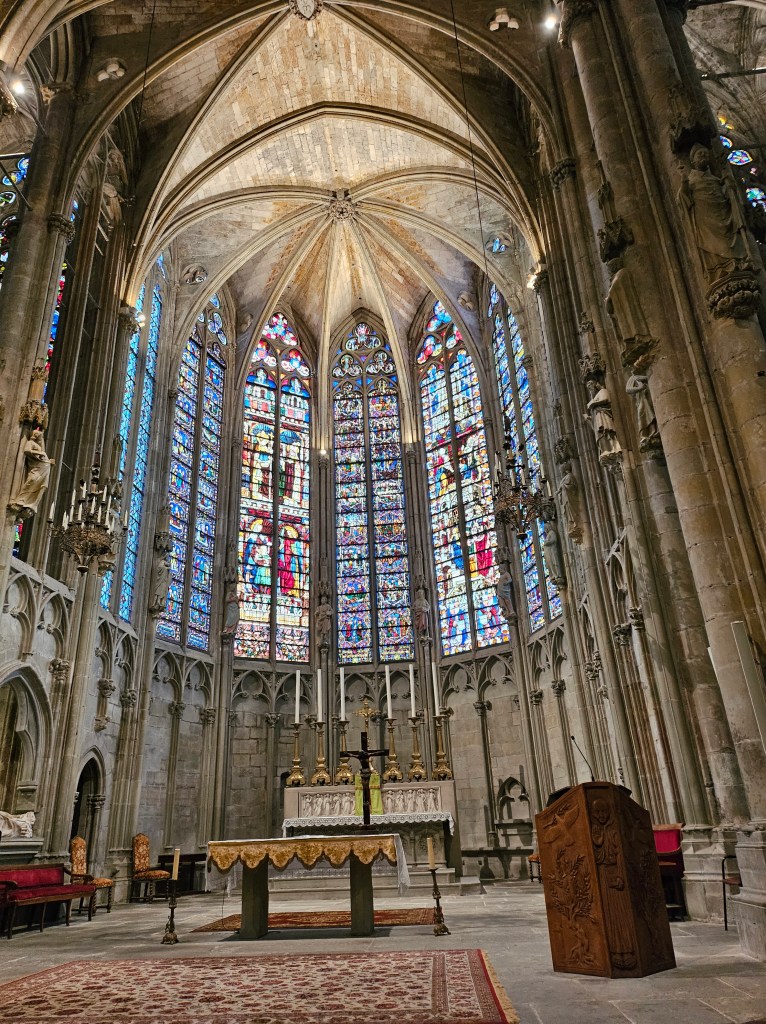
Next I went to the Basilica of St Nazaire. This used to be the cathedral of Carcassonne, but lost that role when the title was bestowed upon a church in the lower town, reflecting the shift in population. I remembered visiting the Basilica of St Nazaire on my previous visit in the 1980s and on that occasion I recall much was made of it being the original burial place of Simon de Montfort, 5th Earl of Leicester (not to be confused, as I did, with his son of the same name, the 6th Earl, who arguably created the first English parliament). However, on my visit this time, I was puzzled that I could not initially find Simon de Monfort’s tombstone, which I was sure had been well signposted previously. Only some internet research led me to find it, now anonymously placed on a side wall of the transept.
When planning my trips, what to do on a Monday, the traditional closing day of many museums, is a challenge. I knew that the civic art gallery and some other places in the lower town would be shut, but I thought that there should be enough to keep me occupied. However, further research indicated that an open museum within the citadel was a rather tacky overpriced tourist trap, so I decided to give it a miss. So instead, I walked a complete circuit between the inner wall whose ramparts I had traversed earlier and the outer defensive wall of the citadel.
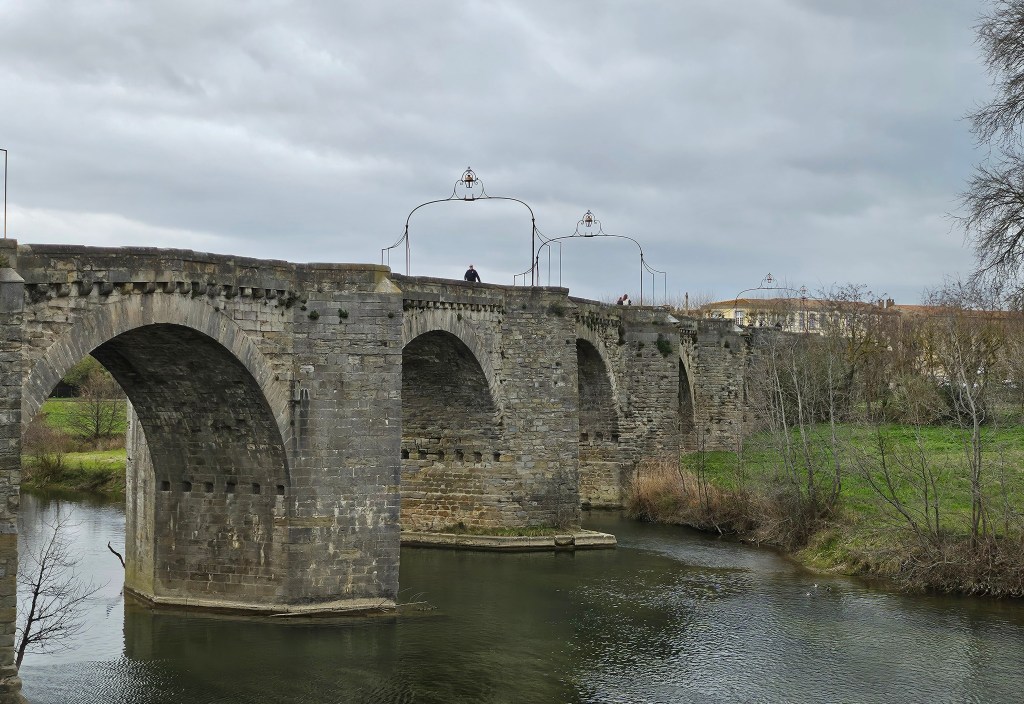
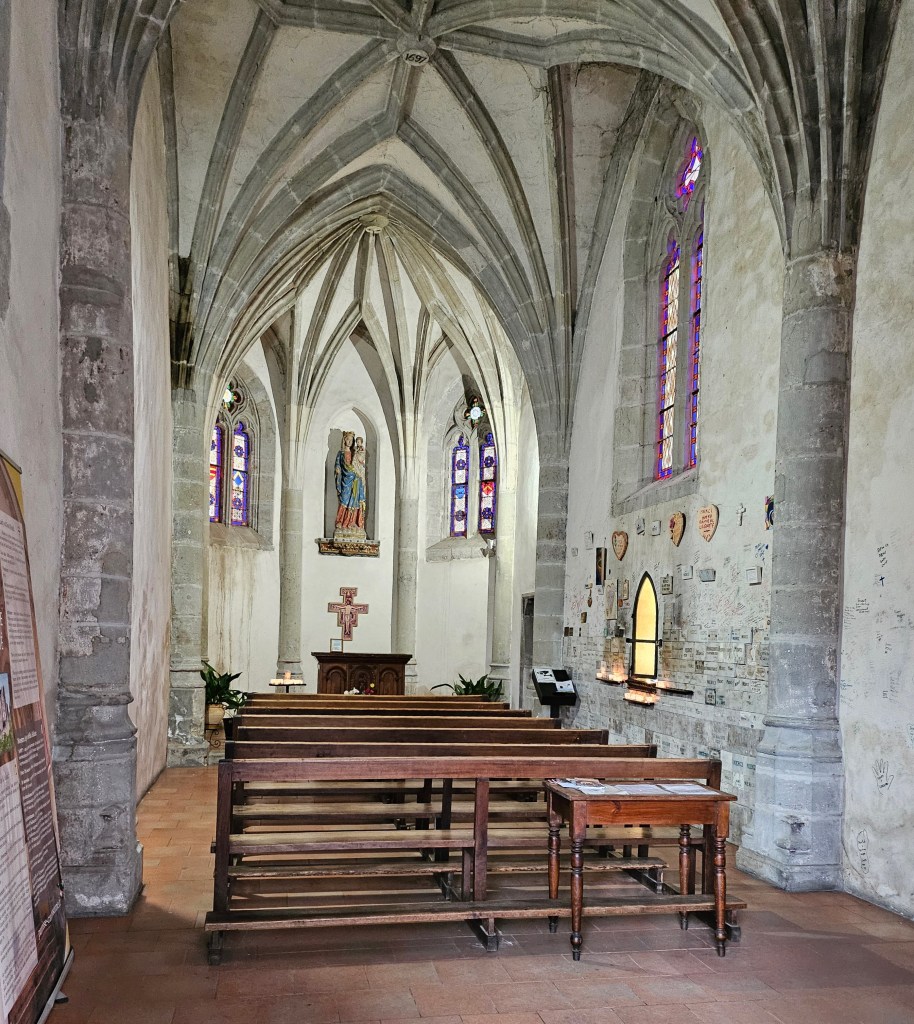
According to my research there were a couple of open attractions on Monday afternoon – a military museum and a church tower that you could go up. So I decided to return to the lower town via the pedestrianised Pont Vieux, only to discover that both of these were firmly shut. That evening, I was staying in a bed and breakfast, rather than a hotel, whose owner had indicated that he would be around to let me in from about 4:30pm onwards. That meant I had a bit of time to kill. I went for a walk along the Canal du Midi, but after a while the cold Cers wind started to get to me, so I just found a café where I had a cup of coffee to warm up. I then ventured back to the Pont Vieux to investigate the chapel located at one end of it.
That evening, I had a communal dinner with some other guests at the place that I was staying. It was a delicious four course meal, with wine. Everything was freshly cooked and homemade. There was duck and apricot pie to start with, followed by lamb shank with bean salad. I was then offered a selection of local cheeses and finally homemade apple cake served with pear ice cream.
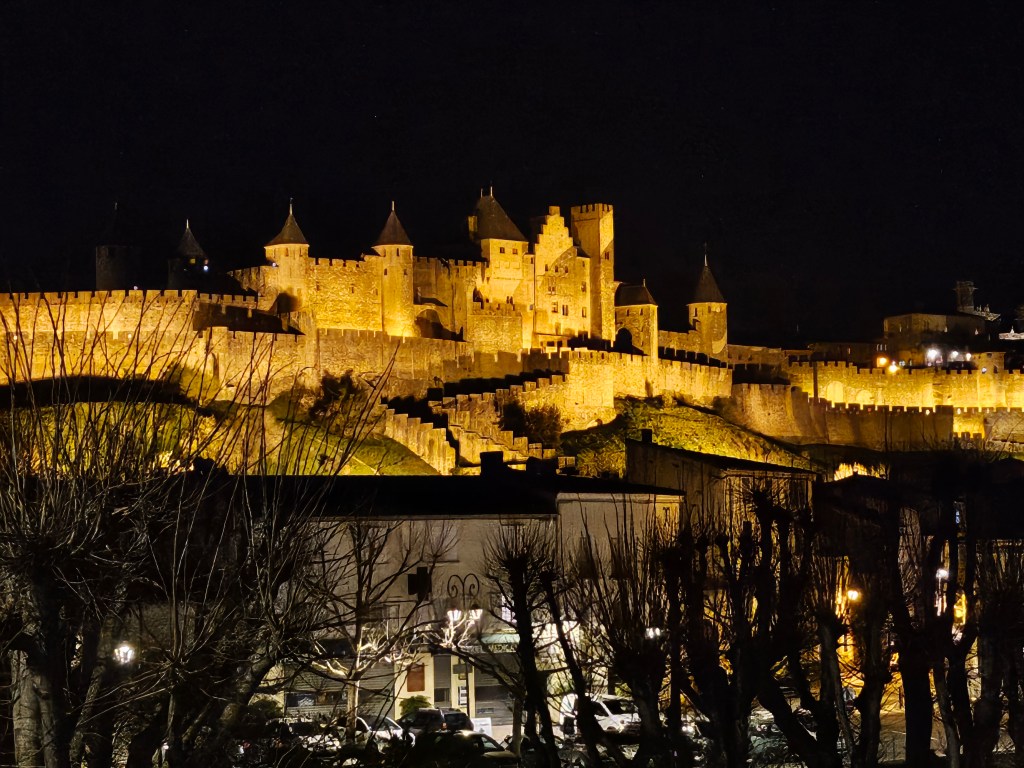
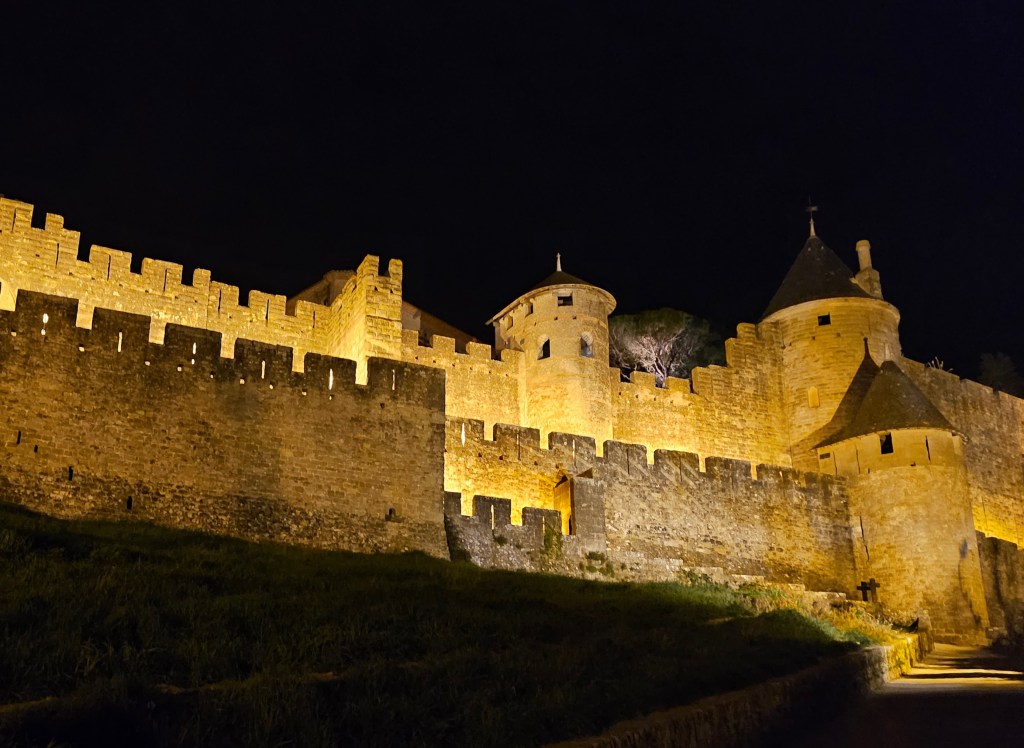
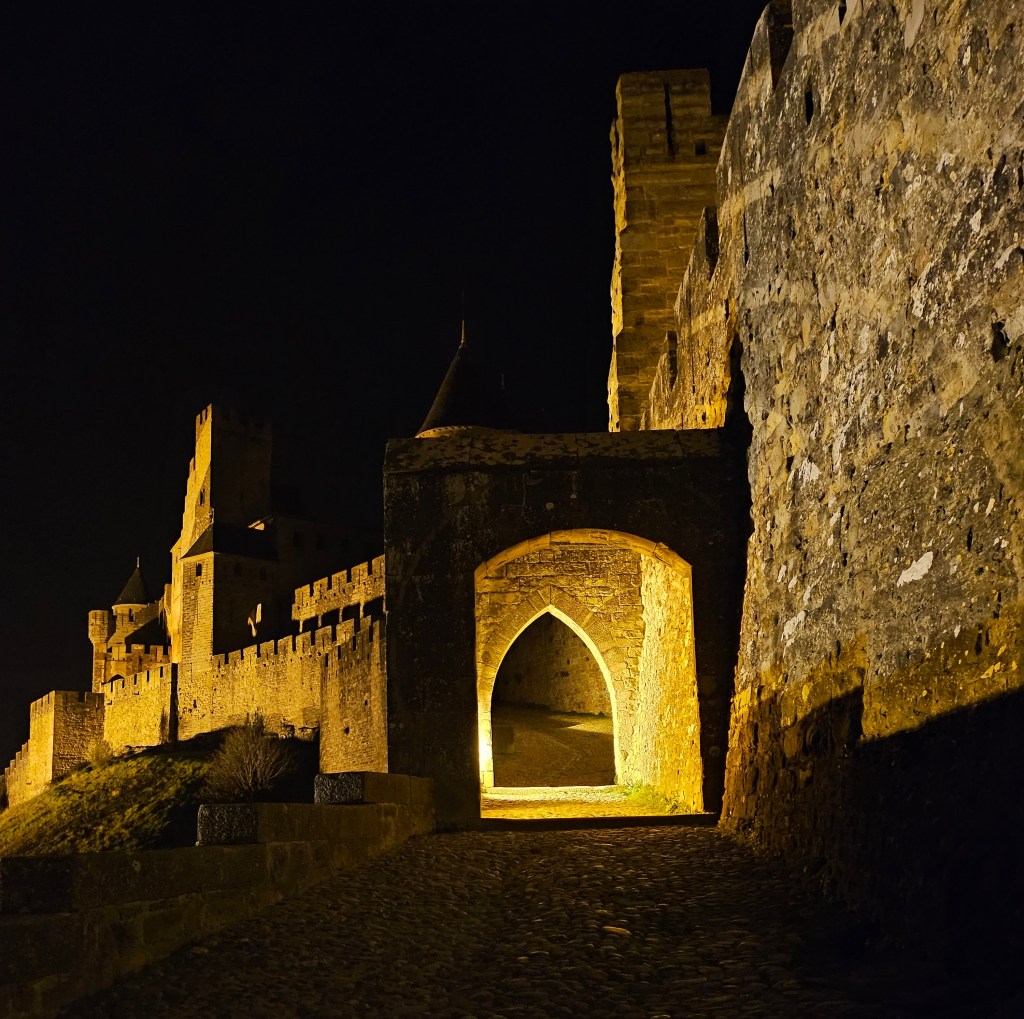
After dinner, on my host’s recommendation, I went back to Le Cité, which had a completely different atmosphere illuminated in the dark and missing the day trippers who had clogged its narrow streets earlier.
Day 7 – Tuesday 4th March 2025 – Carcassonne to Bordeaux via Montauban
The B&B where I was staying normally provides breakfast from 8am but, as my train was departing at 08:35, the owner agreed to provide me with an earlier breakfast. As with dinner the previous evening, everything was freshly prepared. In Marcel Proust’s À la recherche du temps perdu the taste of a madeleine cake dipped in tea takes the narrator back to an incident from his childhood. I had a similar experience over breakfast – the precise taste of the butter and yoghurt took me back to a school trip I made to Normandy, when aged 12.
I left in good time to walk across the lower town to Carcassonne station. My train to Montauban was an old-fashioned loco-hauled Intercité train and, for the first time on this trip, I was travelling first class. The train stopped in Toulouse where I had spent a day when I came this way in 2023. I had great difficulty leaving in 2023 due to a derailment blocking all lines to the north for a couple of days and had to escape by bus. There were no such problems this time and I succeeded in travelling on the line out of Toulouse. When I previously caught a bus from Toulouse it took me as far as Montauban, where in the time I thought I had before my next train departed, I walked towards the centre to discover that Montauban has a museum dedicated to the painter Ingres. On that occasion, I did not think that I had time to visit the museum (although as my next train actually left over an hour late, I would have).
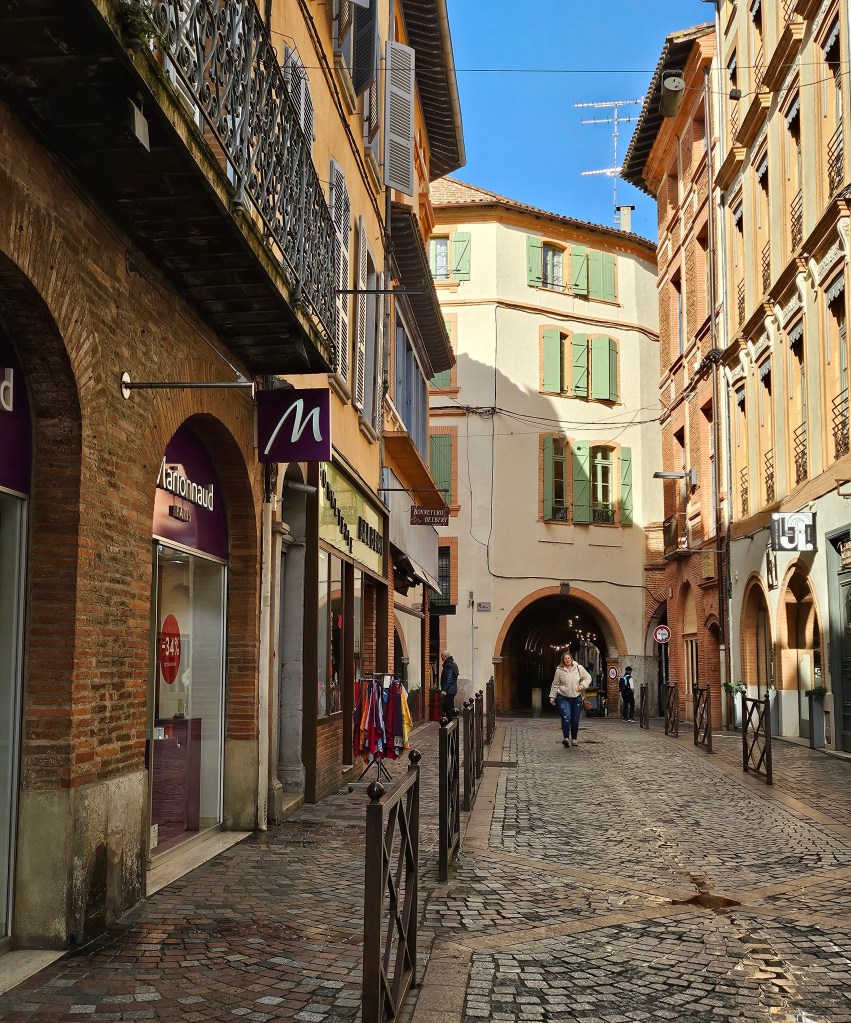
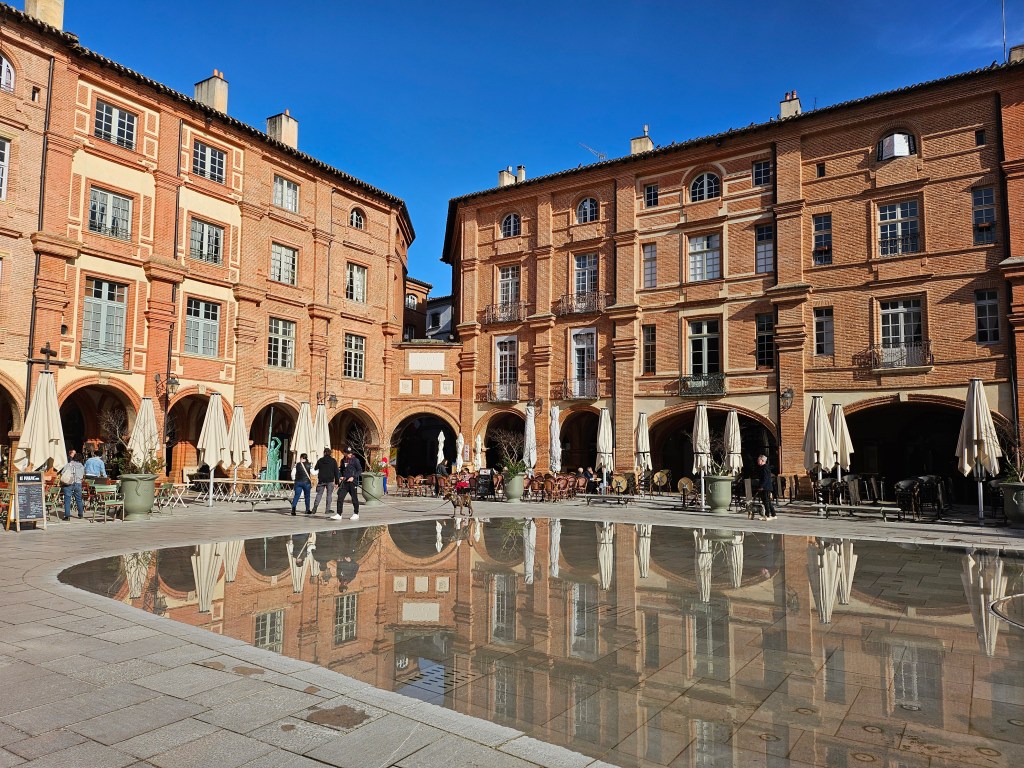
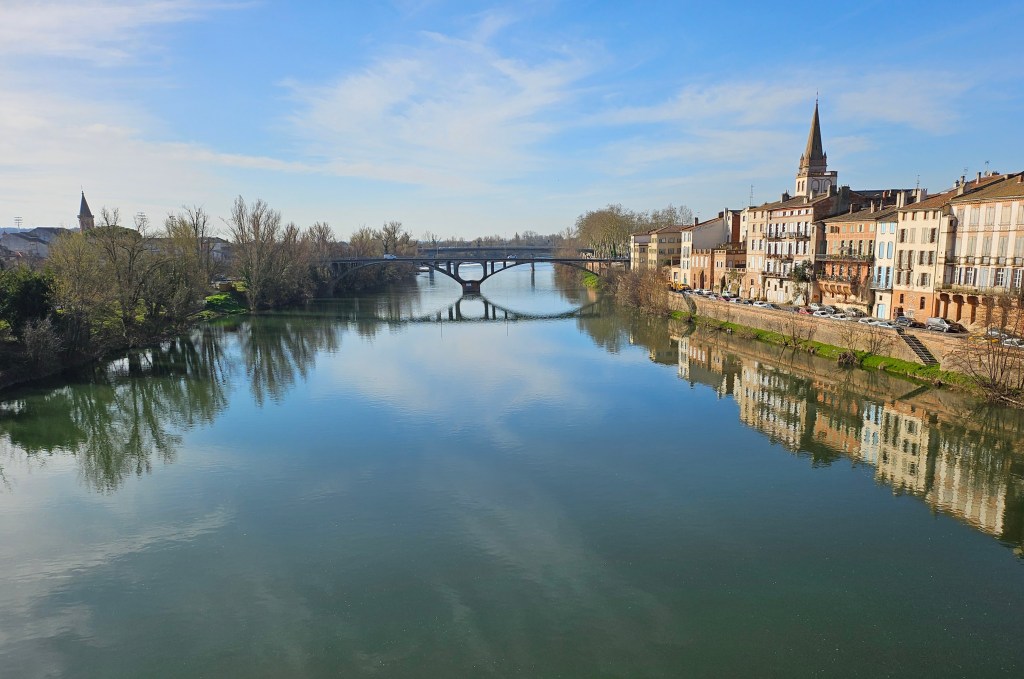
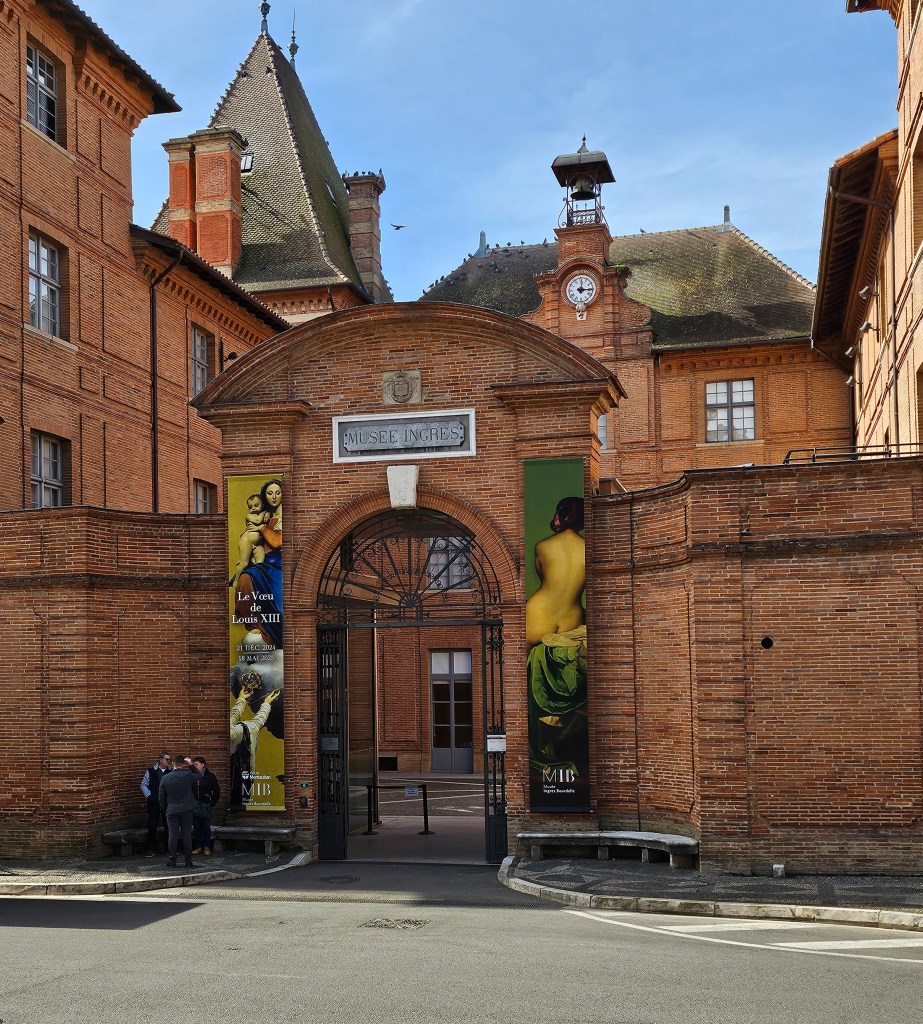
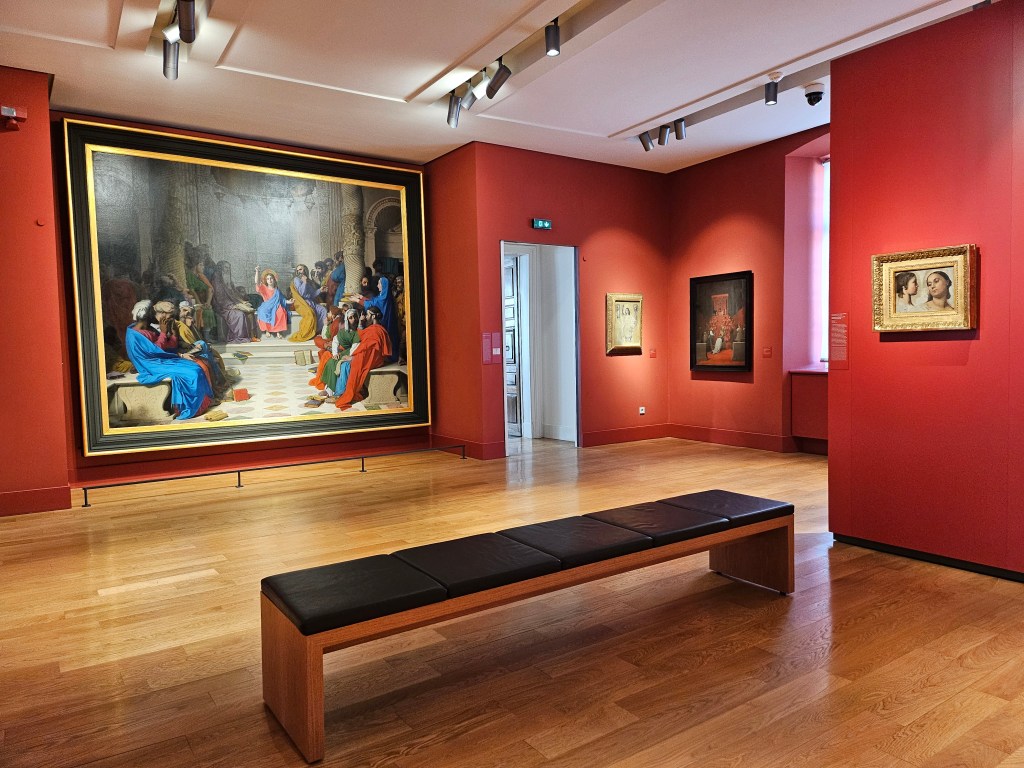
My train from Carcassonne arrived in Montauban at 10:00 and I made the 10 minute walk towards the centre that I recalled from my previous visit. First of all I had a general explore of the city centre, before going to the Ingres museum. Jean Ingres was a local, having been born in Montauban. The museum contains a number of his works, as well as a collection of those by other artists. However, Ingres’ most famous works, such as La Grande Odalisque, which is in the Louvre, are elsewhere. The basement contains archaeological remains and some local history. When I had finished in the Ingres museum, I bought my lunch from a supermarket and went to Montauban’s Botanical Gardens to eat it.
I returned to Montauban station and caught a train to Bordeaux. The journey took just under two hours and I arrived at Bordeaux St Jean just before 4pm. From there I went straight to my hotel, which was the same one as I had stayed in when I stopped off in Bordeaux in 2022 when travelling from Lisbon to London. I had a bit of a shock when walking to the hotel, as I recalled it being surrounded by attractive, albeit rather old, buildings by the riverfront. Now these were all being demolished and my hotel was the sole building standing, surrounded by a scene of devastation.
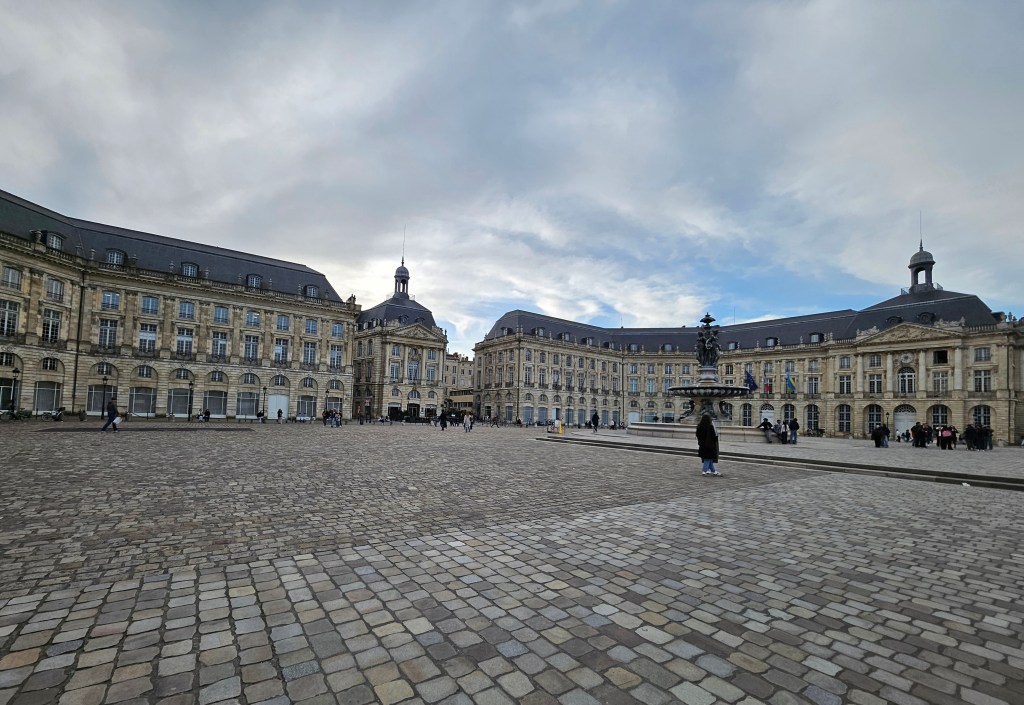
After dropping my bag, I set off straightaway to visit the Bordeaux Tourist Office, which is the only place where you can pick up a Bordeaux City Pass, which allows free use of public transport and admission to many attractions. I walked back to my hotel past the main sights of the city centre, while keeping an eye out for places to eat that evening.
I returned later to a restaurant that I had passed on my walk. Here I ate from the very good value set menu, having beef carpaccio, pork filet mignon and chocolate mousse, together with a carafe of the house red wine.
Day 8 – Wednesday 5th March 2025 – Bordeaux
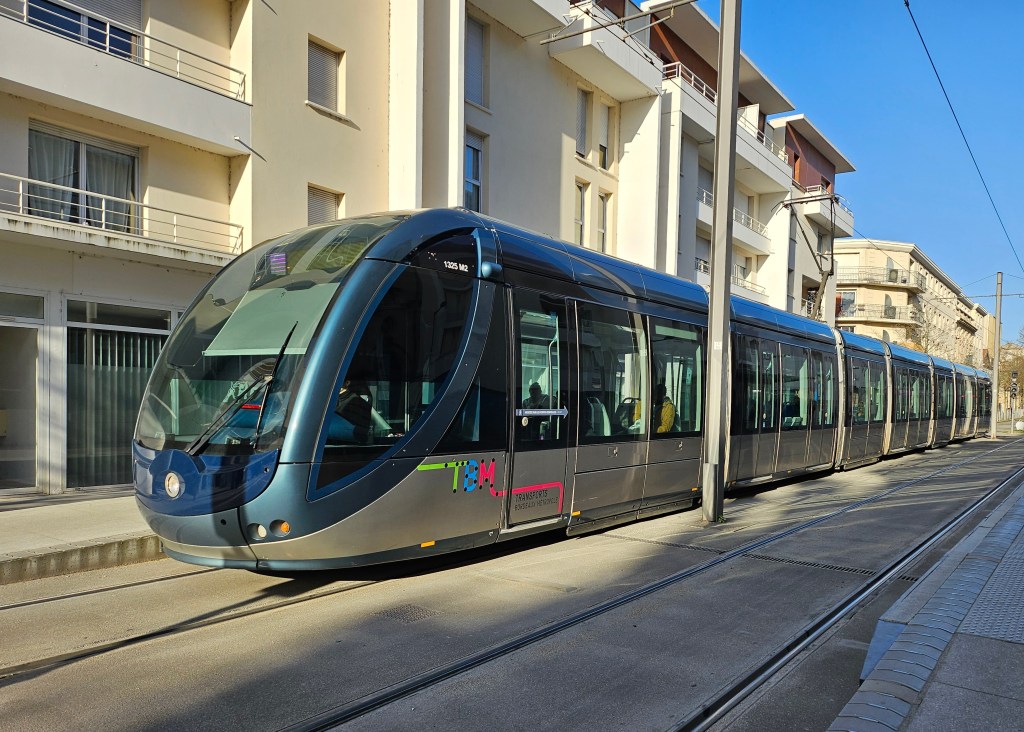
When I stopped off in Bordeaux in 2022, I visited the Museum of Aquitaine and the Customs Museum, both of which I enjoyed immensely. Both of them, as well as Bordeaux’s Maritime Museum were now temporarily closed. I wanted to make sure that I got good value from my Bordeaux City Pass, so I caught a couple of trams to arrive at Le Cité du Vin shortly before it opened at 10am.
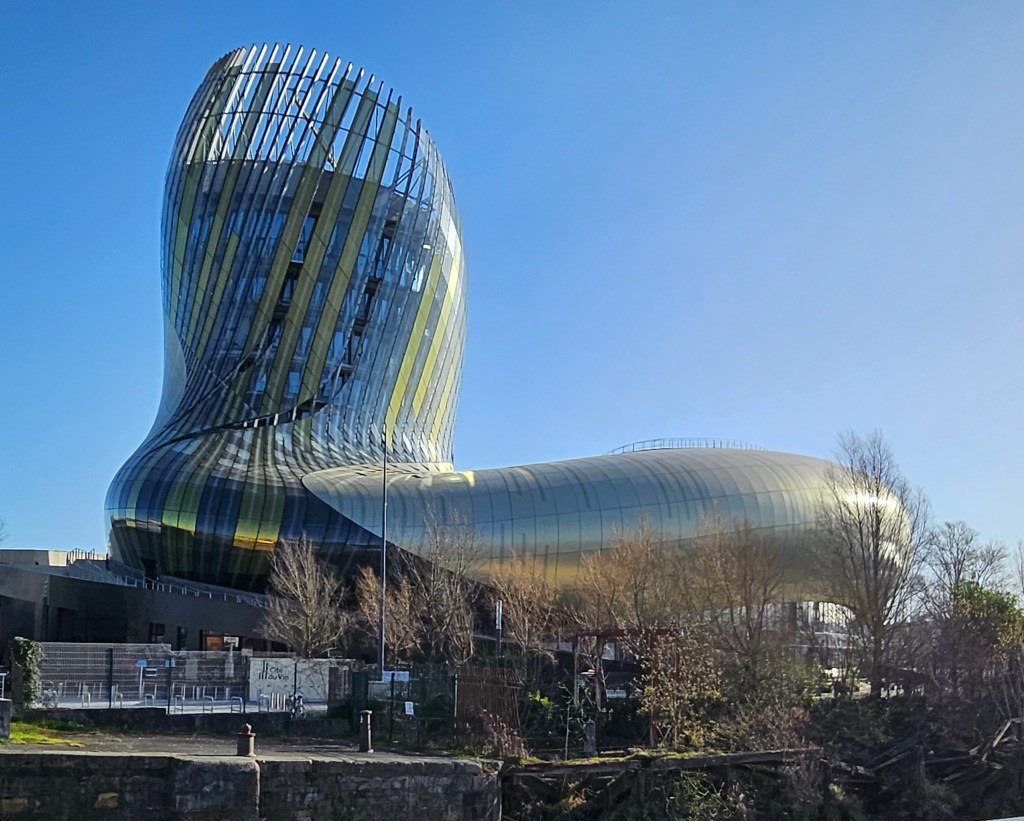
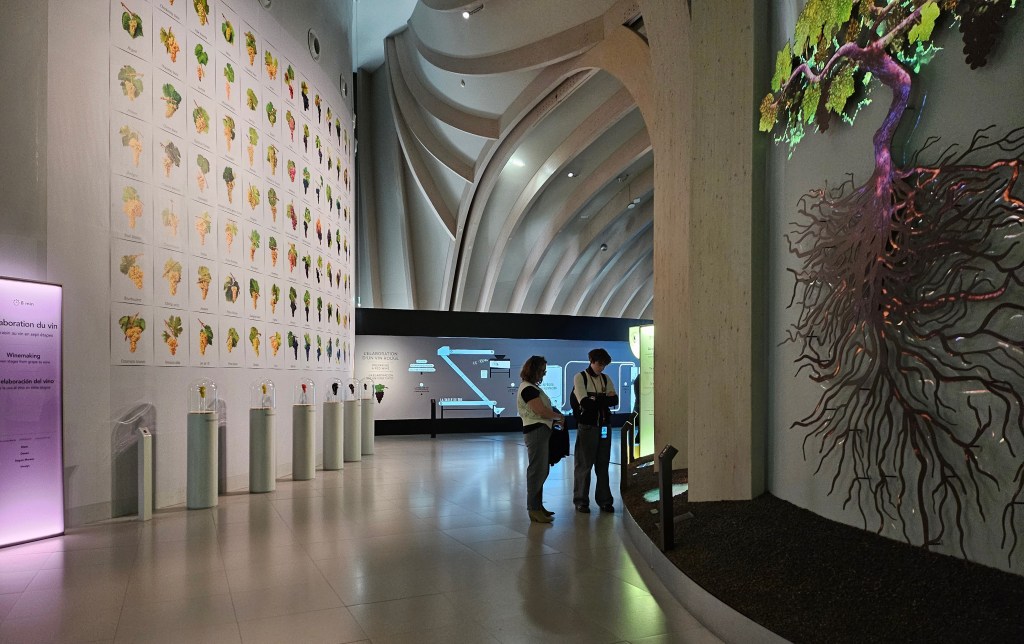
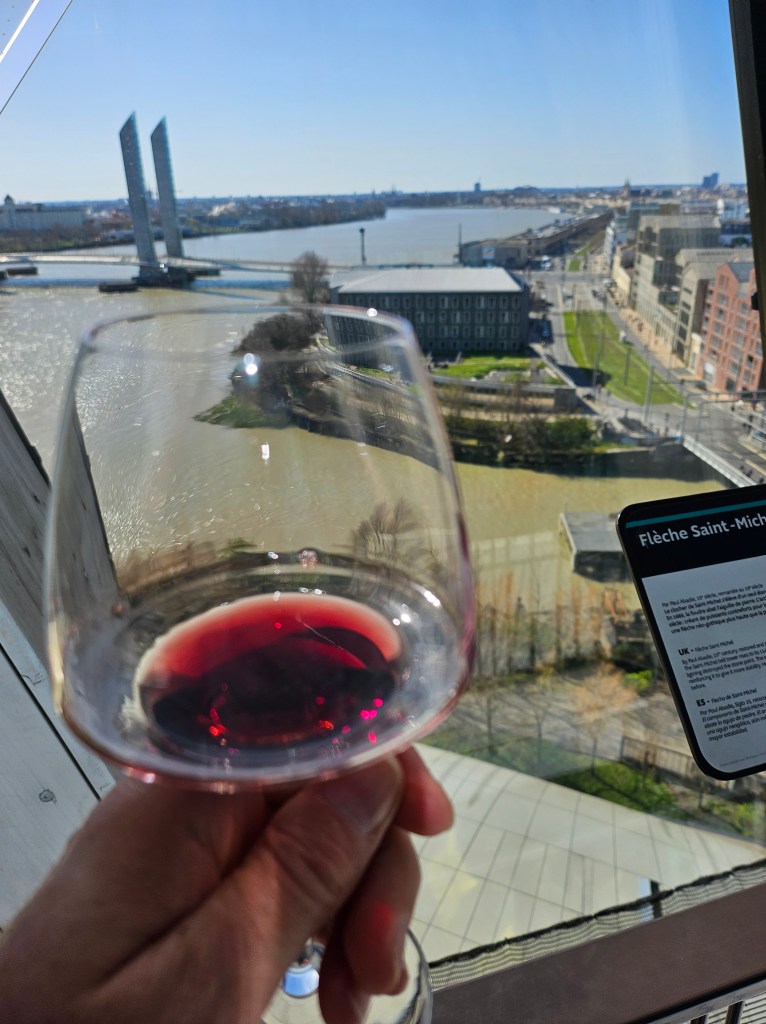
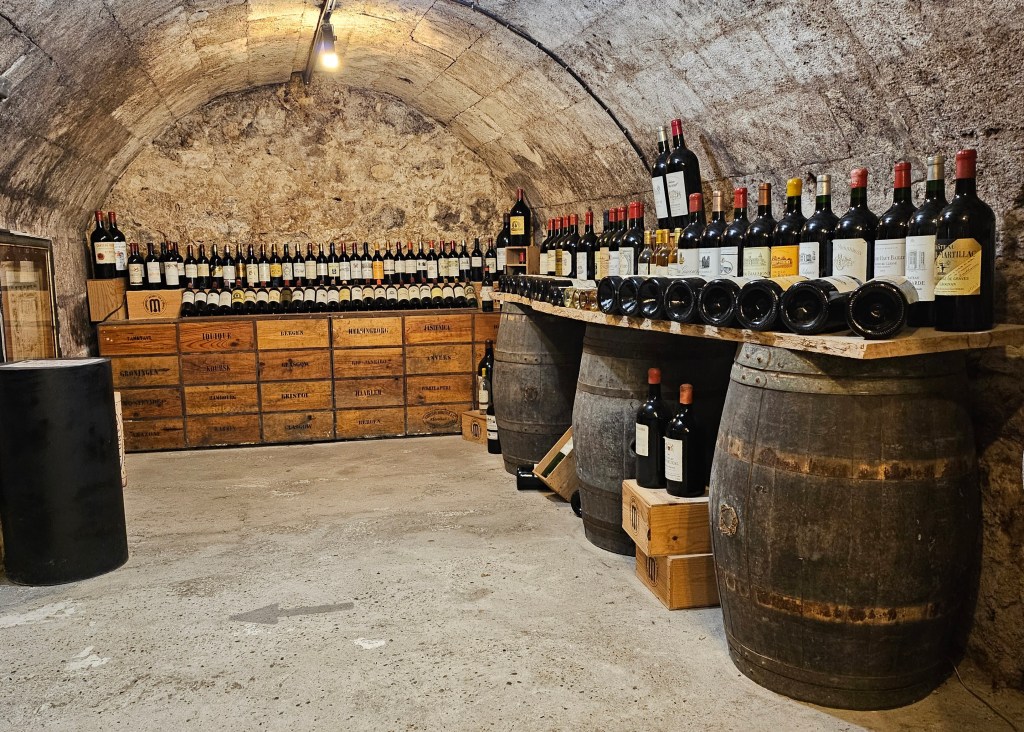
Le Cité du Vin is a modern museum in a futuristic building devoted to wine and winemaking – including the processes of production, its history, and the geography of where different grapes can be grown. It is located next to the Garonne to the north of the city centre. There are many interactive displays and the audio device you are given either connects to them automatically or you hold it against a relevant symbol. Once you have finished with the exhibitions, you go in the lift to the top floor and are offered a glass of wine from an extensive selection from around the world. I chose a local Medoc and went out onto the balcony overlooking the river to drink it. I spent over three hours in Le Cité du Vin.
By the time I left Le Cité du Vin, the nearby Musée Mer Marine, which was only open in the afternoon, had opened. This is a cross between an art gallery and a maritime museum, but is not especially noteworthy as either. Had it not been included in my Bordeaux City Pass, the €14 entrance fee would, in my opinion, have been rather excessive. This probably explains why it was virtually empty at the time of my visit.
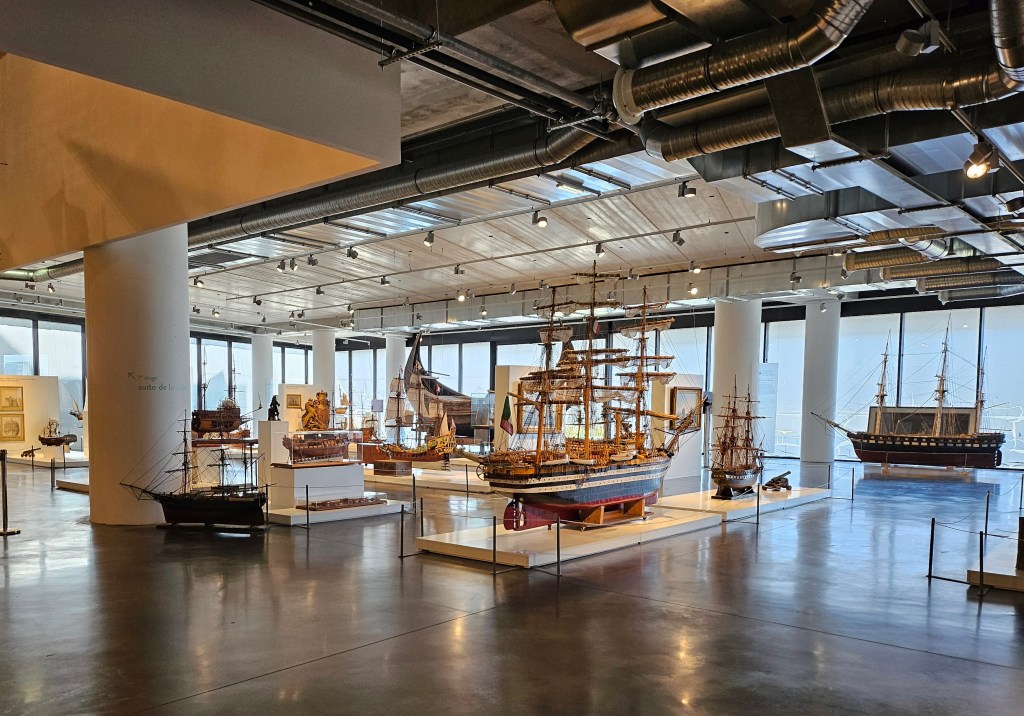
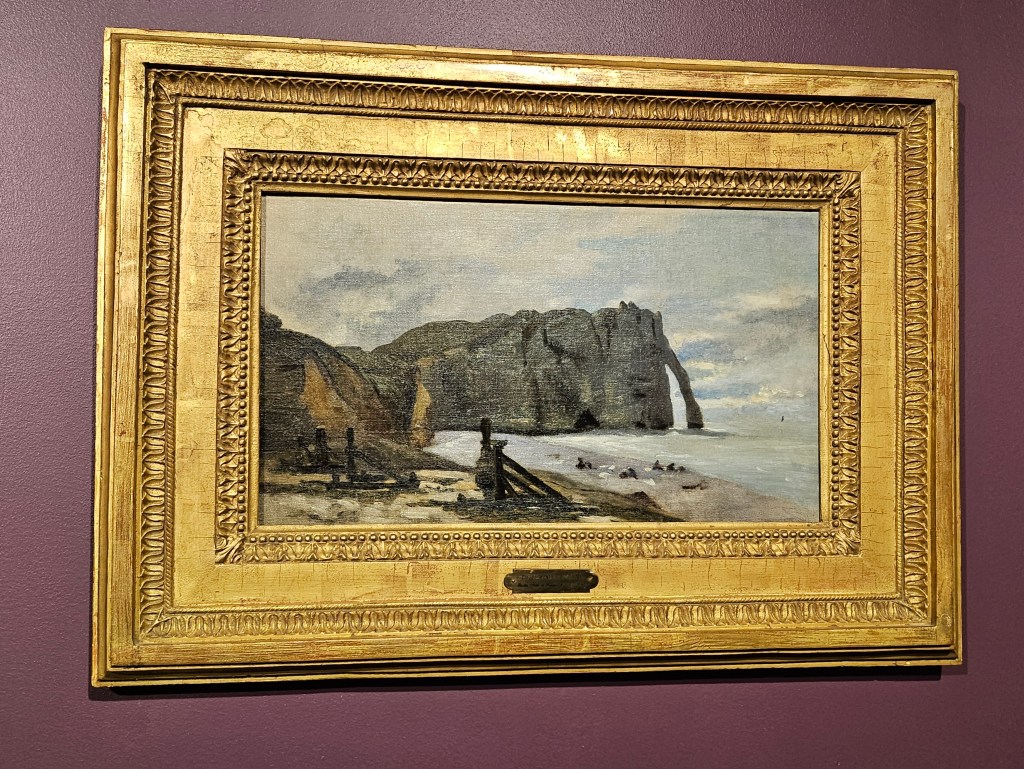
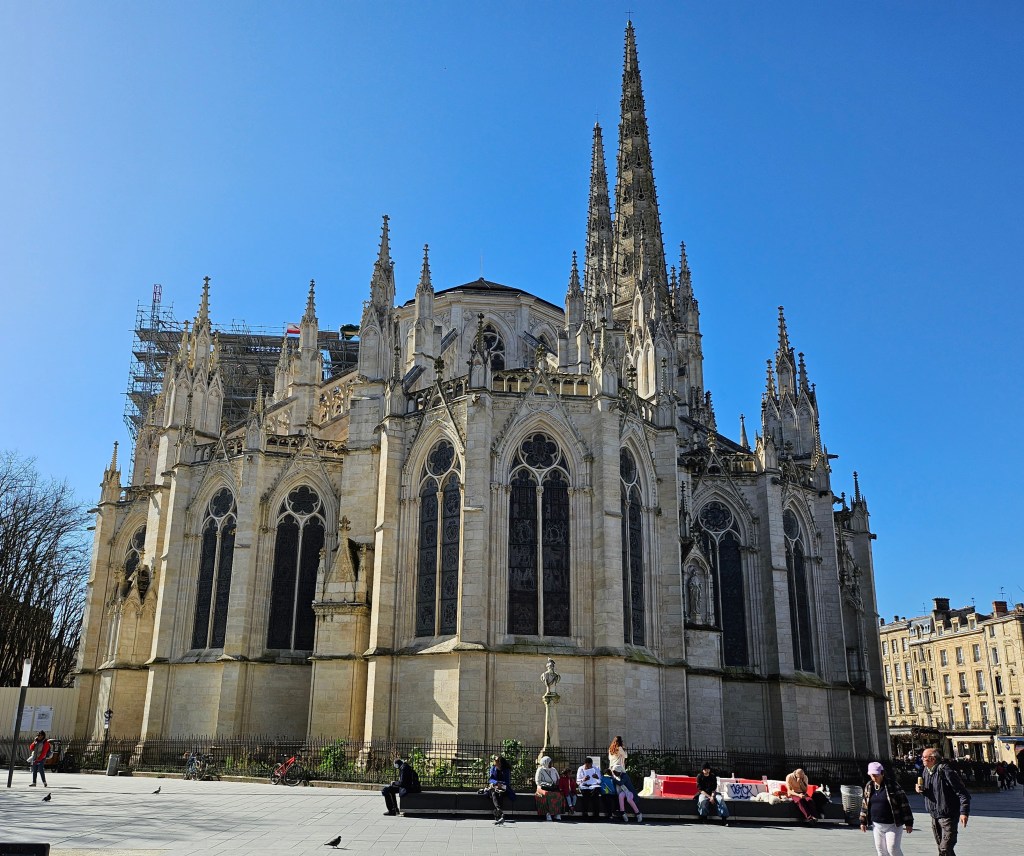
When I came to Bordeaux in 2022, I had intended to visit the city’s Musée des Beaux Arts, but ran out of time to do so. So I caught a tram back to the city centre to put that right. Very disappointingly, when I got there I discovered that the half of the Musée that I particularly wished to see, containing their 19th and 20th century collection, was temporarily closed that week. The earlier art that was on display did not engage me for long. The Musée des Beaux Arts is near Bordeaux Cathedral, which I noticed was hosting a free concert that evening of Rossini’s Petite Messe Solennelle. I tried booking tickets online, but could not understand why I was not receiving any confirmation. I was only later that I discovered my multiple attempts had generated emails which had gone to my spam folder informing me that it was sold out, but I had been placed on the waiting list.
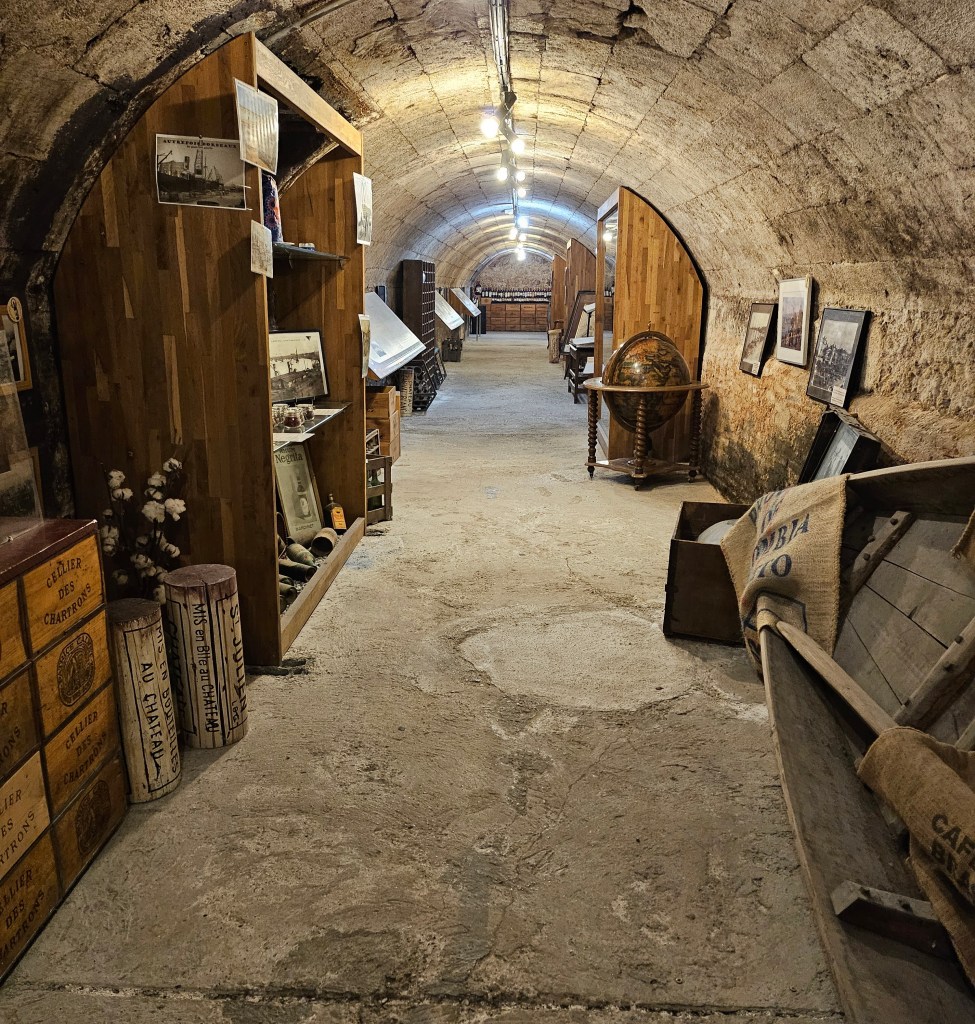
I then caught a bus to the north to visit the Musée du Vin et du Négoce de Bordeaux, which is devoted to telling the story of the Bordeaux wine trade. It is housed in a former wine merchant’s cellars, and was rather more old-fashioned in its presentation, but no less informative, than Le Cité du Vin. A wine tasting was included that included two wines and a little cake, called a Canelé, which traditionally was made from the leftover egg yolks after the whites had been used to remove sediment from maturing wine. One of the wines offered for tasting was a clairet, originally exported in large quantities to England and known as claret. Nowadays, the term claret is applied to any Bordeaux dry dark red wine. However, clairet is light red in colour and is served chilled, but it is darker and more full-bodied than a rosé. So perhaps Basil Fawlty was correct when he accused his guests of not knowing the difference between a Bordeaux and a claret.
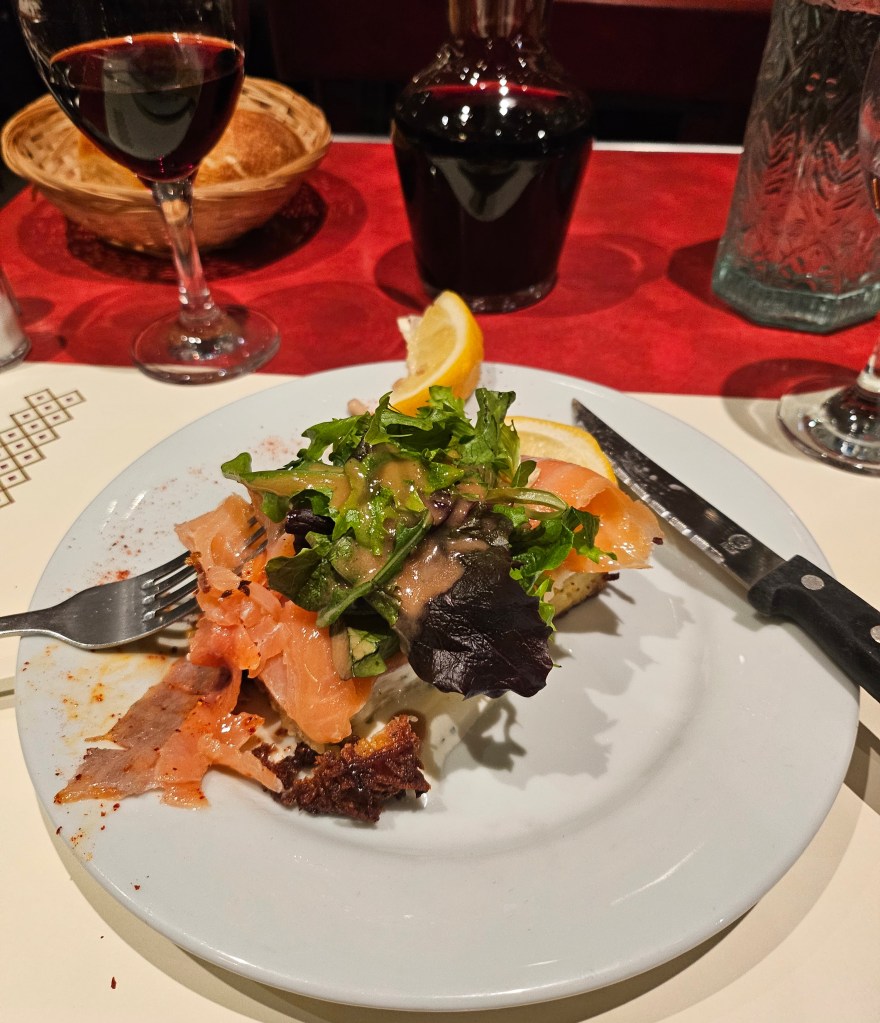
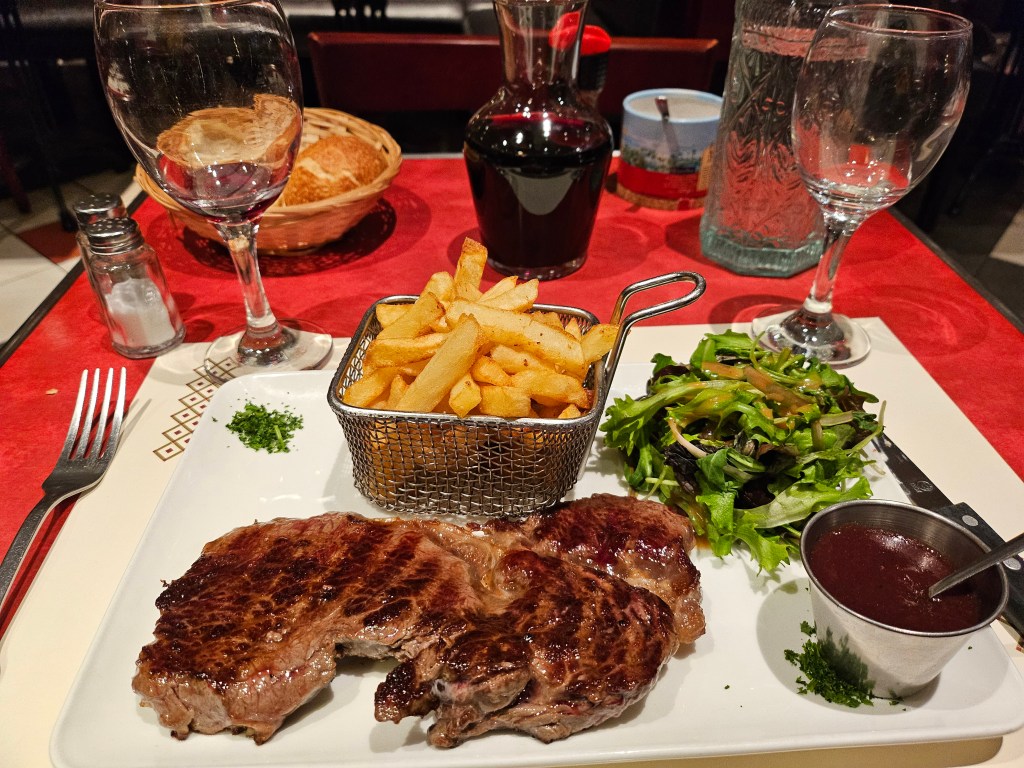
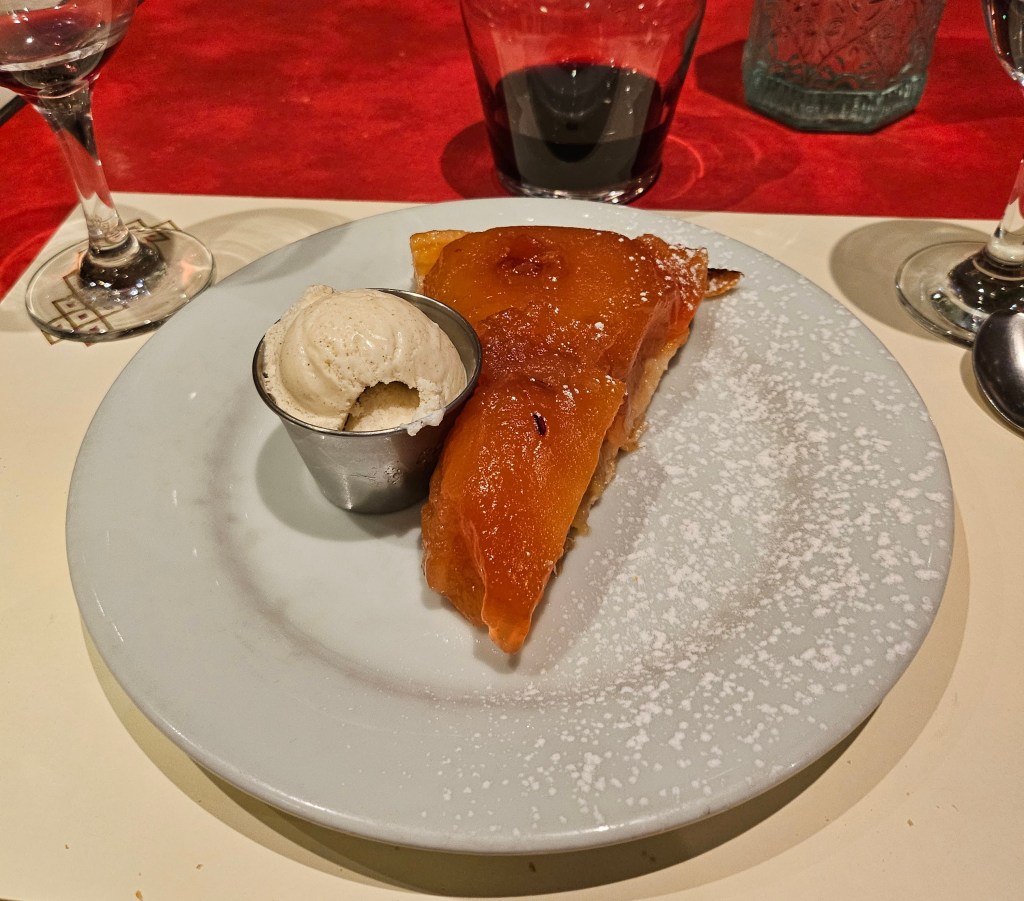
After first returning to my hotel, I went back again to the restaurant where I had dined the previous evening. On arrival, the waiter enquired if I wanted my ‘usual’ table. This time, I decided to choose from the more up-market set menu. I started with salmon on potato pancakes, followed by faux filet, with tarte tatin to finish. As before, it was all accompanied with a carafe of the very drinkable house red wine.
Day 9 – Thursday 6th March 2025 – Bordeaux to La Rochelle
I had an early start on this morning and I walked the short distance to Bordeaux St Jean. The 07:54 train I was catching was the same one that I had caught to leave Bordeaux on my previous visit in 2022. On that occasion I rode on it all the way to its final destination of Nantes, but this time I was only going as far as La Rochelle. The line from Bordeaux to La Rochelle is not electrified and the dual-mode train had to use diesel power for the journey I was taking. It initially went through the vineyards of Bordeaux, before following the Atlantic coast.
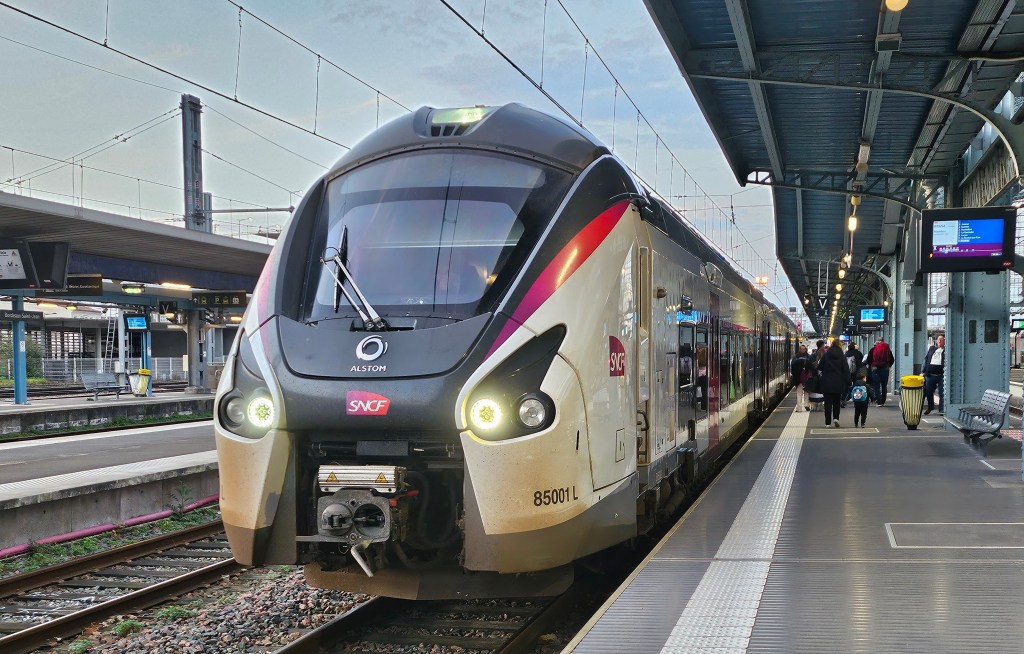
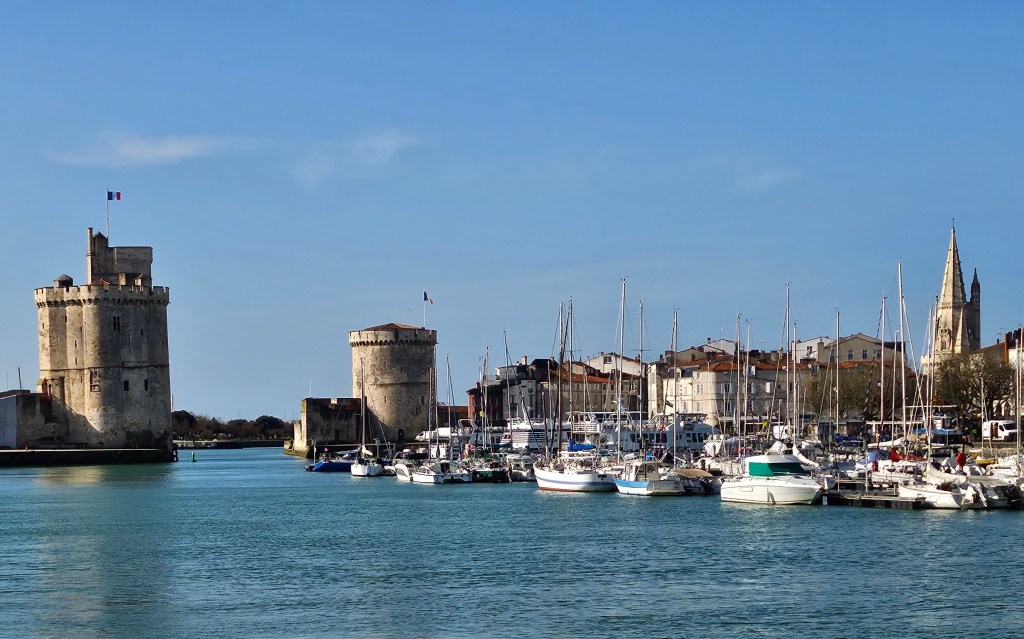
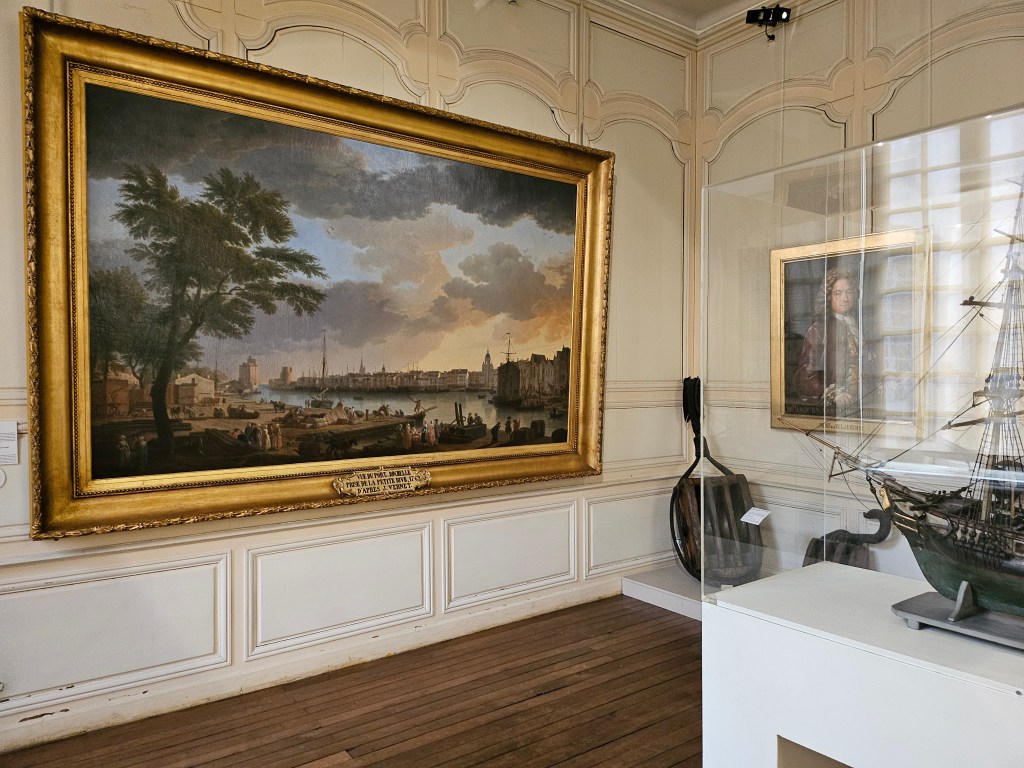
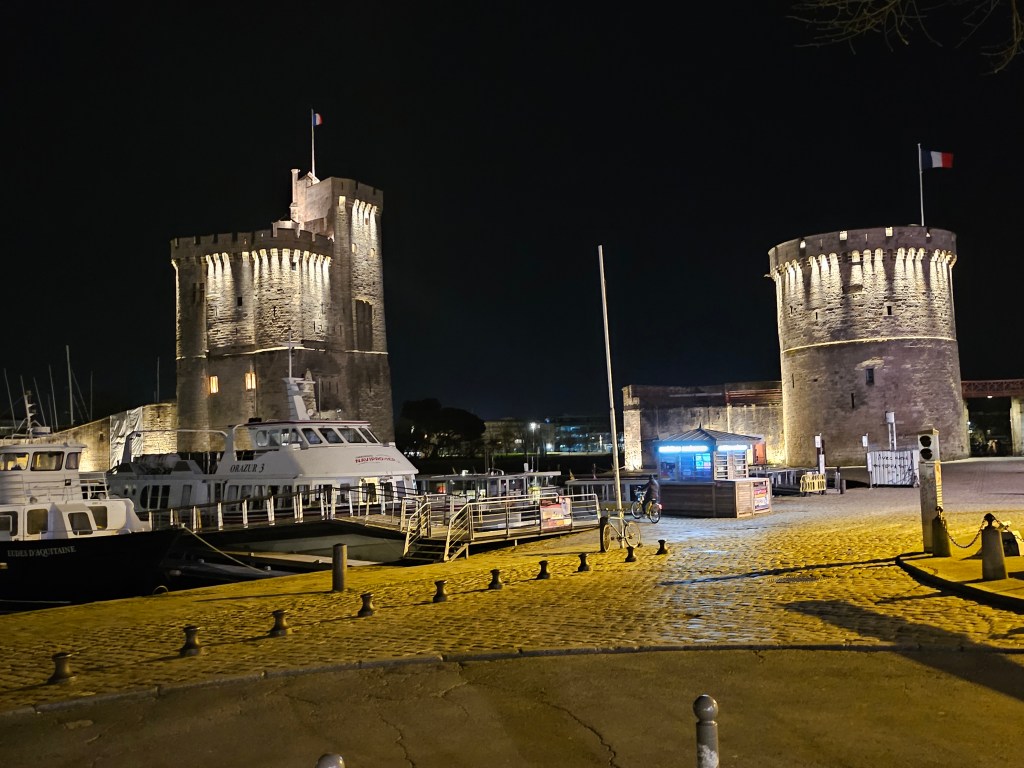
The train arrived at La Rochelle Ville station on time at 10:15. I left my bag at my hotel near the Grosse Horloge before setting off to explore. The old town nestles round the old port area, which these days is only used by pleasure craft. The entrance to the old harbour is guarded by three medieval towers – the St Nicolas Tower, the Chain Tower and the Lantern Tower. While I was there only the last two were open to visitors. I went in turn to the Chain Tower and the Lantern Tower, climbing to the top of each with good views over the town. There were small exhibitions about the history of La Rochelle on some of the intermediate floors as you ascended.
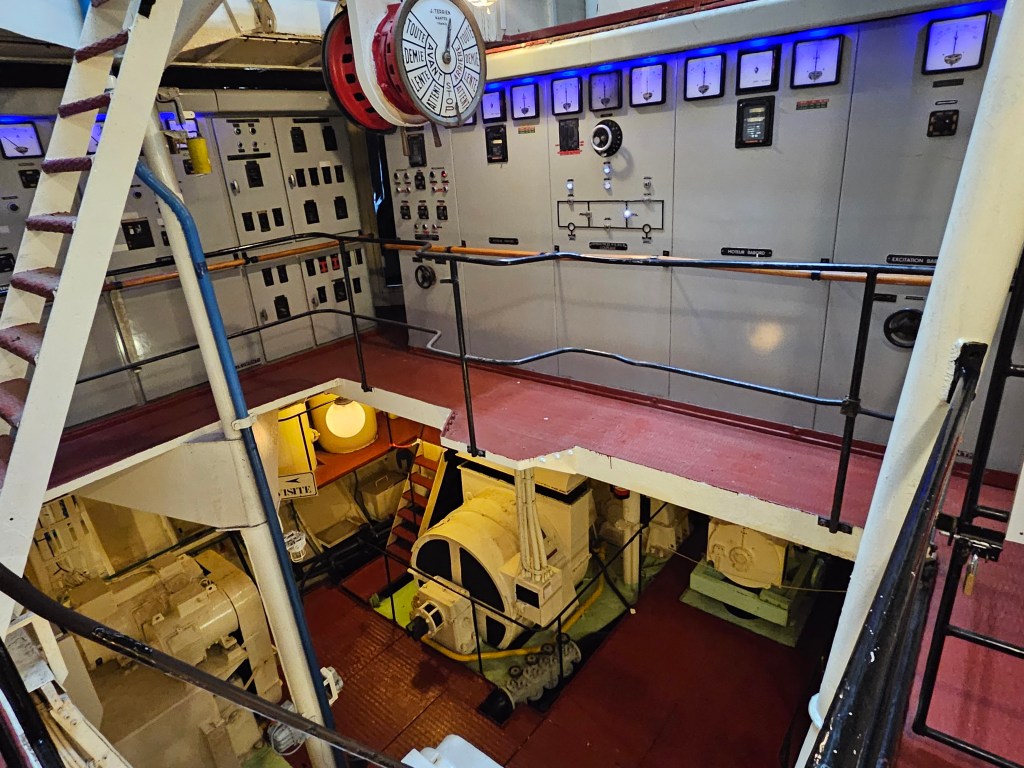
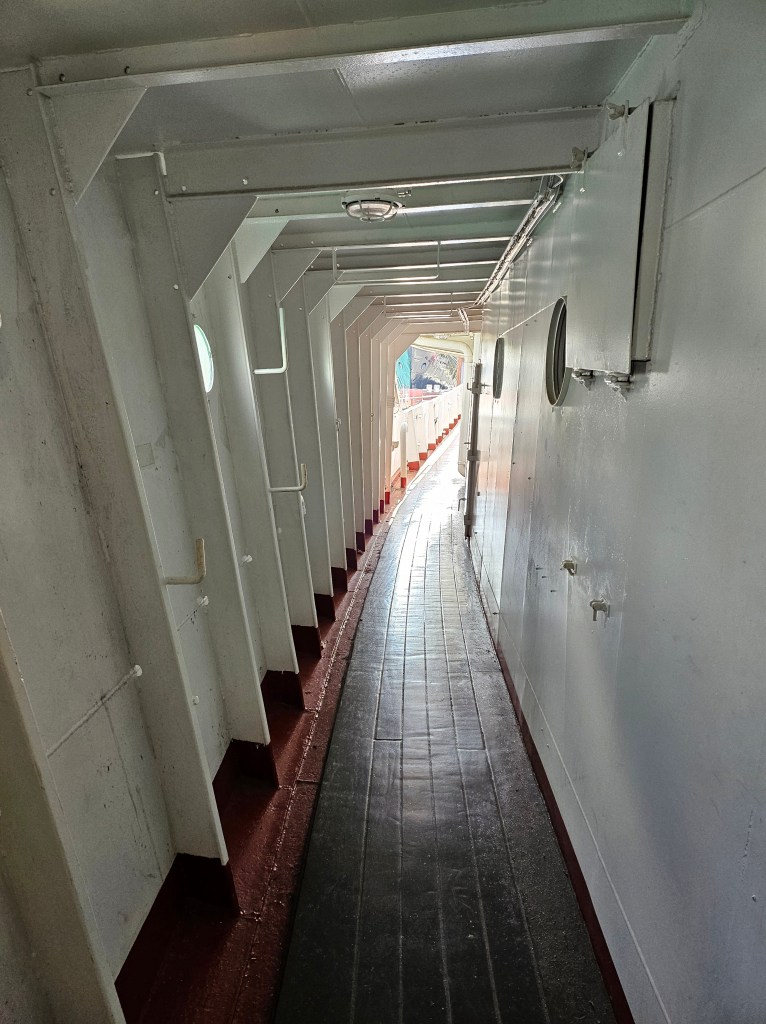
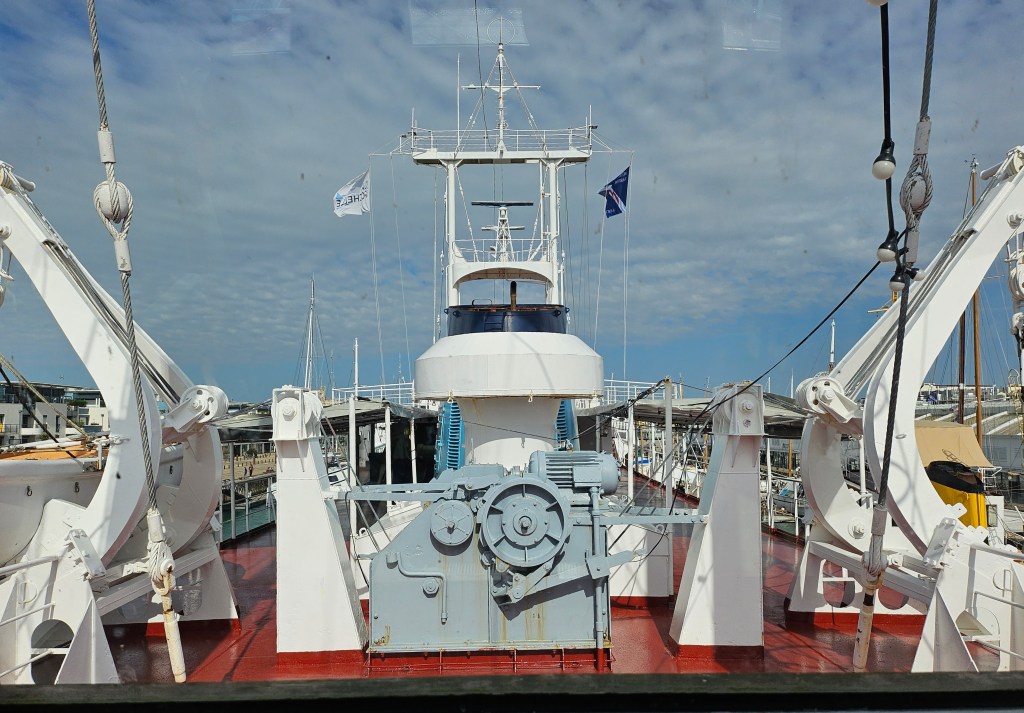
Next I walked to the Maritime Museum, whose exhibition space is in former fish processing sheds. Here I learnt that the port activities of La Rochelle are now in three different locations. The old port area, including around the museum, is solely for pleasure boats and is one of the largest marinas in the world. The remaining fishing fleet uses Port de Baie, while other commercial shipping uses La Pallice (which was converted to a U-Boat base by the Nazis during World War II). The best thing about the Maritime Museum were the three vessels moored outside which you could go on board: France I, a frigate used as a meteorological ship for 30 years after its launch in 1958; Angoumois, a deep sea trawler; and Saint-Gilles, a tug that once operated in the port of La Pallice. The France I was by far the largest and most interesting of these. An elaborate one-way route took you all over the ship, from the depths of the engine room up to the bridge.
My next stop was at Le Bunker de La Rochelle. This had been constructed under the hotel that had been used to house senior German submarine officers during their time in La Rochelle in World War II – the original decorations of the bar, painted by a couple of German female artists, were still visible. The exhibition in Le Bunker told the story of the German occupation of the city and of the U-Boats that operated from La Pallice. Towards the end of the war, when the allies became better at detecting submarines, it was said that the life expectancy of a German submariner on active service was just three weeks. La Rochelle did not surrender to the allies until VE Day, long after most of the rest of France had been liberated.
I then went to Le Musée du Nouveau Monde, which celebrated the relationship of La Rochelle, and France more generally, with the Americas. Many early expeditions had set off from La Rochelle. The museum covered the culture of the native inhabitants, as well as the life of the early settlers.
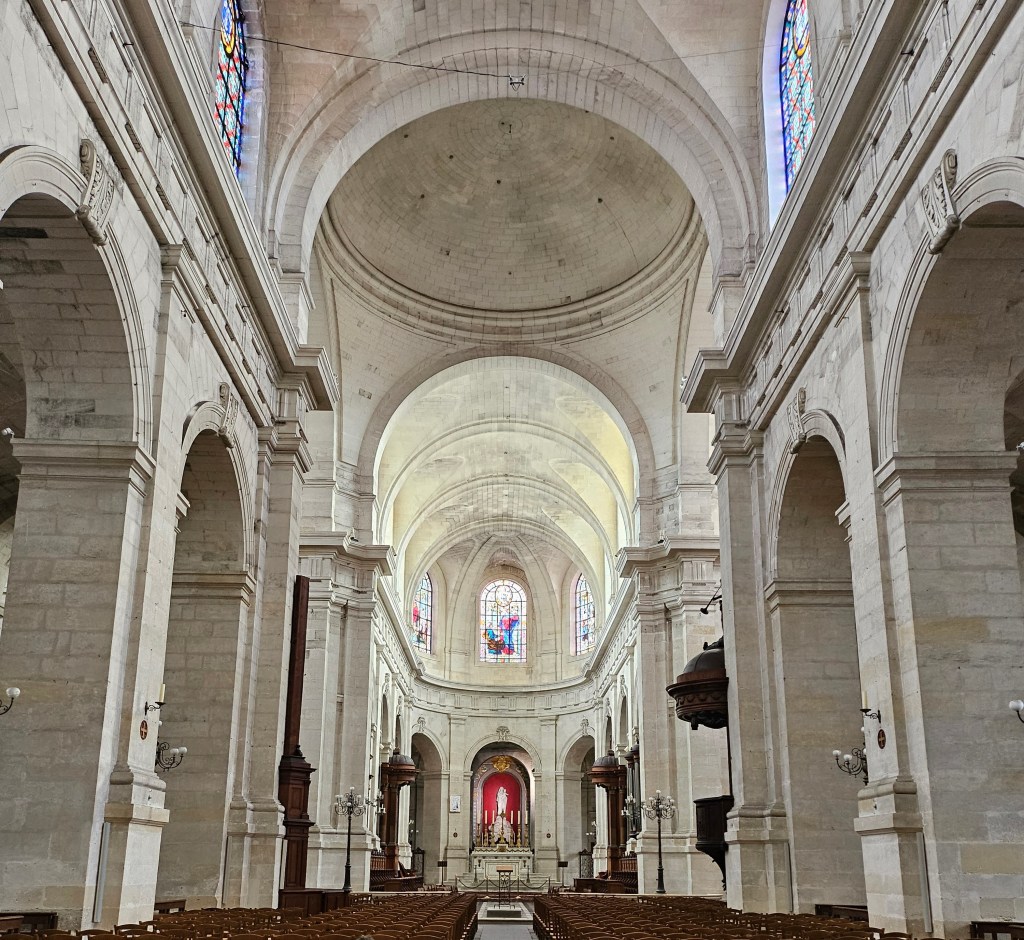
In my further wandering around La Rochelle I called in at the city’s cathedral. Dedicated to St Louis, it is of a rather stark neo-classical design.
For dinner that evening I had taken the precaution of booking a table in advance. The restaurant I chose described itself as having classical French cuisine with an Asian twist. It seemed to be popular and was busy throughout my time there. I started with pork spring rolls, followed by mildly spicy lamb in wok served with couscous. For dessert I had panna cotta. My liquid refreshment was provided by a carafe of red Bordeaux Graves wine.
Day 10 – Friday 7th March 2025 – La Rochelle to London via Paris
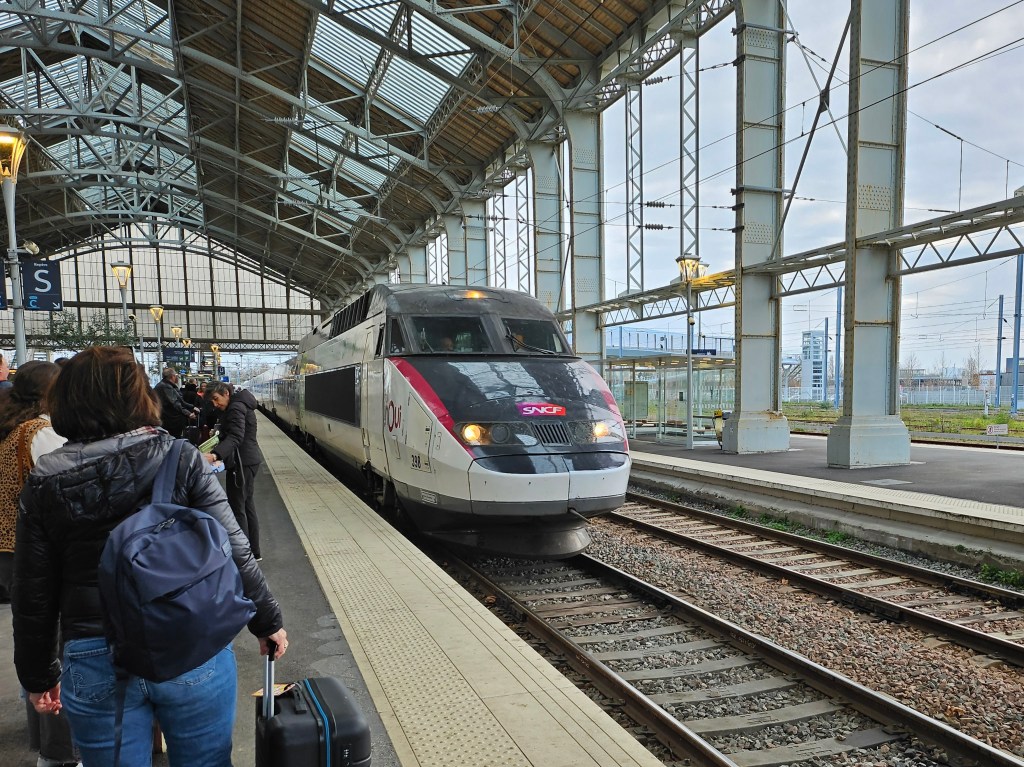
After a rare hotel breakfast I set off to La Rochelle Ville station to catch the 08:49 train to Paris. My train was a TGV-A, the oldest type of TGV still in use on French railways. The line out of La Rochelle is not initially high-speed and it even becomes single track for a while. Shortly after boarding I read news reports that lines out of Paris Gare du Nord were closed due to the discovery of an unexploded World War II bomb, but given they suggested that it should be cleared by about 10am, it did not give me too much concern about my planned evening Eurostar departure.
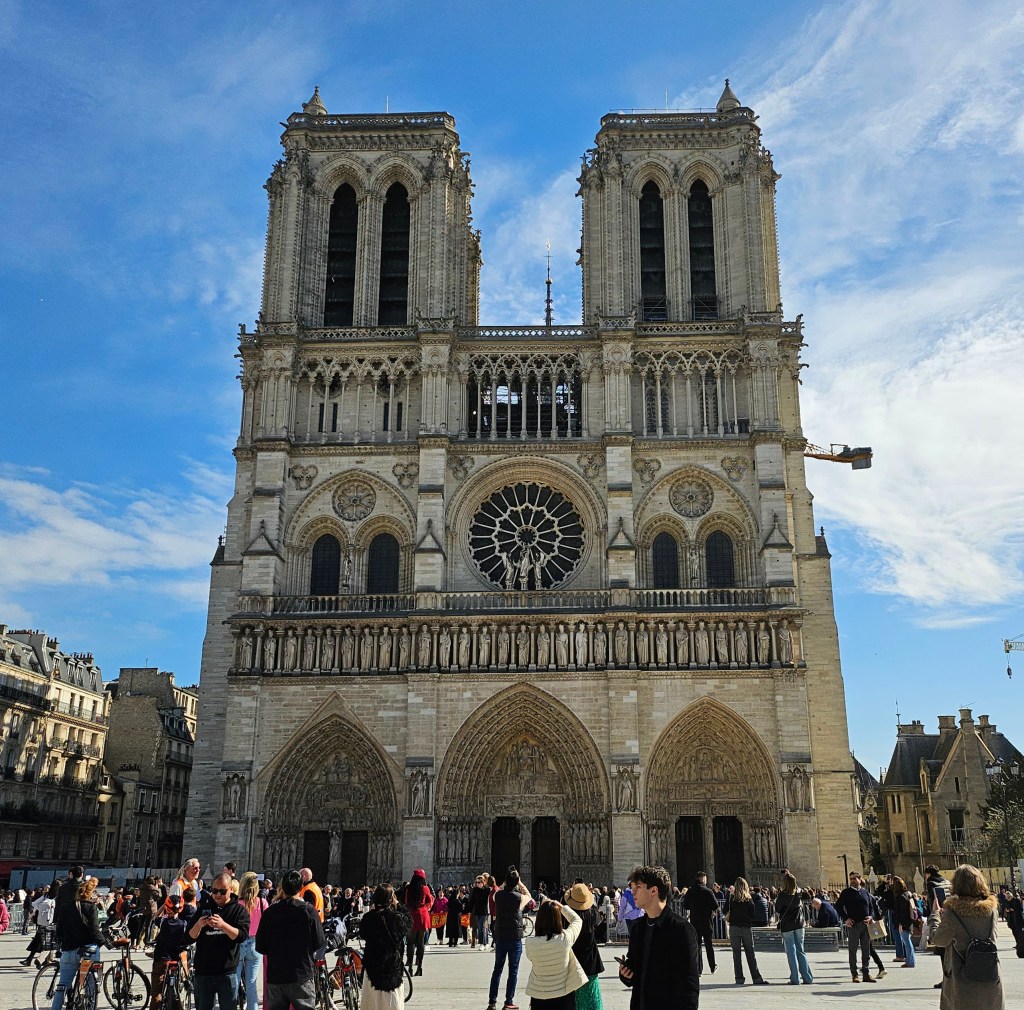
I had been trying, without success, for the last few days, to secure a ticket to view the newly restored interior of Notre Dame, which had only recently reopened following its devastating fire. Timed tickets were being released in random batches up to three days in advance. While on the train, I tried once again, and was pleasantly surprised to find a ticket available for that lunchtime which I was able to secure. In the meantime, the estimated time for reopening the lines out of Gare du Nord was being pushed back later. Just after 10:30am the BBC starting reporting that all Eurostar services to and from Paris were cancelled for the rest of the day, and about 20 minutes later I received similar notification from Eurostar itself.
I quickly worked out that it should still be possible to get home at about the same time as I originally intended if I could get to Lille and catch a Brussels starting Eurostar from there. The problem was that the Eurostar app was by now completely non-functional, presumably having collapsed under the weight of the number of people using it. I had slightly better luck going directly onto the Eurostar website, but whenever I got as far as trying to pay for a new ticket I just got an error message. None of these attempts were helped by the somewhat erratic phone reception on the train. As all trains to Lille normally depart from Gare du Nord, these were not running either. So to ensure I could get there, I quickly bought a bus ticket to Lille for that afternoon, before they too sold out.
My train arrived at Paris Montparnasse on time at 11:41. From there I walked the short distance to the Jardin de Luxembourg to find a bench where I could eat my lunch and try again, with stable phone reception, to buy a ticket from Lille. After several failures, I eventually did succeed in buying a ticket for the 20:35 departure from Lille Europe, albeit at an exorbitant price, without being able to get any response from Eurostar that they would refund this cost.
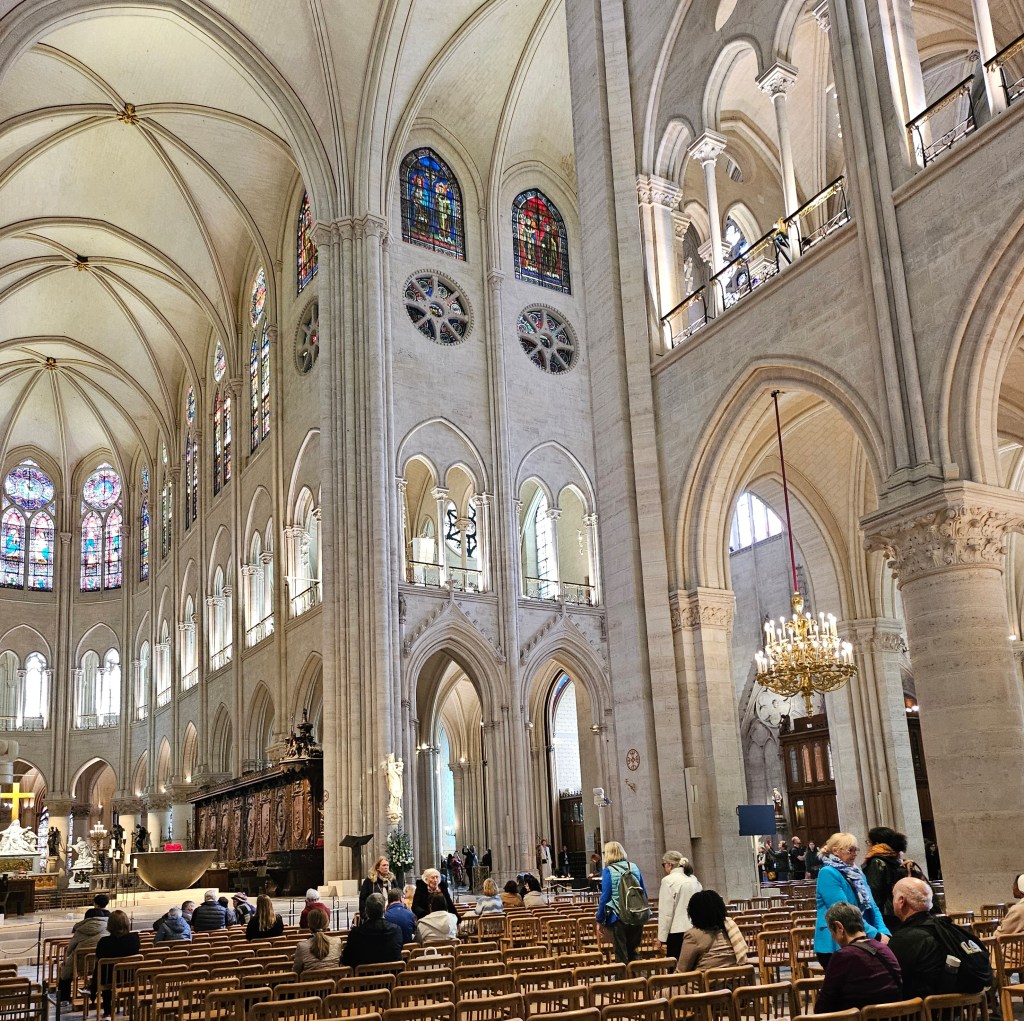
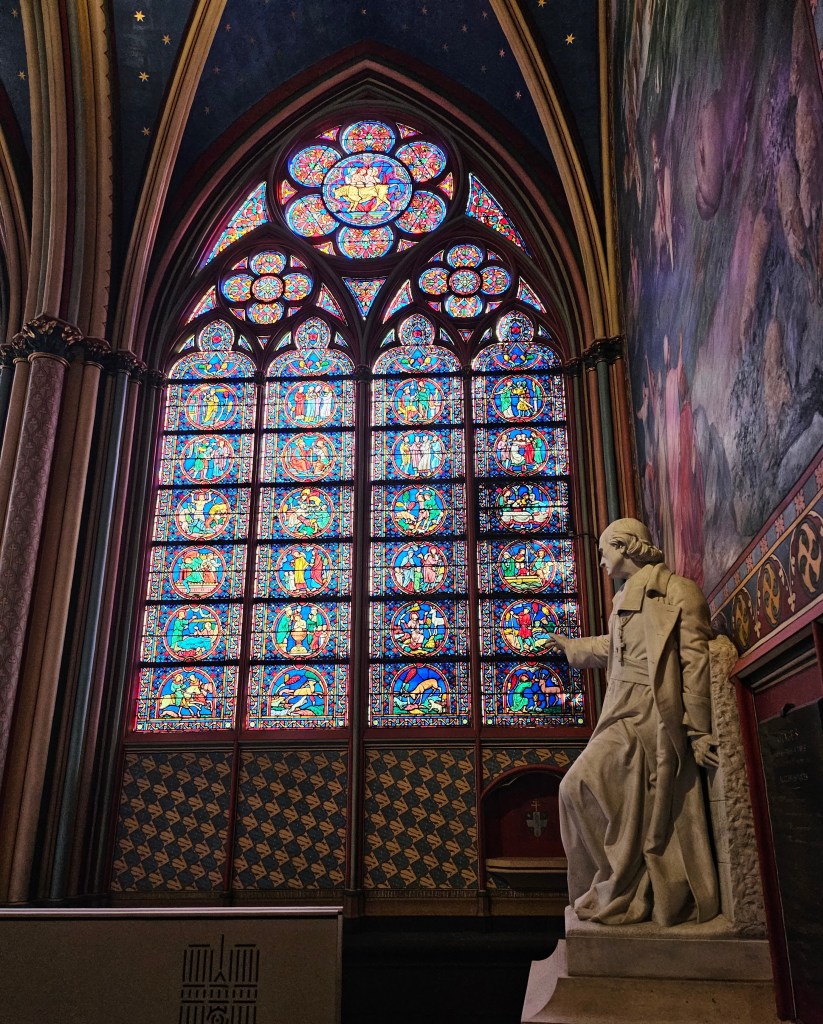
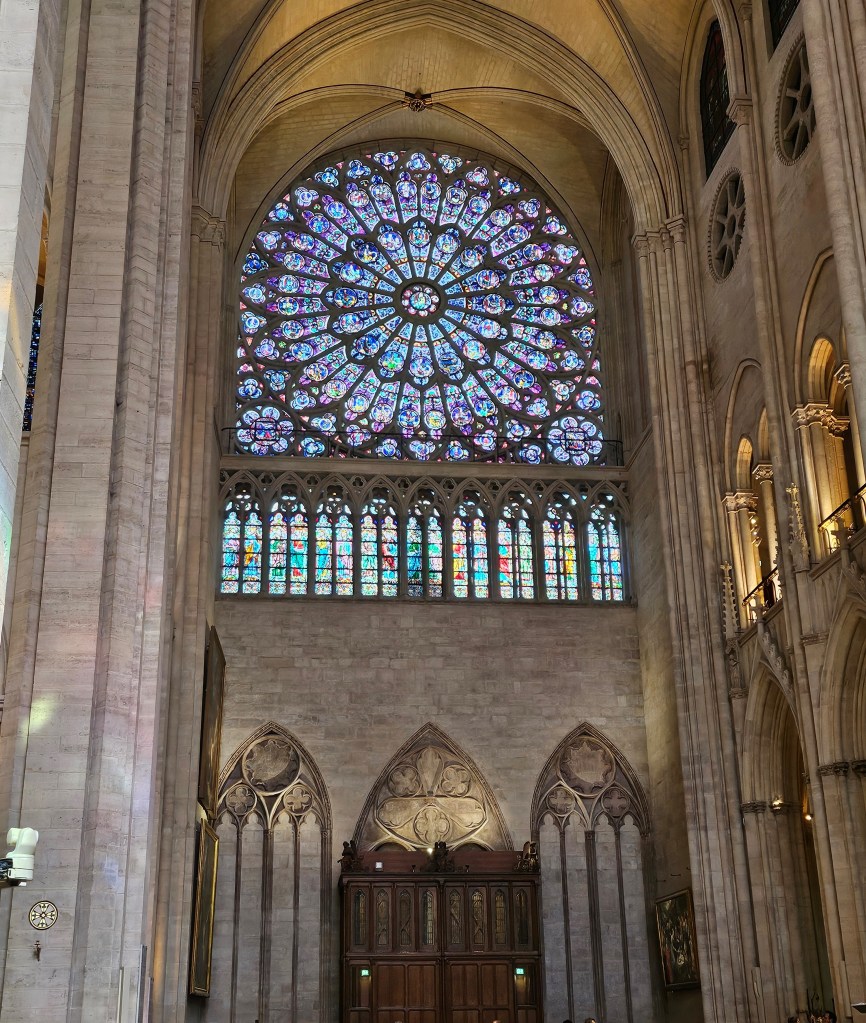
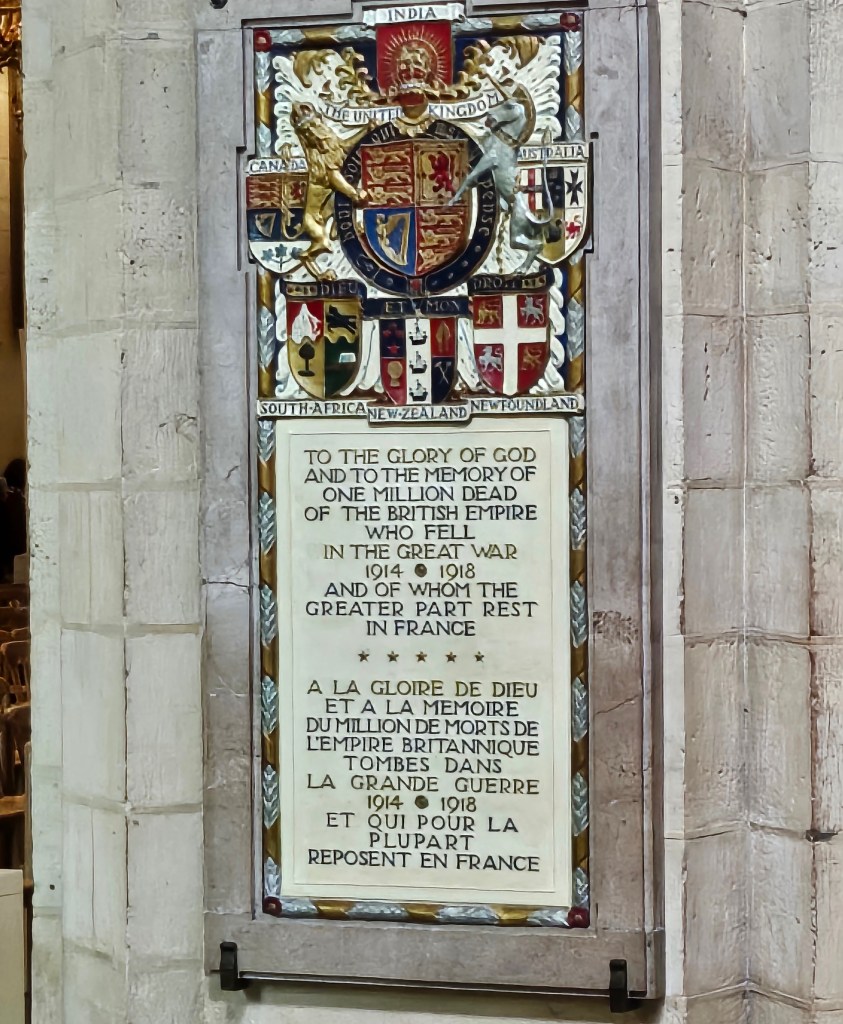
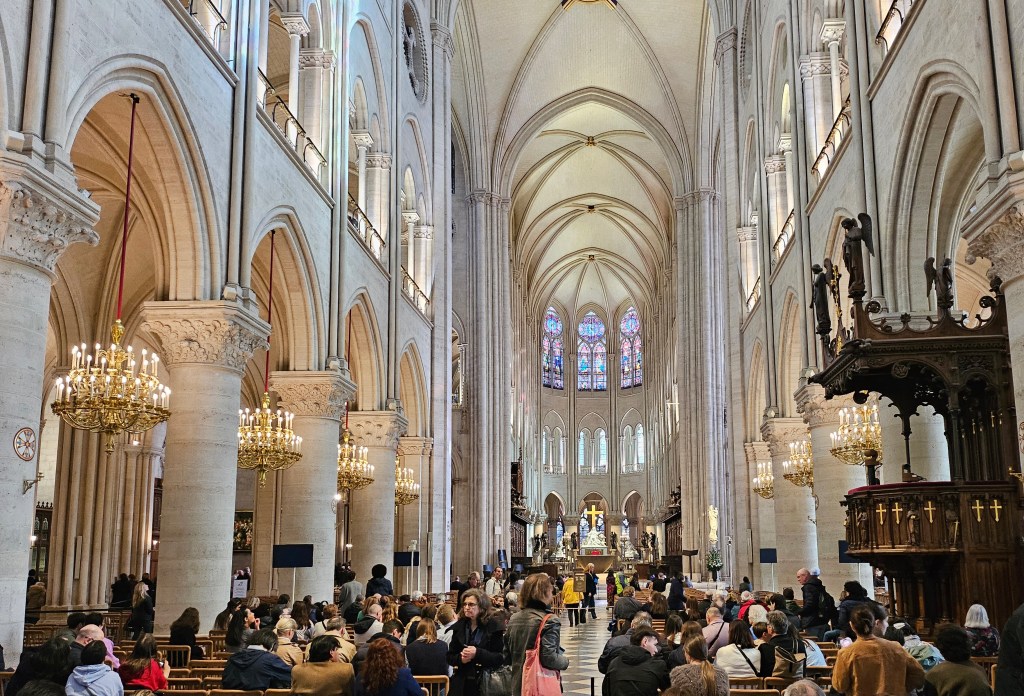
From the Jardin de Luxembourg, I walked in pleasant spring sunshine to Notre Dame, to arrive in good time for my 13:20 timed entry ticket. It was very busy inside the cathedral. What struck me the most was has how bright the interior stonework now seemed, compared with the rather gloomy interior I remembered from before.
About this time I was contacted by a number of journalists, who had got my details from my attempts to contact Eurostar on social media. I gave a couple of interviews that afternoon to the BBC about my predicament. Neither of these made it into their website coverage or broadcast news. My story of “it’s not a big deal, I’ve worked out a plan of how to get home” is obviously not as newsworthy as the stories that they did publish along the lines of “we’re stuck and haven’t a clue what to do”.
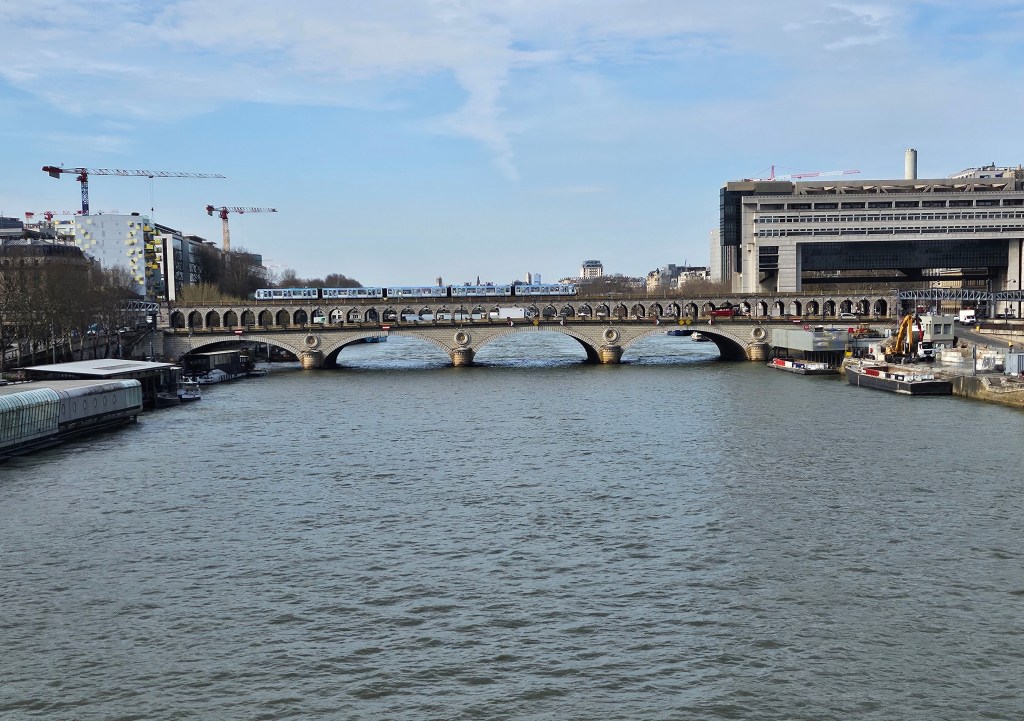
The bus I had booked to Lille was due to leave Paris Bercy-Seine Bus Station at 15:30. So rather than visit the Musée d’Orsay, as originally planned, I just walked along the banks of the Seine from Notre Dame to reach the bus station about 30 minutes before my bus was due to depart. I have been to some dodgy bus and railway stations in my time, but I think that Paris Bercy-Seine must be the worst. In the so called information centre, none of the screens to tell you which quay your bus was due to depart from were working and there were long queues at the ticket windows. The toilets were filthy, stinking and utterly disgusting. So, not having a clue about from where my bus would depart, I walked along the numerous departure bays to see if I could find a bus going to Lille. Part way down the long line of waiting buses I found the one working screen in the whole bus station with a throng of people crowded around it. After a short while, a departure bay was shown for my bus. I went there to find a coach waiting, but with no company branding on it, nor a departure board to say were it was going. But a conversation with the slightly manic driver established that it indeed was the 15:30 to Lille and I got on board. Despite booking at the last minute, I had the best seat, right at the front on the non-driver side of the bus. The bus soon completely filled up and we set off on time at 15:30.
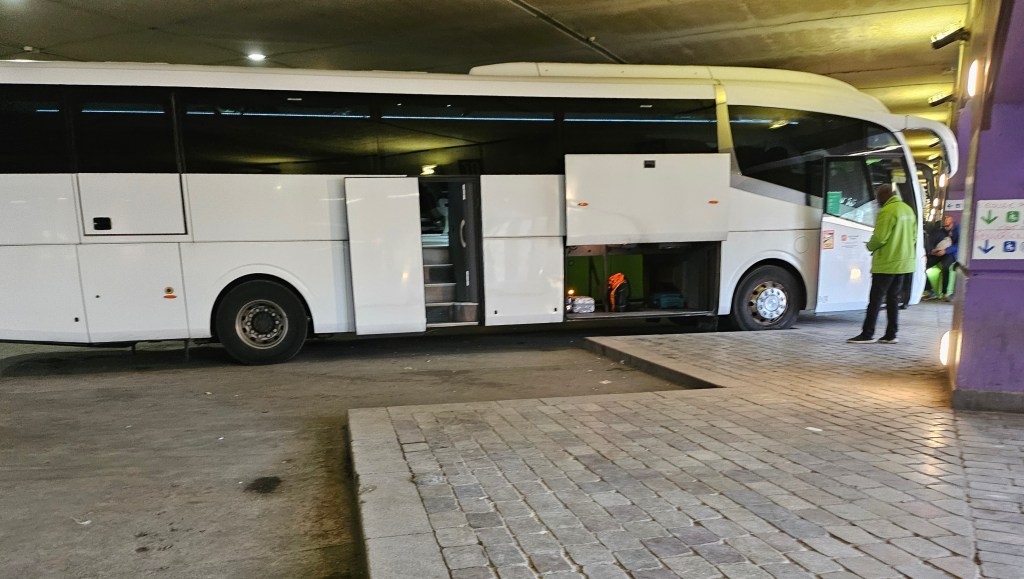
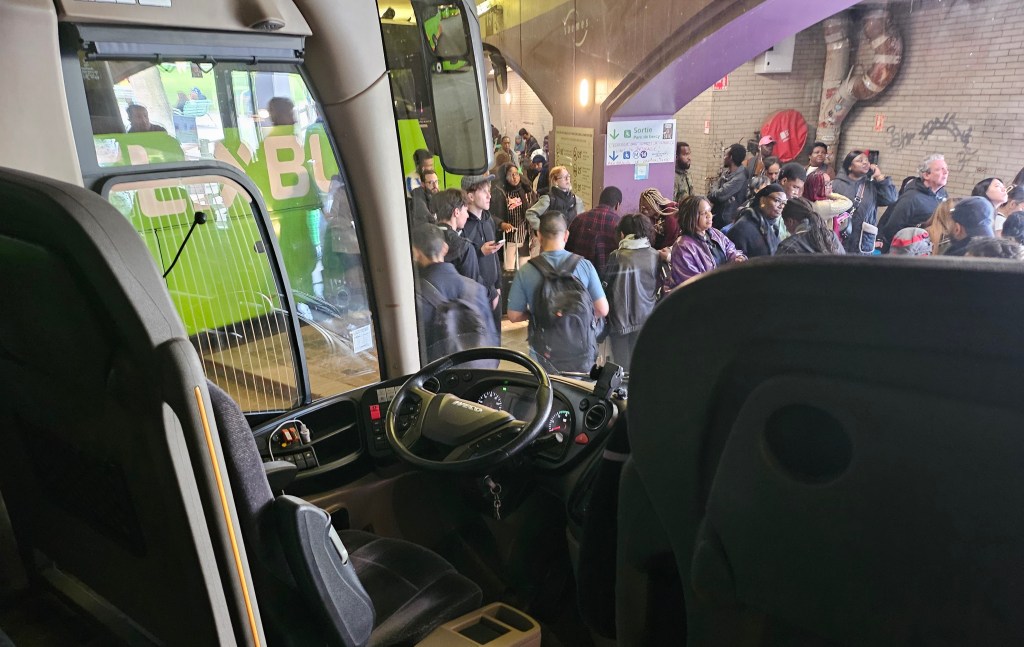
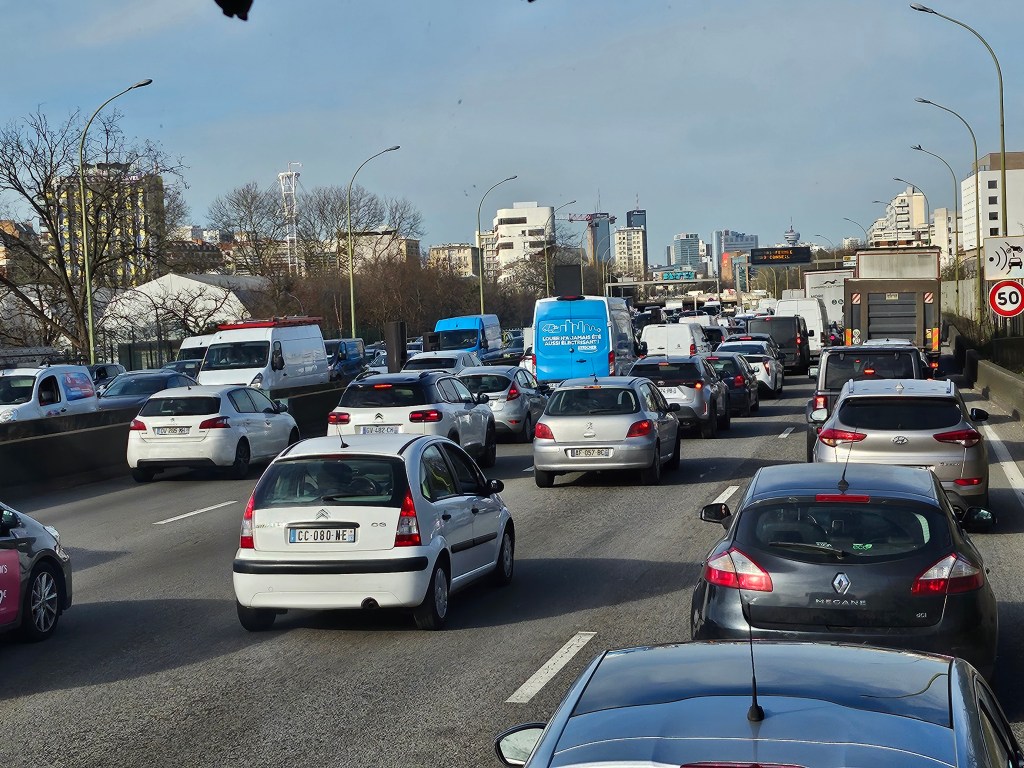
The unexploded bomb had not only closed the railway lines out of Gare du Nord, but also a number of roads. This was causing gridlock in much of Paris, including on the orbital route that the bus had to travel on to get to the motorway leading to Lille. The scheduled arrival time in Lille was 18:10, but I soon realised that getting there by then was extremely unlikely, and I was glad that I had allowed plenty of contingency for my connection. After travelling for an hour or so, the driver announced that we would probably be an hour late arriving, which I thought was rather optimistic, given I was by then tracking our progress using the Google Maps driving time estimate. It was only after about two hours, some 30 minutes before we were due to arrive in Lille, that we finally reached the outskirts of Paris near Charles de Gaulle airport. I wonder how many people missed their flights that day, as the trains to the airport were also not running. Once past the airport the traffic began to move more freely and I calculated that I should still get to Lille just in time, provided that there were no more hold ups. At that stage, rather worryingly, Google Maps, was showing another traffic jam approaching Lille due to an accident, but fortunately this had cleared by the time we got there.
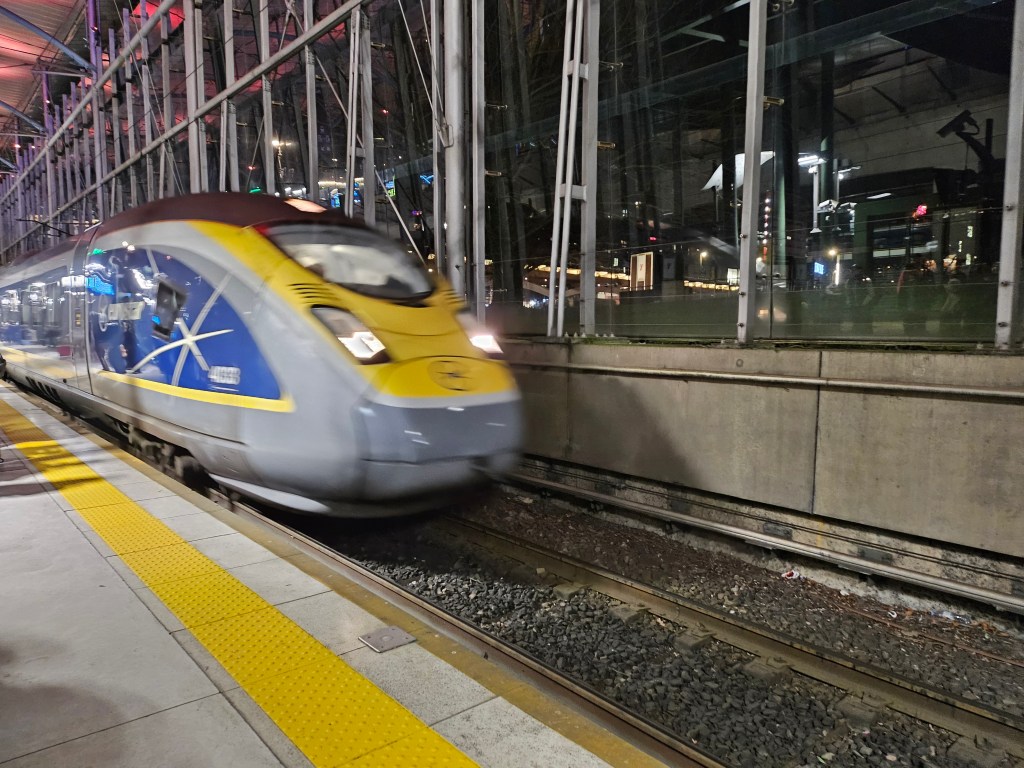
The bus eventually pulled into its stop round the back of Lille Europe station just before 8pm, an hour and 45 minutes late. The drop off point was at completely the other end of the station, and at a different level, from the Eurostar terminal, so by the time I reached there it was exactly 30 minutes before the departure time for my train, when officially check-in closes. All the delay meant that my plans to do some shopping and get something to eat in Lille had been thwarted. The train was on time, and once on board, I went to the buffet to get a baguette for my dinner. We arrived at St Pancras on time just before 9pm and less than an hour later I was home.
Postscript
Early on the Sunday morning after I got back, before I had managed to work out how to claim my additional expenses from Eurostar, they proactively contacted me by direct message. They readily agreed to cover my costs and refunded back to my credit card within a couple of days the exorbitant cost of the Eurostar ticket from Lille. Ten days later a payment for the price of my bus ticket to Lille was also made to my bank account. I had envisaged a lengthy correspondence to get this money back, but instead I was very impressed with how quickly everything was resolved.
 Europe Explored