
“I’m the street you walk
The language you talk
I am the city”
ABBA
Day 7 – Tuesday 19th September 2023 – Stockholm
Having not done any exploring of Stockholm upon my arrival the previous evening, I got up early to go for a wander to familiarise myself with the layout of the city before the attractions I wished to visit had opened.
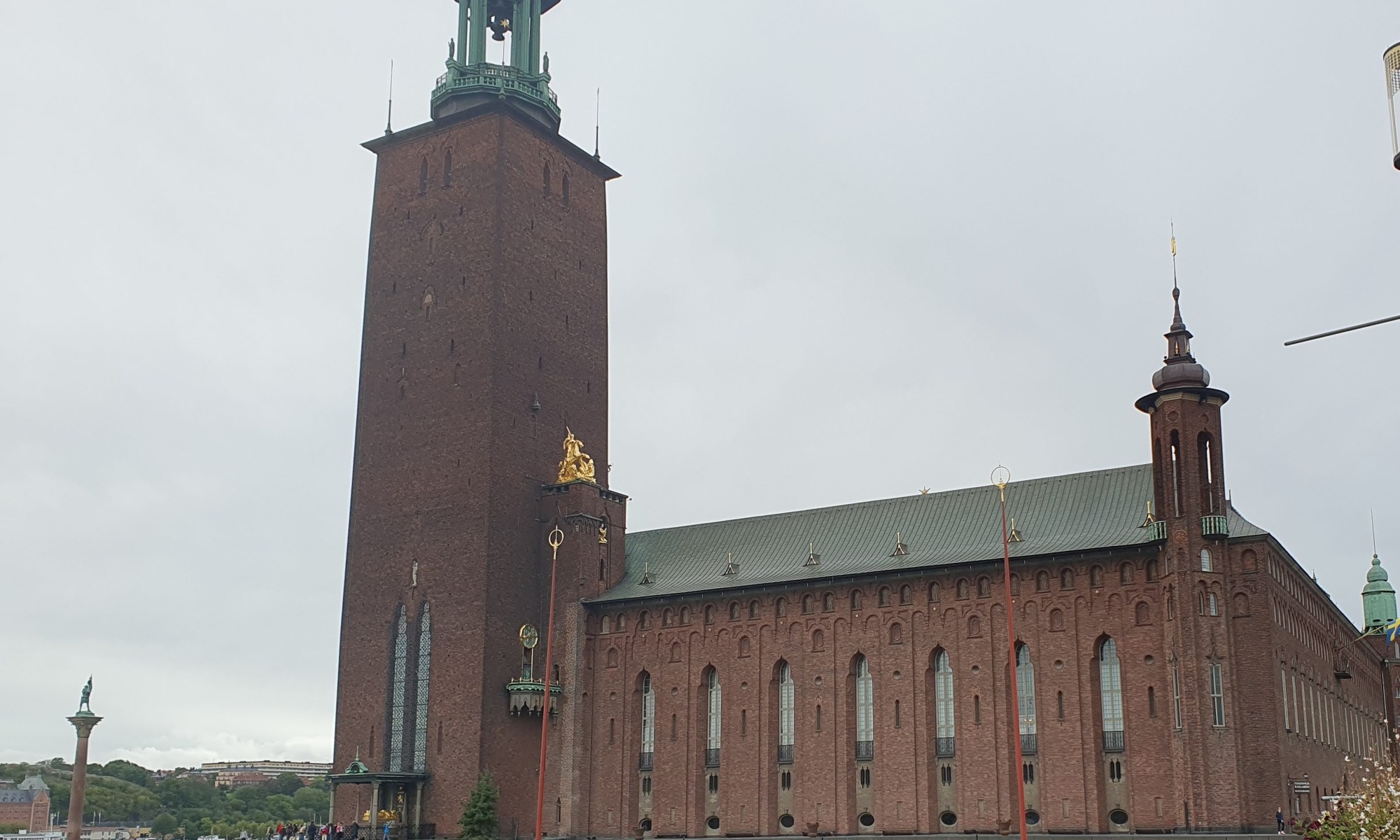
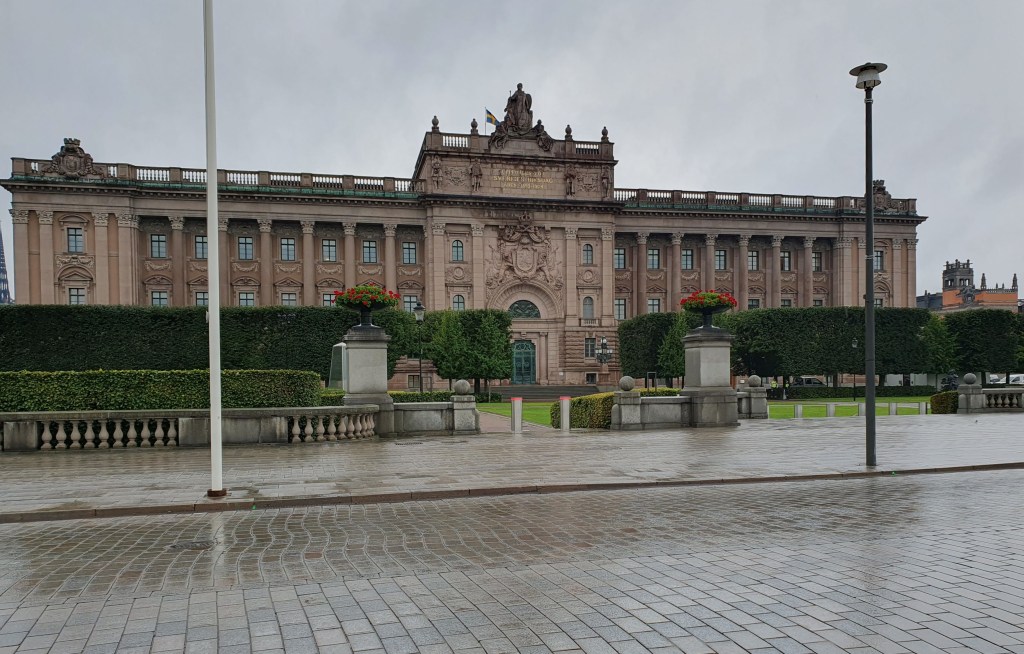
From my hotel, I walked through the city centre, past Stockholm City Hall to Gamla Stan, the old town, located on one of the smaller of the many linked islands on which Stockholm is built. Much of the island consists of a maze of narrow streets, but some of the charm is lost because they are mostly occupied by very touristy shops. Additionally, the Royal Palace is located here occupying a large area with a broad frontage facing Stockholm harbour. When I first set off there was a hint of light drizzle in the air, but by the time I reached the Royal Palace this had turned to steady rain, causing me to find a route seeking as much shelter as possible.
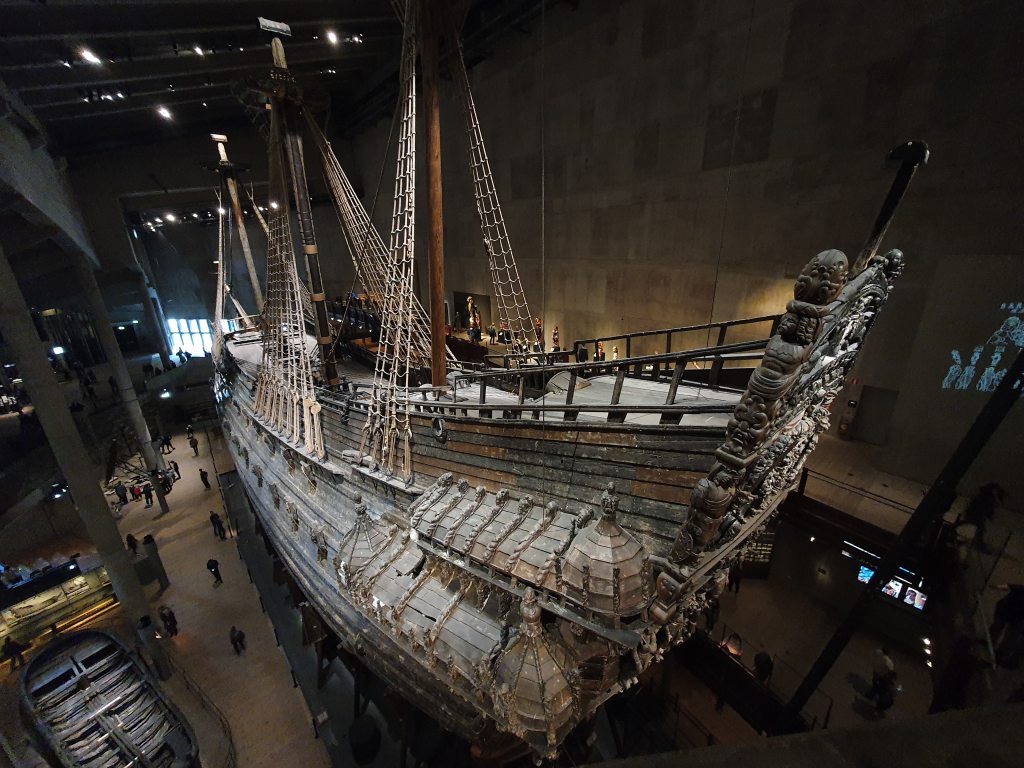
Crossing back over the bridge to the modern city, I caught a tram east to another of Stockholm’s many islands, Djurgården. From the tram stop, it was a short walk through a park to reach the Vasa Museum. Here is displayed the Swedish warship which sank on her maiden voyage in 1628 and was recovered from the bed of Stockholm harbour in 1961. The Vasa was moved to this purpose-built museum in 1983, occupying much of the interior space. There are some side galleries which tell you about the history of the ship and display some of the artefacts recovered with the wreck. The Vasa tipped over and sank in a light breeze while crowds on the shore watched it setting sail for the first time. It appears that the design of the ship was fundamentally unstable. Although an official inquiry at the time failed to assign blame, that conclusion was probably because the Vasa’s Dutch designer had already died by the time it was launched. The sheer size of the Vasa filling the museum space was very impressive, but to my untrained eye it did look a little top heavy. There was an audio-guide available to listen to on your own phone and it took a couple of hours to look at everything in the museum.
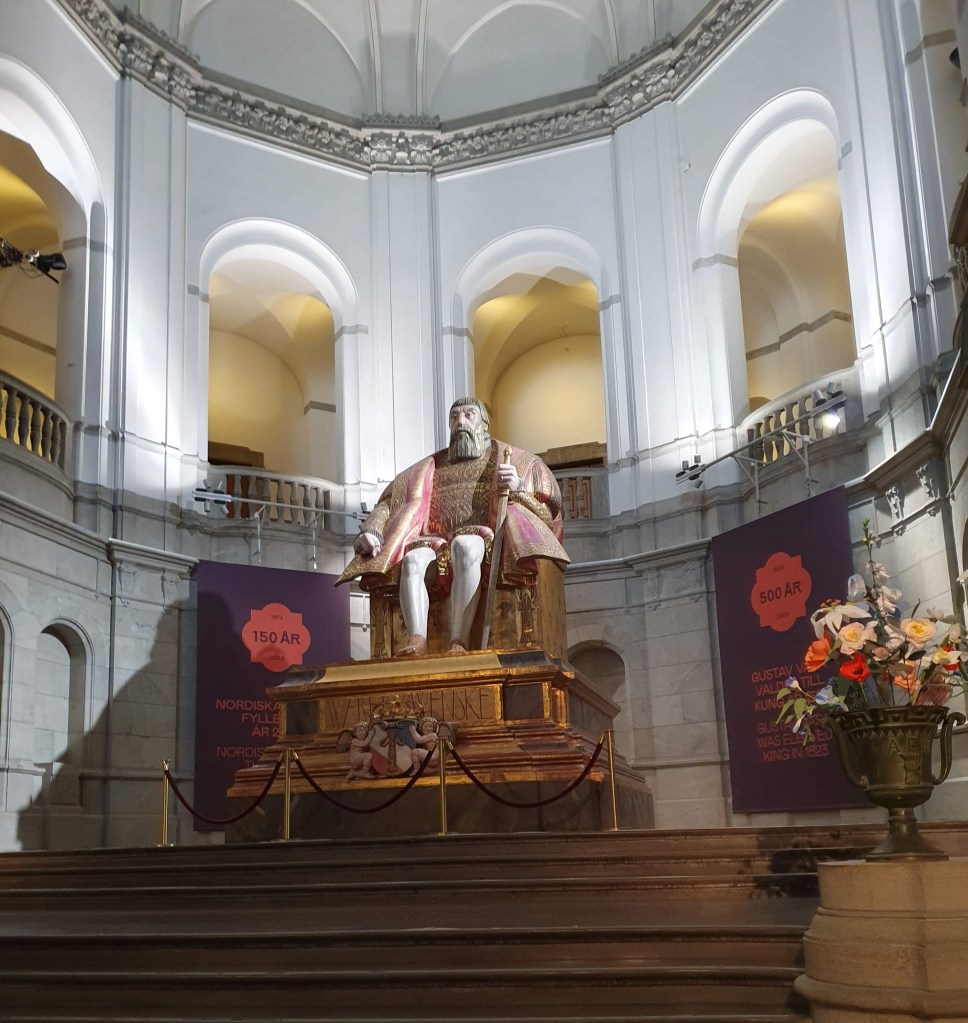
A short distance away is the Nordiska Museet, a museum displaying Sweden’s cultural history. It occupies an impressively large 19th century building. Given the size of the museum, I found the content a little underwhelming. Originally intended to celebrate the culture of the whole Nordic people, it now largely focuses on Sweden. One exception was an exhibition on the Arctic and, in particular, how climate change is affecting the lives of those who live there. Other exhibitions included ‘Paris of the North’ on Stockholm’s role in mid-20th century couture, and one on table settings in Swedish households for different occasions.
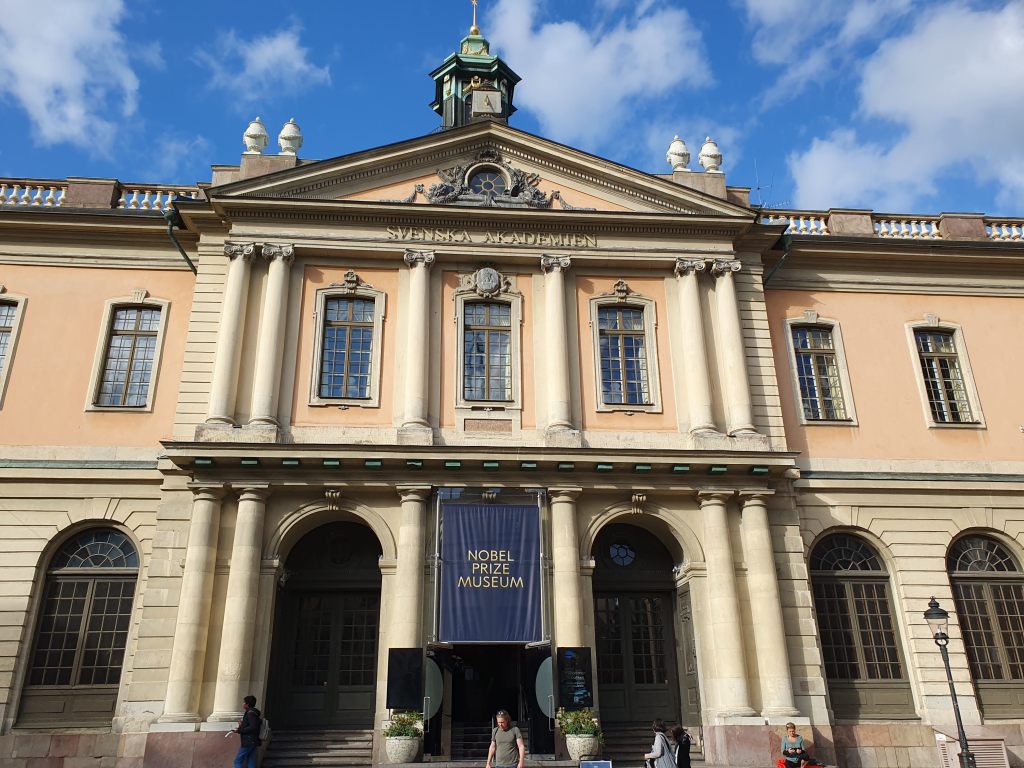
I returned by the same tram route as I had come to Djurgården and went back to Gamla Stan. Here I visited the Swedish Academy (the body which chooses the winner of the Nobel Prize for Literature), which contains the Nobel Prize museum. As well as wandering around the museum yourself, a guided tour is included which provides information on the history of the Nobel Prizes and highlights certain items in their collection. Recent Nobel Prize winners are asked to donate a personal item to the museum, when they visit as part of the week of celebrations when the prizes are awarded. For example, Malala Yousafzai gave the headscarf she was wearing when she addressed the United Nations, and Barry Marshall (the discoverer of the link between stomach ulcers and helicobacter pylori) gave a vial of the bacteria similar to the one he drank to deliberately infect himself to prove his theory.
My final visit of the day was to Stockholm City Museum, which was open late that evening, located on Södermalm, the next island south of Gamla Stan. This gives a comprehensive account, spread over four floors, of the history of Stockholm from early times to the present day. By the time I had finished there, I was getting quite tired, so I took the T-Bahn underground railway back to my hotel. (The T in T-Bahn stands for tunnel.)
That evening I found a pleasant restaurant not far from my hotel, where I had salmon starter with beef to follow.
Day 8 – Wednesday 20th September 2023 – Stockholm to Gothenburg
The weather forecast for Stockholm had been more promising than that for the previous day. Nonetheless, when I set off after breakfast it was raining. I first went to Stockholm City Hall to book a tour of the building, as they can only be booked on the day of your visit. By getting there shortly after they opened at 8:30am, I ensured I got a place on the first tour of the day at 9:30am. In the time before the tour began, I walked round some other parts of Stockholm that I had not yet seen.
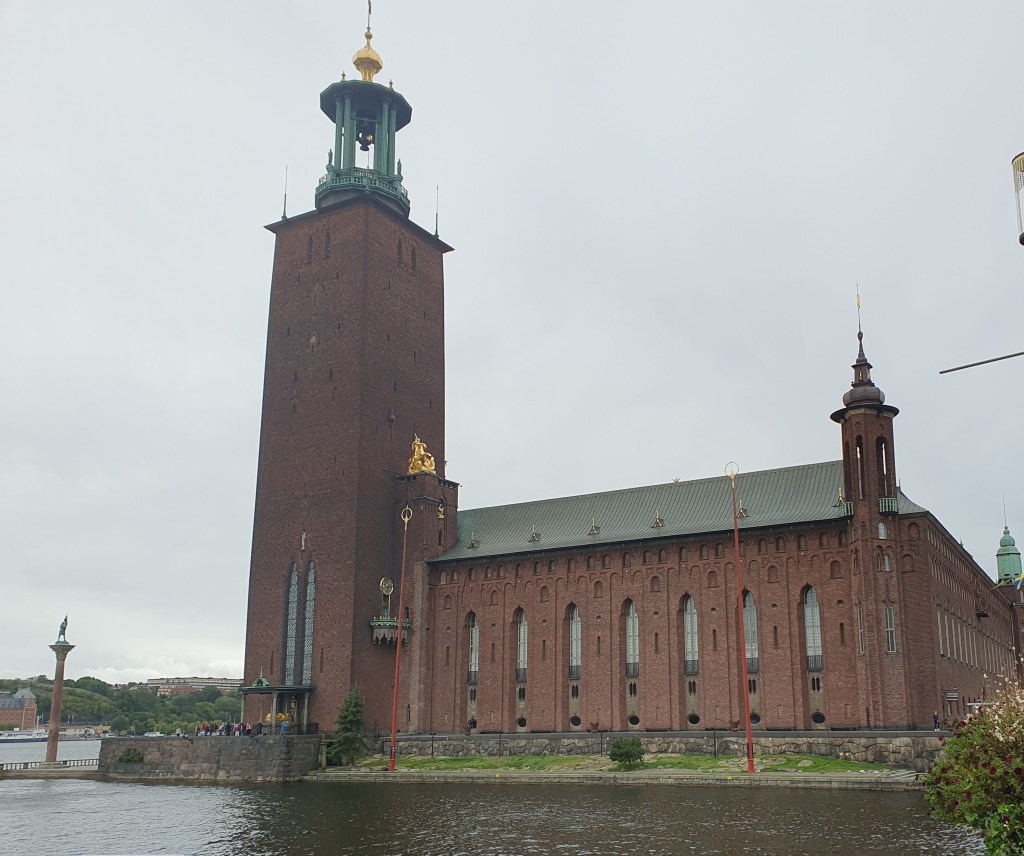
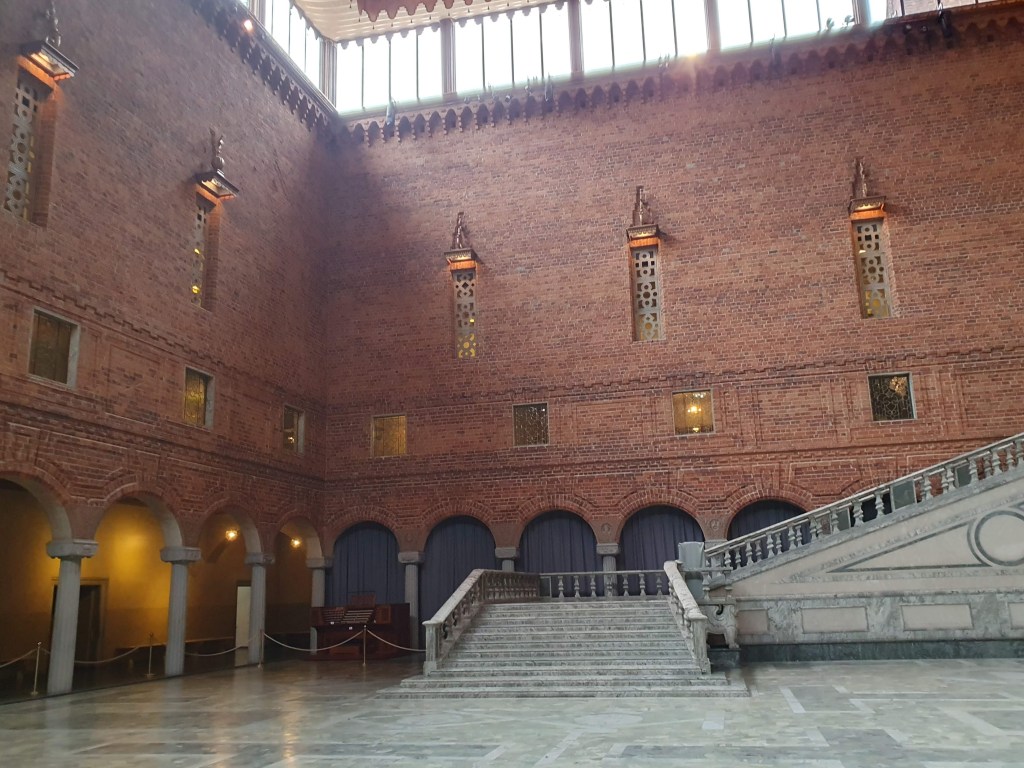
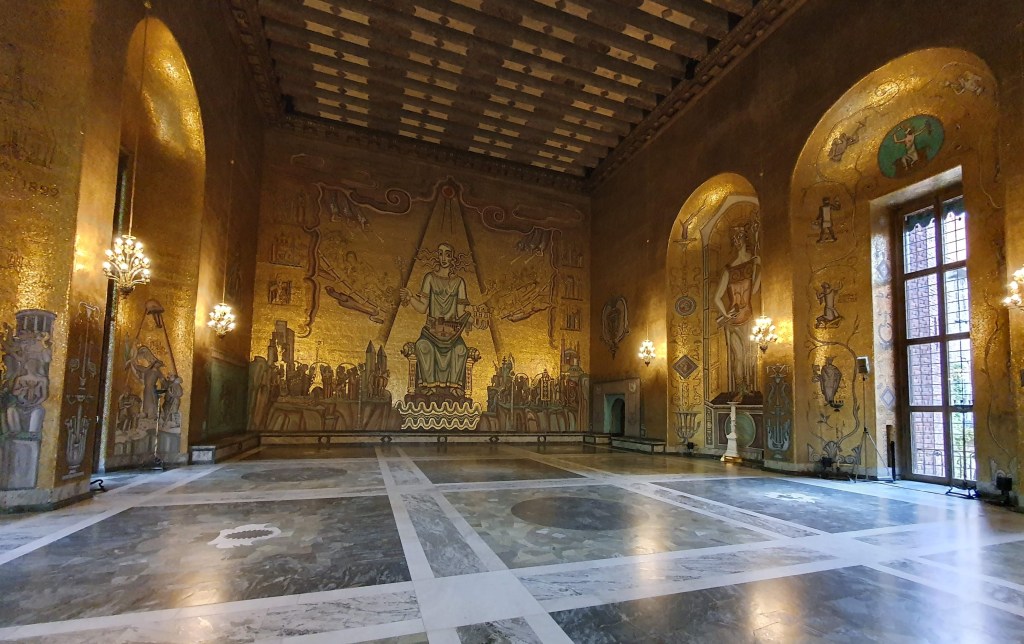
When I returned to the City Hall for the tour there was a small group of people waiting in the courtyard. We were admitted promptly at 9:30am. We first went to the large ground floor space known as the Blue Hall. It is so called because when originally built in the early 1900s the intention was for this room to have blue plaster walls, but in the event the brickwork was left unadorned. This room is where the Nobel Prize banquet is held on 10th December every year. From the Blue Hall we ascended the grand staircase to visit the main council chamber (also known as the Red Room). Among the other rooms visited was the Golden Hall decorated with scenes from Swedish history with thousands of golden mosaic tiles. It is in the Golden Hall that the Nobel Prize Ball is held following the banquet.
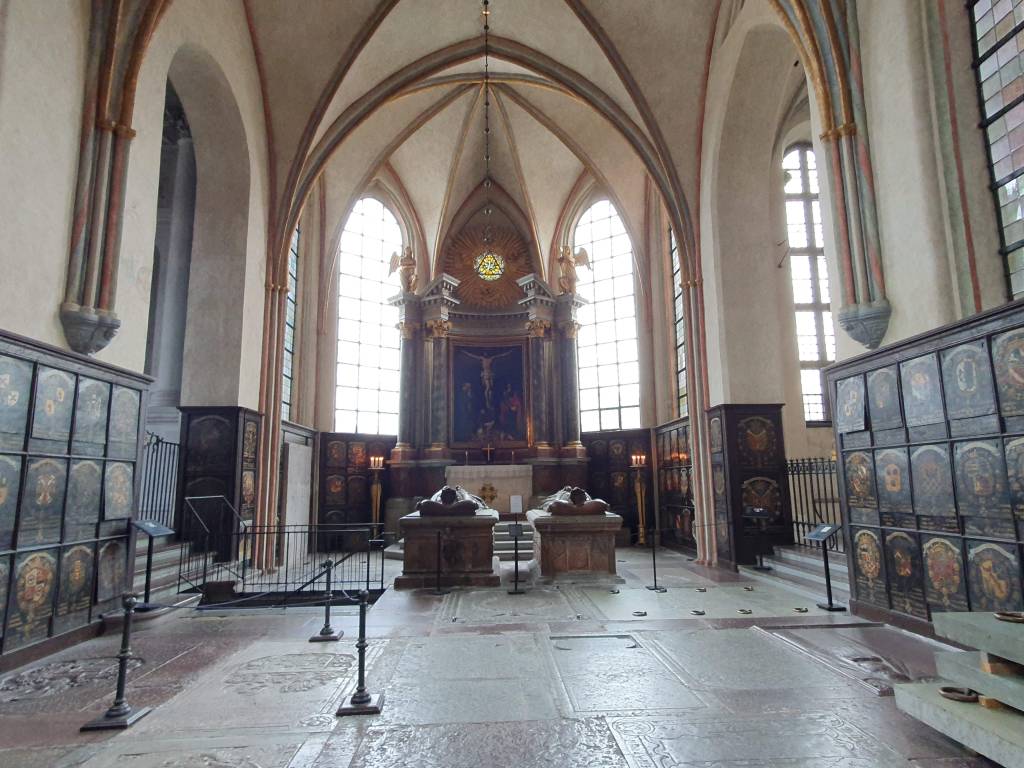
From the City Hall I walked the short distance to the small island of Riddarholmen, whose church, which was originally a Franciscan monastery, had been the burial place of the Swedish monarchy since 1290. Gustav V was the last burial in Riddarholmen in 1950, since when Swedish royals have been buried elsewhere. The church also serves as the chapel of the Order of the Seraphim, the highest order of chivalry in Sweden. All the dead members of the order are commemorated by plaques adoring the walls of the church. There are now so many earlier members that many of the plaques are covered up by more recent additions, with only the name of the person being honoured showing beneath the newer ones. The most recent plaque in the church is for Queen Elizabeth II of the United Kingdom.
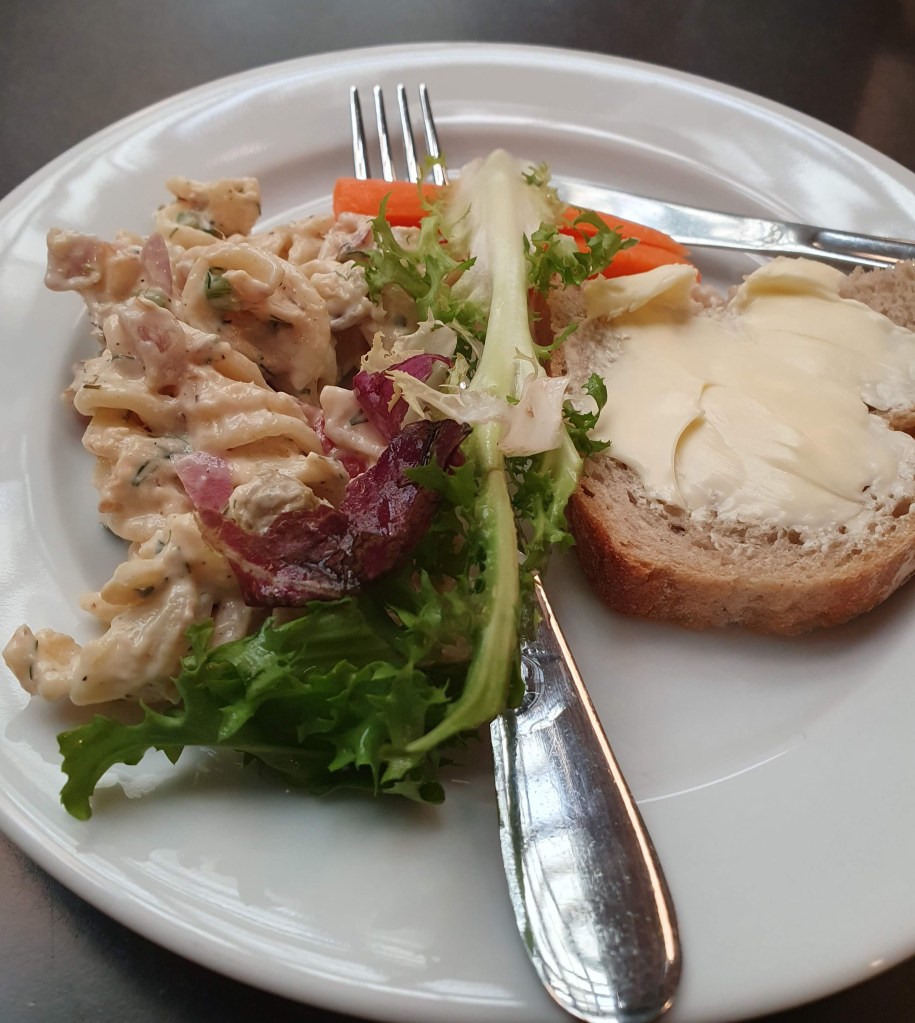
By the time I left the Riddarholmen Church the rain had stopped, so I took a circuitous route via the harbour to Stockholm Central station. I arrived in good time, as I wished to make use of the SJ Lounge, which my first class ticket permitted me to access. In the lounge I help myself to a modest complimentary buffet lunch, which I accompanied with a cup of liquorice tea.
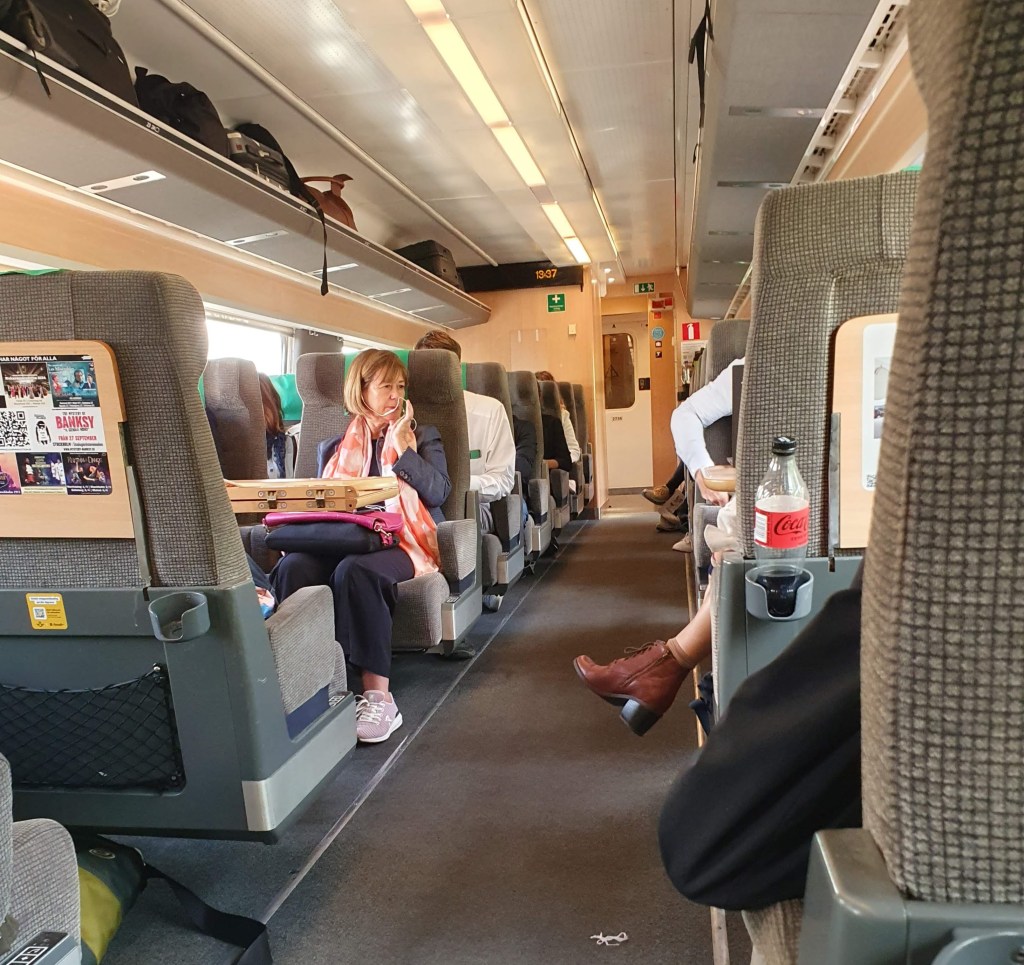
My train to Gothenburg departed at 1329, and although starting from Stockholm Central, only arrived in the platform a few minutes earlier. I was surprised that the first class carriage I was travelling in was completely full, which I thought unusual for a train in the middle of the day. In a strange coincidence shortly after I settled into my seat I saw a Tweet from somebody I know saying that they had just got on a train to Gothenburg – I established that they were travelling from Copenhagen and were due to arrive 40 minutes after me. My train was due to arrive in Gothenburg at 1640, but in fact arrived nearly 10 minutes early.
On arrival, I set off for the 10 minute walk to my hotel. Inevitably, within a couple of minutes the heavens opened with a heavy downpour, which had nearly stopped by the time I reached the hotel. In this hotel, which was a small independent establishment without a lift, I was given a large attic room on the top floor.
The first thing I did after I arrived was to book a ticket to see Nabucco at the Gothenburg Opera House that evening. I had contemplated going ever since I planned the whole trip, but didn’t want to risk booking in advance in case my train was delayed. But since it didn’t seem like that evening’s performance was going to sell out, I thought, correctly, that I could wait until I actually arrived.
Given the opera started at 7pm, I decided to have a early dinner beforehand. I went to a burger restaurant near the hotel, where you ordered your meal by scanning a QR-code on your table. One difference between Finland and Sweden, is that there is no tipping culture in Finland, whereas when you pay in Sweden the card machine already has a suggested tip added, which you can alter up or down. I thought it a bit presumptuous of this restaurant to ask you to pay as part of placing the order at your table, and then adding a suggested service charge before you had received any actual service.
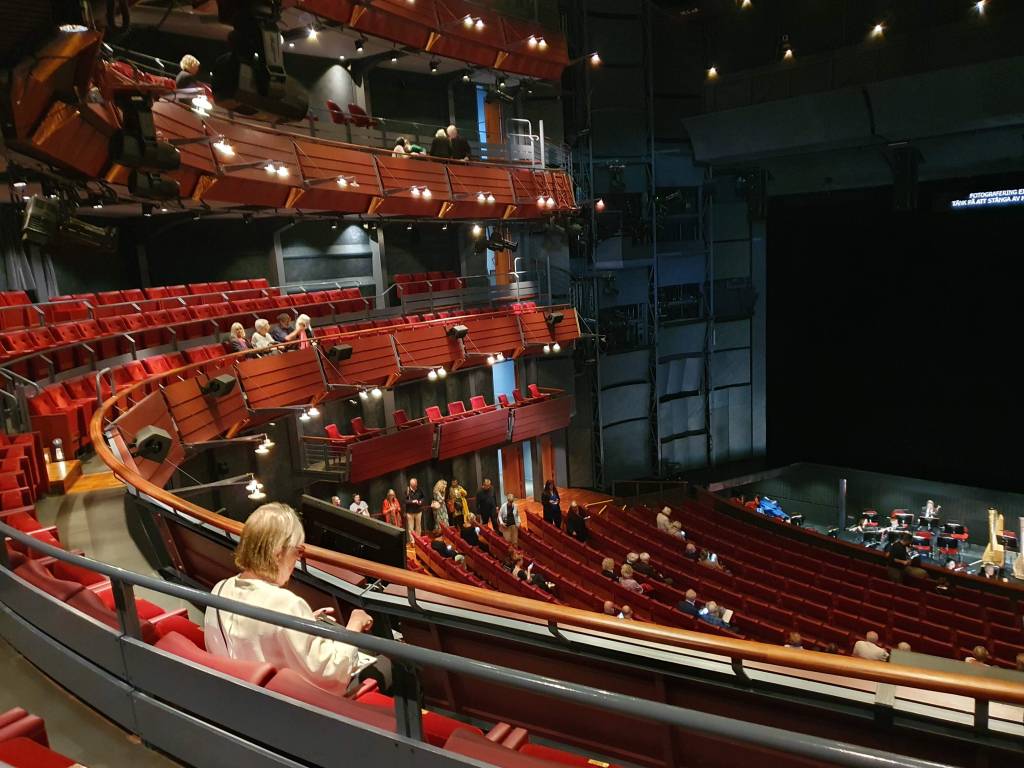
From the restaurant I went straight to the Opera House, arriving in sufficient time to enjoy a pre-performance drink. I have never been to an opera before, so I was not totally sure what to expect. Why didn’t I try an opera at home first? One reason could be that the cheapest tickets for the Royal Opera House in Covent Garden are more expensive than the top price seats at the Gothenburg Opera. This production of Nabucco was in a modern setting. The Israelites were initially slick-suited politicians until they were captured and held prisoner by anarcho-terrorist Babylonians. At the end of the opera when Fenena is due to be killed, in this version she prepares to sacrifice herself by donning a suicide bomber’s vest, before being spared by Nabucco. The undoubted star of the show was the Russian soprano, Zoya Tsererina, who gave a commanding performance as Abigaille, clad throughout in black leather. Given the recent controversy surrounding the Berlin Staatsoper’s use of another Russian soprano, I was surprised that there didn’t seem to be any comment about Zoya Tsererina’s appearance. Not knowing what to expect, I thoroughly enjoyed the evening and it is something that I will repeat if the opportunity arises.
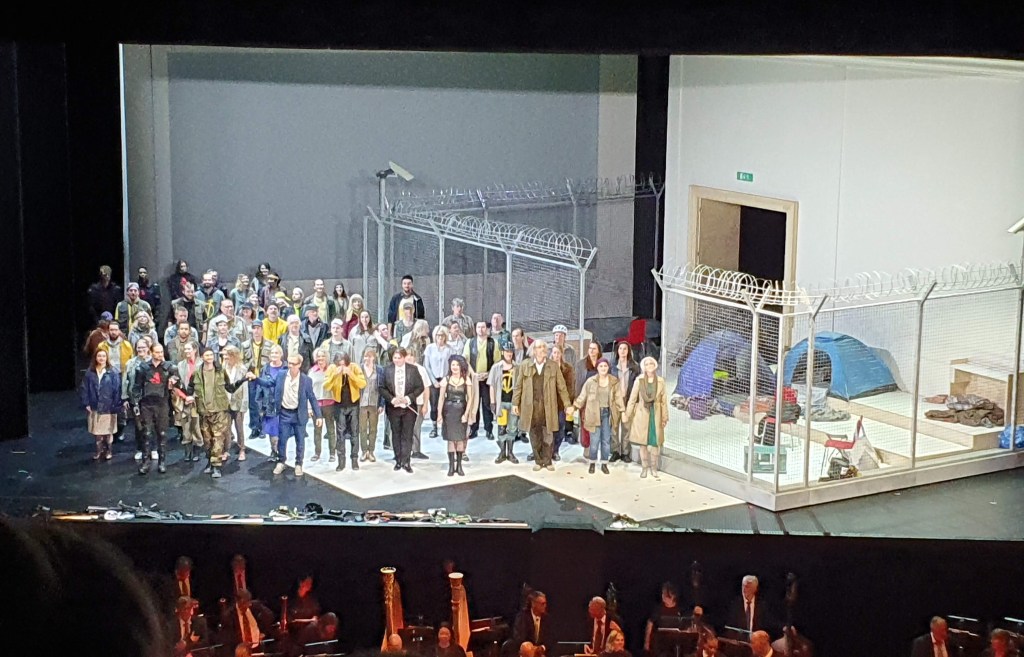
Day 9 – Thursday 21st September 2023 – Gothenburg to Malmö
Being a small hotel, the breakfast offering was more limited than in my hotel in Stockholm. However, at every hotel I stayed at in Sweden, tinned (or possibly bottled) strawberries were on offer for breakfast. I set off for a walk to see some of the sights before the museums I intended to visit had opened. Via a roundabout route I went to to the Skansen Kronan, a defensive fort on a hillock a little way from the centre of Gothenburg. The fort is not open to the public and while there are glimpses of views in all directions from the top, trees obscure many of the lines of sight.
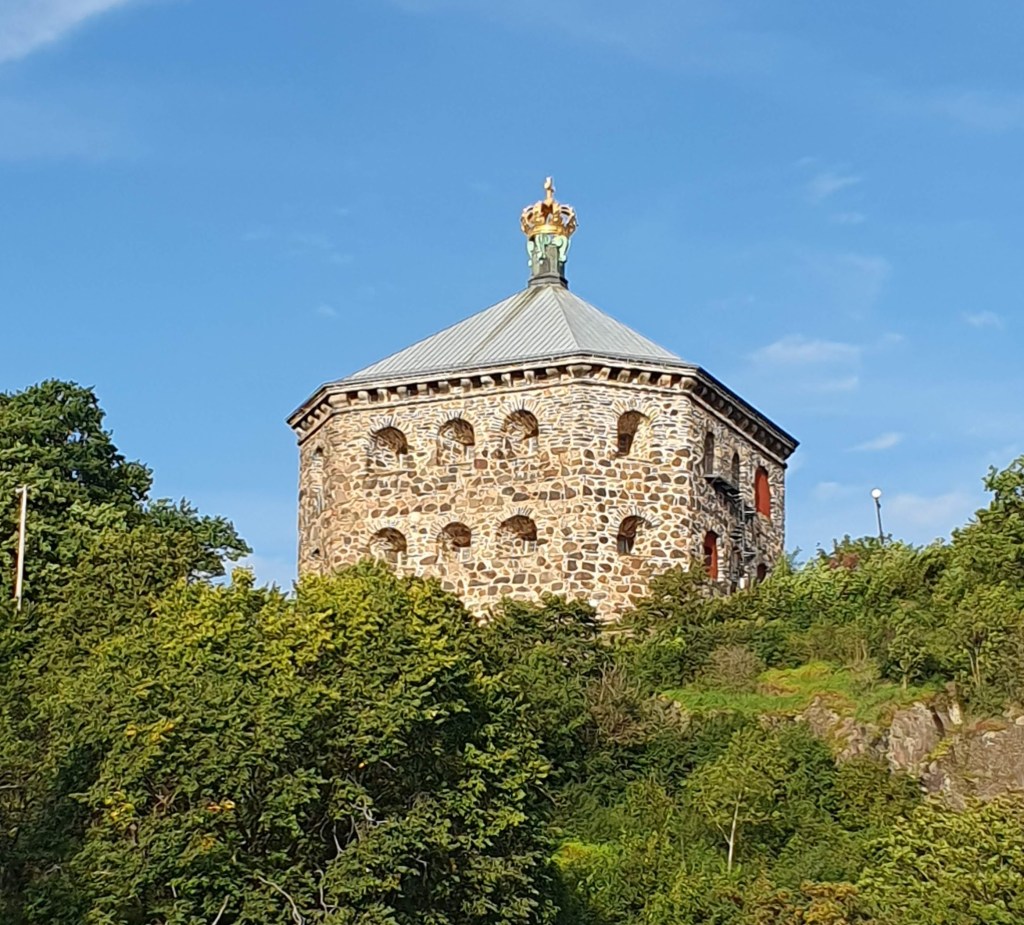
From the Skansen Kronan I went via Gothenburg’s fish market to the city’s maritime museum, arriving just before it opened at 10am. (There are actually two maritime museums in Gothenburg, one run by the city and one commercial, but the latter was not open the day I was in Gothenburg.) On entry I bought a museum card for entry to all four of the museums run by the city authorities – it is valid for a year and cost only about half the price of entry to just one museum in Stockholm. The maritime museum also contained an aquarium that I briefly looked at first. Unlike in Turku, there are no boats moored outside this museum, but it had plenty of information about Gothenburg’s development as a port and the history of the shipping that used it. Here I learned that, although Sweden was neutral during World War II, it heavily mined its coastal waters as a defensive measure and occasionally mines are still found to this day.
From the maritime museum I caught a tram back to the city centre and next visited Gothenburg City Museum which covers the history of Gothenburg since prehistoric times. The modern port of Gothenburg was largely developed by Dutch settlers in the 17th century.

The third of the museums that I could visit with my museum card was the city’s art gallery. This was housed in a large building slightly south of the city centre. It has a small collection of French impressionist paintings, as well as works by Van Gogh and Picasso.

The fourth museum was the Röhsska Museum, Gothenburg’s museum of design and craft. Personally, I found this the least interesting of the four and consequently I did not spend as much time in it as I did in the other three.
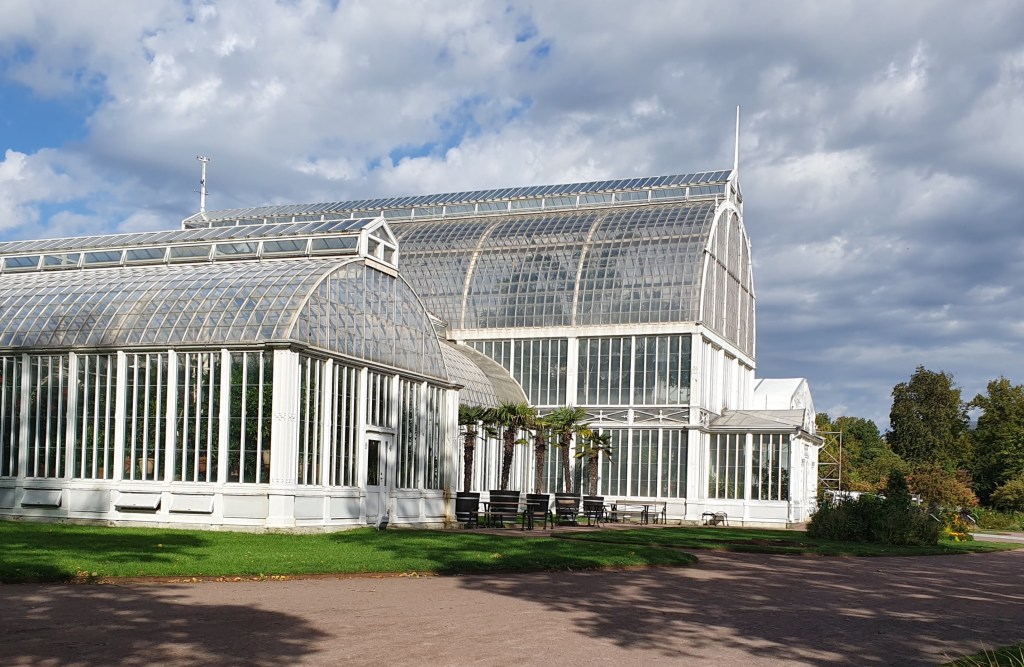
I then walked back to the centre of Gothenburg via a large park, the Trädgårdsföreningen, which contained a palm house and other greenhouses at different temperatures that you could enter.
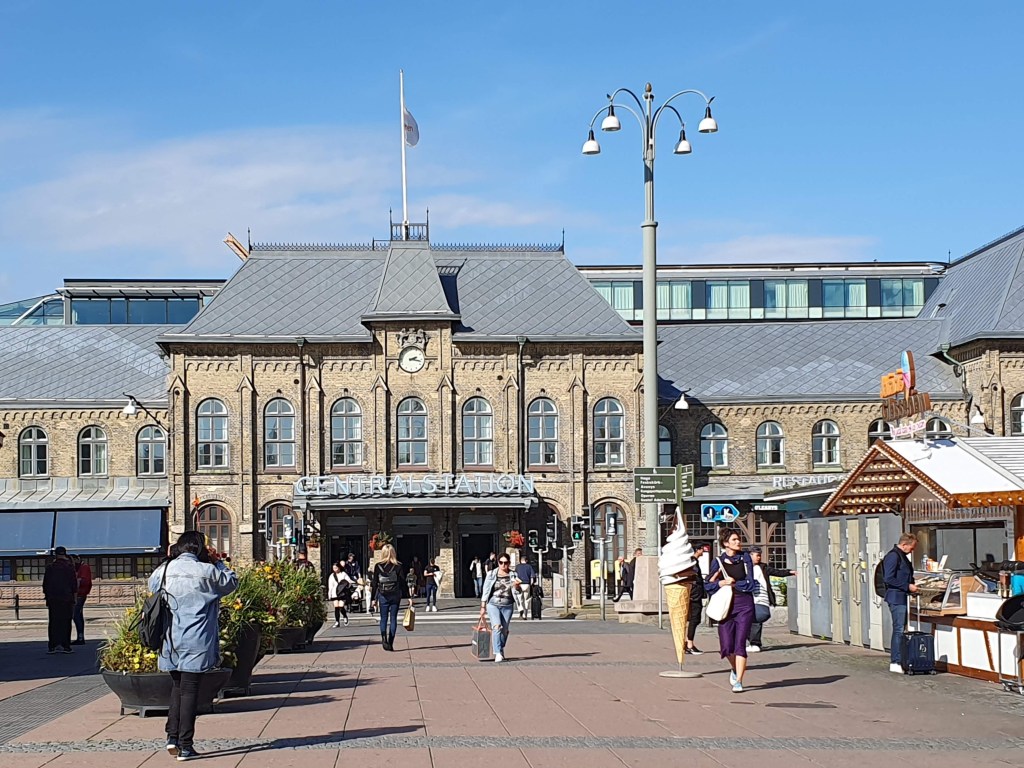
It was a short distance from the Trädgårdsföreningen to Gothenburg Central station. At the station I again used the SJ Lounge to have a complimentary late lunch. I caught the 1524 train to Malmö, which departed six minutes late. Like the previous day’s train the first class carriage that I was travelling in was full, but unlike the train from Stockholm, first class had four seats across, rather than just three.
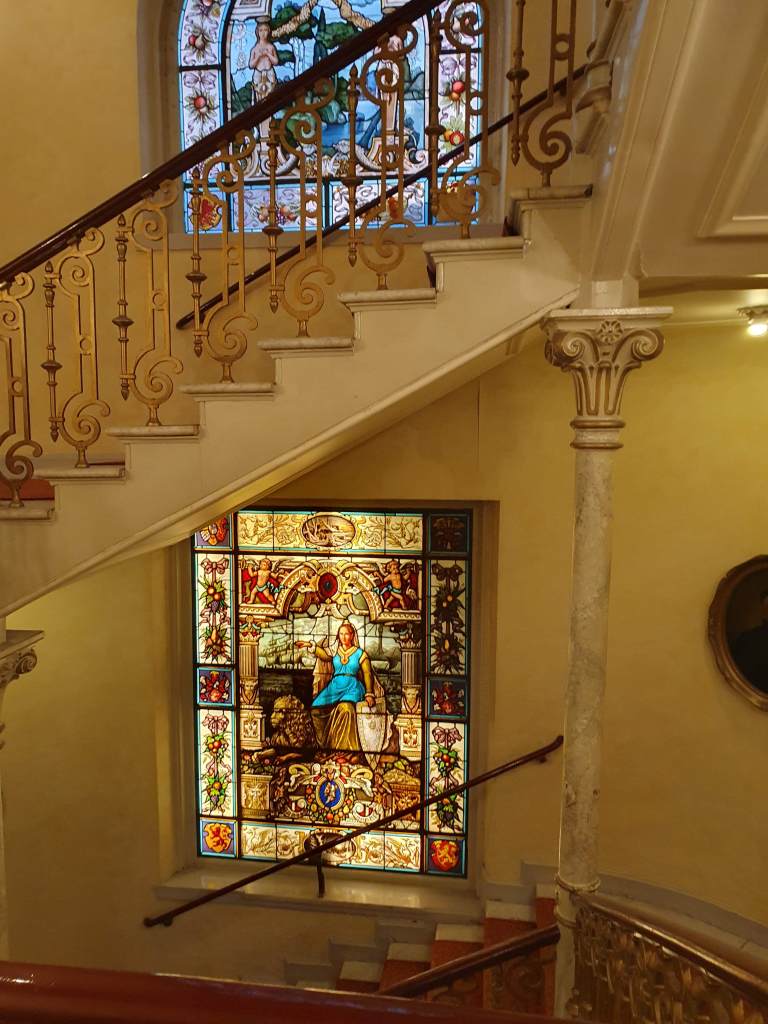
Despite the late departure, the train arrived at Malmö Central on time at 1800, following a largely coastal route to get there. It was a short walk from the station to the hotel that I had booked for the night. This hotel was older than any of the others that I had stayed in on this trip and showed signs of fading splendour, such as elaborate stained glass decorating the main staircase.
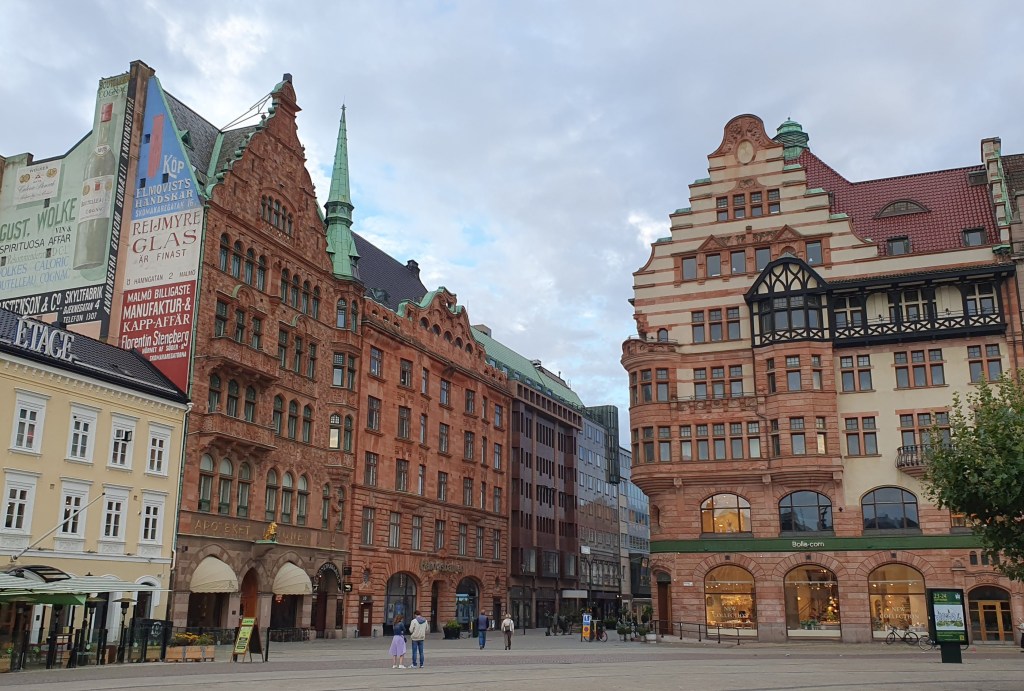
In the evening I went for a walk to explore the centre of Malmö, before finding a restaurant for dinner. Although the food in the restaurant was good (I had pork schnitzel for main course), the service was rather inattentive – for example, forgetting to bring the drink that I ordered and when I reminded the waitress, bringing the wrong one.
Day 9 – Friday 22nd September 2023 – Malmö to London
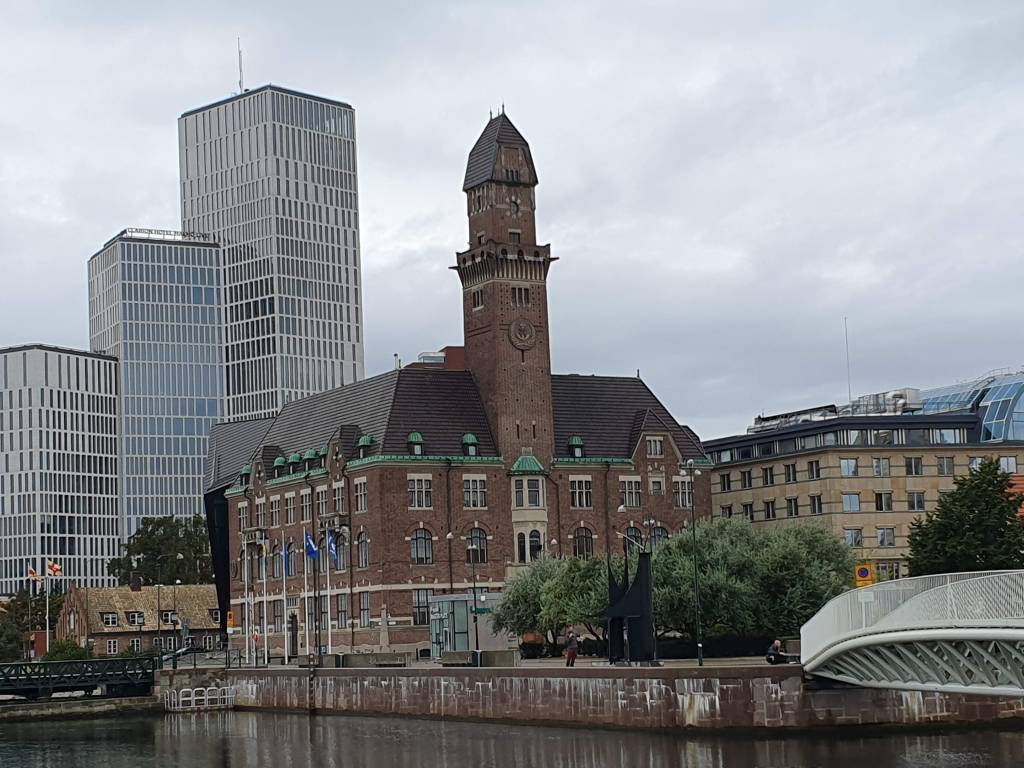
As none of the museums in Malmö opened until 11am, I decided that after breakfast I would initially go for a walk to explore some of the parts of Malmö that I had not had an opportunity to see the previous evening. Except I saw while I was eating my breakfast that it was, yet again, pouring down and the rain was so hard that I would get completely soaked, even with an umbrella. Fortunately, the very hard rain started to ease and I decided to risk it, as the weather forecast was that it should brighten up as the morning progressed.
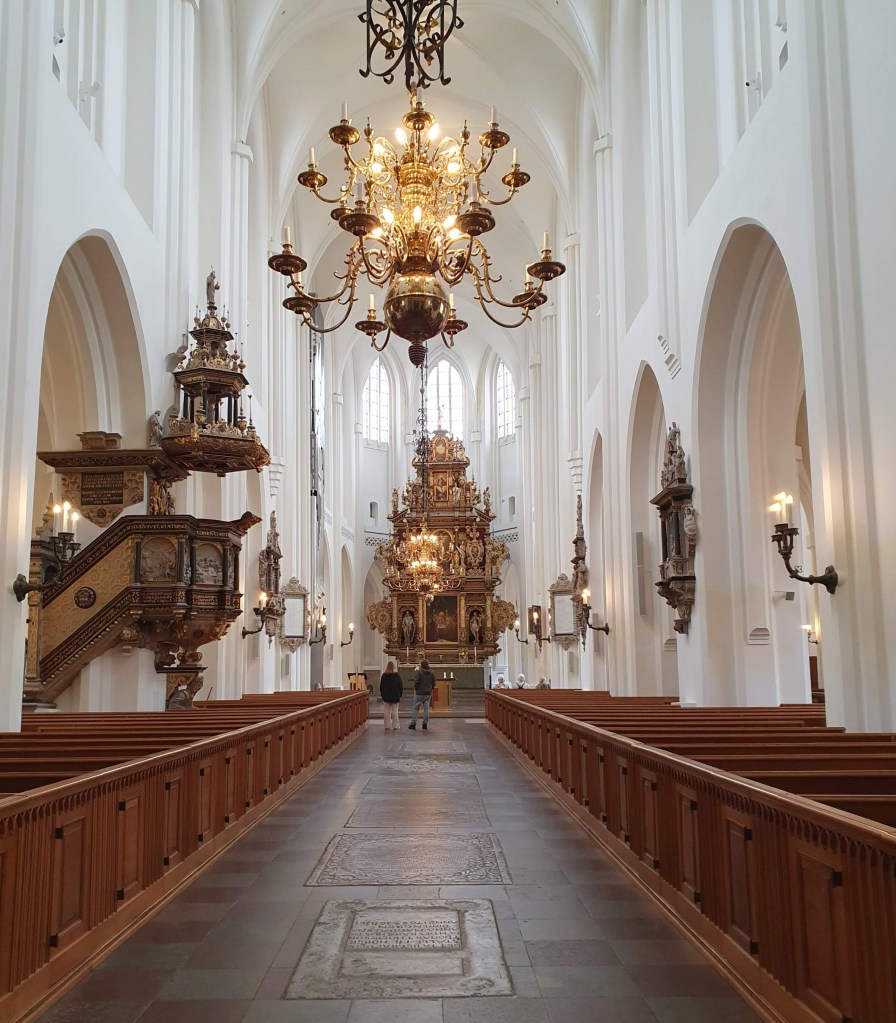
One place that did open earlier was St Peter’s Church and I went there as part of my walk round the city. It was originally built in the 14th century in the Gothic style, when Malmö was part of Denmark.
From St Peter’s I walked away from the centre of the city towards Malmö castle, but seeing that I would arrive before it opened I took a detour through the park to the south of the castle. Malmö castle houses the city’s main museums, although the science museum, entry to which is included in the ticket price, is located in a separate building a short distance away.
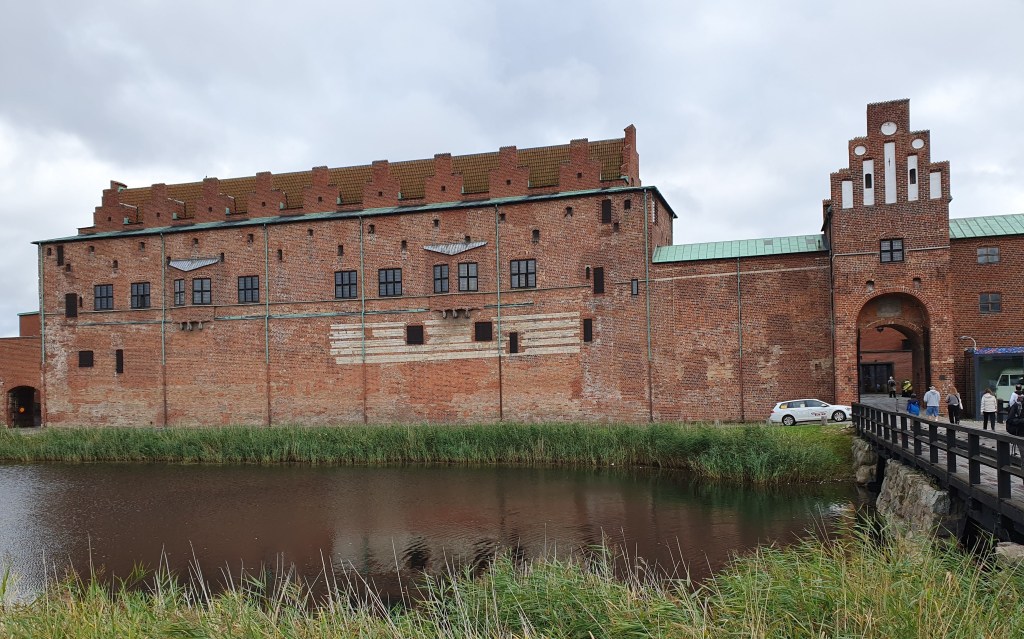
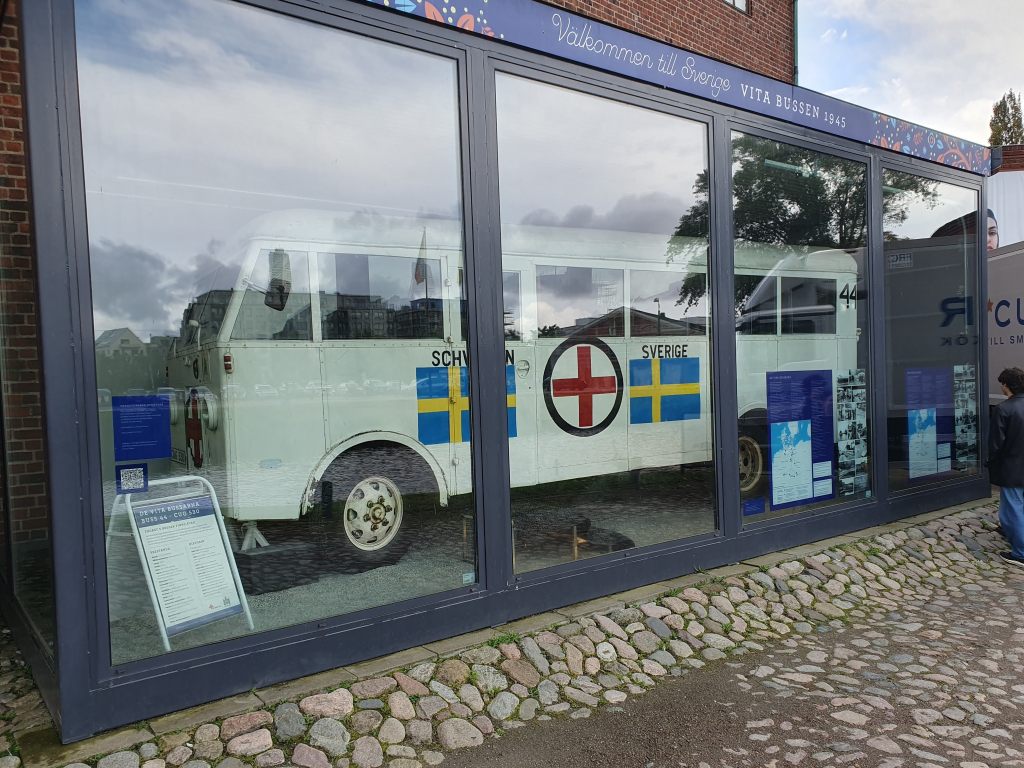
Malmö castle was built in the 15th century. As well as being a fortress, it has also been used as a prison for much of its history. One of its most famous prisoners was the Earl of Bothwell, the third husband of Mary Queen of Scots, who was imprisoned here by the Danes for five years after his ship ran aground in a storm. More recently it was used as a reception centre for refugees who were rescued from Nazi Germany in the final year of World War II by a fleet of white Swedish buses.
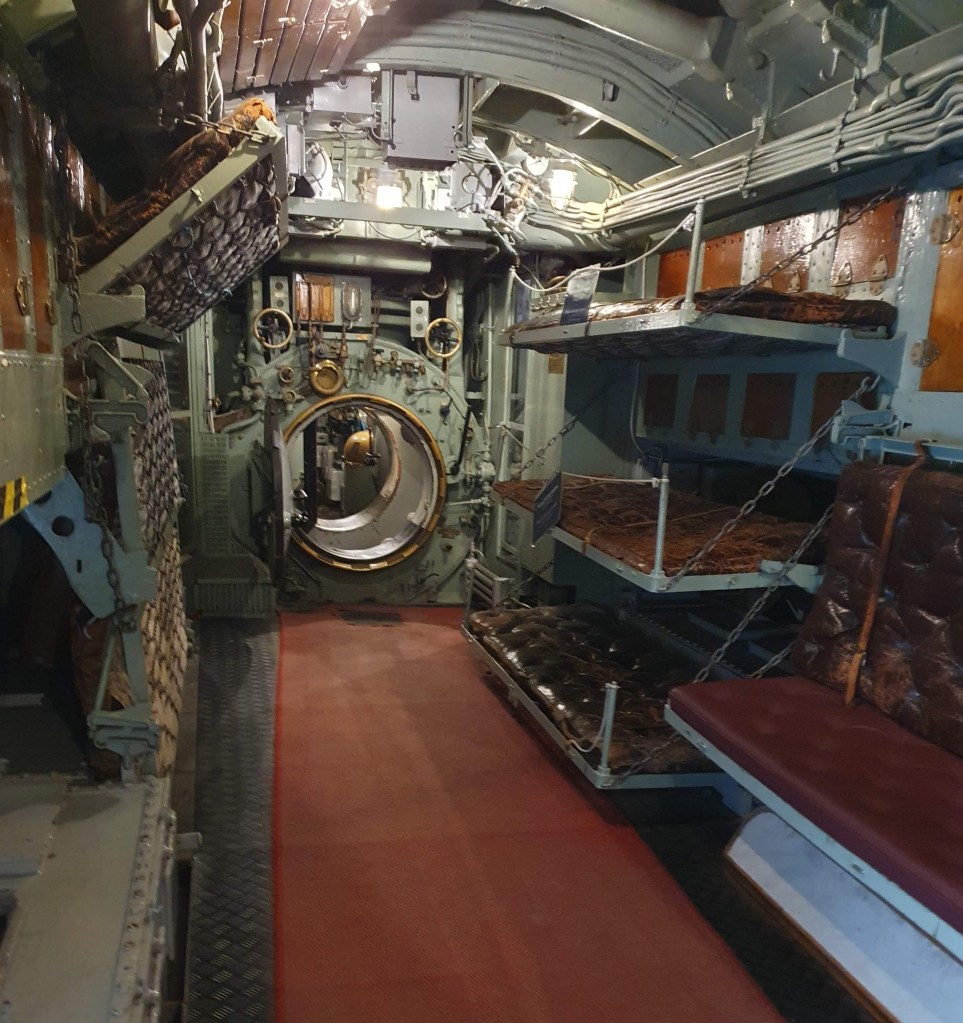
Malmö castle contains a variety of museum exhibitions, including an aquarium and art gallery, but also those that provide a history of the castle and of Malmö more generally. About 150 metres down the road from the castle is the science museum. It has a few science related exhibitions, including one profiling selected Nobel Prize winners (from all disciplines, not just science). One of the people featured in this exhibition was Roger Penrose, the British mathematician, who won the Nobel Prize for his theoretical work on black holes, and whom I have had the pleasure of meeting on a number of occasions. Most of the area of this building is devoted to transport exhibits, including vehicles, planes, and a submarine. While crawling through the submarine, I nearly got stuck trying to squeeze through the narrow opening that joined the two parts of the vessel.
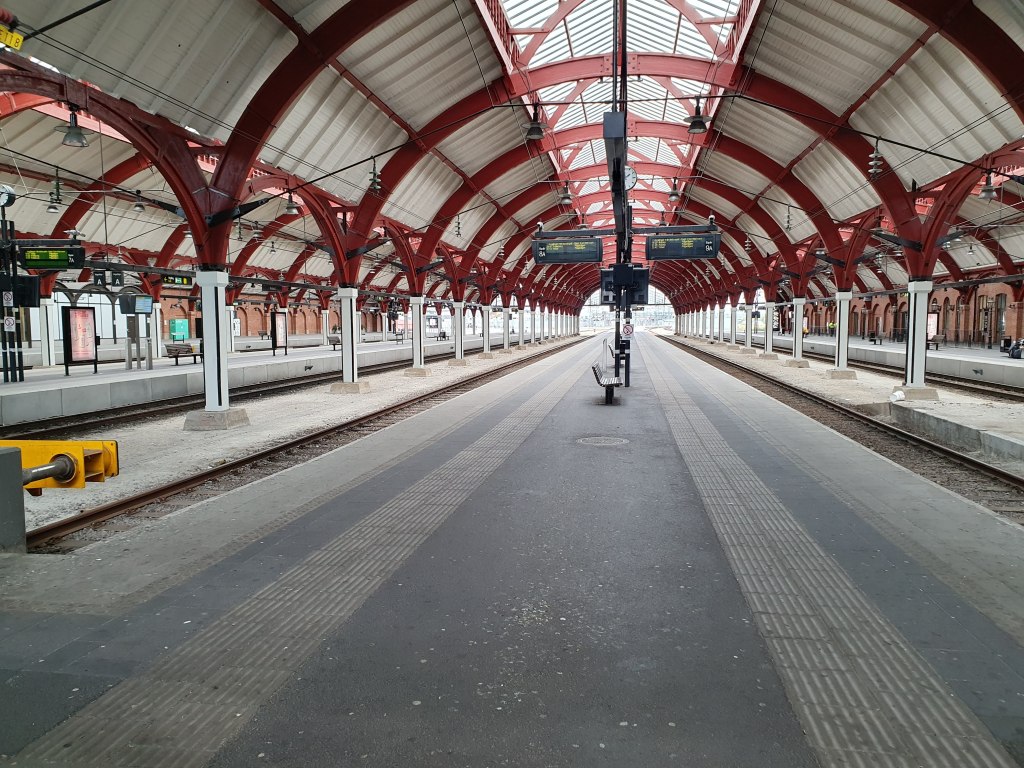
When I had finished at the the castle and its adjacent buildings, it was time to make my way back to Malmö Central station. Because of engineering work between Malmö and Lund, there were no mainline trains from Malmö to the rest of Sweden and the above ground platforms were empty. The concourse of the station had many railway employees in high-vis jackets directing confused customers to the railway replacement buses waiting outside the station. This did not affect me. Although SJ, the Swedish national railway company, has got rid off all its ticket offices and ticket machines, this also did not affect me, as I was catching a local Öresundståg train, and there were a bank of Öresundståg ticket machines from which I could buy a ticket.
I was catching a train across the Öresund bridge to Copenhagen airport in Denmark. There are frequent trains across the bridge from the subterranean platforms at Malmö Central. The train I caught departed at 1413 and 20 minutes later after going across the bridge (the bridge of the original Scandi-noir TV series of that name) arrived at Copenhagen airport. I recalled from a previous visit to Copenhagen that the airport is enormous and that the non-Schengen budget airline flights go from the most far-flung corner. I also recalled that once you go through the departure gate you are penned in a cramped holding area until the plane is ready to board. So I deliberately waited until the last call for boarding notices were being displayed on the monitors before going through the departure gate.
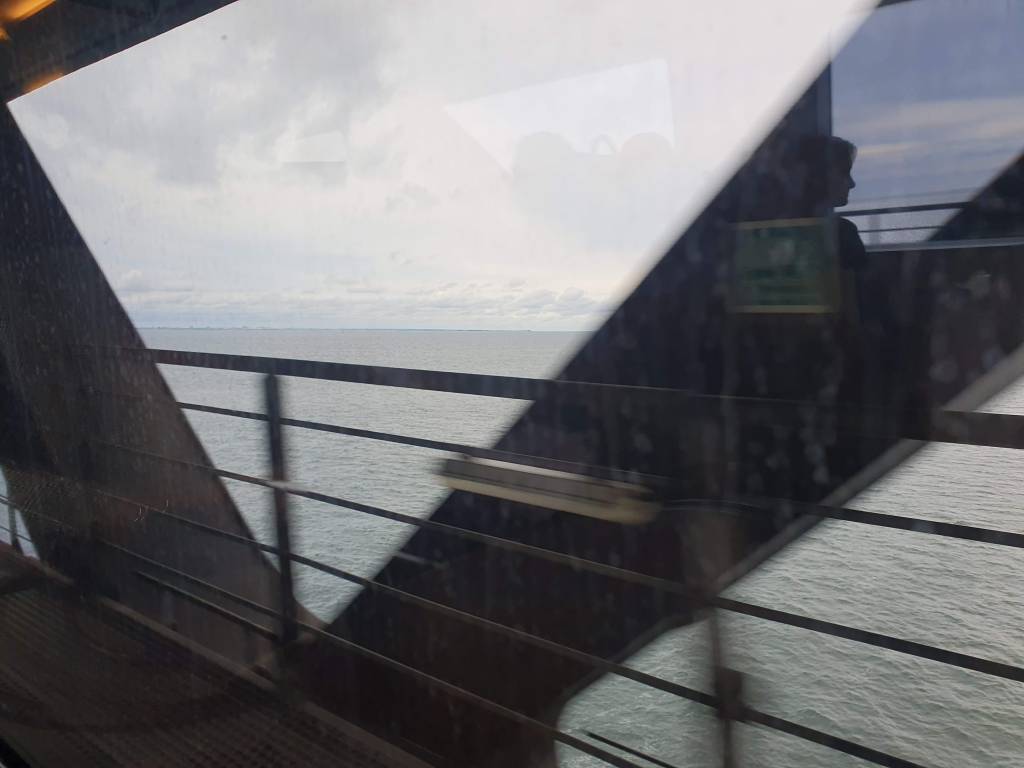
The plane was a Boeing 737 MAX, which feels much more spacious than the normal Boeing 737 or the Airbus A320, the regular workhorses of budget airlines. The plane departed on time at 1640 and arrived at Stansted 10 minutes early at 1725. We came into a gate which didn’t require the shuttle train to be caught and there were no queues at passport control, so I caught a train leaving the airport at 1745 and was home by 7pm.
I really enjoyed this trip to Finland and Sweden, possibly even more than some of my other expeditions. The countries were very different. Finland still seemed very aware that it was a relatively new country, and conscious of its previous rule by Russia and, before that, by Sweden. In contrast, Sweden seemed almost smug that it had not been invaded, nor involved in any wars for several centuries. Finland seemed very law abiding – everyone dutifully waited until a green man was showing before crossing, even if there was no traffic coming, while in Sweden there was no such restraint and even if you had a green man you still had to watch out for bikes weaving through the pedestrians. On this brief trip I barely scratched the surface of what there is to see, even within the cities that I did go to, so there is plenty of scope for planning another itinerary to visit these two countries again.
 Europe Explored