
“I have to live in Finland. I could never fully leave this country; it would end me and mean the death of my art.” (Jean Sibelius)
I generally avoid travelling in the summer as it often more expensive and I don’t get on with exploring in very hot weather. For my latest trip, I decided to visit two countries that I had not been to before: Finland and Sweden. Given their northerly latitudes, it seemed sensible not to leave it too late in the year, when their long nights and cold weather would be rather inhospitable.
Day 1 – Wednesday 13th September 2023 – London to Helsinki
I made the now familiar journey to Stansted Airport for the 1045 flight to Helsinki. Allowing the usual unused contingency, I arrived at the airport with plenty of time to spare. Stansted seemed to be the busiest that I had seen it in post-Covid times. The main waiting area before you are called to the gates was full with very few spare seats – so I found a less used part of the airport in which to wait. The plane was on time and departed promptly. It was scheduled to take just under three hours to reach Helsinki, but actually made the journey 15 minutes faster than advertised. There was broken cloud all the way to Sweden, but for the last hour or so of the flight the cloud cover was solid with no views at all.
The ground only became visible once the plane had descended through the thick cloud and it was pouring with rain when we landed in Helsinki at 1520 (Finnish time, which is two hours ahead of London). For the first time ever on a budget flight, rather than providing steps to disembark from the aircraft, an air-bridge was connected to the plane to enable the passengers to walk straight into the terminal without getting soaked. Passage through passport control was quick and within 15 minutes of getting off the plane I was at Helsinki Airport railway station. I needed to buy a ticket from a machine on the platform, so I had to let one train depart while I did that. I decided that it would be most cost effective to buy a 24 hour ticket, which would cover me for all forms of public transport in the Greater Helsinki area. Once I had bought the ticket, there were two trains shown about to depart to Helsinki from adjacent platforms at 1545, each taking a different route. As both were about to go, I didn’t have time to research which would be better, so just jumped on one of them. The train was crowded and where I had got on was the part of the carriage with space for bikes and pushchairs. Once it emerged from the underground section beneath the airport, I could see that it was still raining very hard, and rather damp looking people got on at the intermediate stations. The train stopped at a few places before reaching Helsinki Central at 1615, unfortunately terminating at a far flung platform without the benefit of a canopy to protect you from the rain.
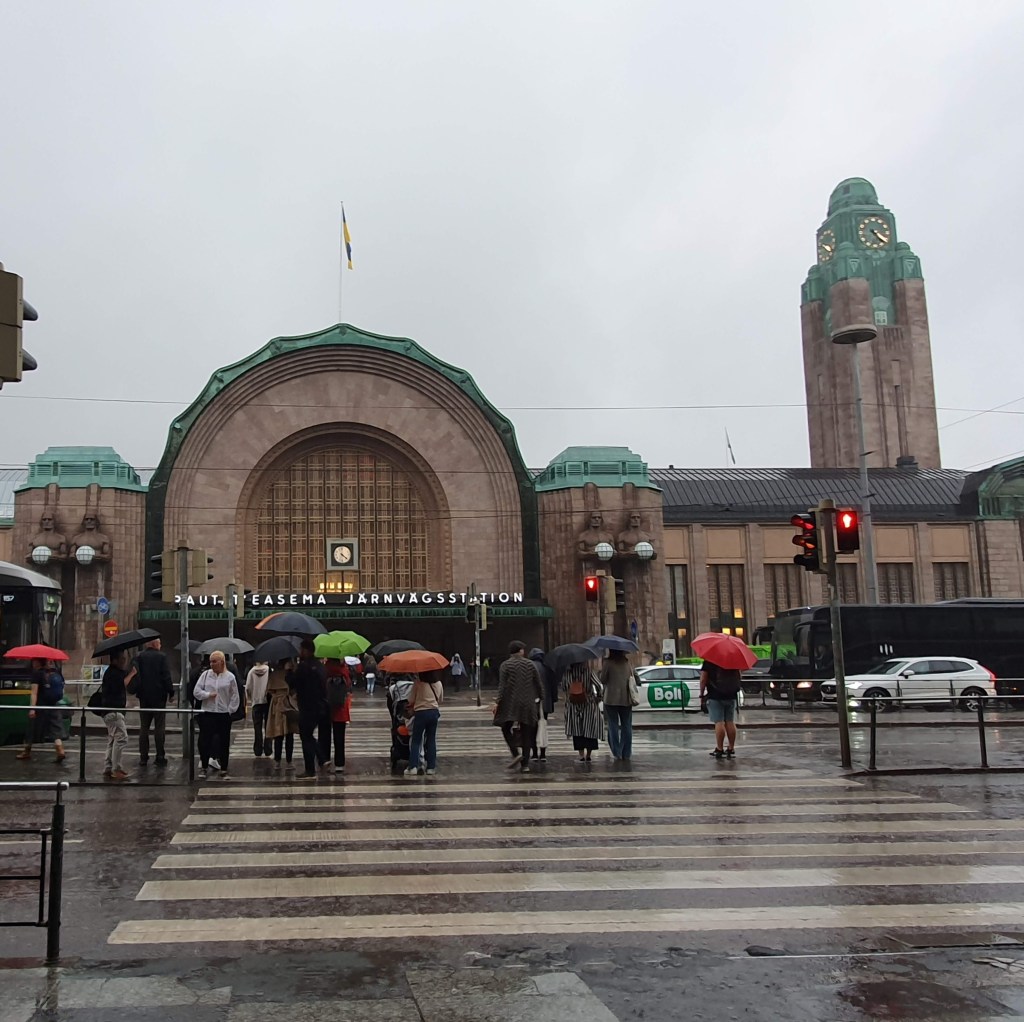
The hotel I had booked for my stay in Helsinki was not far from the station, but even with an umbrella I realised that I would get very wet if I took the obvious direct route. So instead I went through the shopping centre opposite the station and then through a large department store to get me as close as possible to my hotel without going outside. I just had to cross a busy road and then walk about 50 yards to get to my hotel – that proved a bit of a challenge as there were wide torrents of water flowing down the gutters of the road. I was a little damp when I reached the hotel and I spent some time on arrival drying out, while waiting for the rain to ease.
Once the rain had diminished to just a light drizzle I thought it safe to venture out to find dinner. I went to a restaurant serving traditional Finnish cuisine, where I dined on reindeer soup, followed by Karelian stew, which contained a variety of different meats.
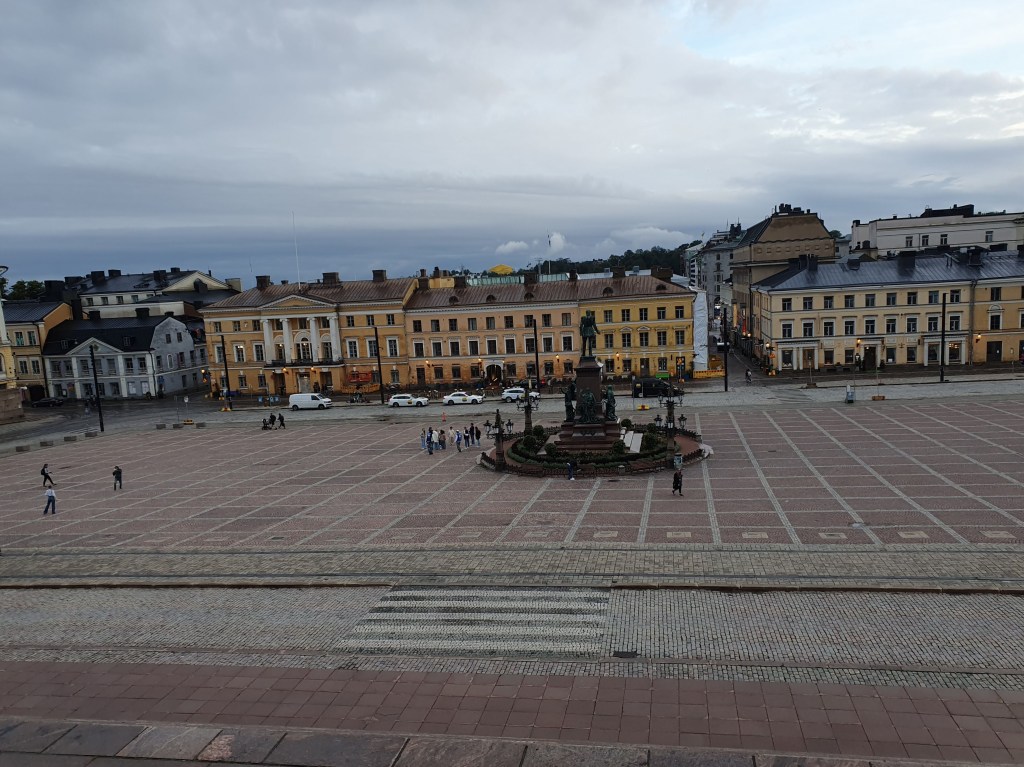
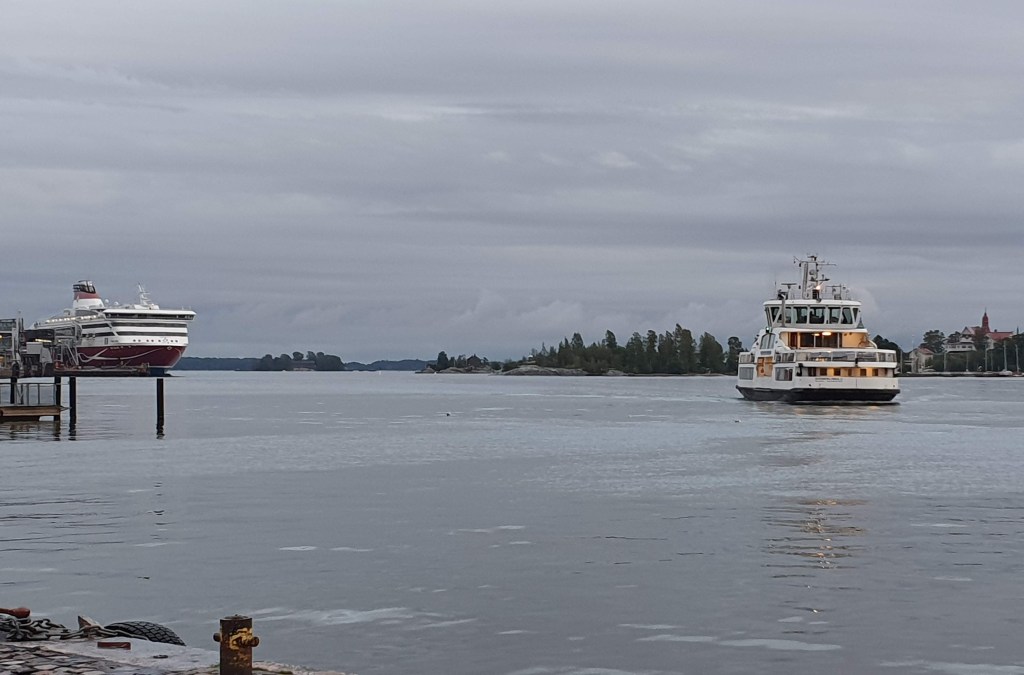
After dinner, the rain had stopped, so I took the opportunity to go for a walk to get my bearings in central Helsinki. I went to Senate Square, which is surrounded on three sides by the Government Palace, Helsinki Cathedral and the main building of the University of Helsinki, and has a statue of the Russian Tsar Alexander II in the centre. From there I went to the harbour and watched as various ferries came in and out of the port. Once darkness fell I walked back to my hotel for an early night.
Day 2 – Thursday 14th September 2023 – Helsinki
I have commented in previous posts that I am a not a big eater of breakfasts and generally find that paying extra for a hotel breakfast is generally not good value for money for me. When I came to book this trip, I found that nearly all hotels in Finland and Sweden included breakfast in the price. The one exception was the hotel that I was staying at in Helsinki, so I did not take breakfast while staying there.
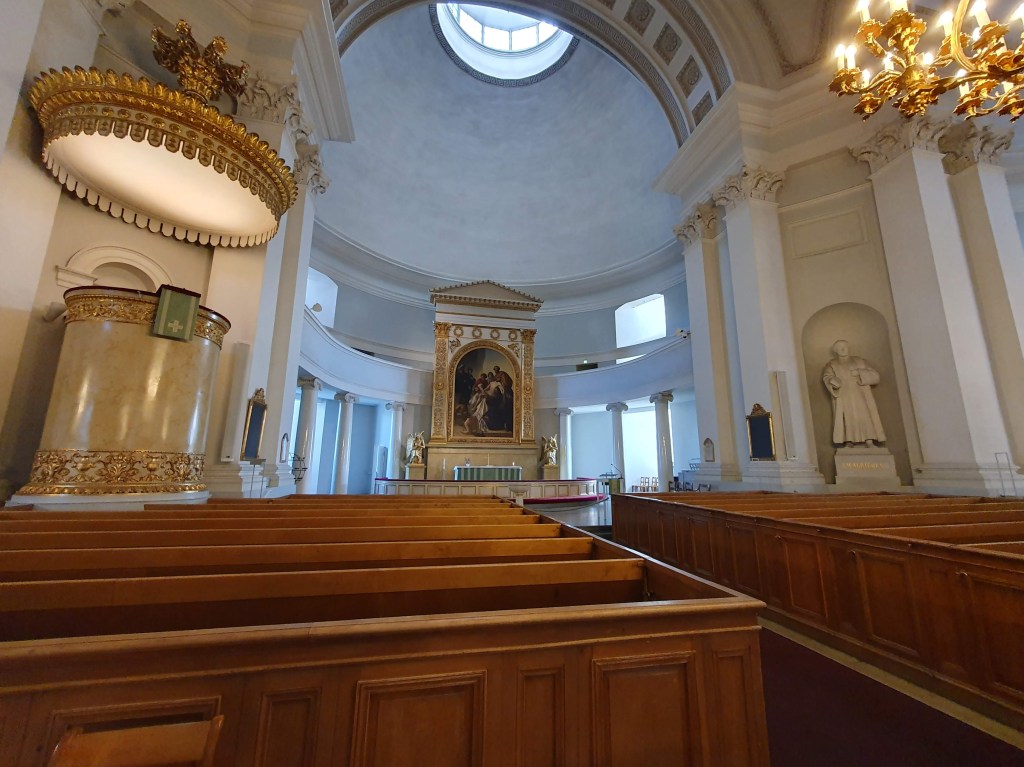
All the museums in Helsinki don’t open until 11am, so I initially returned to Senate Square to visit Helsinki Cathedral, which opened at 9am. There are two cathedrals in Helsinki, one Lutheran and one Orthodox. They were both built in the early 19th century on the orders of Tsar Alexander I, after Helsinki became the capital of Finland when the country became part of the Russian Empire. Being a Lutheran church, the interior of the cathedral is fairly austere with minimal decoration.
Once I had finished looking round the cathedral I caught a train from the nearby metro station for a couple of stops to the main Helsinki bus station. This is located underground with access to buses via sliding glass doors at each bay which only open when the bus is ready to receive passengers. From the bus station I caught the 24 bus, which runs every 30 minutes, to its terminus near Seurasaari Island in Helsinki Bay.
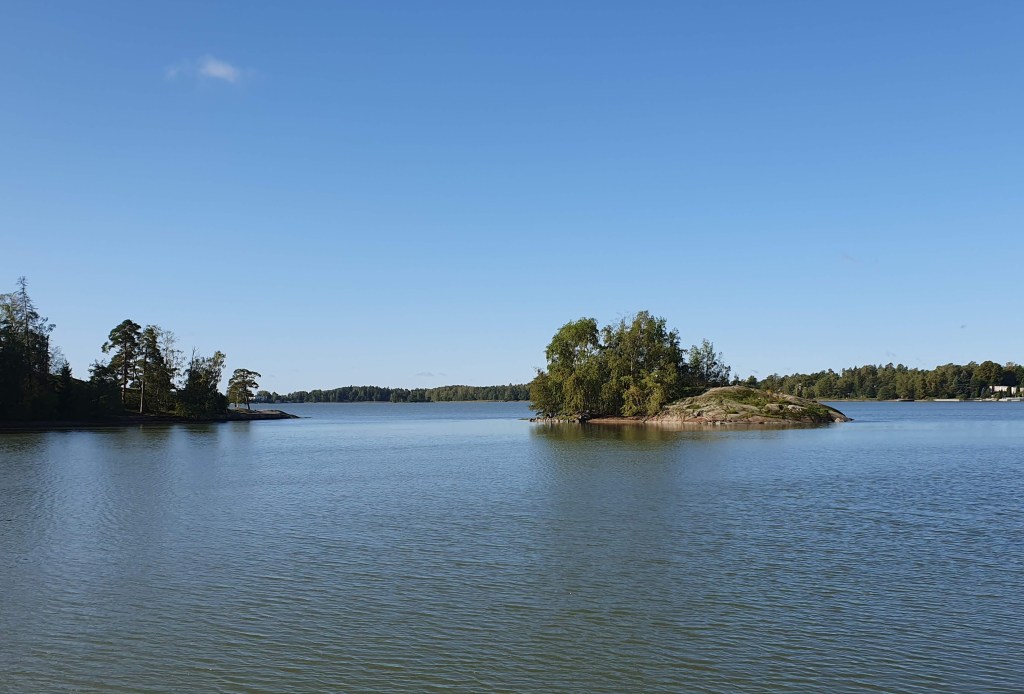
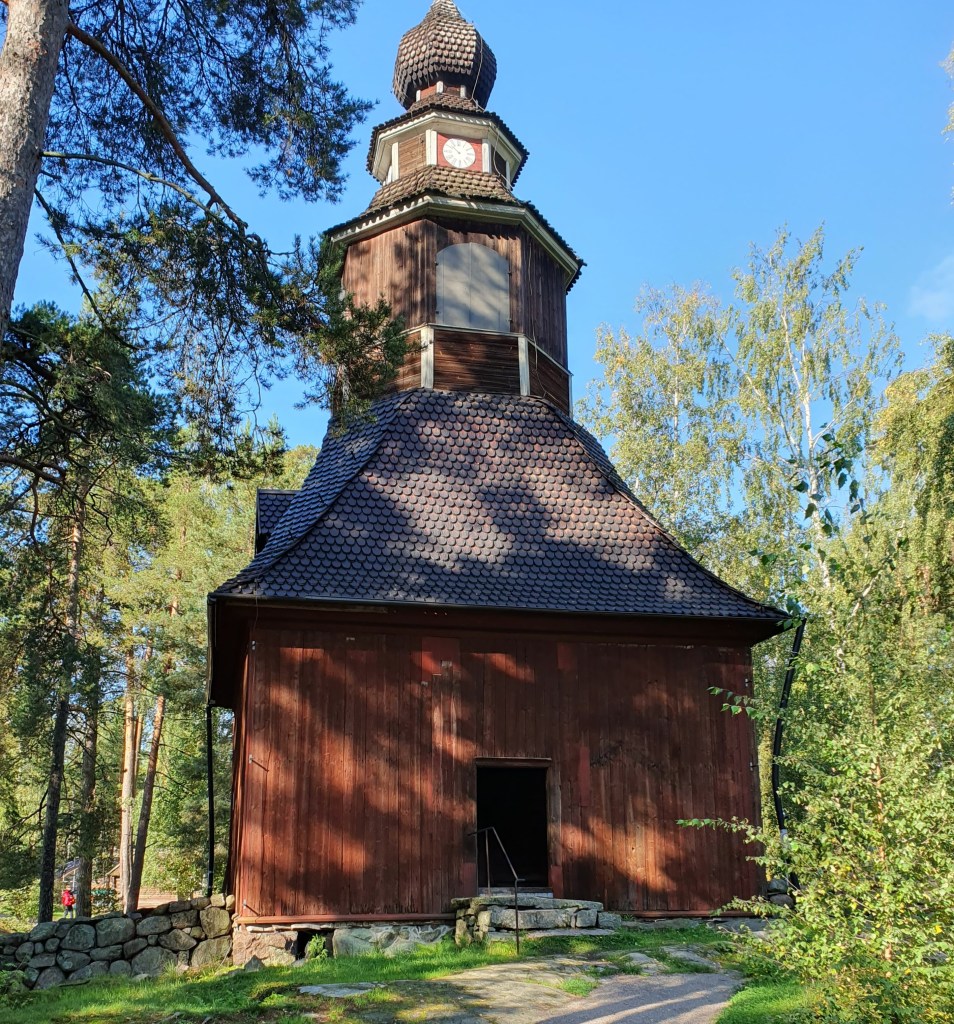
Access to the island is via a long pedestrian bridge. On the island is an open-air museum, for which you can buy a ticket to go inside many of the old buildings originating from different parts of Finland and from different eras. This was the penultimate day that the museum would be open before its closure for the winter. Unlike the similar open-air museum that I had previously visited in Oslo, there is no restriction on you walking on to the island to look at the exteriors of the buildings, but without a ticket you can’t enter the different compounds in which each building is located. The buildings that you can visit include a church, a variety of farms and other agricultural buildings, an 18th century manor house and various simple cottages.
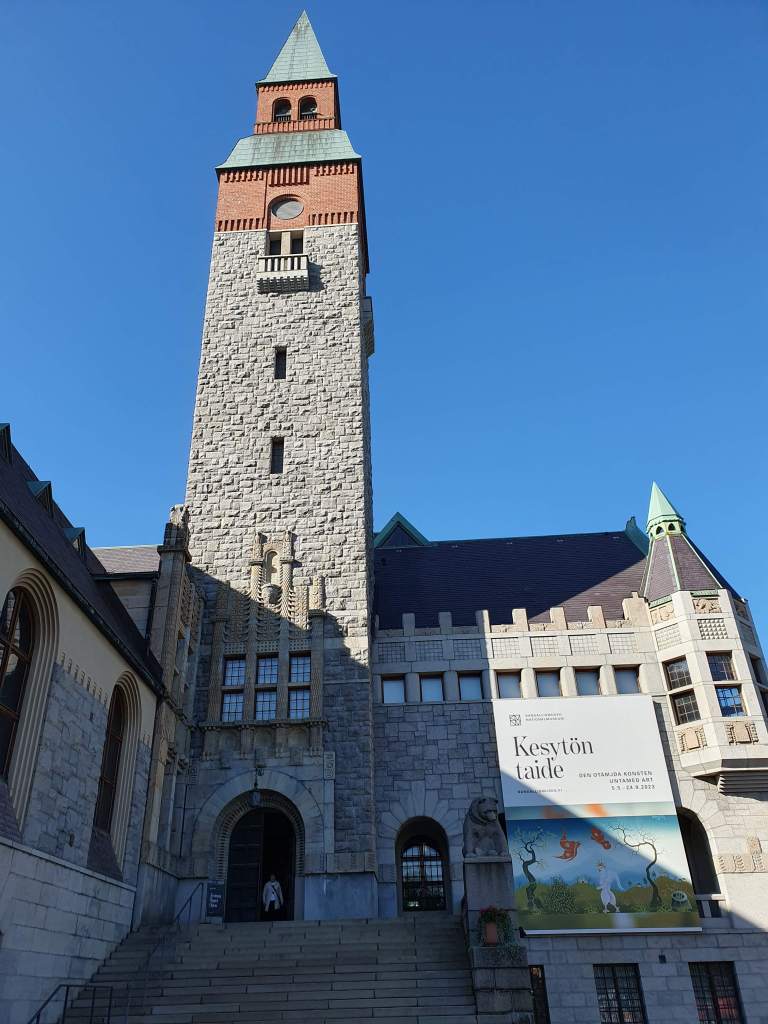
After a couple of hours on Seurasaari Island, I returned to the mainland and caught a bus back to central Helsinki. My next stop was the National Museum of Finland. This museum was due to close for a major refurbishment a few weeks after my visit. The entrance to the museum’s impressive building is guarded by a stone carving of a bear – the national animal of the country. The entrance hall and doorway, still show bullet holes incurred during the Finnish Civil War of 1918. I obtained an audio-guide for my visit to the museum which portrayed Finnish history and culture from prehistoric times to the present day.
On leaving the Finnish National Museum, I caught a tram back to Senate Square where the Helsinki City Museum is located. This is free to enter and, although located in a large building to the south of the square, not all of the building is used as exhibition space. As Helsinki is a relatively new city, only being built up from the the time of the annexation by Russia, most of the exhibition relates to the 19th and 20th centuries.
After returning to my hotel, I set out again to find dinner. This time I chose a Caucasian restaurant specialising in Georgian, Armenian and Azerbaijani cuisine. There I had an interesting starter of peppers and carrots stuffed with walnut paste, followed by lamb stew. After dinner, I was pleased to discover that a post office a short distance from the restaurant was still open, which allowed me to buy a stamp for the postcard that I wished to send.
Day 3 – Friday 15th September 2023 – Helsinki to Hämeenlinna
On leaving the hotel that morning, I made my way back to Helsinki Central station, fortunately not having to take a route to avoid the rain, as I did when I arrived. As I was originally unsure exactly when that day I wished to travel to Hämeenlinna, I had not booked a ticket on an inter-city train, but chose to have more flexibility by using a slow (and cheaper) stopping service, the tickets for which do not tie you to travelling on a particular train. As Swedish is also an official language of Finland, train departure displays switch between the two languages never showing both at the same time, which can be a little confusing as many Swedish names bear no resemblance to their Finnish counterparts. For example, Hämeenlinna is Tavastehus in Swedish.
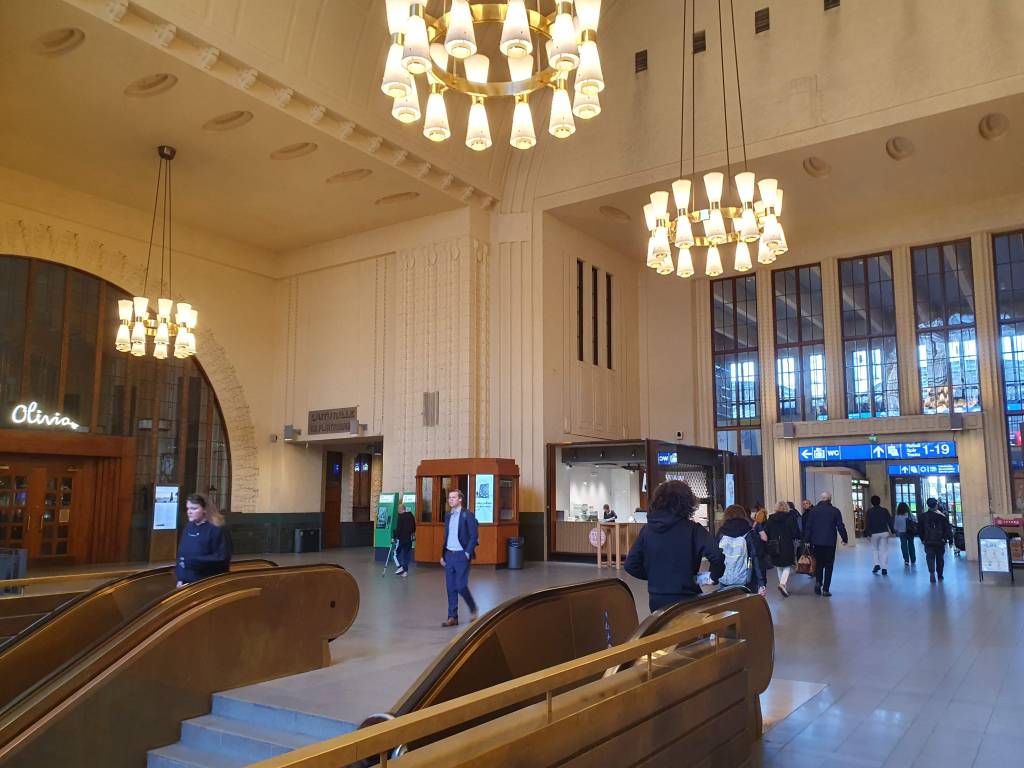
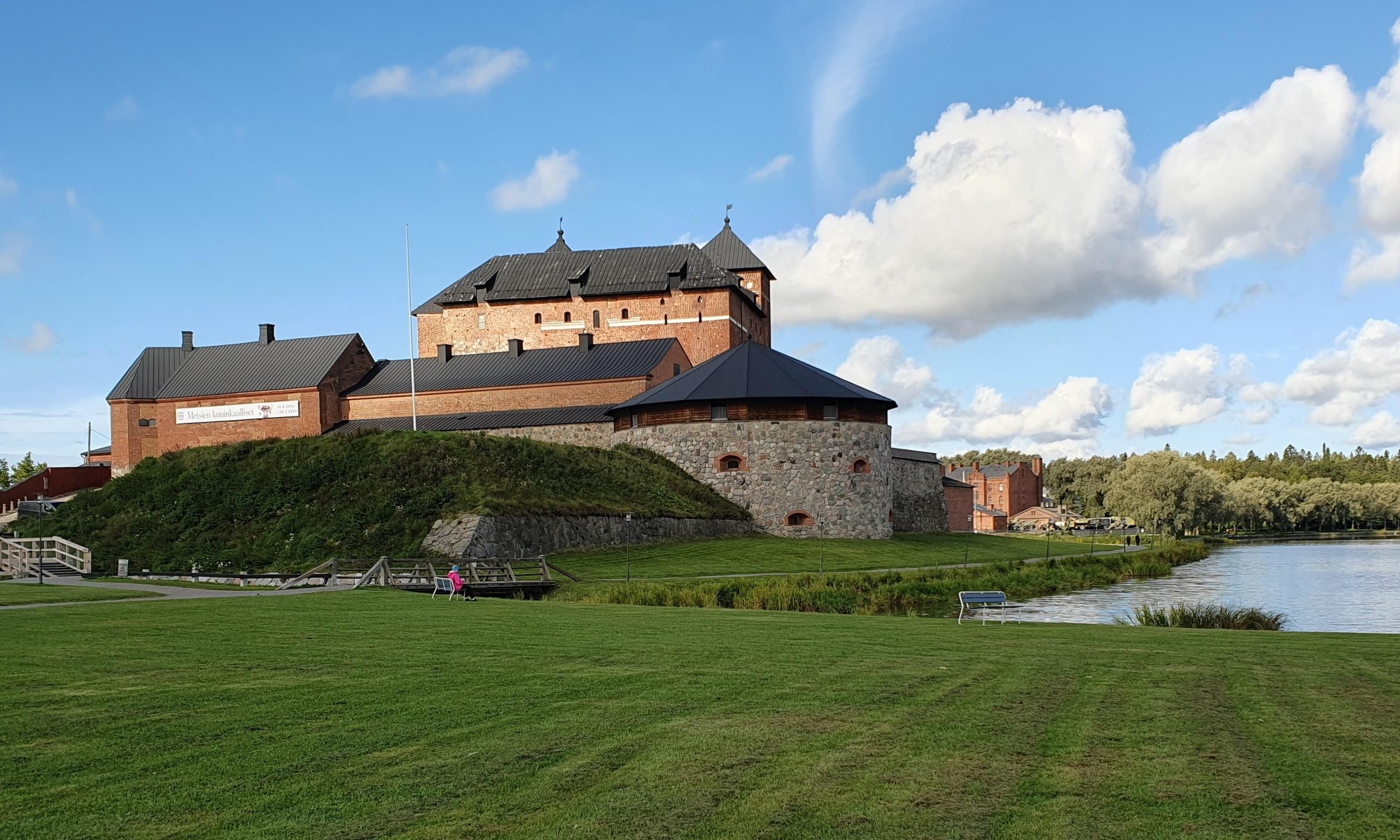
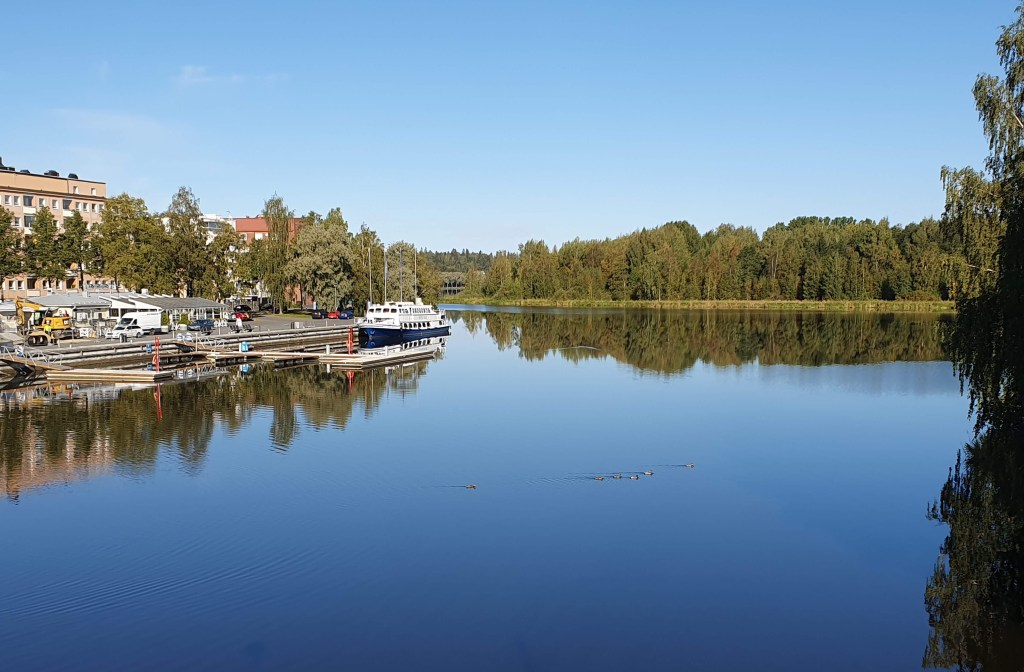
I caught the 0910 departure, which left 5 minutes late, and was initially fairly full, but thinned out at the stops to the north of Helsinki. The train soon caught up time and arrived in Hämeenlinna on time at 1034. On arrival, I walked to the bridge which crosses Lake Vanajavesi and then walked along the southern shore of the lake to reach Häme Castle.
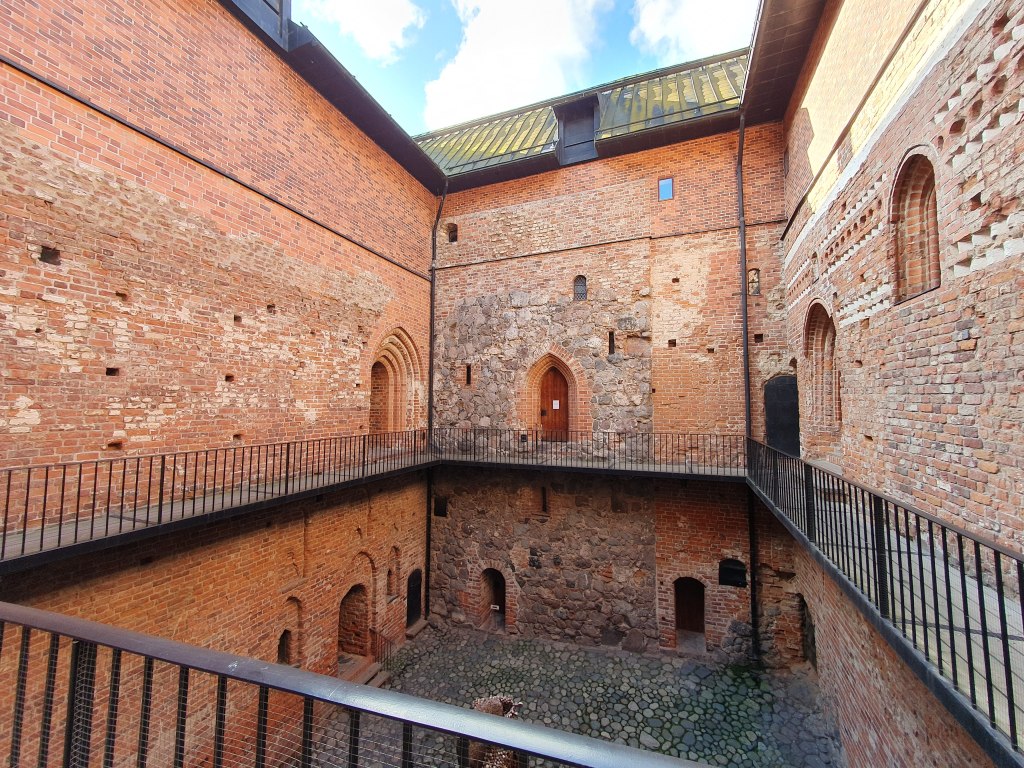
The castle was originally constructed in the 13th century, with much of its current appearance dating from the 16th century. Once it ceased to be a defensive castle, it was used as a garrison and then later as a prison. In the 20th century it was used as a women’s prison. A number of female political dissidents were incarcerated there in the period between the two World Wars, after the Finnish Civil War when the Whites defeated the Reds. Unfortunately, the block which was used as a prison most recently is only open to visit in the summer, which for Häme Castle finishes at the end of August.
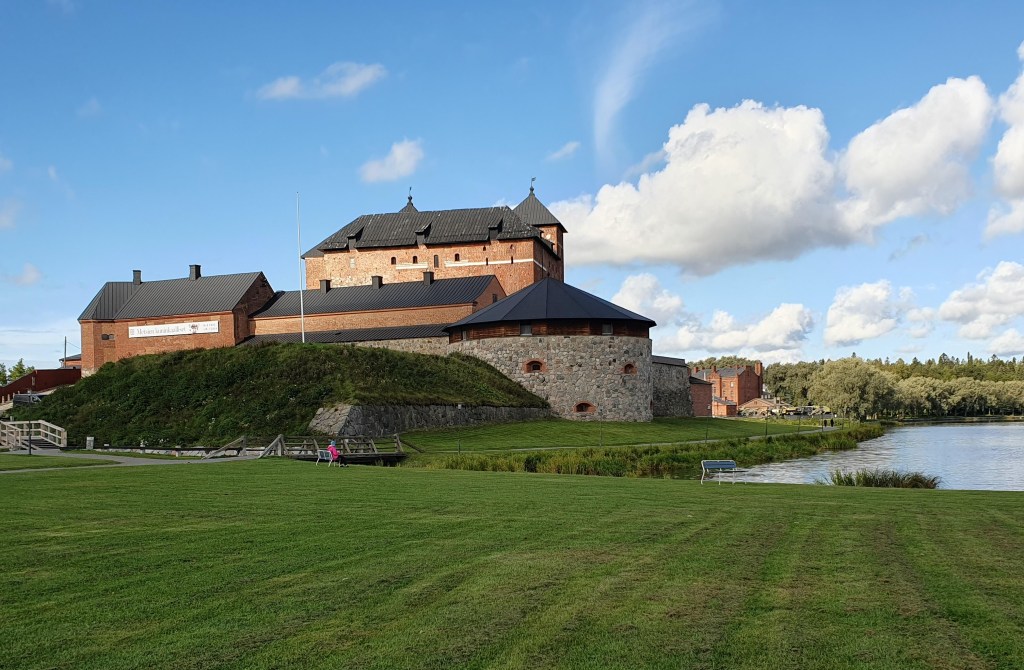
Next to the castle, is a former barracks, which is now the home to a military museum. I decided not to pay that a visit, as I thought there were enough other attractions in Hämeenlinna to keep me busy for the rest of the day, but in retrospect I regretted not going there.
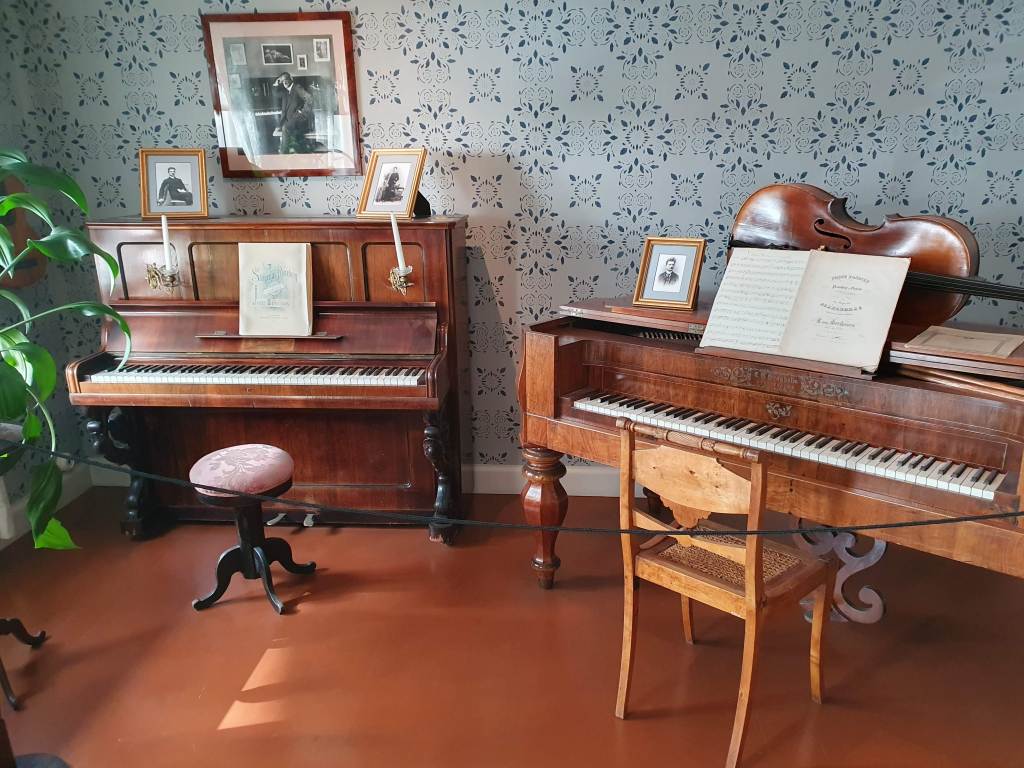
Once I had finished exploring the castle, I walked towards the centre of Hämeenlinna. I was struck by how Russian the architecture felt away from the city centre, with single storey rectangular buildings laid out on a rectilinear grid. On reaching the centre of the city I went to visit the birthplace of the Finnish composer Jean Sibelius, whose father had been a doctor in the town at the time of his birth. Sibelius’s birthplace was another single storey wooden building, similar to those that I had walked past on my way there, but now looking slightly out of place in the middle of the city. On arrival, the Karelia Suite was being played inside, but I was offered the choice of choosing another Sibelius work if I wished to hear something different. Sibelius’s birthplace home is not large, consisting of just four rooms, so even looking at everything thoroughly did not take very long.
Next stop was Hämeenlinna City Museum, also known as the Skogster Museum as it is located in the former premises of the Skogster department store (the first one to open in Hämeenlinna). The museum currently shares the premises with a Chinese restaurant. The museum is located on two floors, but is not very large. Unlike most other museums I visited, there were no lockers to leave bags, so the woman at the reception desk offered to look after my bag for me – but every time I went past the reception desk on my tour of the museum she reminded me not to forget it when I left. As well as a general introduction to the history of the city and the interior of the former savings bank, the museum had a couple of special exhibitions. On the ground floor there was a special exhibition on early years childcare, with most of the upper floor devoted to a special exhibition on the swinging sixties in Hämeenlinna.
As Sibelius’s birthplace and the Skogster Museum had taken less time than I anticipated, I decided to visit the city’s art gallery located just the other side of the bridge leading to the station on the north bank of Lake Vanajavesi. This is located in two separate buildings. The one I visited first contained mostly modern art that had been collected by the Finnish record producer Vexi Salmi during his lifetime – this did not detain me long. The second building was occupied by a special exhibition of the 19th century landscape artist Berndt Lindholm, whose paintings I found more interesting.
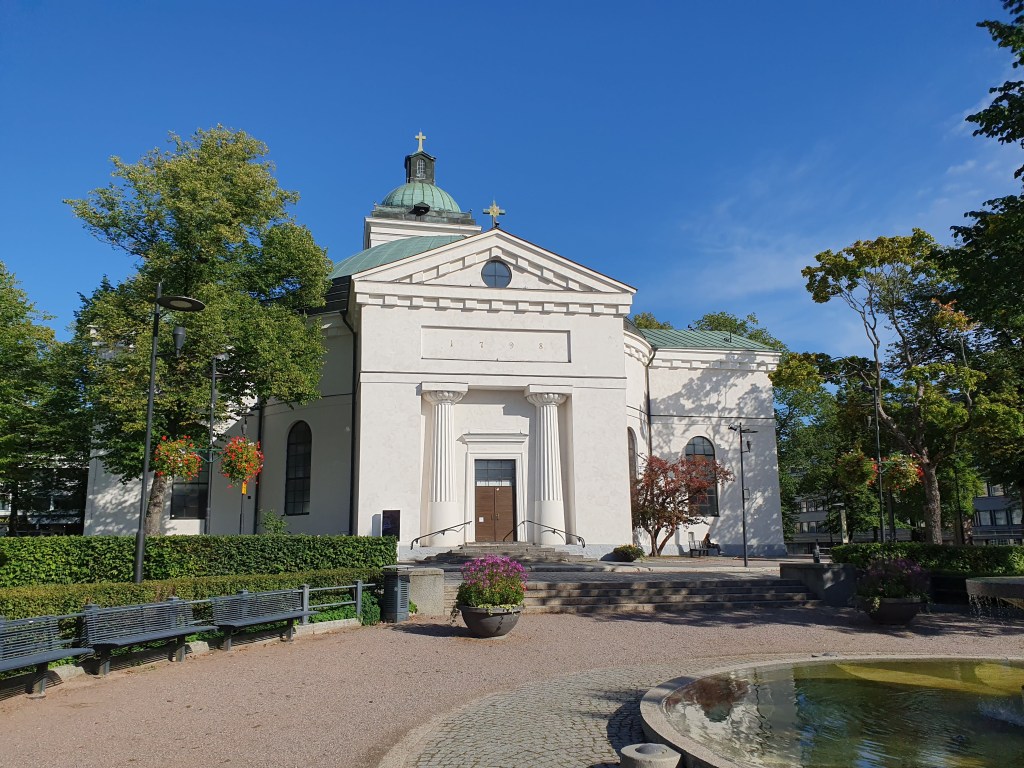
I then wandered slowly back through the centre of town past the main church and through the market square, stopping off to buy a liquorice ice cream, before going to find the hotel I had booked for the night. When travelling I tend to go out to eat fairly early, on the basis that it gives me more chance of getting a table in busy restaurants. In Finland this tactic was not so effective as the Finns are early eaters of dinner, with restaurants often at their busiest as early as 6pm. I identified a restaurant in Hämeenlinna with good reviews, which I thought could be busy on Friday evening, so I arrived about 6:20pm, only to discover it was full with families. I was invited to wait while a table was vacated, but the turnover was brisk and the wait was not long. I ordered a starter as well as a main course, not realising that included within the price was a help yourself salad bar, which was generously stocked with interesting foodstuffs.
I was a little wary about the hotel I was staying in in Hämeenlinna, as some of the reviews complained about noise from the nightclub within the hotel on Friday and Saturday nights. In the event, when I did wake at about 1am and listened very hard, I could just about hear the dull thud from a bass rhythm, but it was not loud enough to keep me awake.
Day 4 – Saturday 16th September 2023 – Hämeenlinna to Tampere
I had my first hotel breakfast of the trip that morning. As I was catching an early train, I went down to breakfast shortly after they started serving, to find that the dining area was nearly full. Being only a small privately-owned hotel the breakfast offering was fairly limited, but adequate enough.
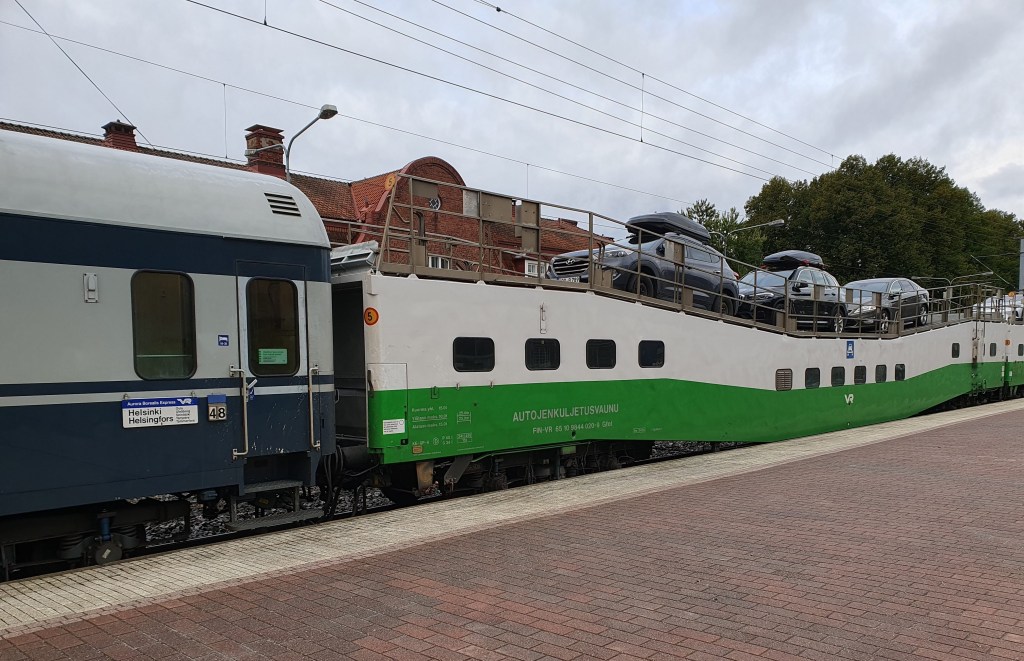
After breakfast I walked to Hämeenlinna station. It was another wet morning, although, fortunately, the rain was not torrential as it had been when I arrived in Helsinki. I was catching the 0838 train to Tampere. While waiting for it to arrive, the Aurora Borealis Express pulled in to the adjacent platform where it had a scheduled 20 minute wait. This train, that had come overnight from the far north of the country, conveyed sleeping cars and car transporter wagons. Various passengers from the train took the opportunity to stretch their legs or walk their dogs while it halted at Hämeenlinna. My train arrived promptly and got to Tampere at 0925.
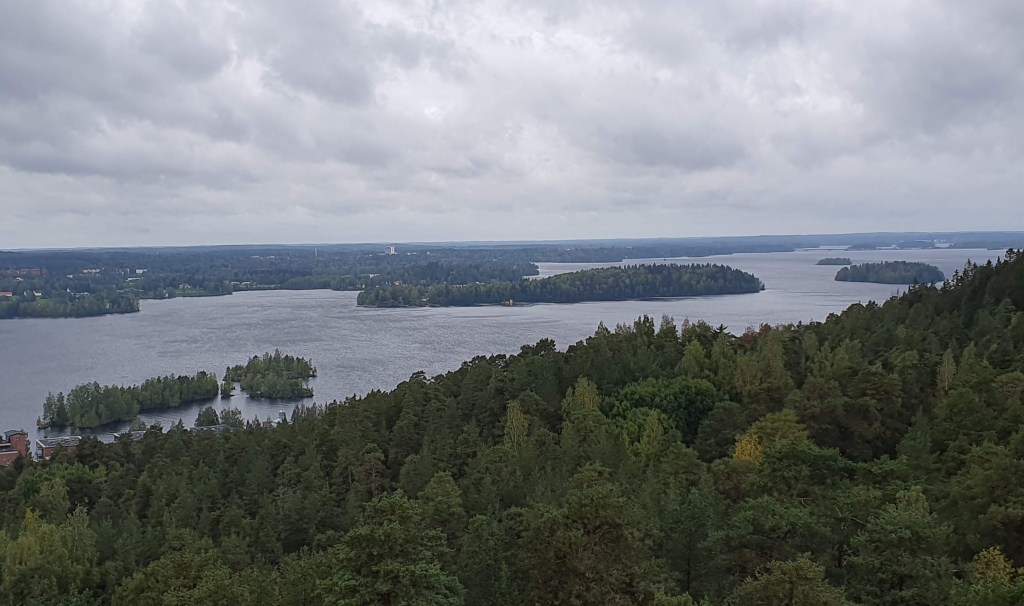
In Tampere the rain had reduced to just a light drizzle, so I thought it safe to walk to my first destination. As none of the museums in Tampere opened until 10am, I first went to Pyynikki Observation Tower on a hill at the edge of the city. There was supposed to be a €2 charge to go up it, but while I was there there was nobody to collect the fee. From the top you could could see Tampere city centre in one direction, but lakes and forests in all other directions. Finland is a land of lakes and Tampere is located on rapids which connect Lake Näsijärvi and Lake Pyhäjärvi.
After descending from the tower I walked to the Museum Centre Vaprriikkii, located in an old factory building. This contains several museums under one roof, including postal, natural history, mineral and video games museums, an exhibition on fairy tales and the Finnish ice hockey hall of fame. Unfortunately, a special exhibition on Tampere during the Finnish Civil War of 1918 had closed the week before my visit. I found the most interesting space was a special exhibition devoted to Finlayson & Co, a textile firm which had been founded in Tampere 200 years ago. The Finlayson factory was founded by a Scot, James Finlayson, in 1820 under a licence granted by the Russian Tsar to produce textiles for the St Petersburg market. Finlayson brought in technology from Manchester, initially powered by the fast flowing rapids. Not long after its founding, Finlayson sold out to a couple of German businessmen, but the name remained. The company was a major employer in Tampere, not only having several textile mills, but housing for the workers and even its own church. To this day there is a district of Tampere called Finlayson. The company is still going, now under Finnish ownership, but is little more than a brand with just a few retail outlets – all its manufacturing is now subcontracted to the Far East. Because of its rapid 19th century industrialisation based on textiles, Tampere is known as the Manchester of Finland, and the architecture of the Finlayson district is reminiscent of Manchester from the 1970s, when I lived there.
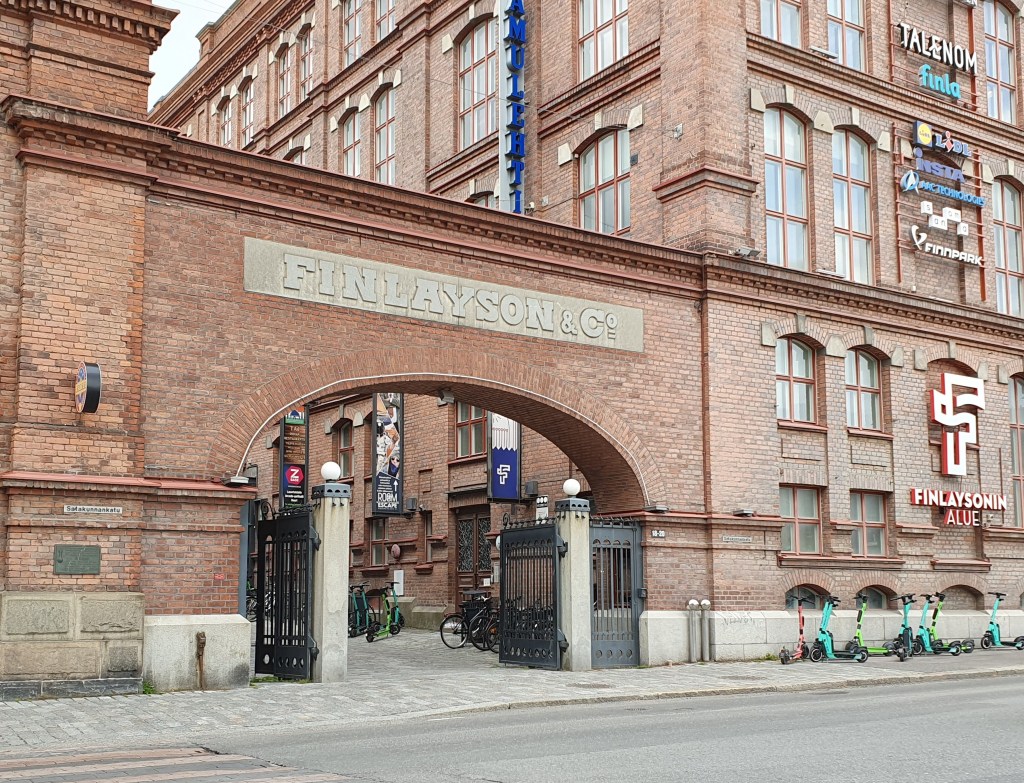
Next stop was the Finnish Labour Museum Werstas, which is really three museums in one. The Labour Museum has exhibitions on the Labour Movement in Finland, the social changes brought about in the 1990s, and strikes in Europe. Within the same complex is a museum of Tampere’s industry throughout the 19th and 20th centuries, and an adjoining building houses a giant steam engine which used to power the Finlayson mill after it stopped relying just on water power.
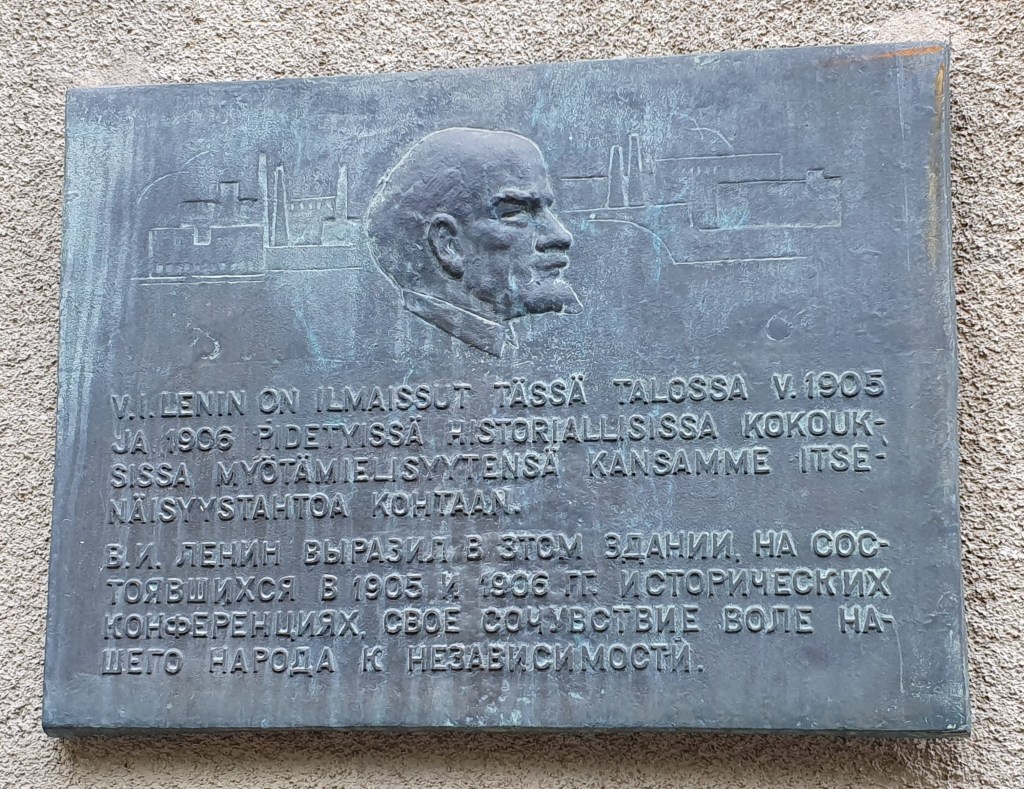
Lenin first met Stalin in 1905 when they both attended the first conference of the Russian Social Democratic and Labour Party in Tampere. There is a small Lenin museum in the Tampere Workers Hall where the 1905 conference was held. The museum was a place of pilgrimage by Soviet dignitaries during the Cold War – it exhibits pictures of when Leonid Brezhnev and Yuri Gagarin, among others, came to visit. I thought it presented a balanced history of Lenin and role of the conference in the establishment of Bolshevism. The museum was no longer hagiographic about Lenin, as it once seemed to be – the museum also presented a history of itself as a museum.
On arriving at my hotel, I decided that I could not complete this trip without having a sauna. The hotel had its own separate sauna facilities for men and women. I wasn’t too sure of sauna etiquette, until two Finnish men arrived and I just copied what they did. You shower before entering and sit in the sauna totally naked. Water is frequently added to the coals, which produces an intense wave of heat and when the water bucket starts to run low you go to the showers to fill it up. One thing that I had not brought which seemed to be required was some beer which you drink after you come out, while sitting around naked cooling down. I found the experience of sitting in the sauna a little boring, but the very pleasant glow that it induced lasted all evening.
Waiting until I had cooled down sufficiently from the sauna meant that I was a little later setting off for dinner than normal, so I chose to go to a pizza restaurant, which had very good reviews, that was not very far from the hotel. However, when I arrived there was a queue stretching down the street. I decided to join it, as I concluded if people were prepared to wait in a queue that long it must be good. After about 45 minutes I reached the head of the queue and secured a table. The wait was worth it – I had a very reasonably priced meal, again with free use of a salad bar included, and the pizza I had was one of the best I have ever tasted. All the ingredients seemed really fresh – from where I was sitting I could see that the herbs being added to the dishes were being cut from potted plants. I even got a loyalty card, so that in the unlikely event that I go there another seven times in the next year, I can claim a free pizza.
Day 5 – Sunday 17th September 2023 – Tampere to Turku
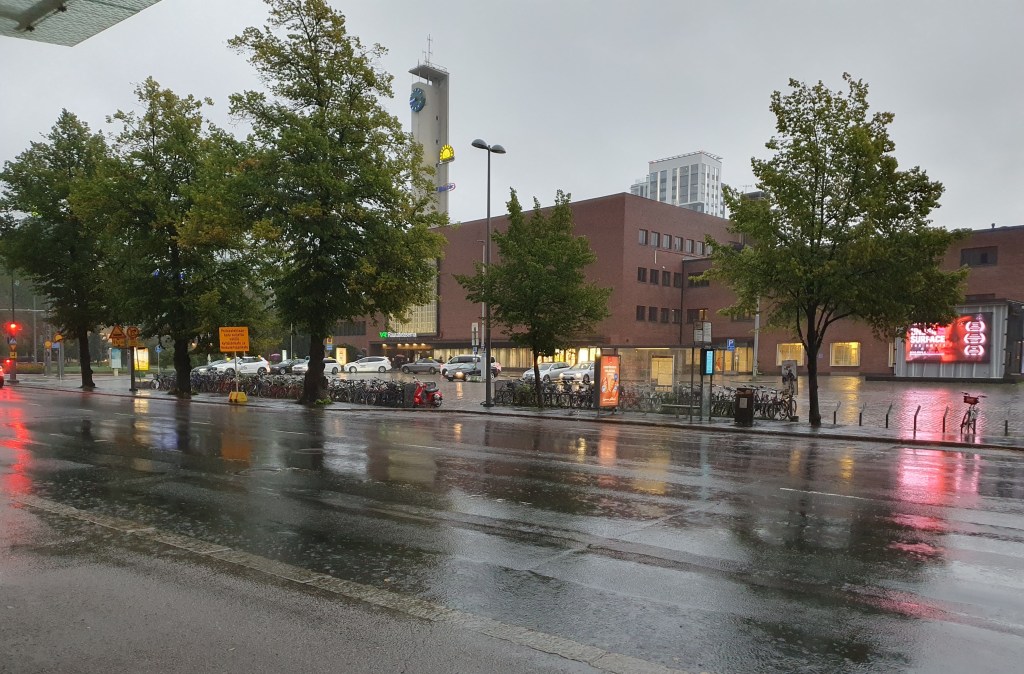
When I awoke I saw that Tampere was living up to its reputation as the Manchester of Finland, as it was pouring down outside. Fortunately my hotel was directly opposite Tampere station, so after breakfast, I dashed across the road with my umbrella up to catch my train to Turku at 0910. The train was waiting at the far end of a platform beyond the cover of the overhead canopy, so my umbrella was dripping by the time I got on. I was travelling upstairs in a double-decker train, having chosen my seat when I originally booked. However, the train was in reverse formation, so what was supposed to be a forward facing window, turned out to be rear facing.
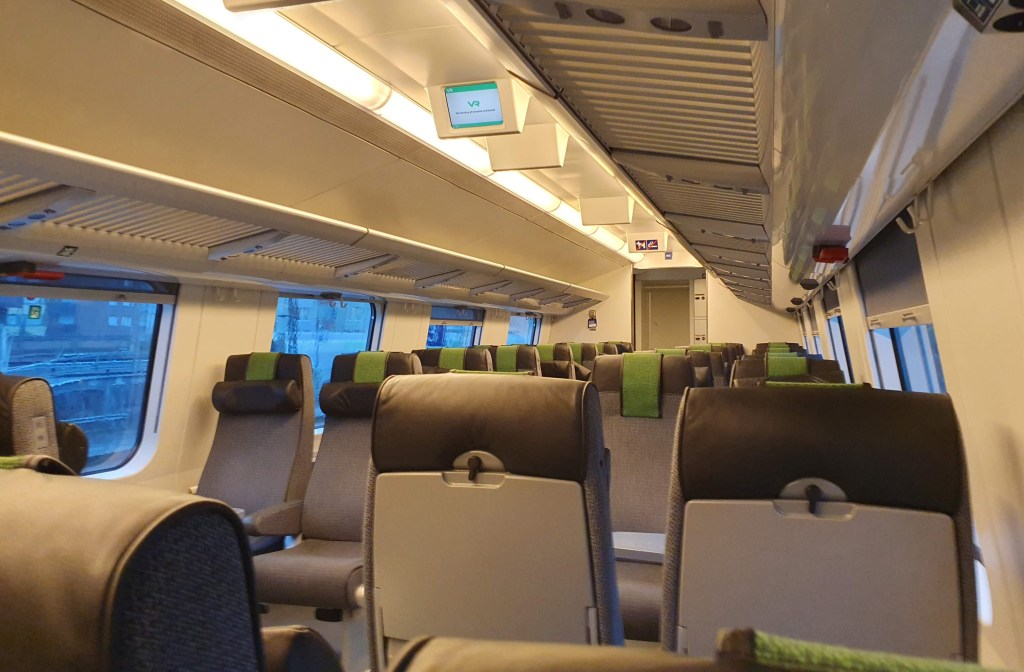
The train was not full. It departed on time, initially retracing the route that I had come the day before, through the Tampere suburbs . After a while it deviated on to a single track line which it followed for most of the way to Turku through dense forest, arriving five minutes late at 1055.
Turku (known as Åbo in Swedish) was the former capital during Swedish rule of the country, before the Russians made Helsinki the capital. Fortunately, it had just stopped raining by the time that I arrived in Turku and it was trying to brighten up. It was about a 35 minute walk from Turku railway station to my first stop of Turku Castle near the port area, but I concluded as there was no direct bus from the station, it would be just as quick to walk.
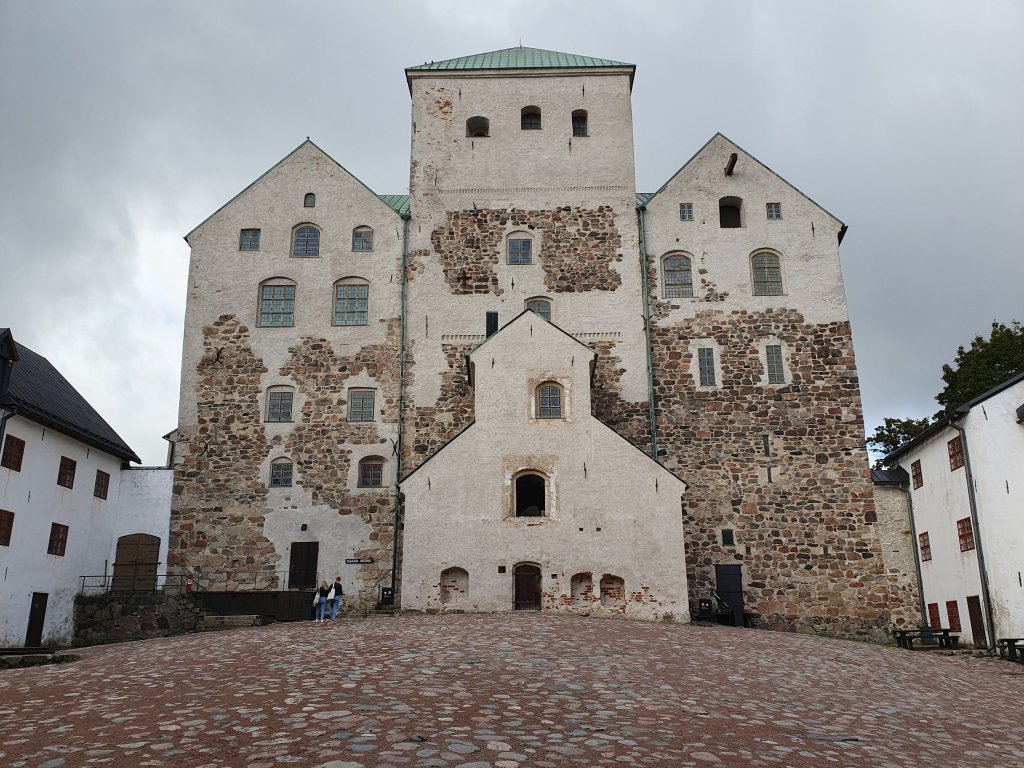
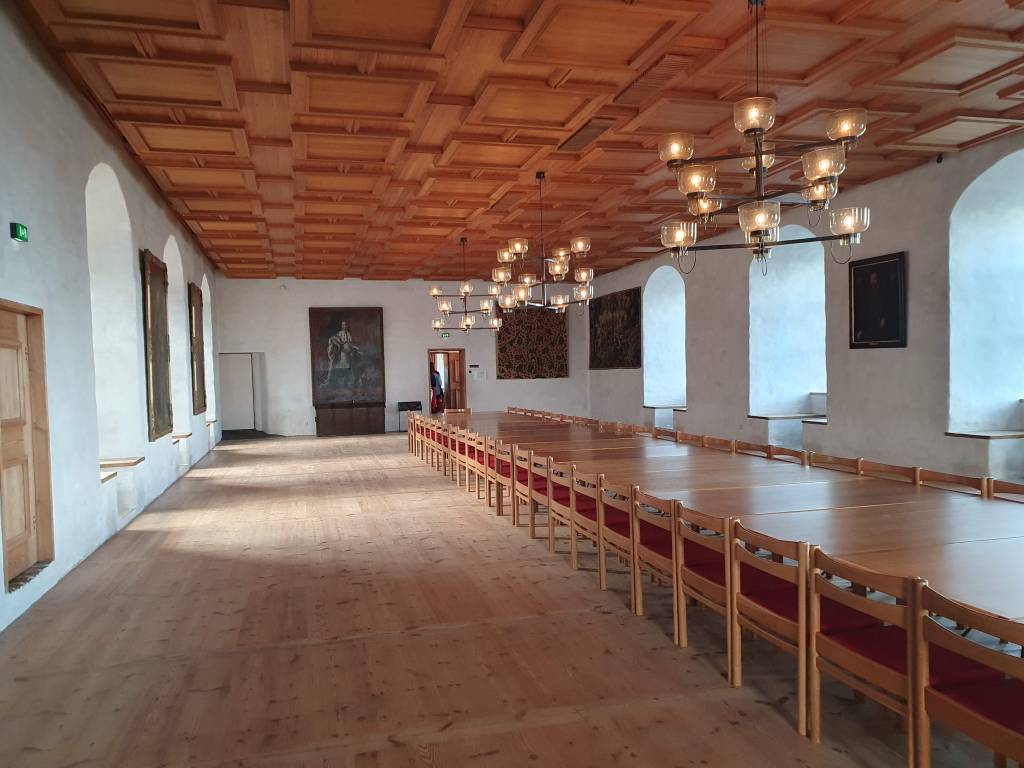
Turku Castle, Finland’s largest and most visited castle, was built in the 13th century. A pleasant surprise on arrival was that it was free to visit that day, due to it being Turku Day. Turku Day, held on the third Sunday of September each year, is a mixture of Open House combined with other special events taking place throughout the city. The castle was quite busy with lots of families touring, presumably because of the free entry. You are guided to to follow a suggested route round the castle visiting multiple floors both within the main castle buildings and those which surround the bailey. It took over two hours to explore the castle thoroughly.
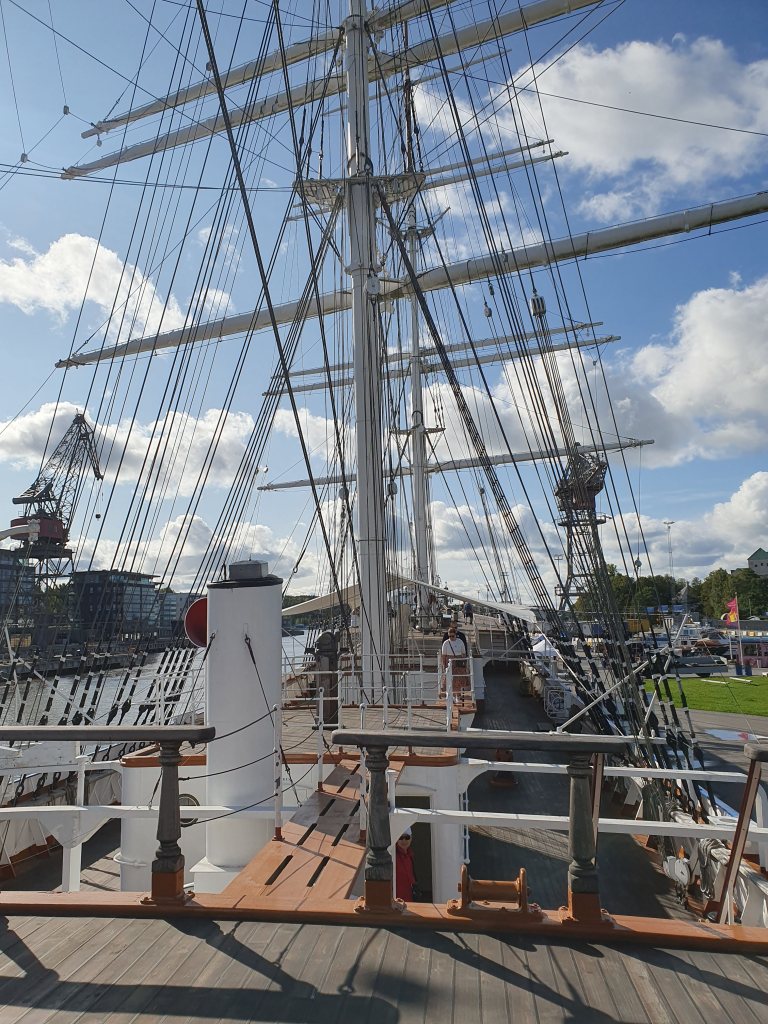
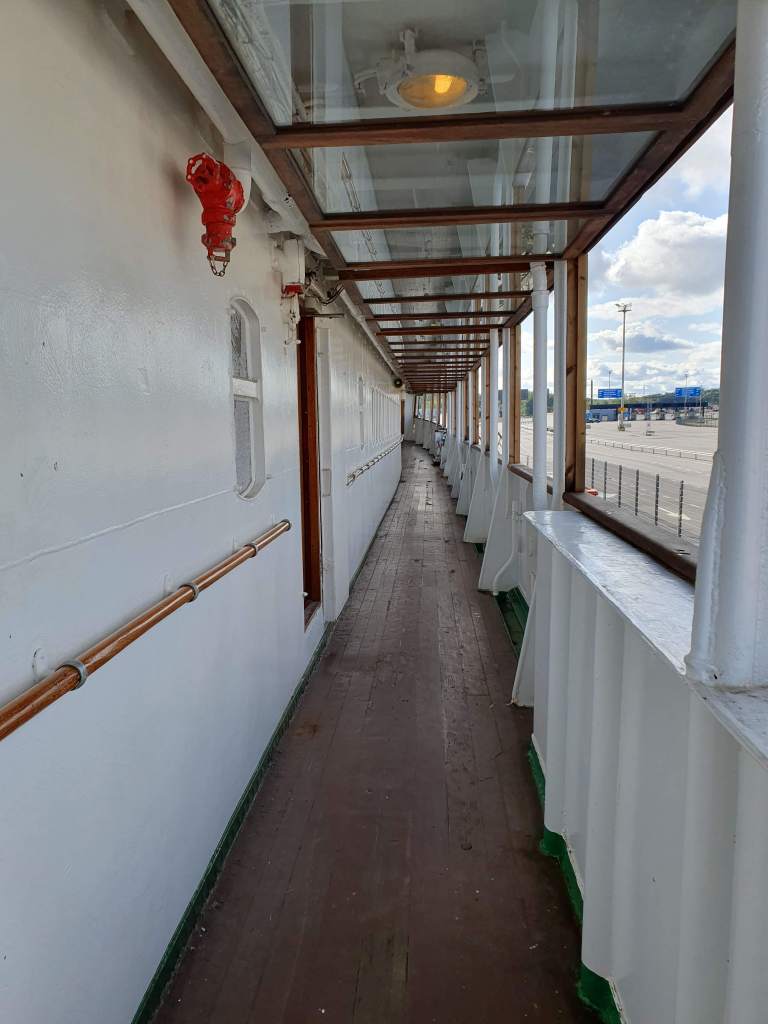
When I had finished at Turku Castle, I walked a short distance to the Forum Marinum, the maritime museum and collection of historic boats moored in the estuary of the Aura River. On arrival I was told that one of the old sailing ships, the Sigyn, would be closing at 3pm, but the remainder would be staying open until 6pm. So I made my way to the Sygn first, and then systematically to the other ships moored along the riverside. There was another bigger sailing ship to go on, a couple of decommissioned Finnish naval warships (one of which had been a training vessel in its later years), and a retired Baltic ferry, part of which is now used as a hostel. In addition to the ships normally moored there, there was also a current Finnish Navy corvette which was holding an Open Ship afternoon, as part of the Turku Day activities. Security for visiting the corvette was rather tighter than for the other ships – bags were not permitted on board and you were not allowed to photograph certain items of the ship’s equipment. The ship had a full complement of sailors to keep an eye on you and answer questions. When I had finished touring the ships, I went to look round the rest of the Forum Marinum, which is housed in two large buildings. These have plenty of other, slightly smaller, boats on display, as well as exhibitions about various aspects of the sea and maritime history, including one about the Finns who were on board the Titanic on its fateful maiden voyage.
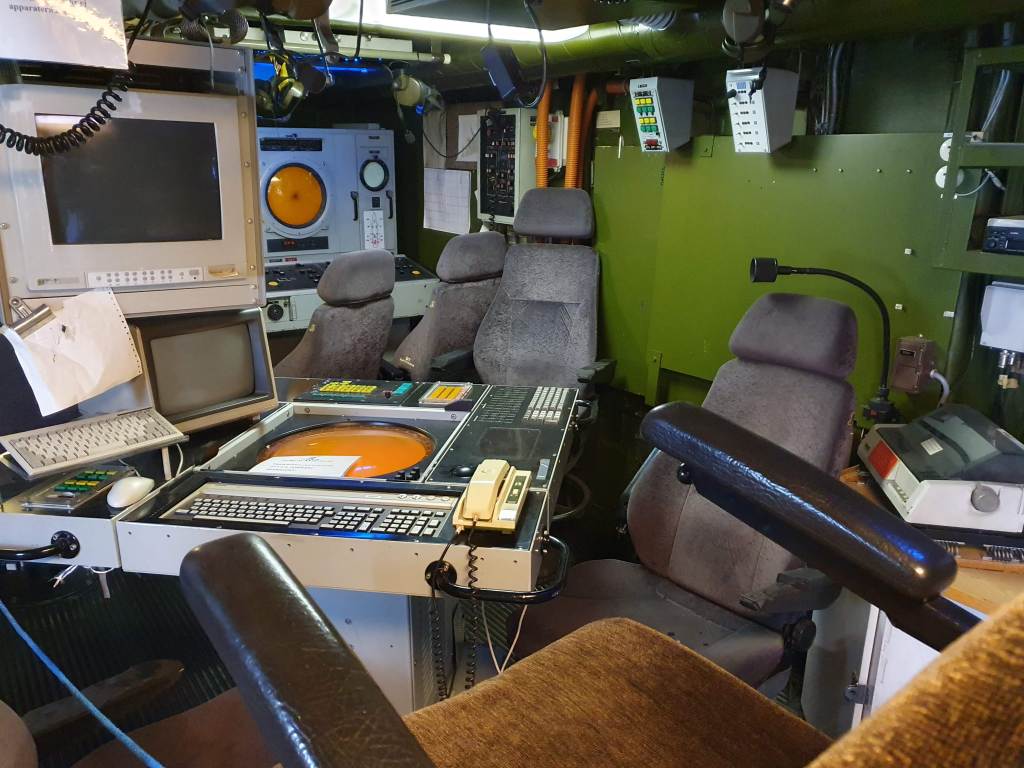
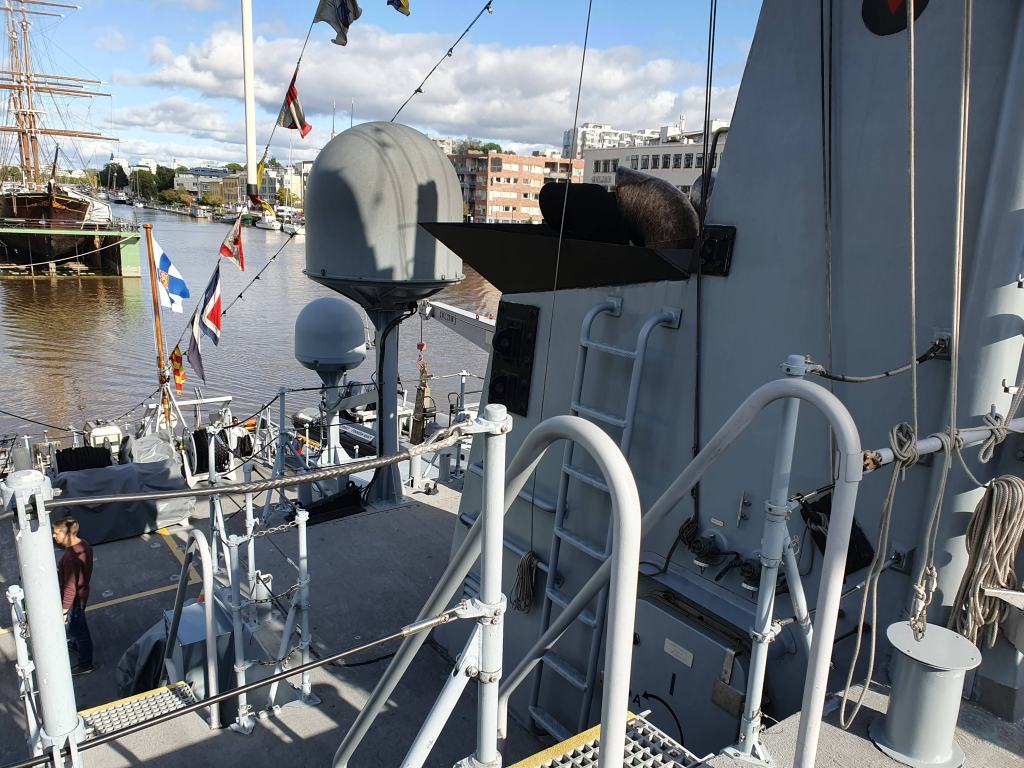
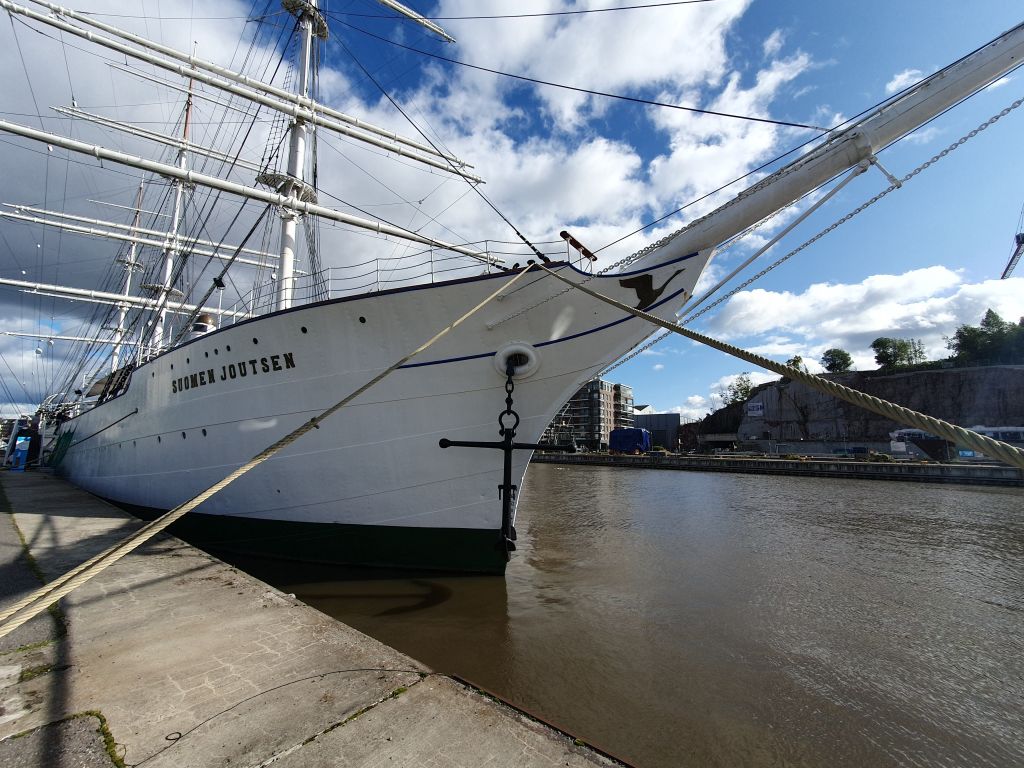
By late afternoon, I thought it time that I saw a bit more of Turku, so I caught a bus to the city centre. I dropped my bag off at the hotel I had booked and went for a walk. For an historic city, the main central area around the large market square was quite modern. In the market square various stalls, some of which seemed to be associated with Turku Day activities, were being packed away. A lot of the area around the Market square was comprised of bland shopping streets, as could be found in any European city.
For dinner that night, I chose an Indian restaurant where I had dal soup, followed by a mixed thali of three different curries served with rice and naan bread. I chose the thali, because I thought it would be cheaper than ordering a specific main course dish and rice, not realising until I saw other people ordering that all dishes included both rice and naan in the price.
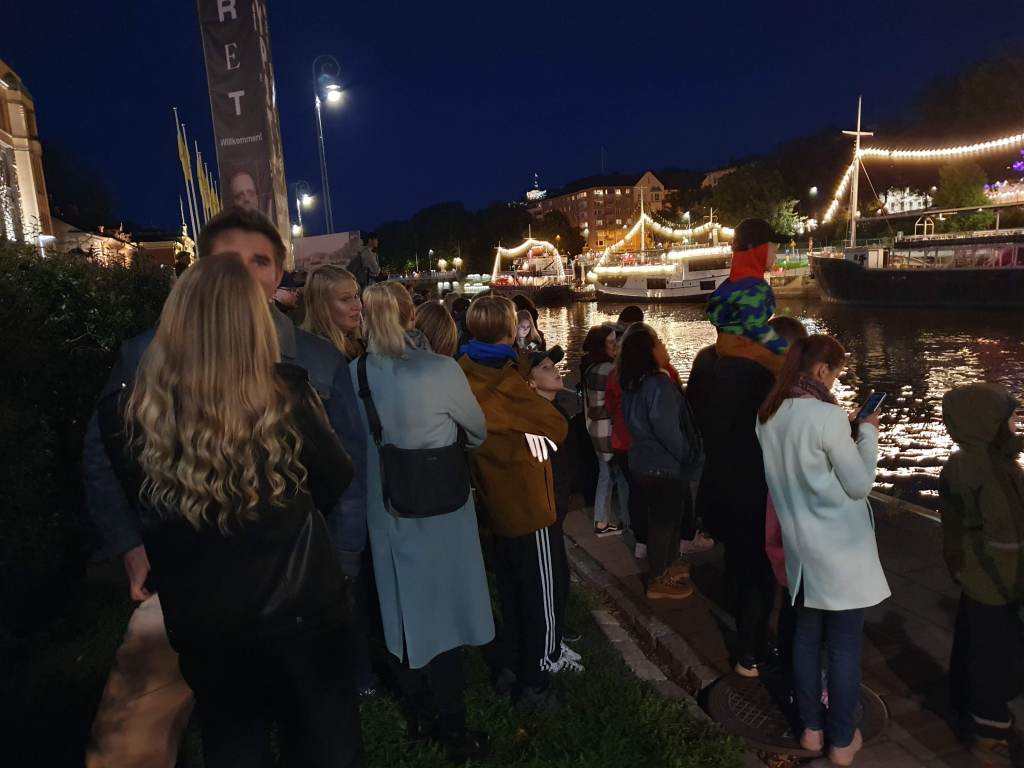
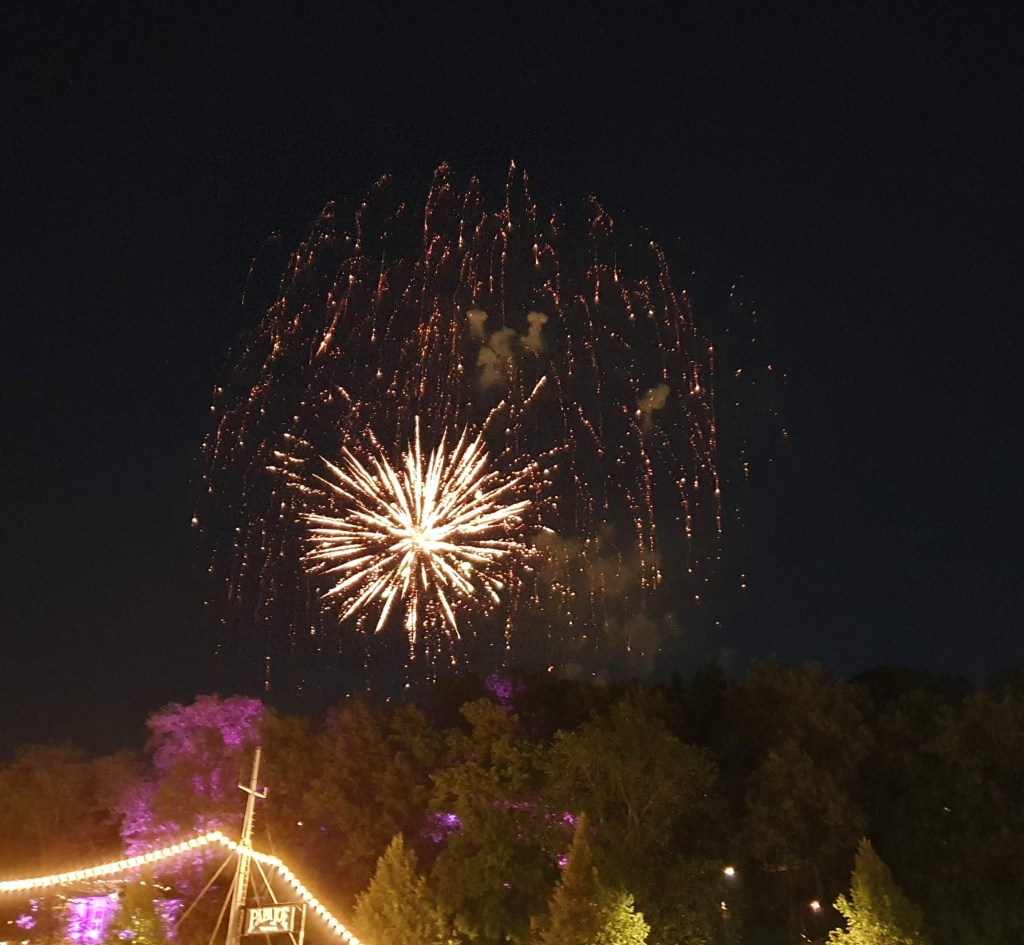
There was one final treat in store from Turku Day. There was going to be a fireworks display at 9pm. From reading the Turku Day guide, the recommendation for the best spot to see the fireworks was from the banks of the Aura River in the centre of the city, near the City Hall. I made my way from my hotel to try to get there for about 8:45pm. I was initially alarmed as I neared the river to see a large crush of people. But many seemed to be staying close to the bridges and access roads. Walking a little bit further along the river bank the crowd thinned out slightly, and you were in a better position to see the fireworks. The display started promptly at 9pm, launched from a hill on the opposite bank of the river. It was a spectacular display, which lasted about 20 minutes, after which I made my way back to my hotel, as I had an early start the next day.
Day 6 – Monday 18th September 2023 – Turku to Stockholm
I went to breakfast in the hotel as soon as they started serving, and after breakfast went to the bus stop on the side of Market Square to catch a bus to the ferry terminal in the port area of the city. The bus came at about 7:15am and less than half an hour later I had arrived at the ferry terminal. The ferry to Stockholm was due to depart at 0845 and my ticket said that I should check in no later than half an hour before departure. That said, looking at the Viking Line website suggested that the real deadline for arrival was only 10 minutes before the scheduled departure. As I walked into the ferry building, I could see the Viking Glory sliding into its berth, having made the overnight crossing from Stockholm.
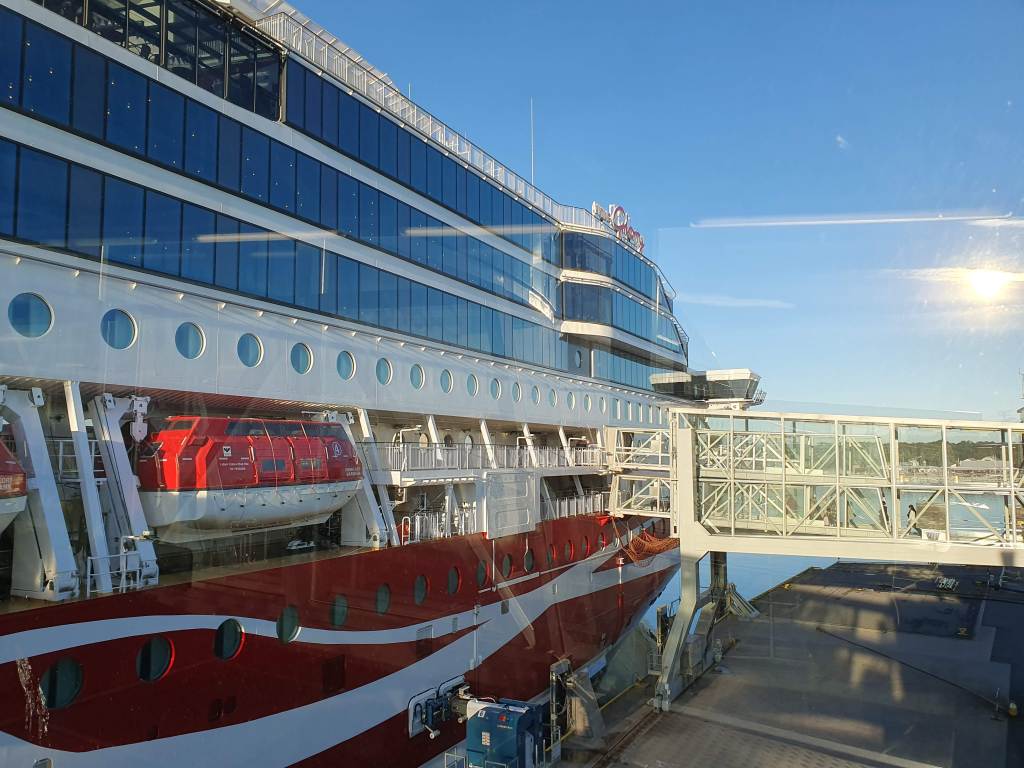
Within a few minutes of my arrival the check-in desks were opened and I was issued with a boarding pass and key card for a cabin. Even though this was a daytime crossing, all passengers were given a cabin, included in the €30 fare. Going through the departure gates led into a holding area where you waited until the ship was ready to board. This waiting area was initially quite empty, but by the time boarding started just 10 minutes before sailing, it was filled with a rush of last minute arrivals. In the meantime I could see the steady stream of foot passengers disembarking from the ship.
At about 8:35am the exit door from the waiting area was opened and the passengers walked on board, following signs to one of five different gangways, as shown on your boarding card. The Viking Glory is the biggest regular ferry operating in the Baltic, with capacity for 2,800 passengers. Initially, you could not access the cabins as they were still being cleaned, so I went on deck to observe our departure. We departed promptly at exactly 0845 – there were no hawsers to be cast off as the ship uses an automated mooring system based on vacuum technology.
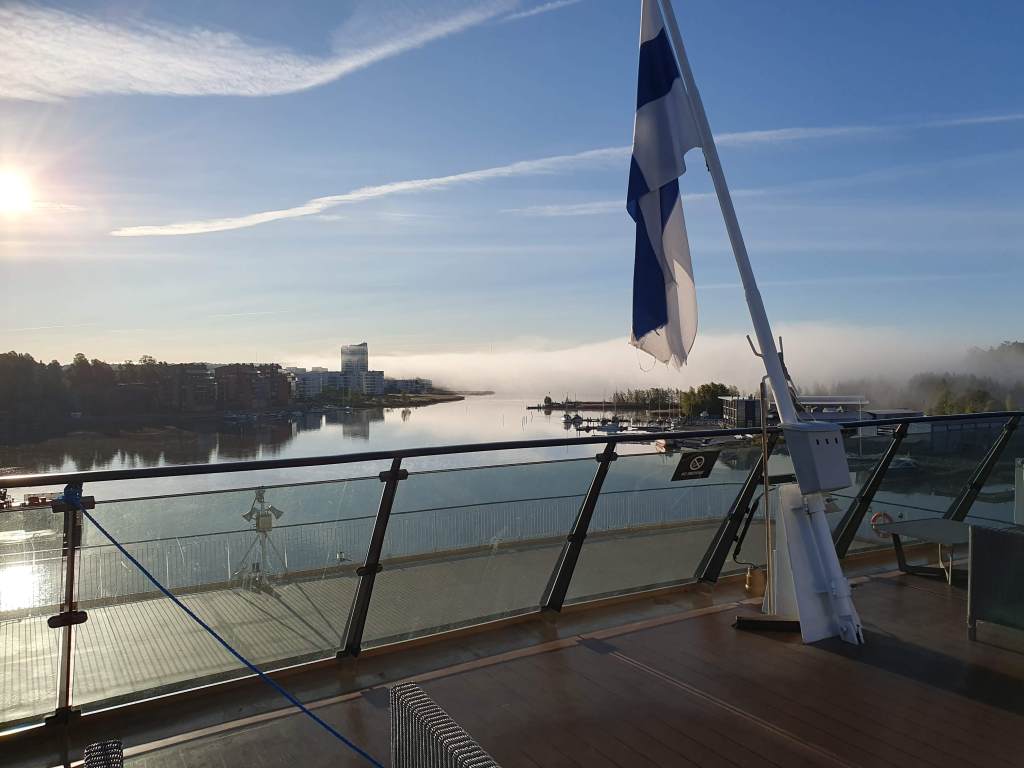
I set about exploring the ship. It has a plethora of bars and restaurants to cater for different tastes and budgets, as well as shops, a gym, sauna, casino and conference centre (which seemed to be hosting a number of business conferences on my crossing). As the day progressed, when I thought I been everywhere on the ship, I would go down a corridor and find somewhere new. After my initial tour of the ship, the cabins were now open, so I went and left my bag in my cabin, before going on deck again.
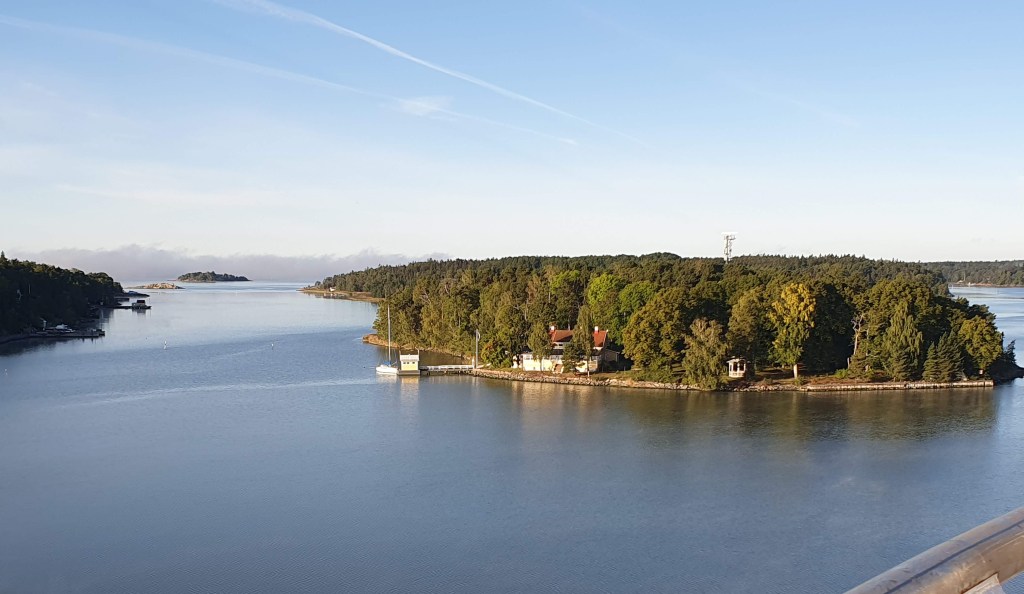
The ship weaved its way slowly through the thousands of islands which make up the Turku archipelago, the biggest archipelago in the world (in terms of the number of islands). On this crossing, although there were a fair number of passengers on board, it was by no means full. It was a lovely sunny day and the sea was totally calm. After a couple of hours sailing towards some of the outer islands of the archipelago, we were very close to where the MS Estonia had sunk in a storm in 1994 in one of the worst maritime disasters in history.
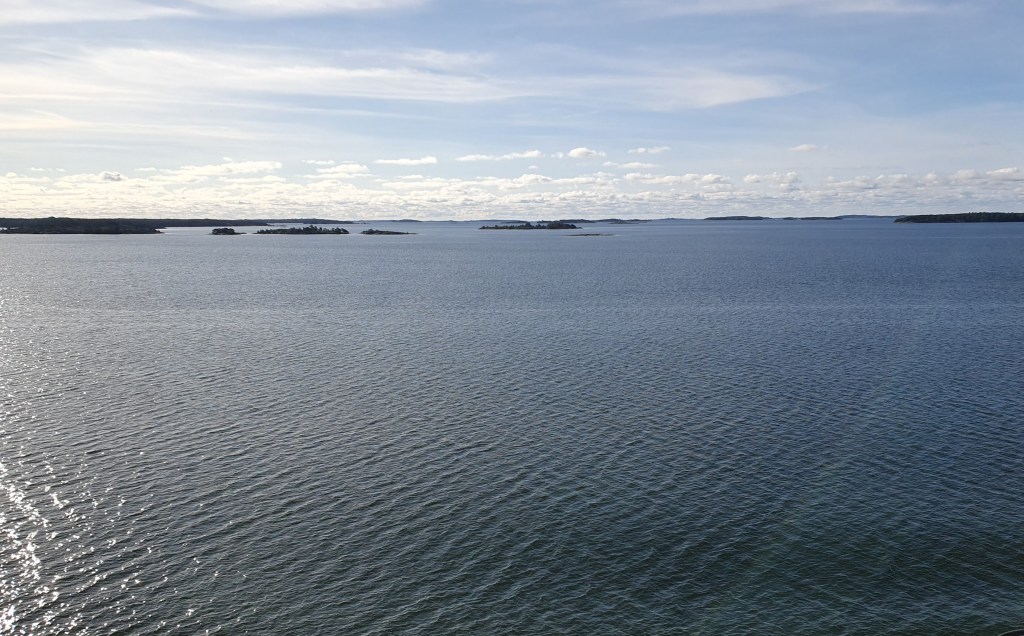
I initially spent quite a bit of time on the rear deck, which in the height of summer would seem to be used as an outdoor bar area, as there were good views in both directions and not very many other people using it. The only downside to this area was that there was kitschy German pop music being played the whole time.
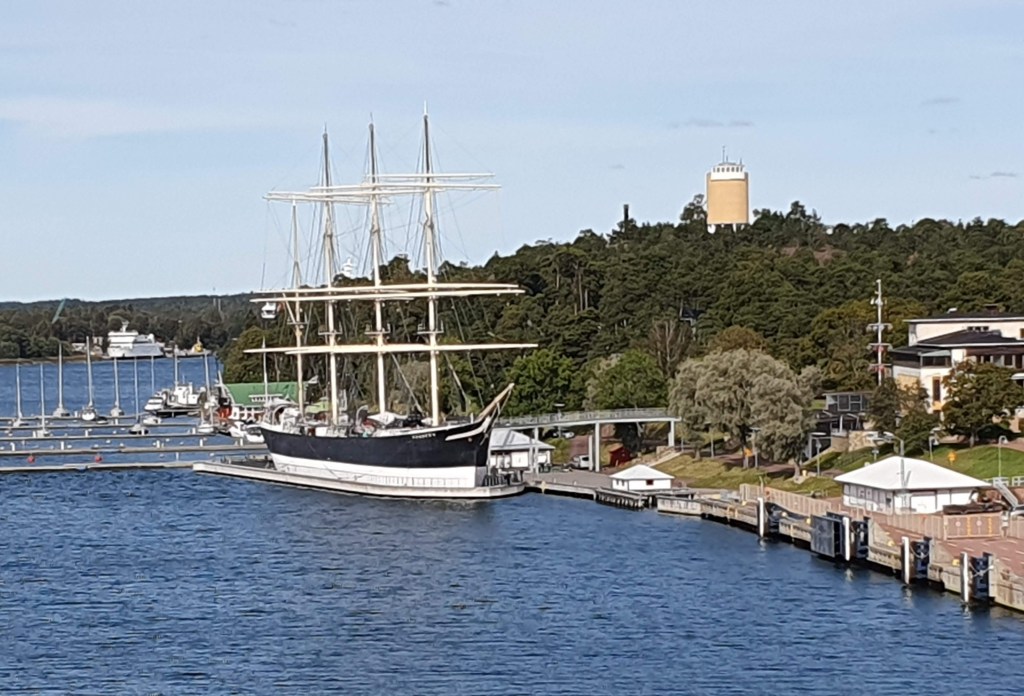
After five hours sailing we were among the Åland Islands. Åland is an autonomous Swedish-speaking region ceded to Finland by the League of Nations in 1920 provided that it was demilitarised. In Åland, despite being part of Finland, Swedish is the only official language. On the approach to Mariehamn, the main town of Åland we were followed by the Viking Glory’s sister ship, the Viking Grace, which was making the crossing in reverse direction from Stockholm to Turku. We were both due to dock at 1410, and I assumed because we were ahead we would dock first – but no, we were going to the further of two berths, and as both ships had to turn and reverse into their moorings, both docked simultaneously like a pair of synchronised swimmers performing a routine. There was only a fifteen minute stop in Åland, but that was enough time to unload and load a stream of vehicles to and from both vessels. We both departed exactly on time at 1425, with now the Viking Grace leading us down the channel out of Mariehamn.
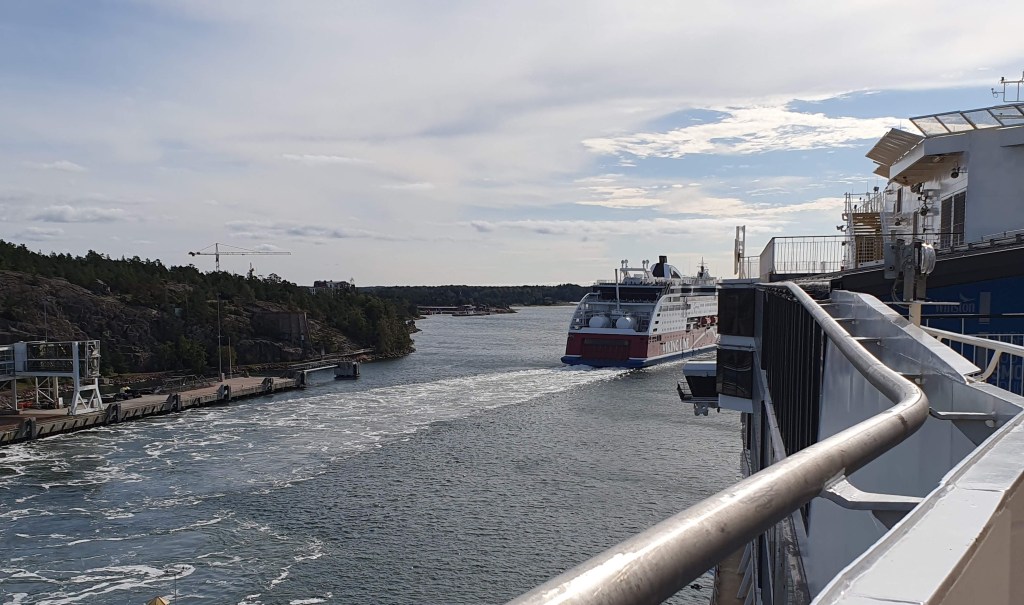
Once the two boats diverged to get to their respective destinations, for the first time we headed to the open sea of the Gulf of Bothnia, without islands being at close quarters on either side. I took the opportunity to briefly retire to my cabin to catch up on some administrative matters on my phone using the ships free WiFi.
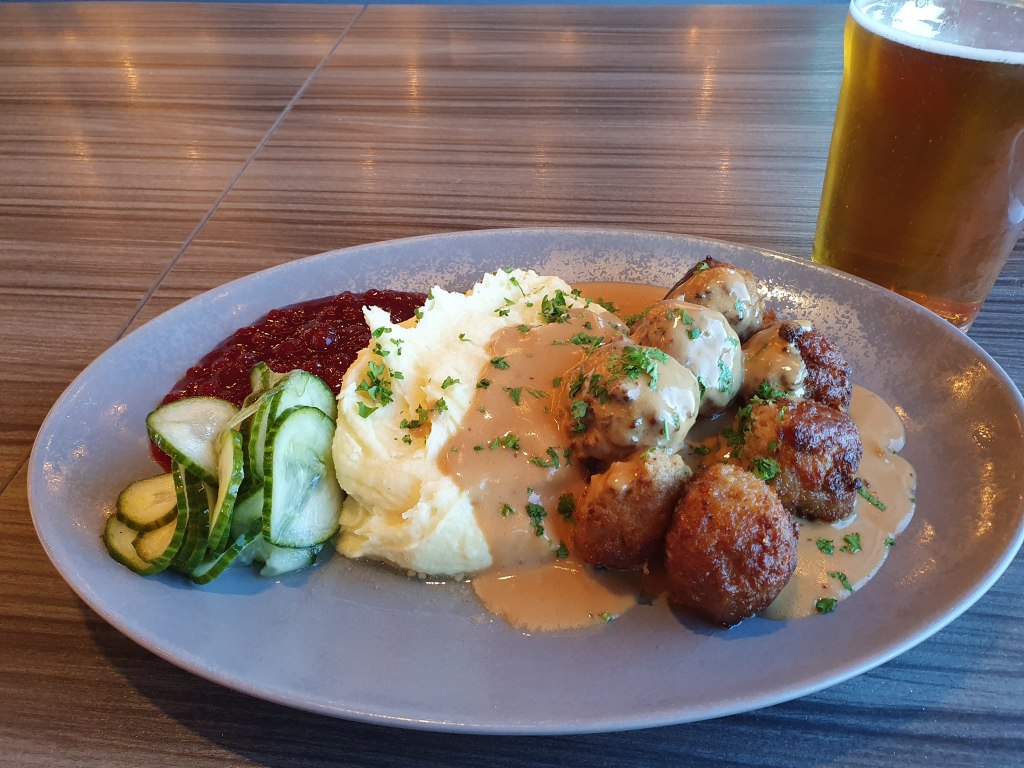
At about 4pm Finnish time (3pm Swedish time) I decided to have a late lunch from one of the ship’s many restaurants. I chose the classic Swedish dish of meatballs and mash, served with lingonberries, cucumber and gravy. By the time that I had finished my lunch we were now sailing between the islands off the coast of Sweden. After squeezing between Swedish islands for a couple of hours, the boat eventually entered the Saltsjön, the channel on which Stockholm is located, and docked on time in Stockholm at 1855 (Swedish time).
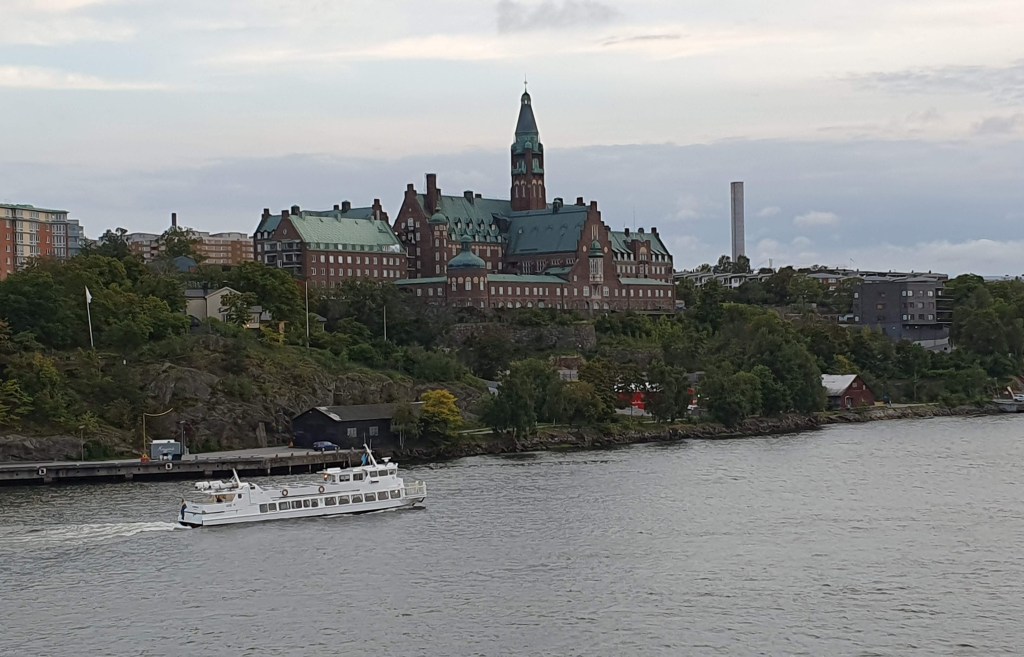
The ferry had advertised a shuttle bus from the Stockholm ferry terminal to the city centre departing at 1930, for which tickets cost €6.50. However, with a bit of research I discovered that I could catch a regular service bus from a stop on the road just outside the ferry terminal for about a quarter of that price using a ticket bought on the Stockholm local transport app and applying a pensioner discount. By positioning myself by the exit door from the ferry, when it docked I was one of the first passengers off the ship. A brisk walk took me to the required bus stop and, with a little wait for a bus, I was in my hotel room in the centre of Stockholm before 7:30pm, when the advertised shuttle bus would only just be leaving.
[To be continued. Coming next: Sweden.]
 Europe Explored