
“Šťastie praje pripraveným“ (Fortune favours the prepared) – Slovak proverb
Day 4 – Wednesday 10th May 2023 – Berlin to Bratislava
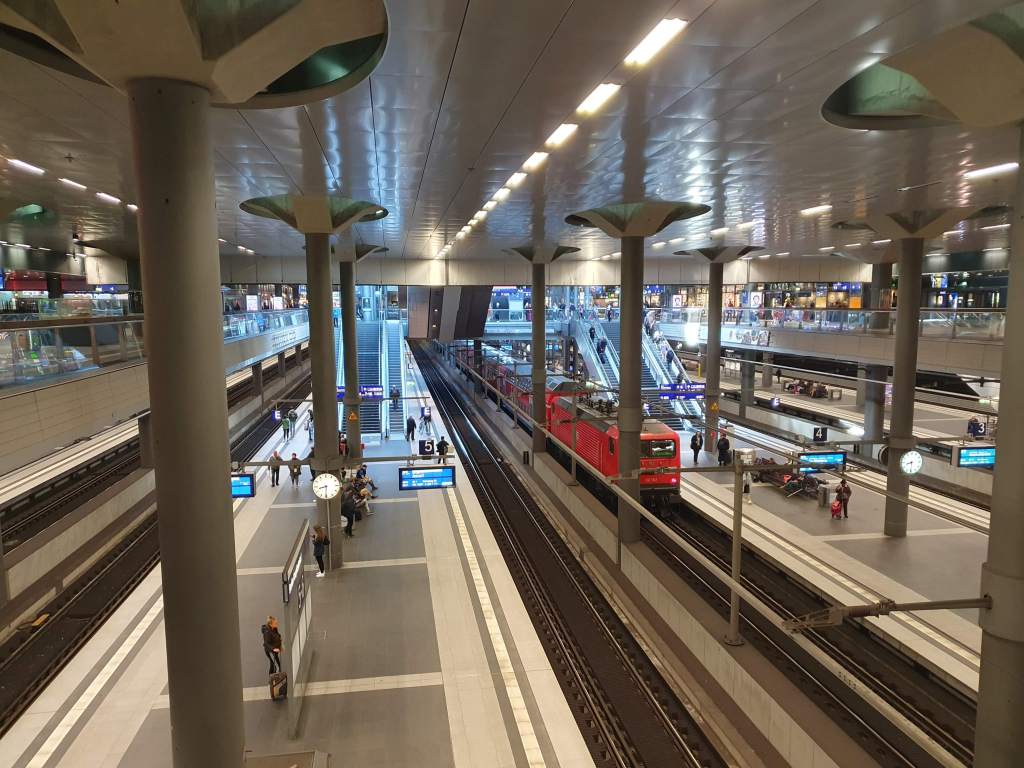
I caught a tram from my hotel to Berlin Hauptbahnhof. The train lines at Berlin Hauptbahnhof are at two levels Hoch (High) or Tief (Deep) with shops and other station facilities sandwiched between. Having arrived two days earlier at the high-level platforms (which run East – West), I was departing from the deep platforms, which run North – South. I was catching the Hungaria whose full journey from Hamburg to Budapest takes 14 hours. I had caught the Hungaria once before, in 2017, when I had used it to travel between Dresden and Brno. The Hungaria was due to depart from Berlin at 0901 and it left just a couple of minutes late.
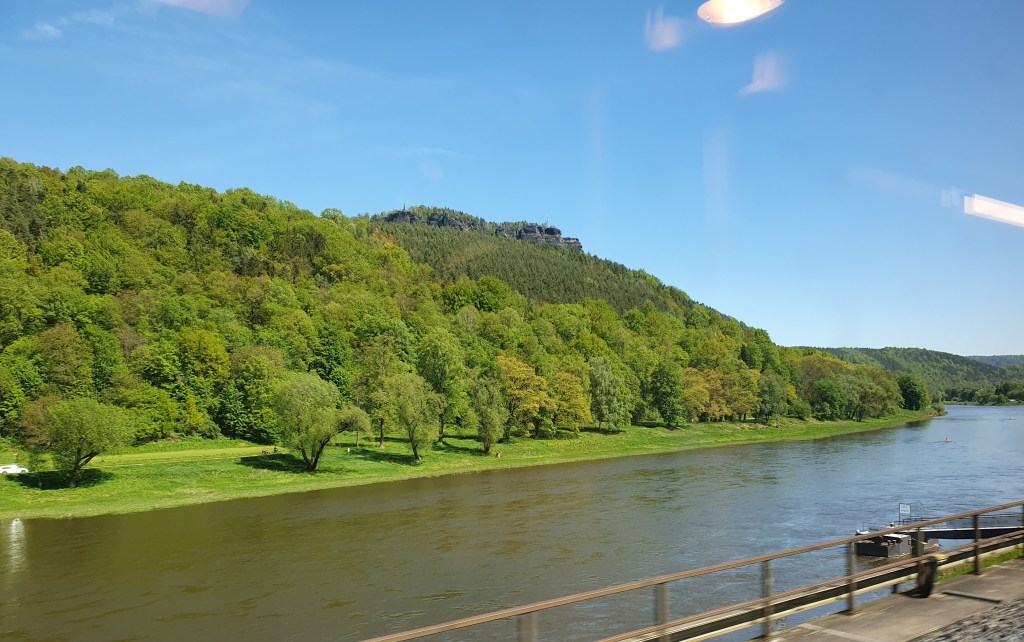
In my compartment on leaving Berlin there were four other people – two who looked like they were travelling on business and an elderly couple. After calling at Berlin Südkreuz station to the south of the city, the train proceeded to Dresden stopping at both Neustadt to the north of the Elbe and the main station to the south. The business woman in my compartment left the train in Dresden. On leaving Dresden the train followed a very scenic riverside route, first by the Elbe and then the Vlatava all the way to Prague. On the way, it stopped at the two stations either side of the German/Czech border: Bad Schandau and Děčín. I remember when I first came this way in 1985 there were lengthy delays at both of these stations to enable extensive border formalities to be conducted, but fortunately there was no sign of any border controls on this occasion.
At the time of my journey, the Hungaria was not calling at Prague’s main station, but only at Holešovice to the north of the city, where the second of the passengers who looked like they were travelling on business disembarked, leaving just me and the elderly couple in the compartment for the remainder of the journey. The train then ran non-stop from Prague Holešovice to Brno, but not using the fast line through Pardubice, but a slower more southerly route, taking three hours. The Hungaria was on time throughout most of its journey until it encountered a short stretch of engineering work either side of the bridge which marks the Czech/Slovak border, causing it to be delayed by 10 minutes. It did not make up this 10 minute delay before I got off at Bratislava’s main station at about 6:05pm.
My first task at Bratislava hlavná stanica was to attempt to obtain the pass which allows all EU citizens over the age of 62 to purchase railway tickets for free. When I went into the main ticket hall, most of the booking office windows were closed, so I joined a queue at one of the couple that were still open. When I reached the head of the queue the ticket seller directed me to the customer service centre, which was down a side corridor off the main booking hall. Although there was only one person ahead of me in that queue, she was having a lengthy debate with the woman behind the desk, before eventually leaving seeming rather irritated that she had failed to achieve whatever she was wanting to do. While this was going on several more people joined the queue behind me. After a while the woman serving announced that she would not be dealing with anybody else other than me, as she was about to close for the evening, much to the annoyance of those waiting. When it was my turn, I handed over my completed application form, a photo and my Irish EU passport. The clerk, who didn’t speak any English, looked at these and started shaking her head. She pointed to where I had entered my address on the form as being in the United Kingdom and just said ‘no’. No amount of arguing from me could persuade her that she was wrong. I’m not sure if she refused to issue me with a pass because:
(i) she misunderstood the rules that eligibility is based on nationality and not place of residence;
(ii) she thought that Ireland was no longer part of the European Union; or
(iii) she couldn’t be bothered to go through the possibly lengthy process of creating a new pass, as she wanted to close up and go home.
When I returned from my trip I submitted a complaint to Slovak Railways, who confirmed that I was eligible for an over-62 year old’s rail pass and that in case of future difficulty I should show a print out of the e-mail that they had sent me.
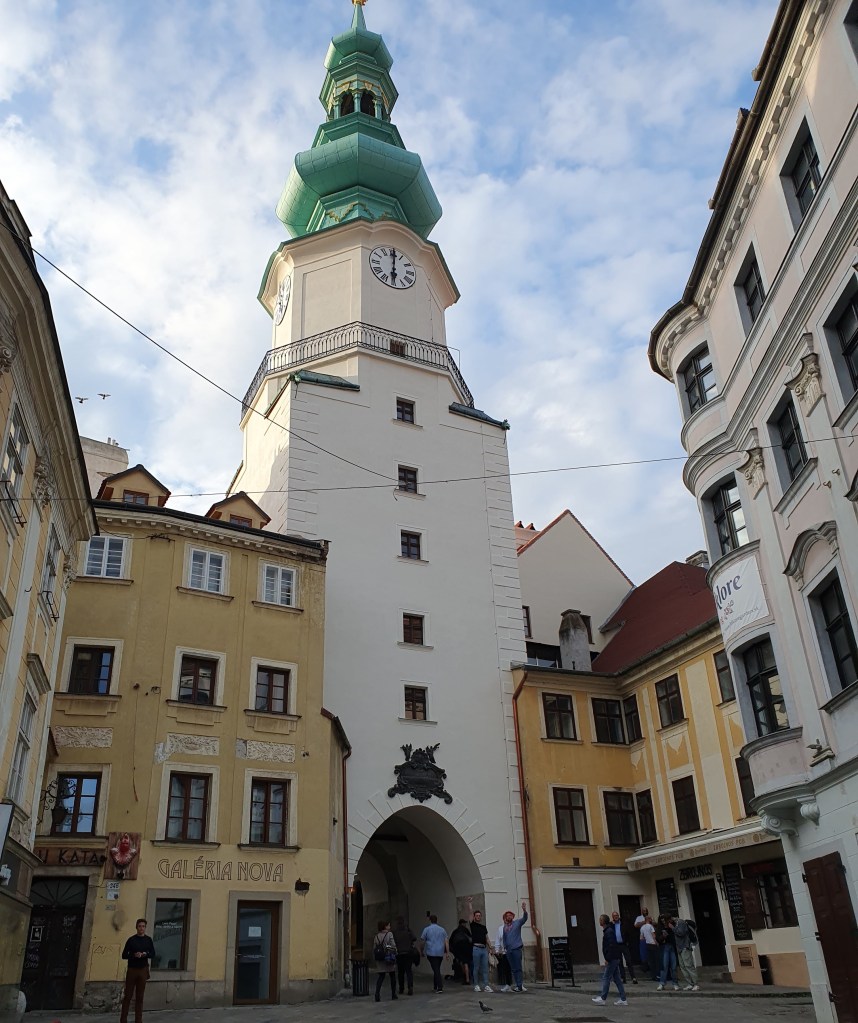
As Bratislava hlavná stanica is a little way from the city centre, I caught a bus from there to my hotel at the foot of the hill on which Bratislava castle is located. After checking in, I walked to the heart of the old town for a brief look round before trying to find dinner. I remembered that when I visited the city during my first Chess Train tournament I had found a very good restaurant down an alleyway within the old town. However some comments on Google suggested that it had now closed. I thought it worth checking to see if it was still open, as it was very reasonably priced and served generous portions. Unfortunately, the Google comments were correct and the alley where it was located was now sealed off. As it was getting a little late, I didn’t want to spend too much more time looking for somewhere to eat. So, I chose a place with good reviews on one of the main tourist streets in Bratislava. The meal was very good, although probably a little pricey by Slovak standards. I had an interesting starter of rosti potato with cottage cheese, followed by roast mutton served with a Slovak version of potato gnocchi.
Day 5 – Thursday 11th May 2023 – Bratislava to Piešťany (via Trnava)
As I had been to Bratislava a couple of times before, I had not planned a long explore of the city. After my abortive attempt to obtain a rail pass the previous evening, I originally considered trying again when the customer service centre opened the next morning. But given I would still need to obtain tickets and, in some cases, reservations for my train journeys within Slovakia, I realised that I would probably waste most of the limited time I had left in Bratislava doing so. So in the end, I decided to get up early and buy all the Slovak train tickets I needed on my phone before setting out. I remembered when I was planning this trip that the Slovak Railways website was rather idiosyncratic and it might take some time to complete the necessary purchases. So it turned out – it took well over an hour to book the eight trains that I was planning to catch within Slovakia. Despite having to pay the full adult price for them, the cost for all eight train journeys was only €24.
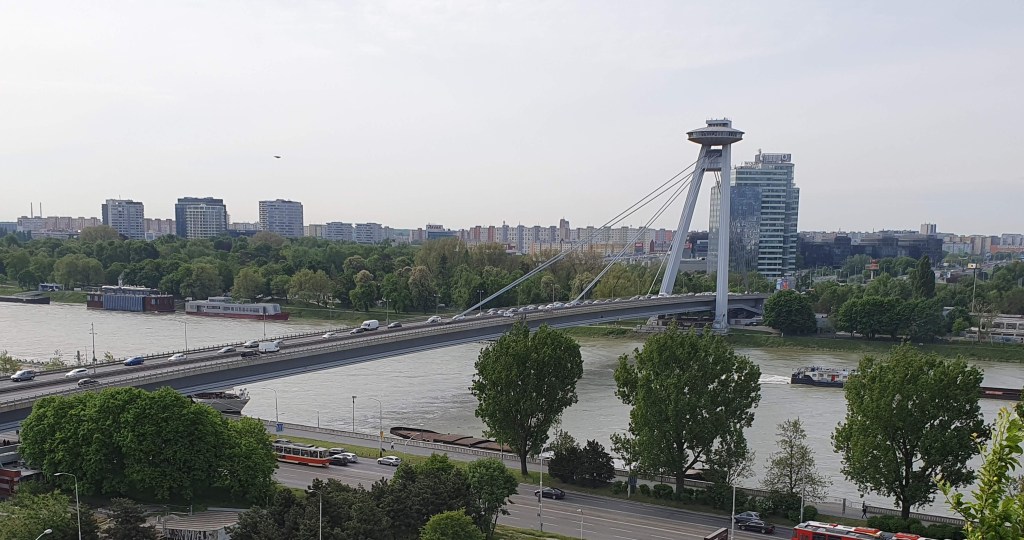
Once the tickets had been bought, I set off for a further look round Bratislava. Initially I climbed up to the castle with its classic view across the Danube, then along the city walls which encircle the old town, and a final circuit of the historic centre before walking via the Presidential Palace to the station.
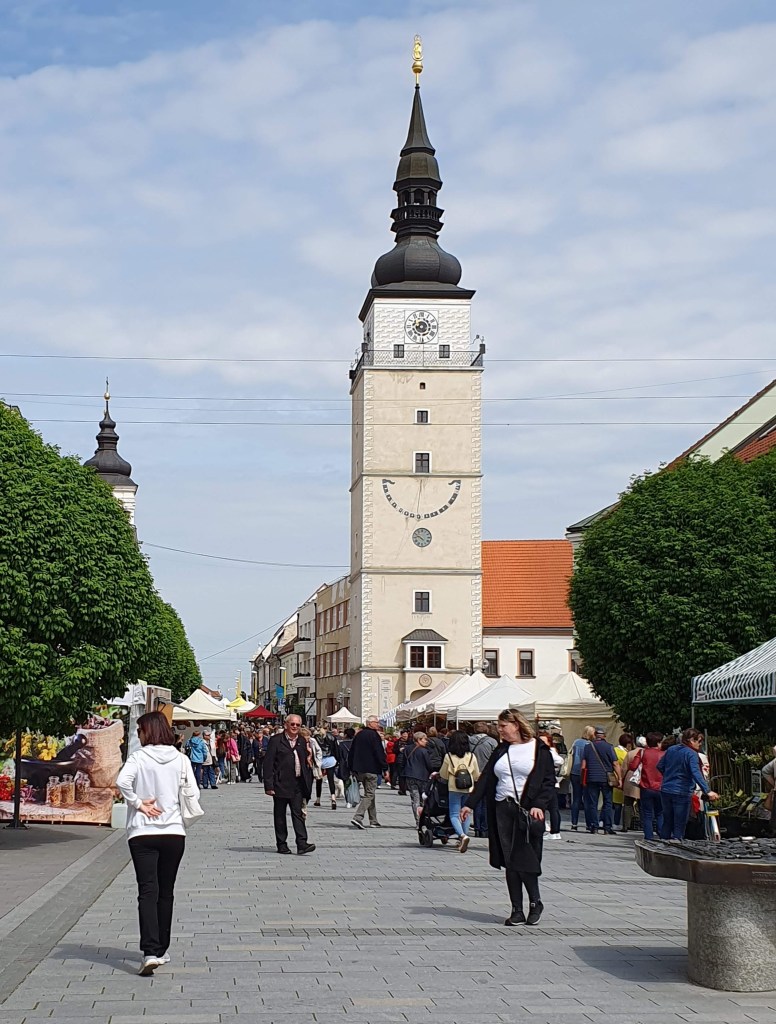
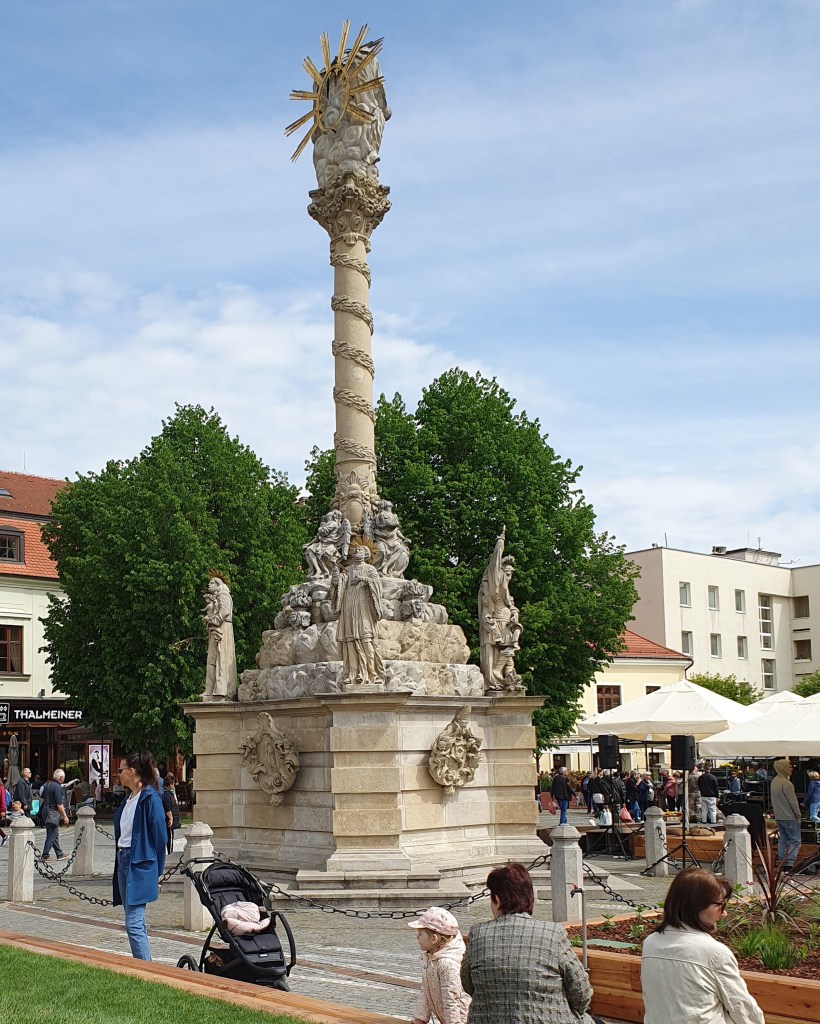
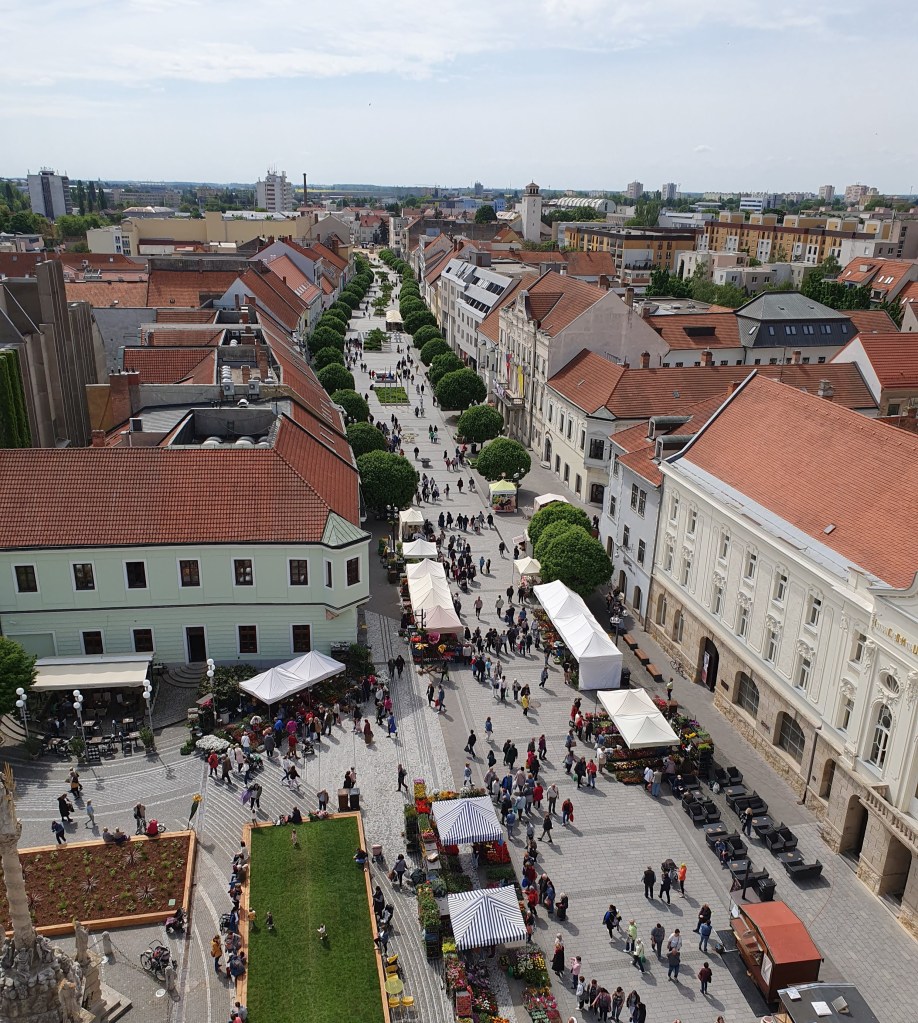
I caught the 0955 departure from Bratislava hlavná stanica, which brought me to Trnava about 35 minutes later. Trnava is an old walled city, whose centre these days is pleasantly pedestrianised. At the time of my visit there were a number of market stalls set up within the pedestrian areas. The former town hall has a tower which I went up to get good views across the city in all directions. Trnava is also the location of the Museum of Western Slovakia. This museum is of the sort that I like – fairly large and rambling, with things to be discovered tucked away down obscure corridors, a selection of wide ranging displays of local history, and virtually no other visitors during the time I was there. Once I had finished in the museum there was just time to buy some lunch from a supermarket and eat it sitting on a bench in the warm sunshine before heading back to the station.
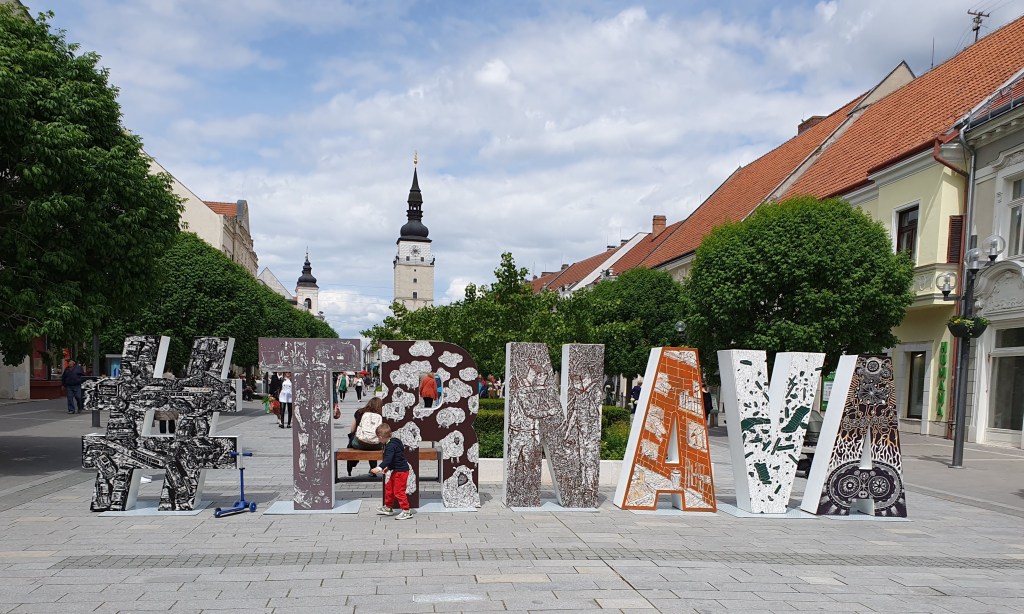
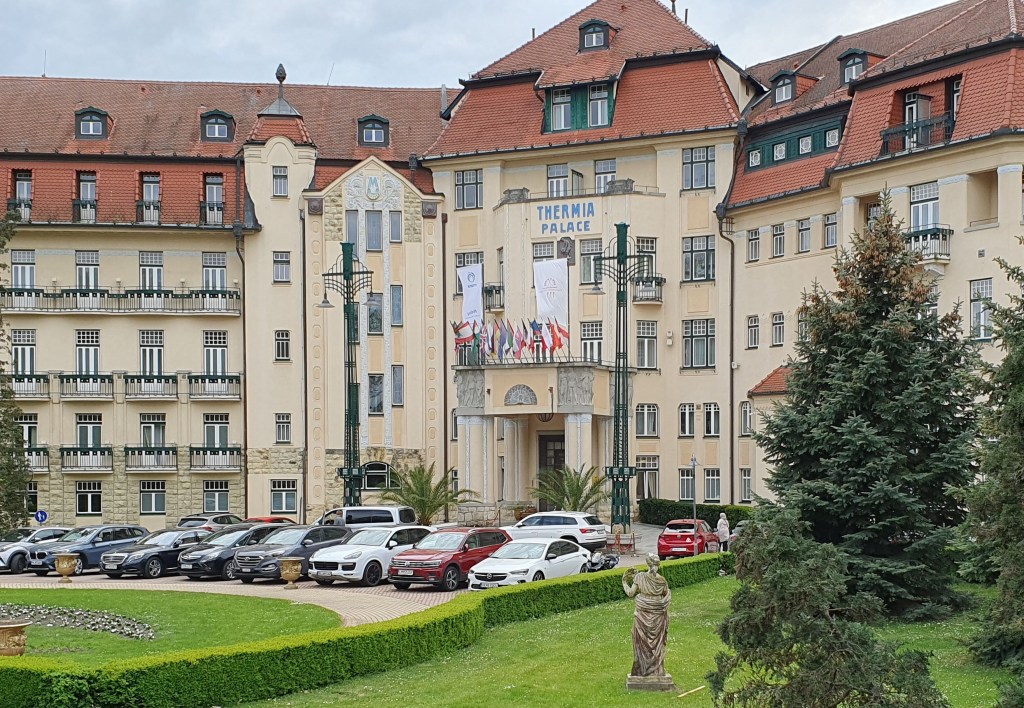
It took under half an hour on the train to bring me to Piešťany, which is a spa town located on the Váh river. The station is a little way from the centre of town, so it took me about 20 minutes to walk to the river and cross over to the Spa Island where the main springs are situated and some of the grander hotels located. One of the biggest hotels, the Thermia Palace, hosted a meeting in 1917 between Kaiser Wilhelm II of Germany, Emperor Karl I of Austria-Hungary and Tsar Ferdinand I of Bulgaria to plot their strategy for the conduct of World War I.
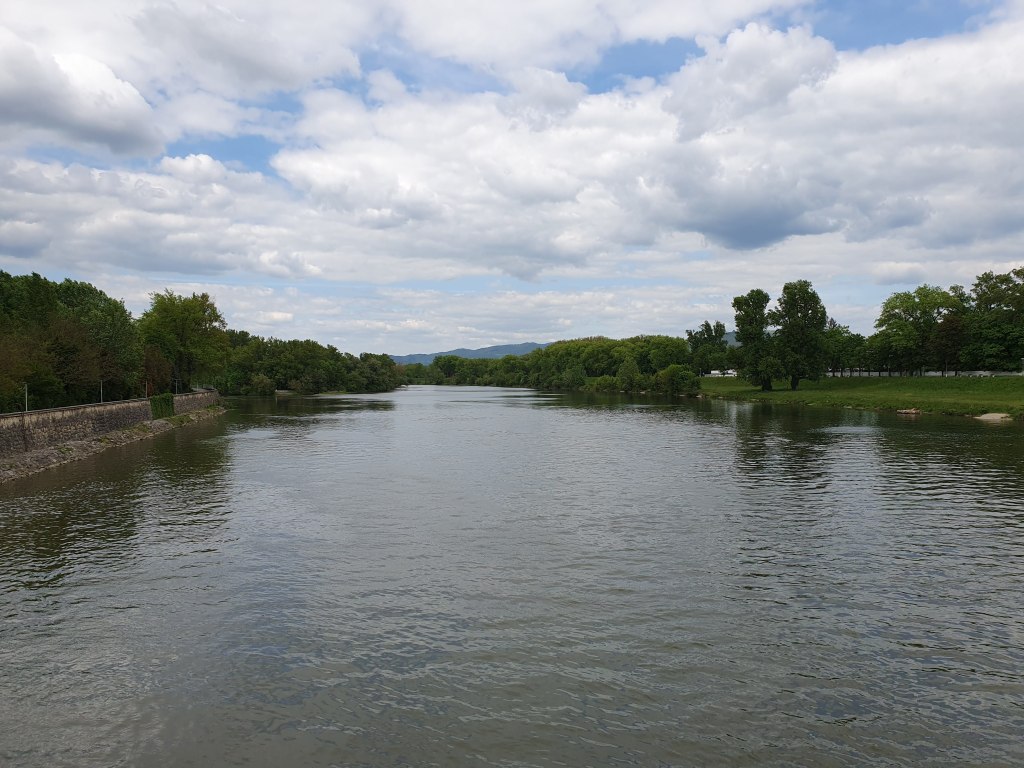
After wandering around for a while on Spa Island, I crossed back over the river to visit the town’s main museum. This covered some of the history of Piešťany and the surrounding region, but was quite small, so it didn’t take me long to look at everything. It has a sister museum within the town, which is specifically devoted to the balneological aspects of the spa. I next went to find this museum – my search was not helped by it being shown in the wrong location by Google Maps. When I got there, over 30 minutes before its advertised closing time, the door was firmly locked and no sign of activity within, so I never did get to examine this other museum.
Having failed to visit the balneological museum, I went to check into the hotel that I had booked for the night, located on the edge of a park which occupies a large part of central Piešťany. Although this hotel is a little way from the main spa areas it advertises that it offers a variety of treatments for its guests. Most of the other residents seemed to be fairly elderly and I encountered some of them walking in the corridors in dressing gowns, presumably on their way to or from their treatments.
I managed to avoid the temptation to have any treatments and went out to find dinner instead. I chose a back street pub, which had good reviews. For starter I had what my translation of the menu described as salmon tartare, which I thought would be like gravard lax, but was in fact an enormous mound of salmon mousse served with slices of toast. For main course I ordered strips of beef with fried vegetables. I had assumed that the vegetables would be a side accompaniment to the beef, but it turned out that the dish was like a stew with the vegetables mixed in with the beef. It was only after it had been served that it was suggested that I might like to order some rice or potatoes to help mop up the juice from the dish, which I declined, as I thought that by the time that they would be served, I would have probably finished the rest of the meal. The beef turned out to rather chewy, so it took me a while to eat it. This was the least expensive meal that I had on the whole trip – being a pub, the beer they served was fairly cheap.
Day 6 – Friday 12th May 2023 – Piešťany to Nový Smokovec
For the first time on this trip I was having breakfast in the hotel, where I encountered some more of the elderly residents. As my first train of the day was not until 0955, there was no great rush to get to the station and on the way I called in at a supermarket to top up my supplies. This was my most ambitious day of the whole trip in terms of the number of connections to made – with four different trains due to be taken (and as it turned out, also a railway replacement bus thrown in).
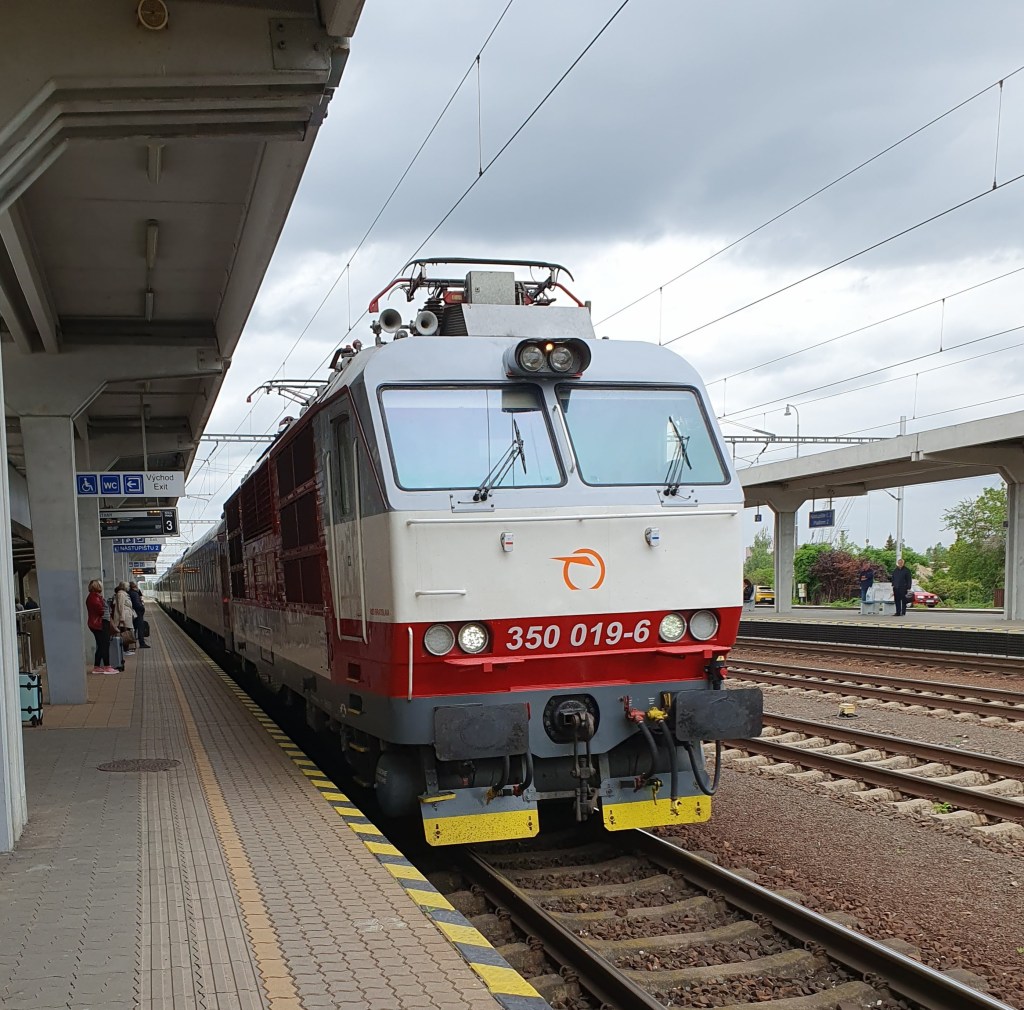
I was particularly concerned about my first connection, for which I only had 10 minutes, since if I missed it I would have to wait two hours for the next train. I was a little worried when the first train pulled into Piešťany five minutes behind schedule, but fortunately it actually made up some of its lost time arriving at its destination of Trenčín 30 minutes later. I had visited Trenčín, and its castle which sits above the town, twice before courtesy of my rides on the Chess Train organised by the Prague Chess Society, which sadly has not resumed post Covid. I need not have worried about my connection, as the next train from Trenčín was running 15 minutes late, so I had over 20 minutes to admire the views of Trenčín castle from the station platform.
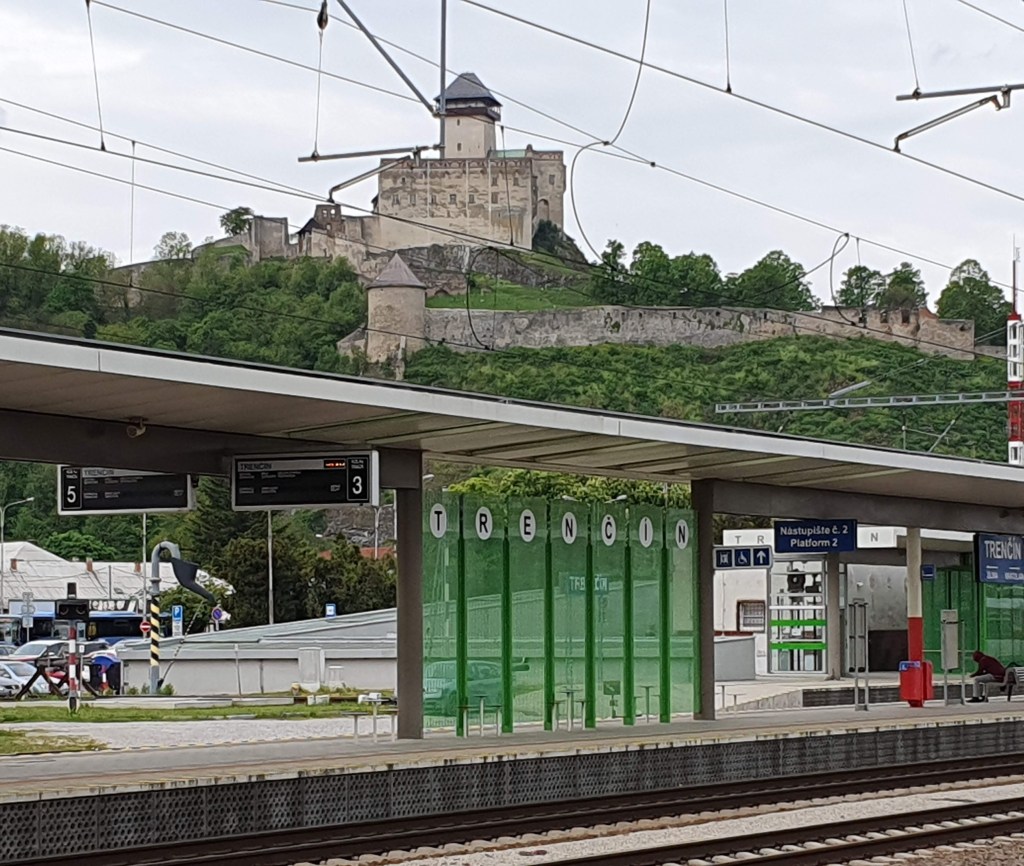
This next train was going all the way to Košice from Bratislava, but I was due to spend just under three hours on it to Strba. It was fairly full when I got on and there was somebody sitting in my reserved seat, so I sat in the vacant one next to them. Slovak railways don’t display reservation notices in their trains, so I was a little unsure about the etiquette of throwing somebody out of their seat. However, after a couple of stops somebody got on and claimed the seat that I was sitting in, so I now felt no qualms about occupying my rightful place. As I only had six minutes for my next connection, I had hoped that the train might make up some time from the 15 minutes it was late when I first got on. It initially did show some signs of clawing back a little time, but this was all lost when we had a lengthy delay at another station further down the line. The police had been called to evict someone from the train and the culprit was last seen being questioned by three police officers on the station platform. This setback meant that we were now 20 minutes late. Any further hopes of making my next connection were dashed at the next station, where a large school party took an age to get on board, rather dangerously spilling across the adjacent set of tracks while they did so.
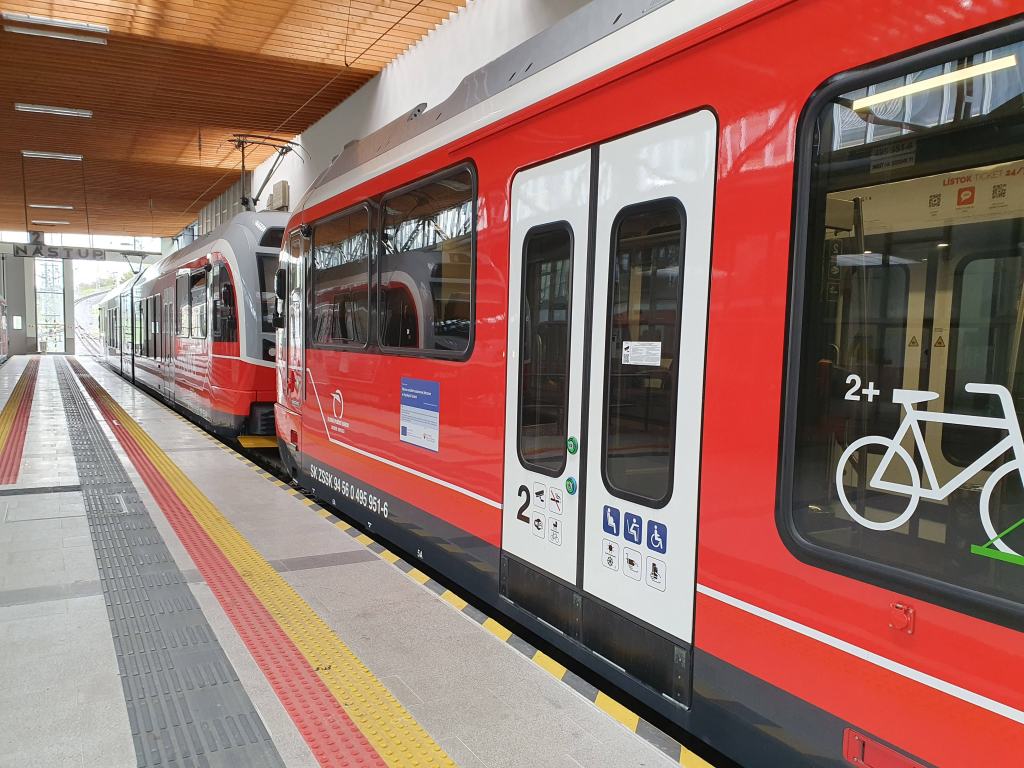
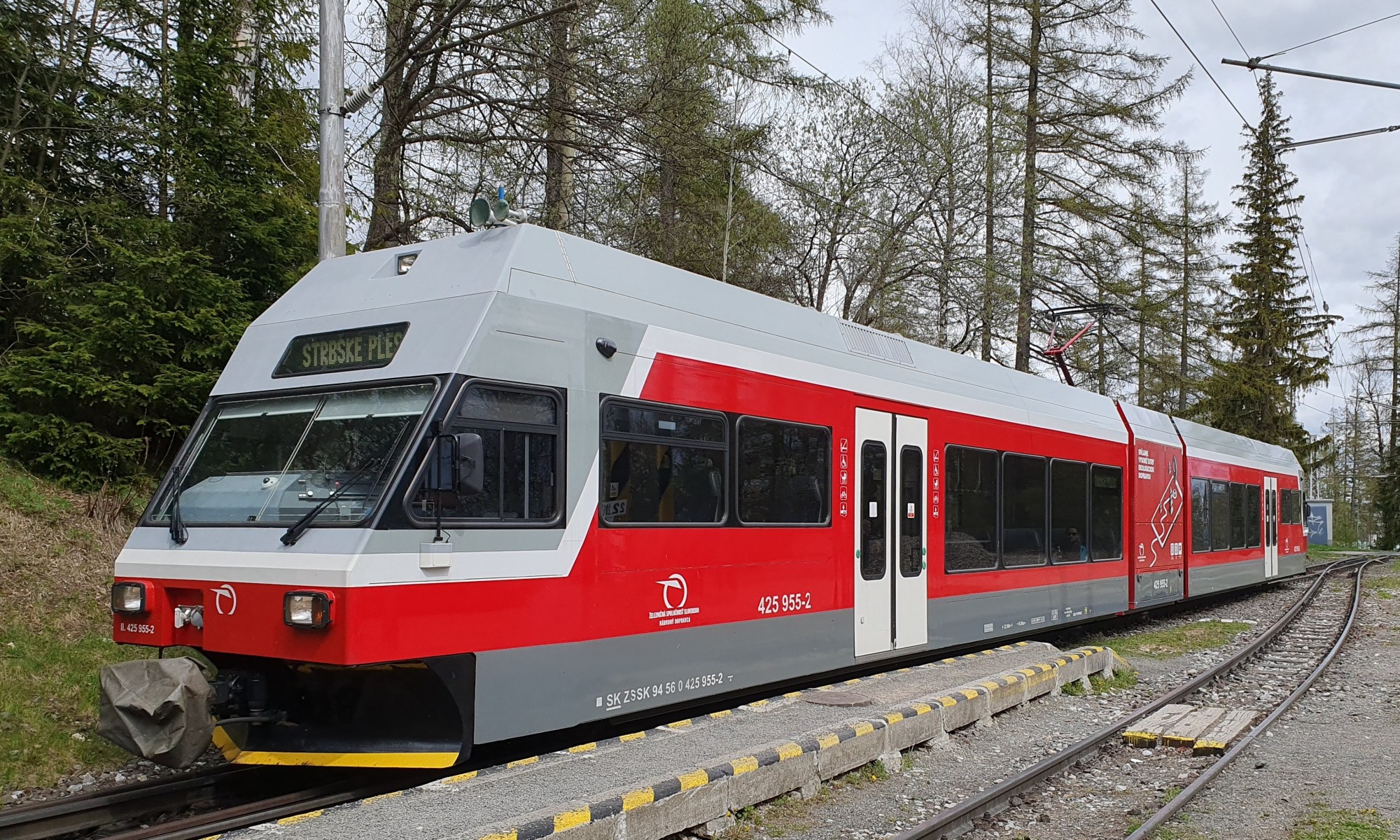
I eventually arrived at Strba at 1340. The train I had been planning to catch had been due to leave at 1326, and I had hoped that it might have been held for the mainline train, but it had not. This next train, which ran hourly, was for a short 13 minute steep climb up into the High Tatras using a cog railway. So I kicked my heels in Strba railway station waiting for the 1426 train. A shiny new train arrived and left on time, and after one intermediate stop, deposited me in Štrbské Pleso. High up in the mountains it was noticeably cooler than it had been anywhere on my trip so far, and I had to dig out my jumper, which I had put away once I left Amsterdam. At Štrbské Pleso, there is normally a cross platform change for the next train to take you through the High Tatras, but it was here that the bus replacement service was operating. I followed the signs to outside the station, where there were various people hanging about, but no obvious rail replacement bus. After a few minutes a rather rickety bus did arrive and deposited some passengers. This was the replacement service but we were not allowed to get on until a second bus arrived, which brought a railway ticket inspector, who checked our tickets before letting us board the first bus.
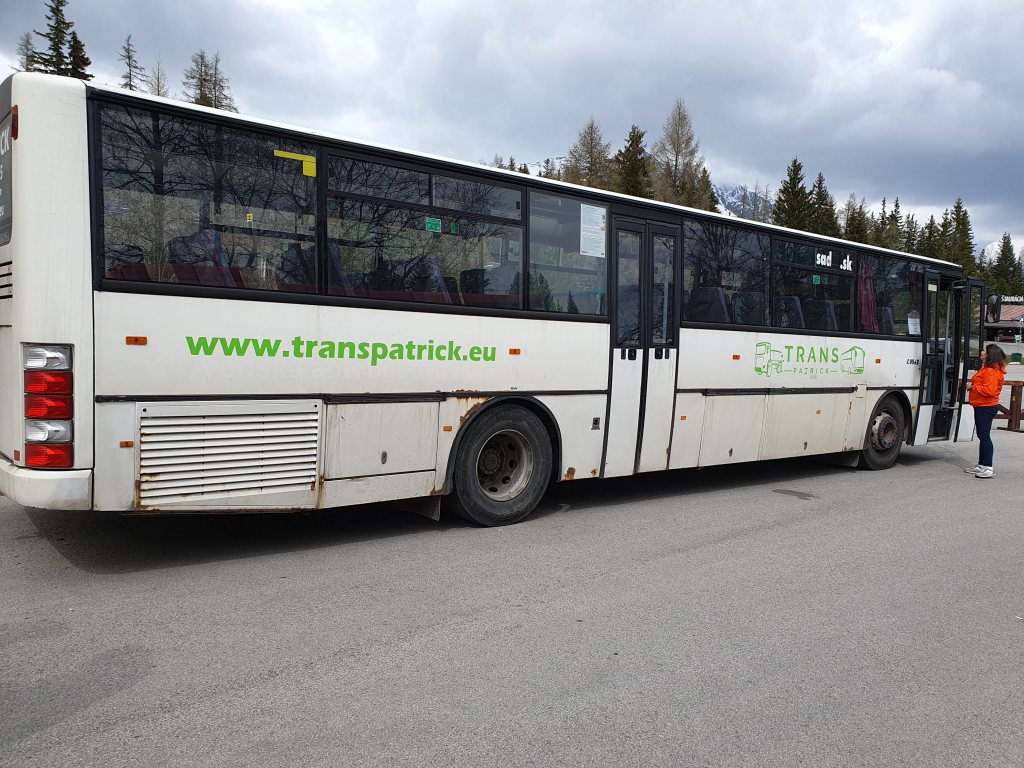
It was only a limited stretch of line that was out of action and it was not long before the bus deposited us at the small station of Vyšné Hágy. After a short wait a modern two-car train arrived to take me on the final leg of my journey on this day. This line has numerous halts, often consisting of little more than a platform, with some being no more than a few hundred metres apart.
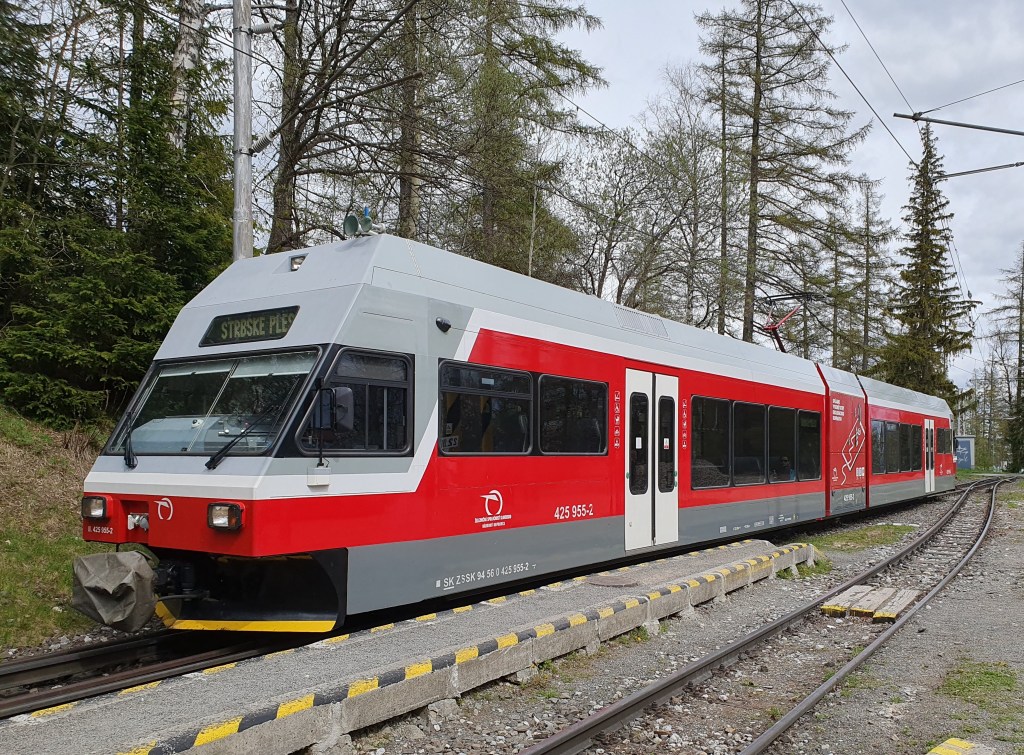
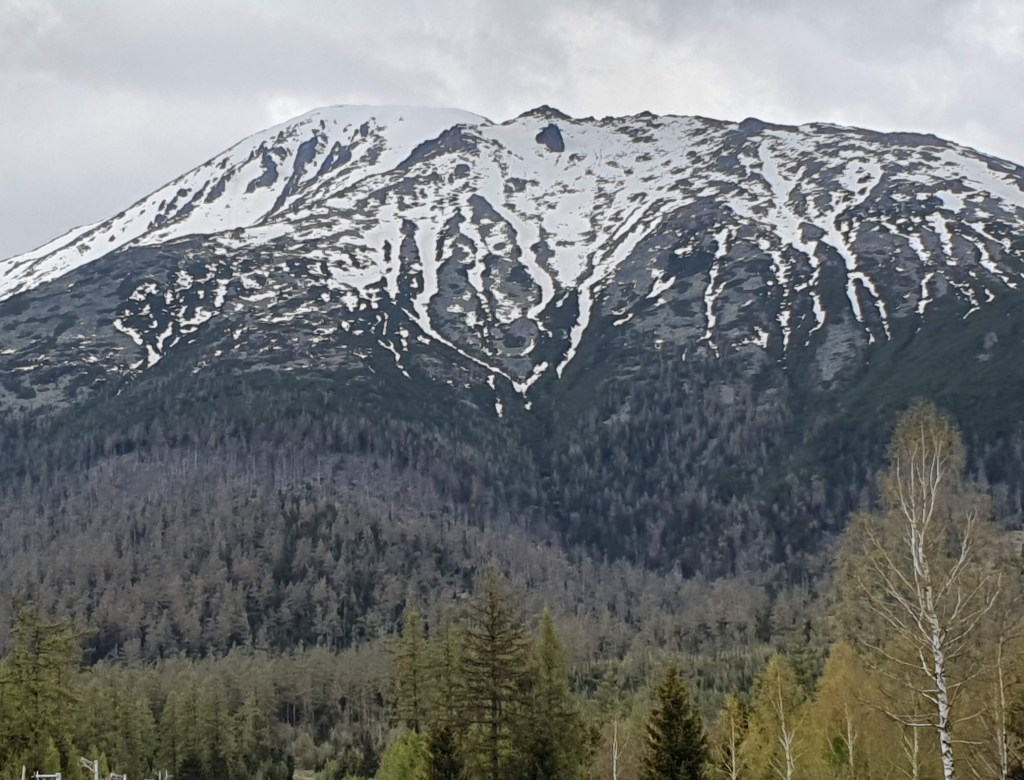
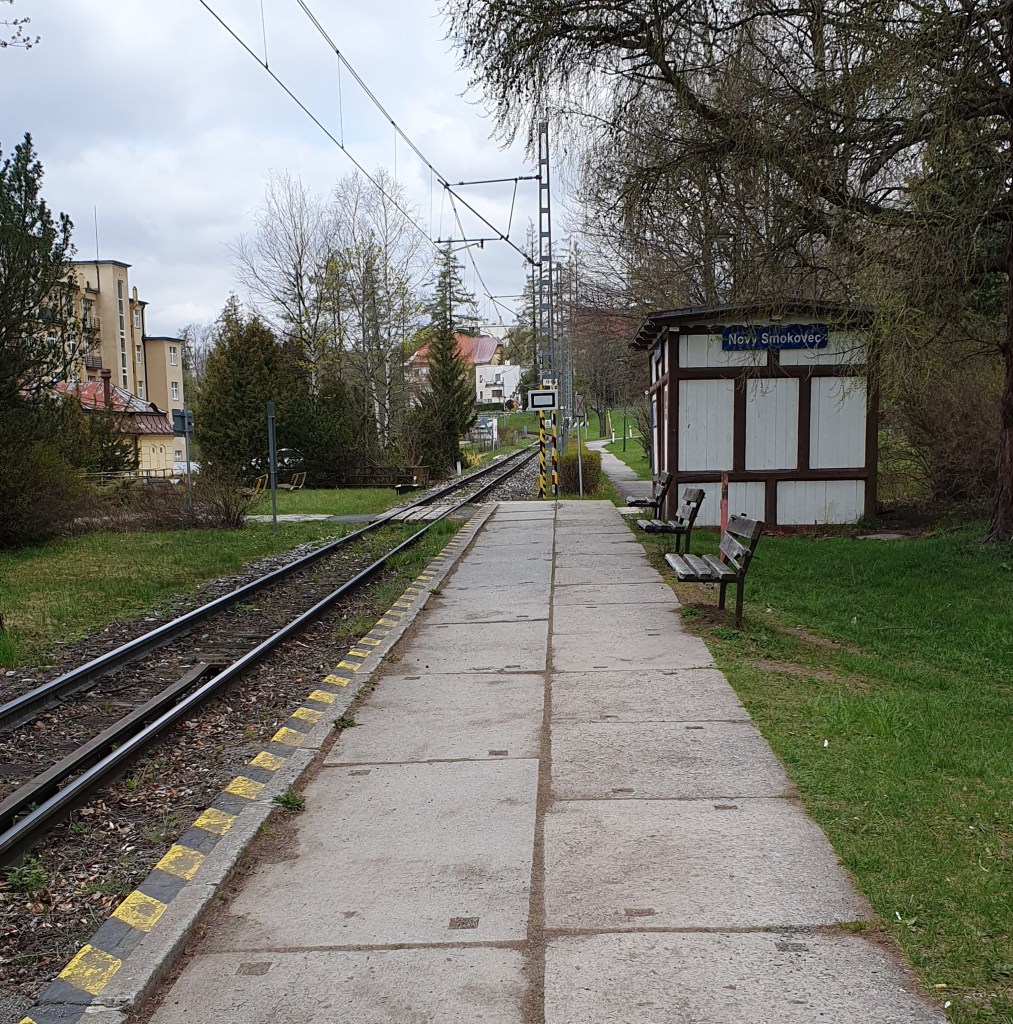
After half an hour on this final train, I alighted at Nový Smokovec, an hour later than planned due to the missed connection at Strba. The station there was just a single platform with a small shelter. When I was planning the trip I was looking to stay in Starý Smokovec, but in the end I chose a hotel in the adjacent settlement of Nový Smokovec. On the ground there is little to distinguish the old (Starý) and the new (Nový) Smokovecs – they are only a few hundred metres apart with no clear boundary between them. As my hotel was very close to Nový Smokovec station, I called in first at my hotel to leave my bag and then set out to explore. From the hotel there were good views of the still snow-capped tops of the High Tatras which form the border between Slovakia and Poland.
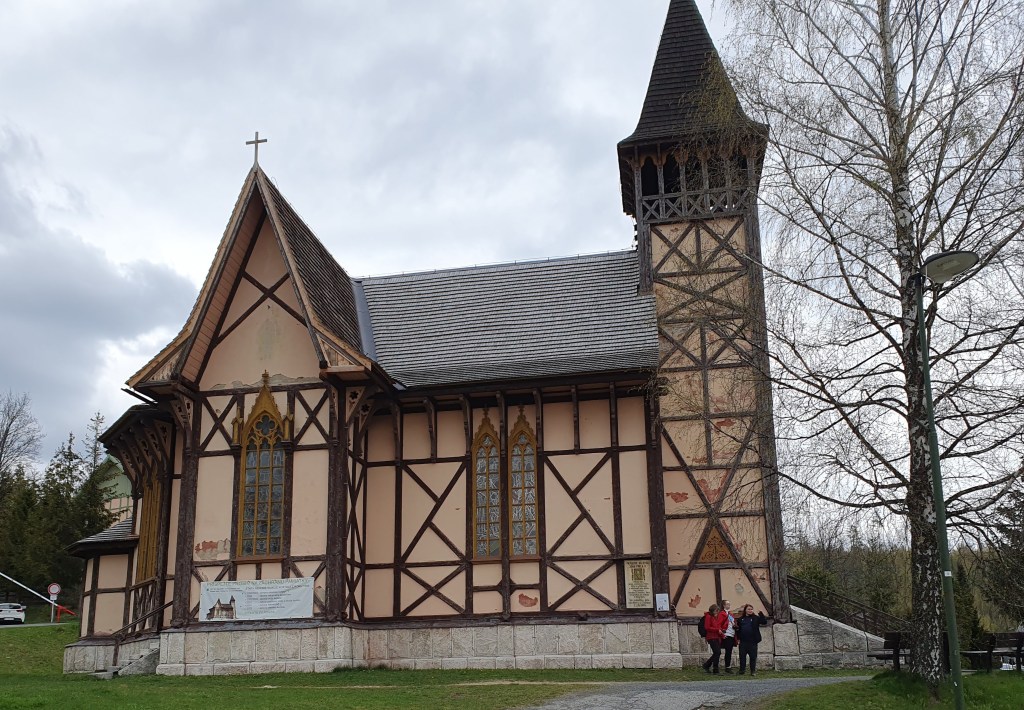
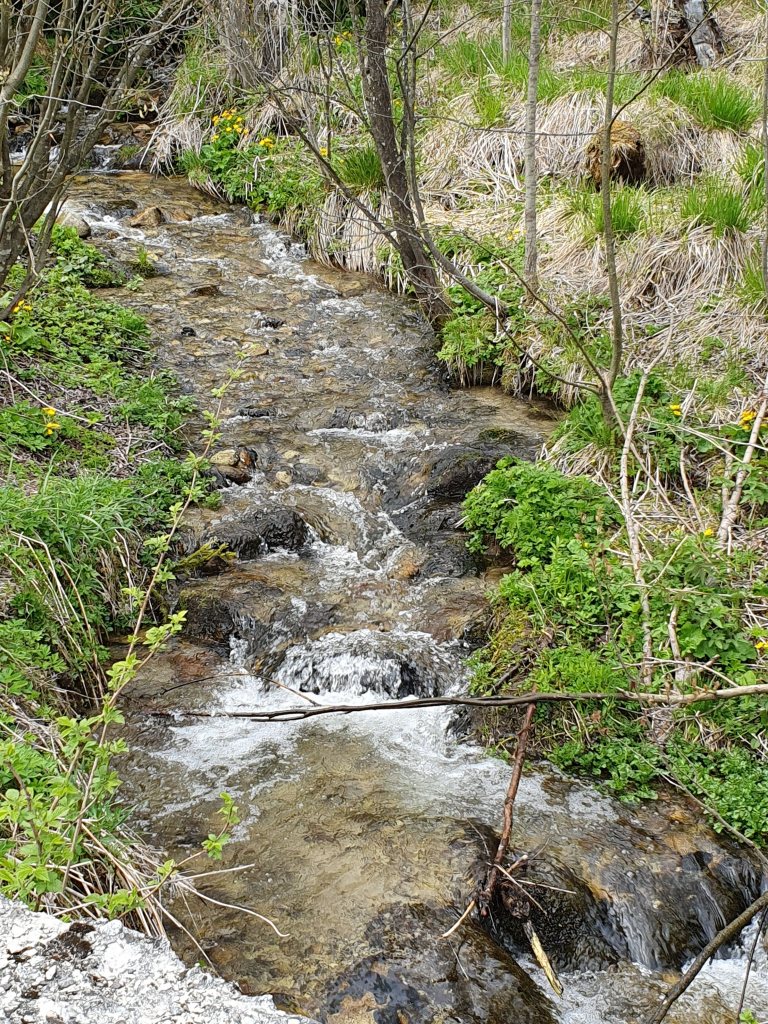
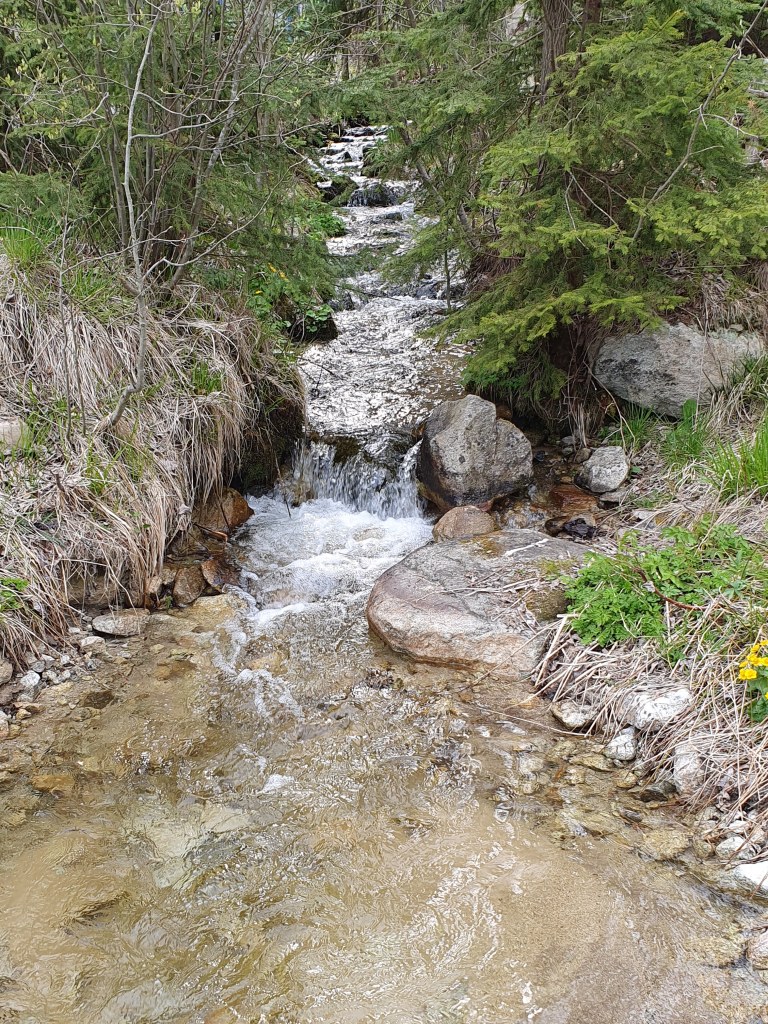
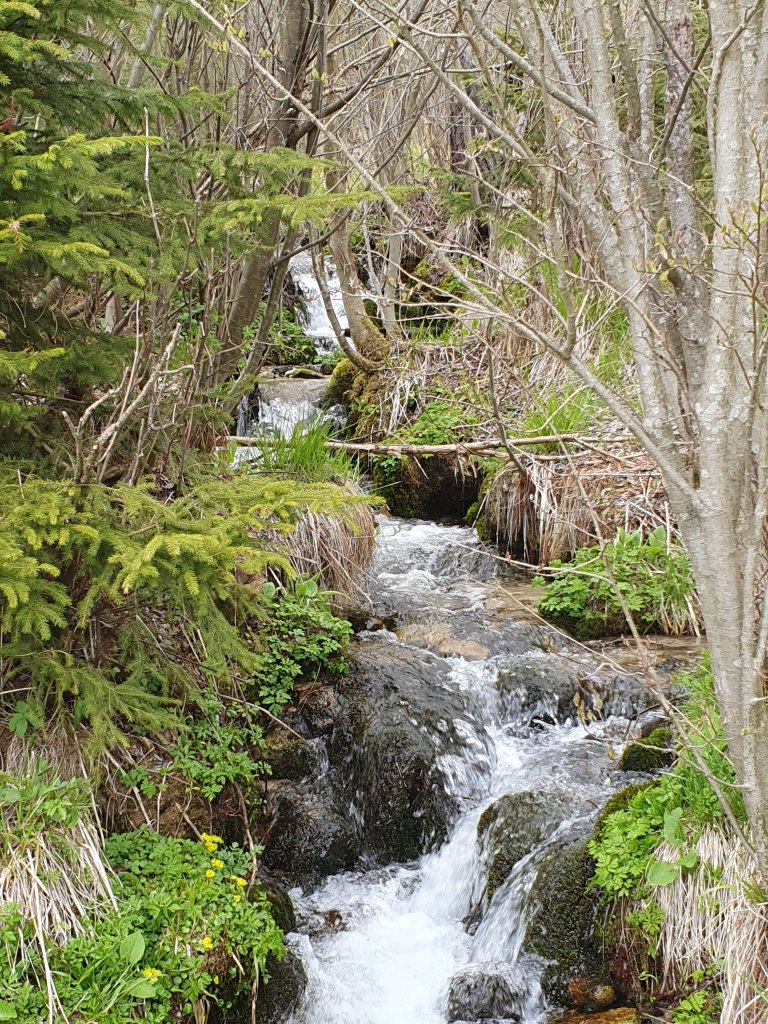
I initially went to have a look round Starý Smokovec, which has a timber-framed church, as well as several restaurants and bars. As I had been sitting on trains for most of the day, I thought that I should get some exercise before dinner, so I started to follow one of the hiking trails that start in Starý /Nový Smokovec. It climbed into the trees that flank the lower slopes of the Tatras, and crossed several mountain stream that were in full spate, presumably having been fed by the melting snow. The path was remarkably dry and I only encountered a couple of muddy patches. As I did not have time to make a circular walk, after about half an hour or so I turned around and returned the way that I had come.
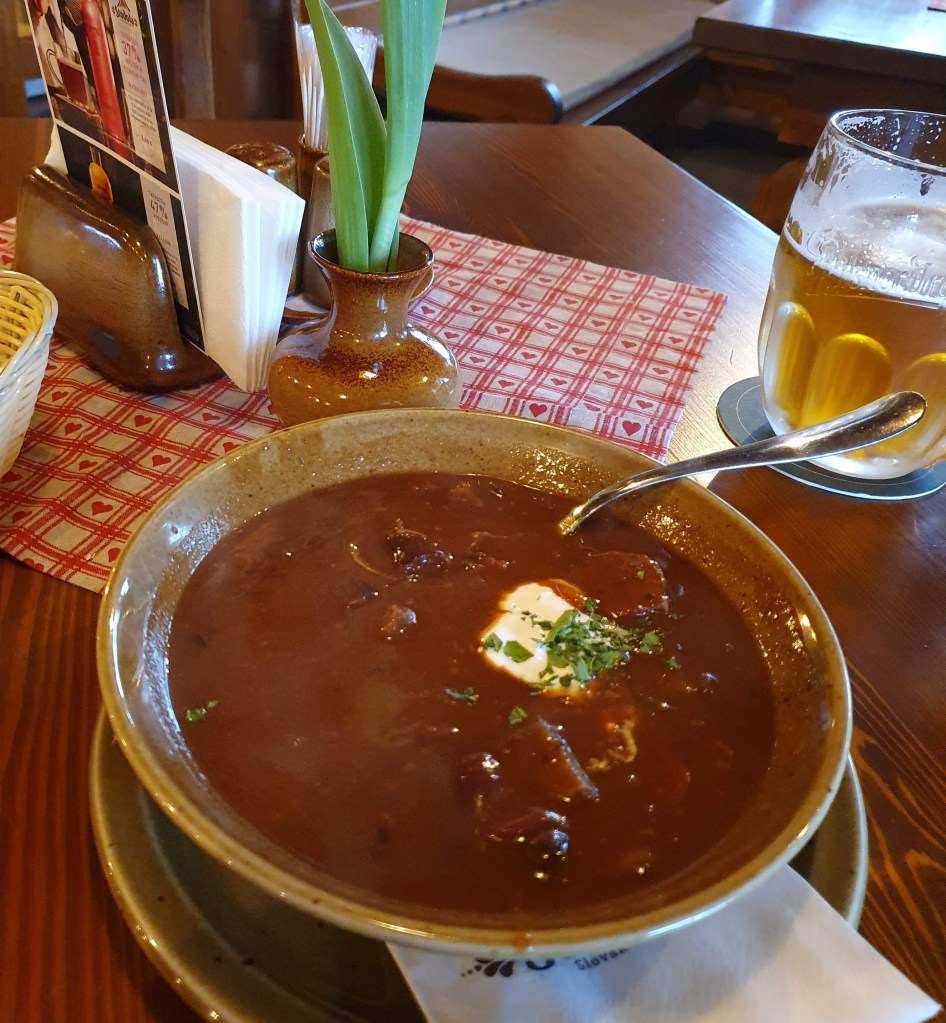
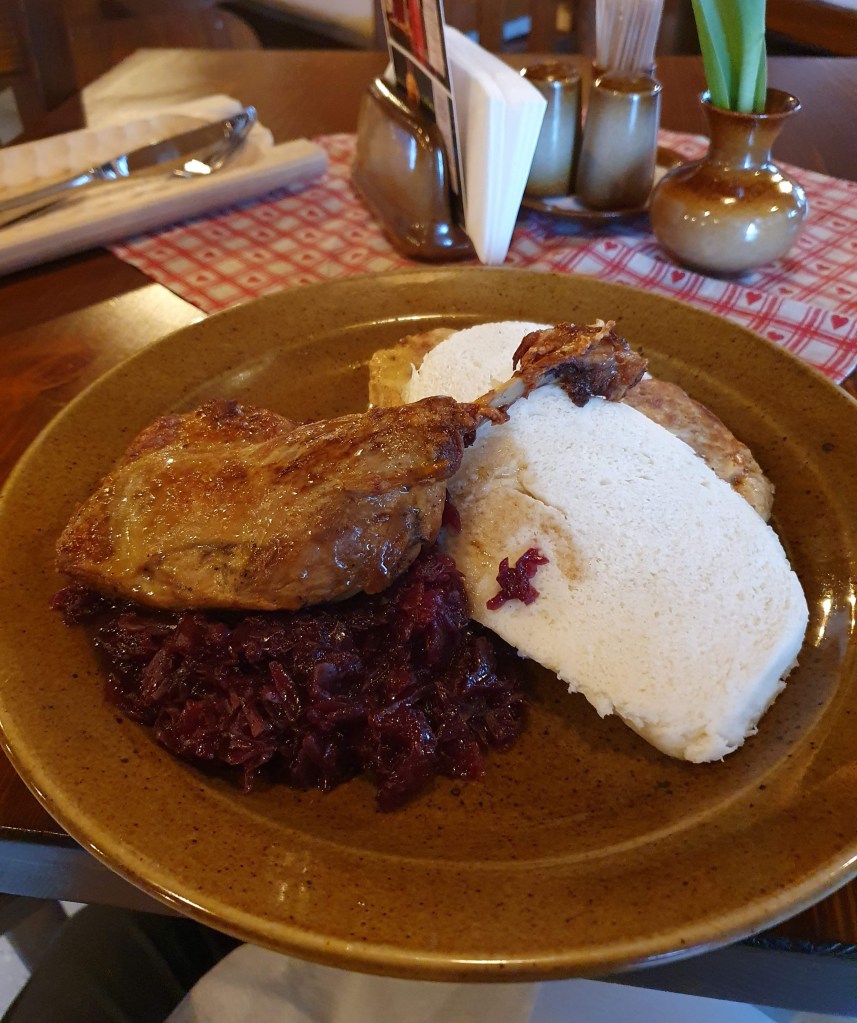
For dinner that evening I went back into Starý Smokovec. The meal I had was very filling – starting with a rich bean soup which also contained pieces of sausage and bacon, followed by roast duck with pickled cabbage and two types of dumpling. When I paid my bill I was given a gift of a spectacles cleaning cloth, illustrated with Tatra mountain scenery and dishes from the restaurant.
Day 7 – Saturday 13th May 2023 – Nový Smokovec to Košice
Observing the customers of my hotel at breakfast, they seemed considerably younger than the clientèle in Piešťany and many of them looked as if they were about to set off for a day’s walking. After one further excursion to Starý Smokovec to top up my supplies, I returned to the halt at Nový Smokovec to await my train at 0950. The train descended steeply and 30 minutes later reached the main line at Poprad-Tatry, where my train to Košice was waiting.
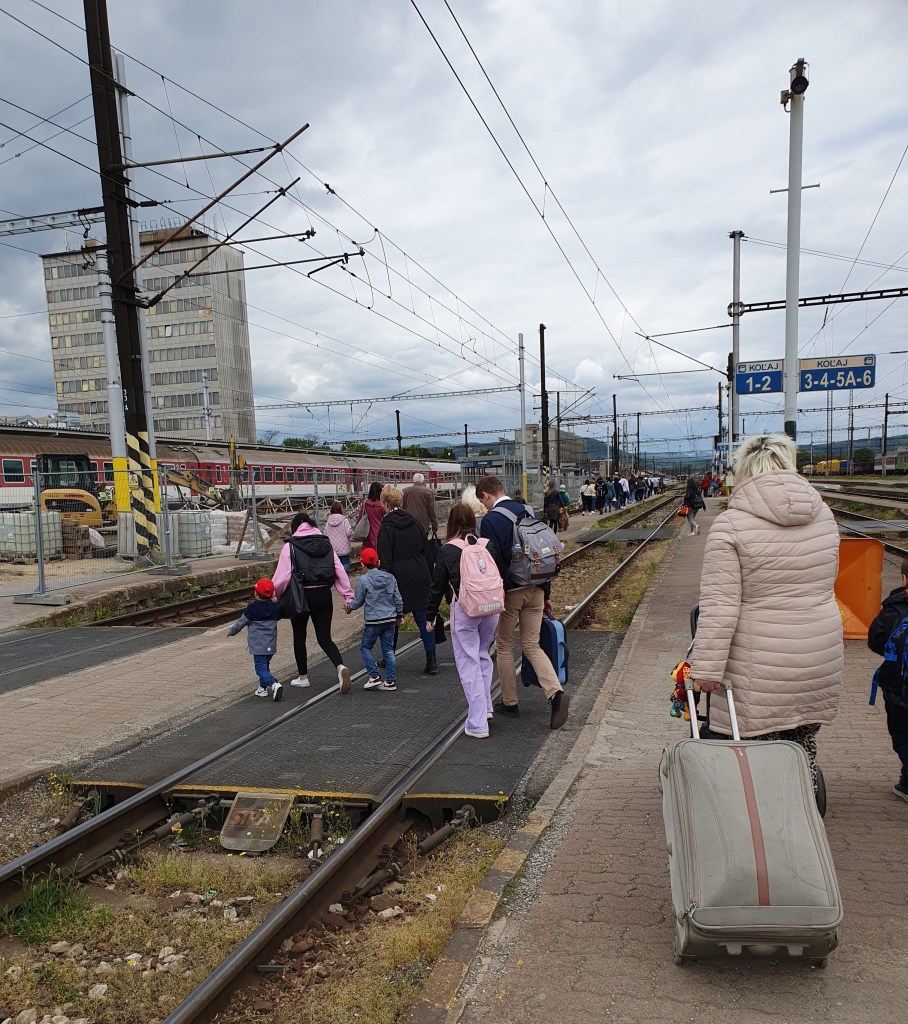
Although travelling on the main line, the train I was catching to Košice was due to stop at every station, some 30 in total, taking just under two hours. But unlike the express I had caught the day before it managed to keep to time much better, and eventually arrived only a few minutes late. At every little station on the way, the station master wearing their peaked cap and high-vis jacket would be standing outside the station building to see us on our way. When the train finally pulled into Košice at about 1240, rather than using the station’s main platforms it stopped in some sidings some way from the main station building and the passengers had to cross multiple tracks to exit.
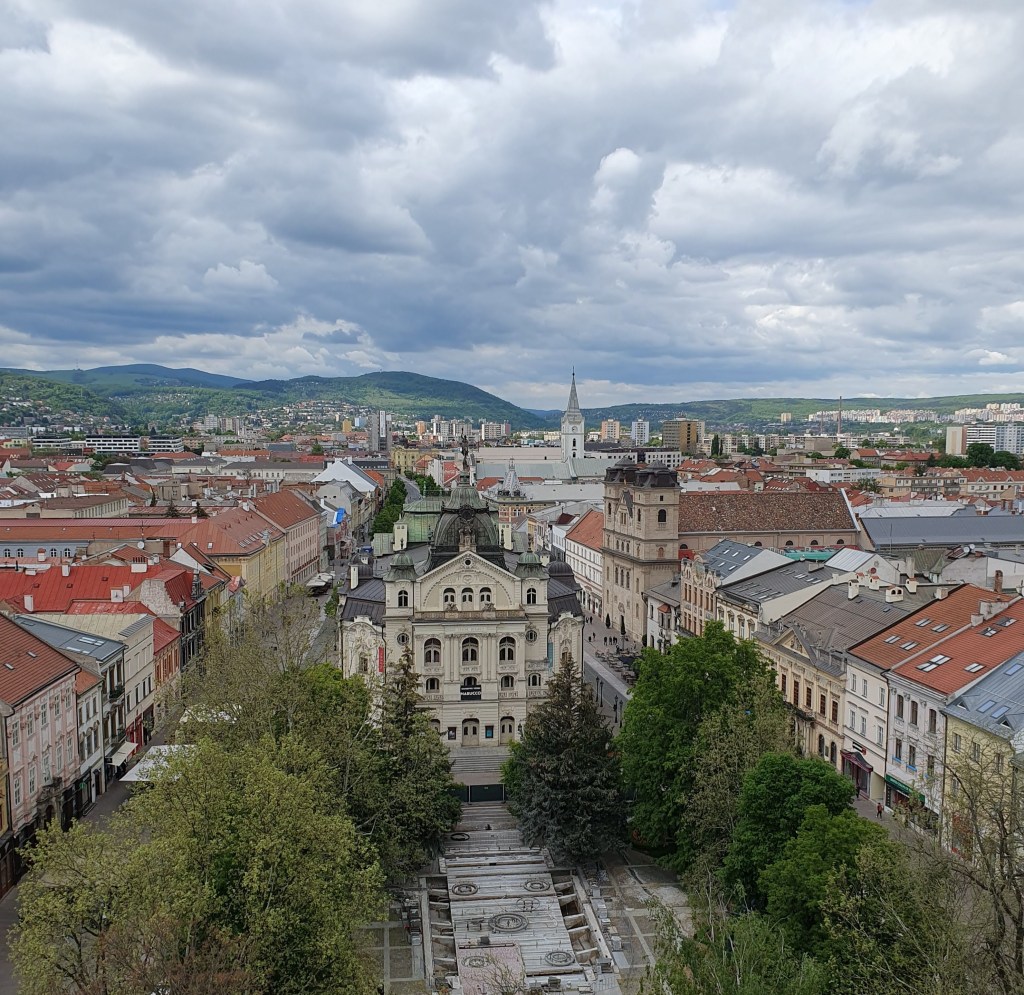
The weather forecast for that afternoon in Košice was predicting rain, so I thought I would initially wander round the city centre to get my bearings, before venturing into any indoor attractions. Košice is Slovakia’s second city and the regional capital of Eastern Slovakia. The city centre is pleasantly pedestrianised and at its focus is the Cathedral of St Elizabeth, with the National Theatre nearby. Košice is famous for an annual marathon race held every autumn, which was first run in 1927. It was established long before other city marathons became popular. These days it has a sister half-marathon each spring, which was going to be held on the next day, with the final touches to the start and finish being completed while I was there.
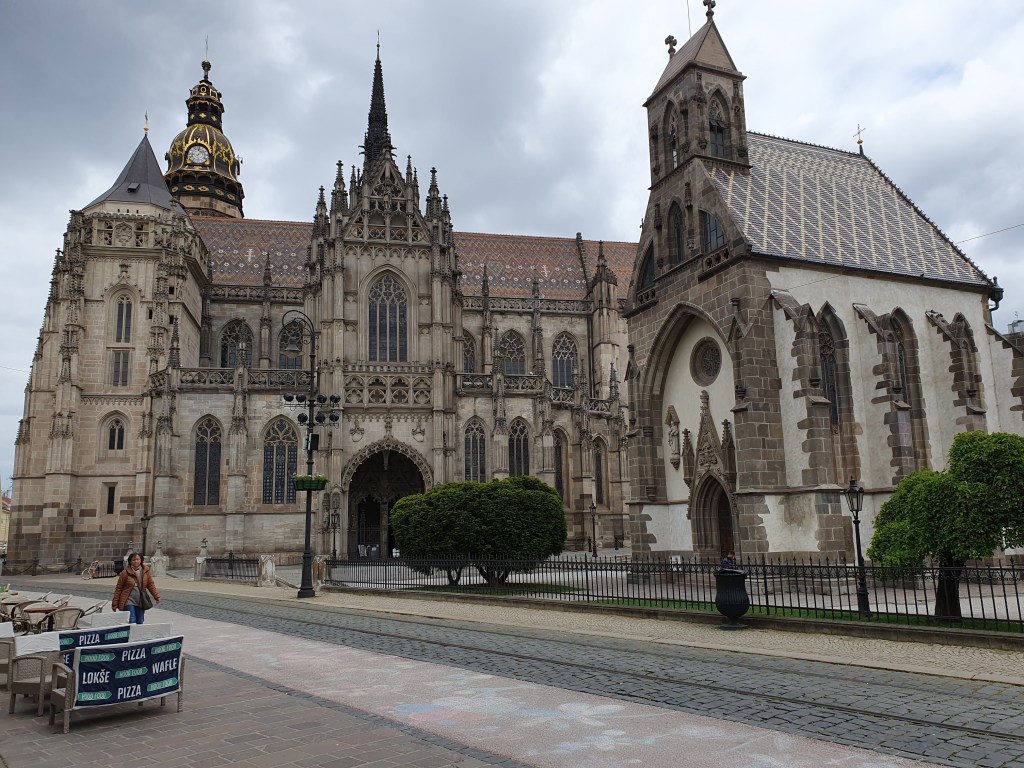
When I first went past the cathedral on my initial exploring of Košice, I noticed it was open for visitors and I studied the the various options for tickets to decide which one I would like to buy later. I should have remembered my experiences on a Saturday afternoon in Poznań, in Poland, the previous October, when my wife and I were prevented from looking round the cathedral due to a wedding taking place. When I came back to St Elizabeth’s with the intention of going inside, visitors were not allowed due a wedding. There was not just one wedding, but a succession of weddings all afternoon – when one group came out of the main front door of the cathedral, there was another group going in via a side entrance.
By this stage I had realised that the museums of Košice were also closed that afternoon, as they were being prepared for Košice’s Museum Night, where for the price of one ticket you could access any of the 19 museums and galleries participating in the event from 5pm until midnight, with special events being laid on at most of them at various times throughout the evening.
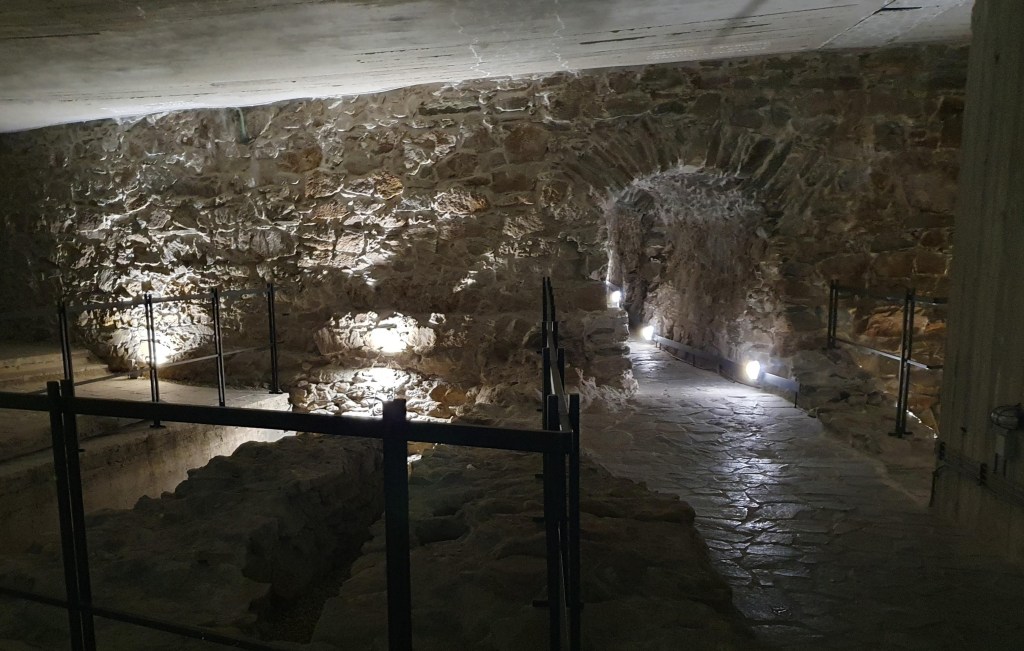
One place which was not participating in Museum Night was the Dolná Brána (Lower Gate). Here the excavated remains of a gatehouse in the city wall house a multi-media exhibition on Košice’s early history – similar to the Underground Rynek underneath Krakow’s main square, but not as big. It was well worth a visit in its own right and not just because many of the other attractions were closed at the time.
On leaving the Dolna Brana, I climbed the main tower of the cathedral, which was still open for visitors, as it could be accessed without going in the main body of the church. From the top this gave good views across Košice and from there I could see that threat of rain had receded, with just broken cloud in all directions.
As I had an early start the next morning, I had booked somewhere to stay near the station. It described itself as a Penzion and was the most basic accommodation that I used on this trip, but was more than adequate for a one night stay. After dropping off my bag there, it was time to explore Košice’s Museum Night.
Given when I was in Trnava I had enjoyed the excellent Museum of Western Slovakia, I decided to kick off my Museum Night with a visit to the Museum of Eastern Slovakia. It might have been a mistake to start there, as this was the place that Museum Night was being launched and when I arrived shortly after opening time there was a long queue at the tent they had set up in the grounds of the museum to purchase your wristband for admission to all the museums. It appeared as if almost the whole population of Košice was turning out for museum night. Although the queue was long they processed people quickly and after about twenty minutes I had my wristband and was able to enter the museum. During the wait we were serenaded by an violinist playing from the museum’s balcony.

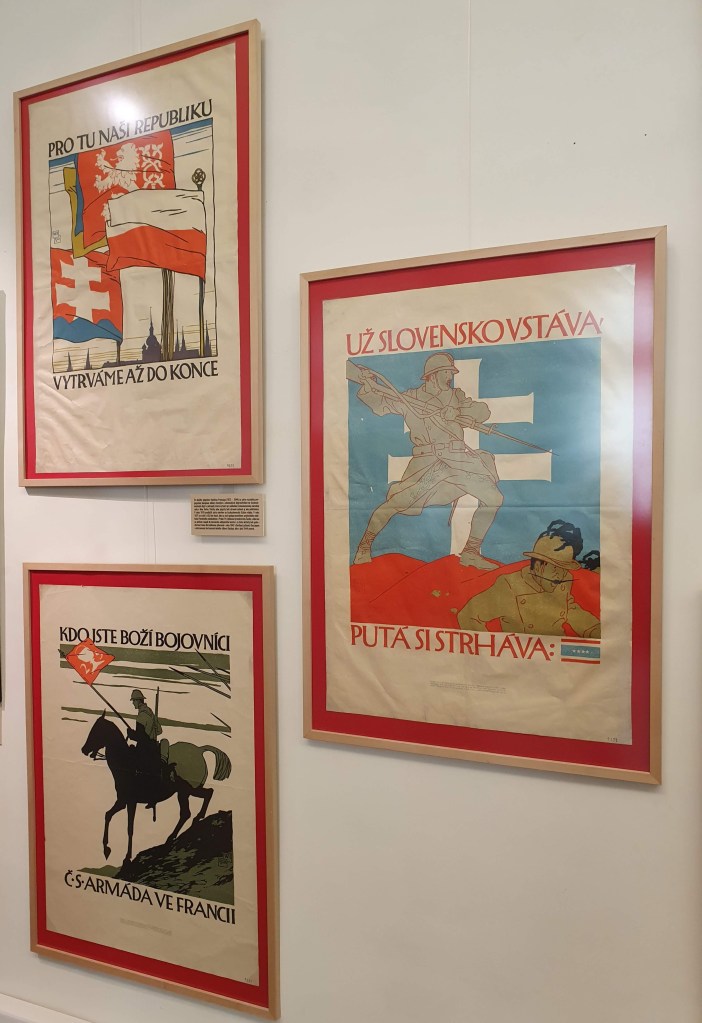
Given the queues, it was not surprising that it was crowded inside the museum. All the museum staff had dressed up in costumes from a variety of eras. The museum was much glitzier than its counterpart in Trnava, but because of the crowds I didn’t enjoy it as much as my visit to the Museum of Western Slovakia. The most interesting gallery was the one on Košice’s political history over the past two centuries – it had been part of Hungary until 1918 and then again from 1938 until 1945.
When I had finished in the main Museum of Eastern Slovakia, I looked in on its branch across the road which contains its art and natural history collections, but these did not detain me very long. At this stage I decided to have something to eat to sustain me for the evening ahead. I found a pub in a back street, where I had grilled smoked cheese with cranberry sauce to start with, followed by pork in breadcrumbs with chips. While eating my dinner I studied carefully the guide to Museum Night (written only in Slovak) that I had been given, to help me plan my next visits.
My next stop was to the Museum to the Victims of Communism. This recently opened museum’s main purpose was to remind future generations of the oppression of communist times through the personal testimonies of those affected. Apart from housing the library of Samizdat material, it had few other artefacts, but told its story through wall panels and videos of testimony from the victims. Upon arrival, I was greeted by a very helpful young man who showed me how to access on my phone an audio commentary in English translating the texts of the wall panels. I spent some time in this museum, while I was there there was a group being given a guided tour in Slovak, which was one of the Museum Night special events. I learned that about three times as many Czechoslovak border guards committed suicide as the number of people killed trying to cross the border. Border guards were usually recruited as 19 year old conscripts, who very often found what they were asked to do psychologically traumatising. The museum argued that the guards who had killed themselves should also be treated as victims of communism. On the way out of the museum I stopped to chat with the young man who had helped me on arrival, who introduced me to an elderly man who had been standing next to him. This was his father, who was the museum’s director. As he spoke no English, I had only a brief conversation with him translated by his son.
My final visit for Museum Night was to the Slovak Technical Museum. When I had walked past it earlier, there were queues outside to get in, but I had hoped by leaving it until late, it might be less busy. Although the queues to get in had gone, it was nonetheless still busy inside. The main exhibition that I had come to see here was one on the cracking of the Enigma code during World War II. This explained the role of the Polish trio of codebreakers from the University of Poznań (which I visited the previous year) and of Alan Turing at Bletchley Park (which I have visited many times).
With that, I decided to turn in for the evening, even though Museum Night was still going strong and I could perhaps have squeezed in a couple more places. I knew that I had to get up early the next day to catch my train.
I had had an interesting time in Slovakia. Previously, I had only visited Bratislava and Trenčín, so I found it rewarding to see a bit more of the country. I tried to make comparisons with the Czech Republic, given it is now 20 years since the two countries separated. I am left with the impression, which may be unfair, that Slovakia is rather less entrepreneurial than the Czech Republic, and has a greater reliance on inefficient labour intensive processes. I don’t know if this is a consequence of the political framework within which the country operates. From the TV news while I was there there seemed to be an ongoing political crisis and a new Slovak Prime Minister took office the day after I left.
[To be continued – coming next: Hungary]
 Europe Explored