

“Life is a journey, not a destination” – Ralph Waldo Emerson
I have travelled a lot in the Czech Republic in recent years, but in Slovakia I had only been to Bratislava and Trenčín. It was also 40 years since I was last in Hungary. So, for my latest solo trip, I decided to go to see a bit more of these two countries, but travelling overland to get to them. This first post of my account tells of the two cities I used as staging posts to reach Slovakia.
Day 1 – Sunday 7th May 2023 – London to Amsterdam
I now had enough Eurostar loyalty points, assisted by a number of double points promotions to encourage travel in the immediate post-pandemic period, to book a free single journey. I thought that I would use these to maximum effect by taking the longest Eurostar journey that I could – to Amsterdam. Also, at the time that I was booking this trip, France was having industrial unrest, so by not going via Paris I thought that I would minimise the chance of disruption to my plans. However, within a few days of having made my booking, Deutsche Bahn was hit by the first in a series of strikes, which caused me continuing concern that my journey could be disrupted. This was especially annoying since, for the first time since the pandemic, I had booked my hotels in Amsterdam and Berlin on a non-refundable basis.
I was catching the 0816 train from St Pancras to Amsterdam, which was the same train as I had caught to Rotterdam when I visited Delft in January. I had overlooked the fact that the London Underground is very slow to wake up on a Sunday morning and that the time by when I need to arrive at St Pancras was before the first Circle line trains would reach the station. Thankfully, the Night Tube operates from my local station to central London, and I could reach St Pancras with a bit of a walk.
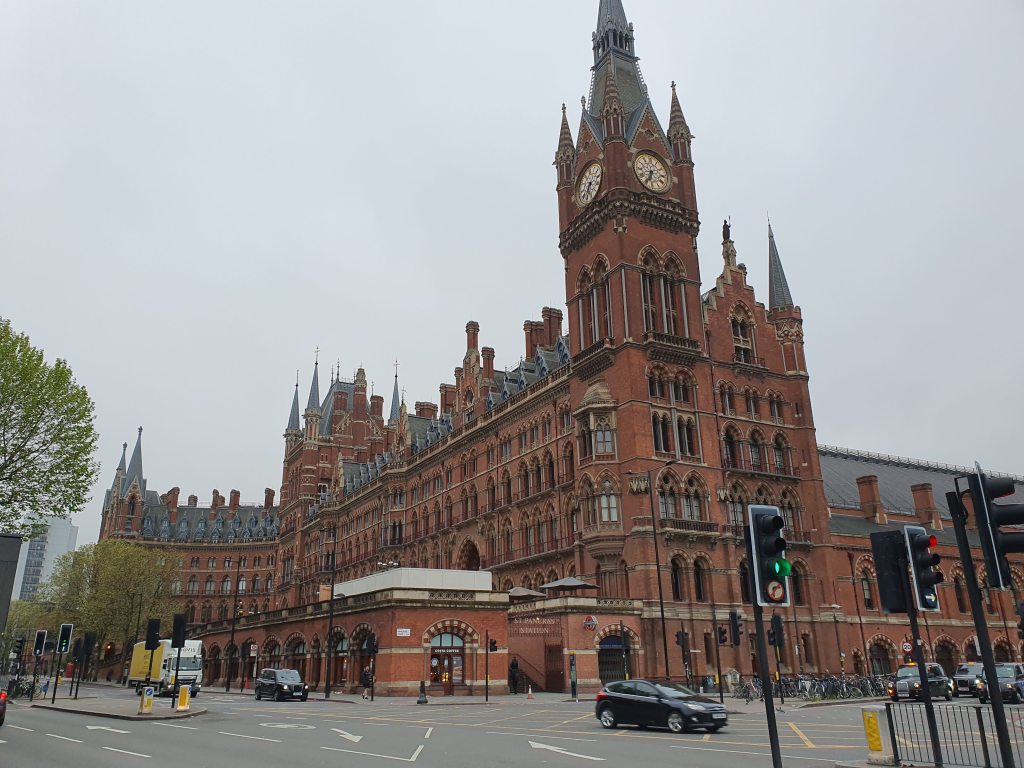
I got to St Pancras well before 7am, which gave me time to have some breakfast prior to going to check in for the Eurostar. Although, because it was early on a Sunday morning, my favourite outlet for breakfast at St Pancras had not yet opened. When I went to check in there was a long queue. In total, it took 30 minutes to get through security and passport control and, once through these, the waiting area before you are allowed to go to the platforms was completely full with no spare seats. Eurostar do seem to be trying to make the experience of travelling with them less pleasant than flying. I know that they complain about the effects on processing times of additional Brexit checks, but I do think that with a little more ingenuity they could vastly improve the whole boarding process.
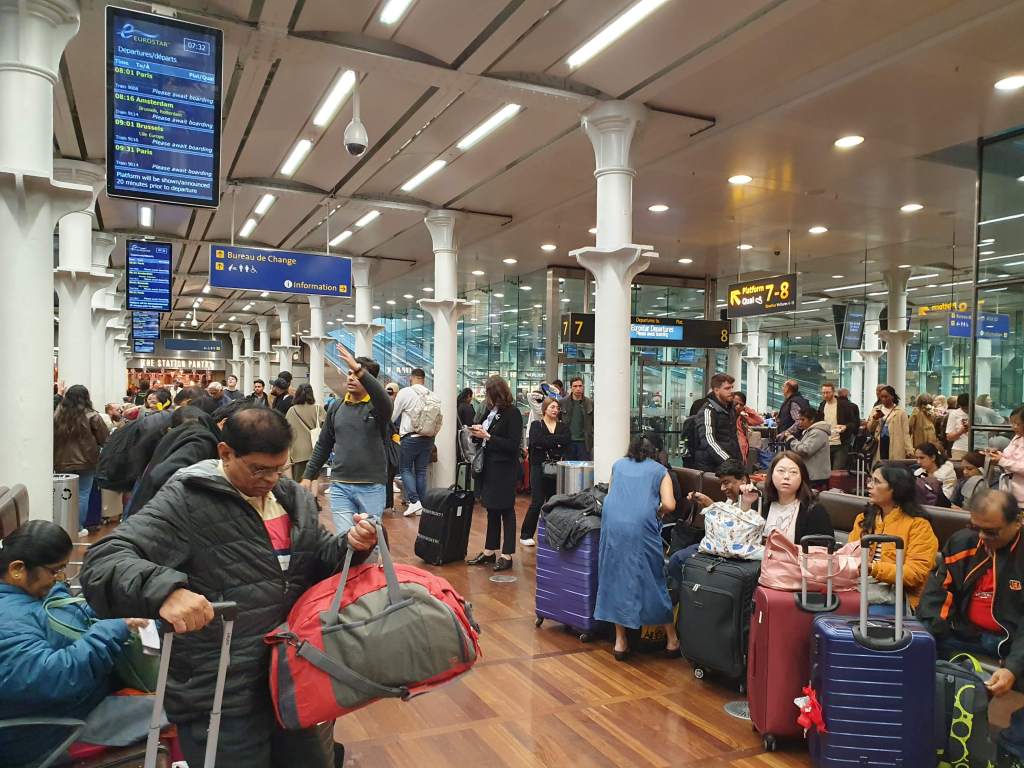
Thankfully, my train was on time and I could leave the hell-hole of the departure area to board 20 minutes before it was due to leave. The carriage I was in was nearly completely full. I had an elderly woman sitting next to me who was travelling as far as Rotterdam. As soon as we emerged from the Channel Tunnel in France it started raining and continued to do so through Belgium, but stopped once we entered the Netherlands.
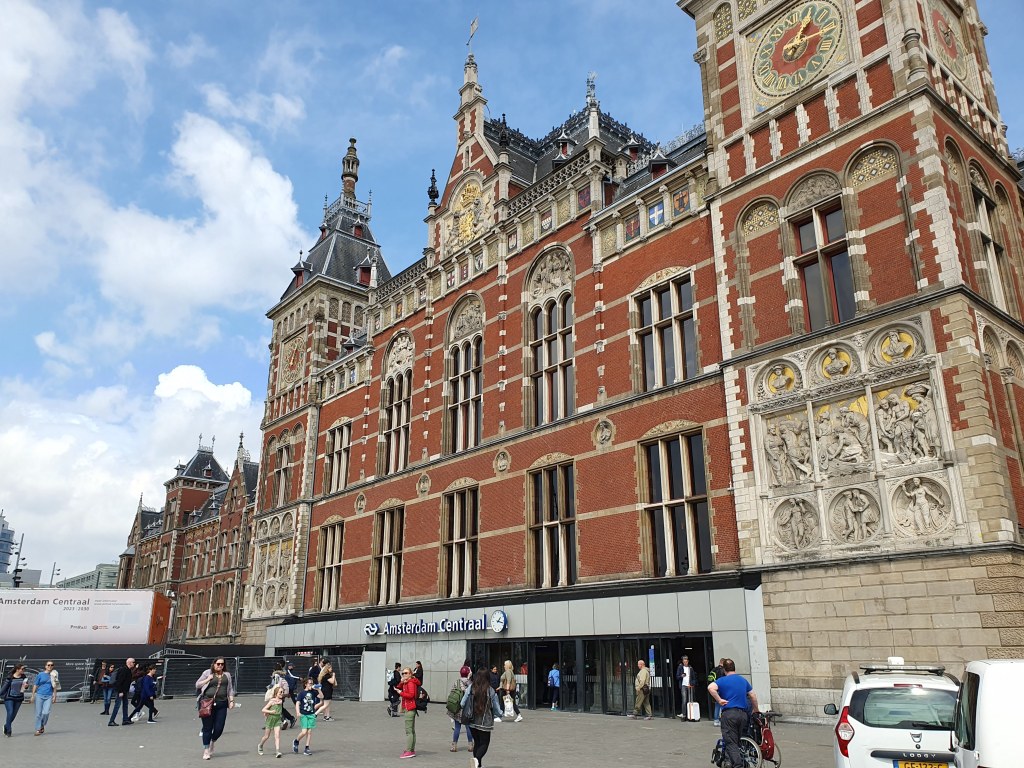
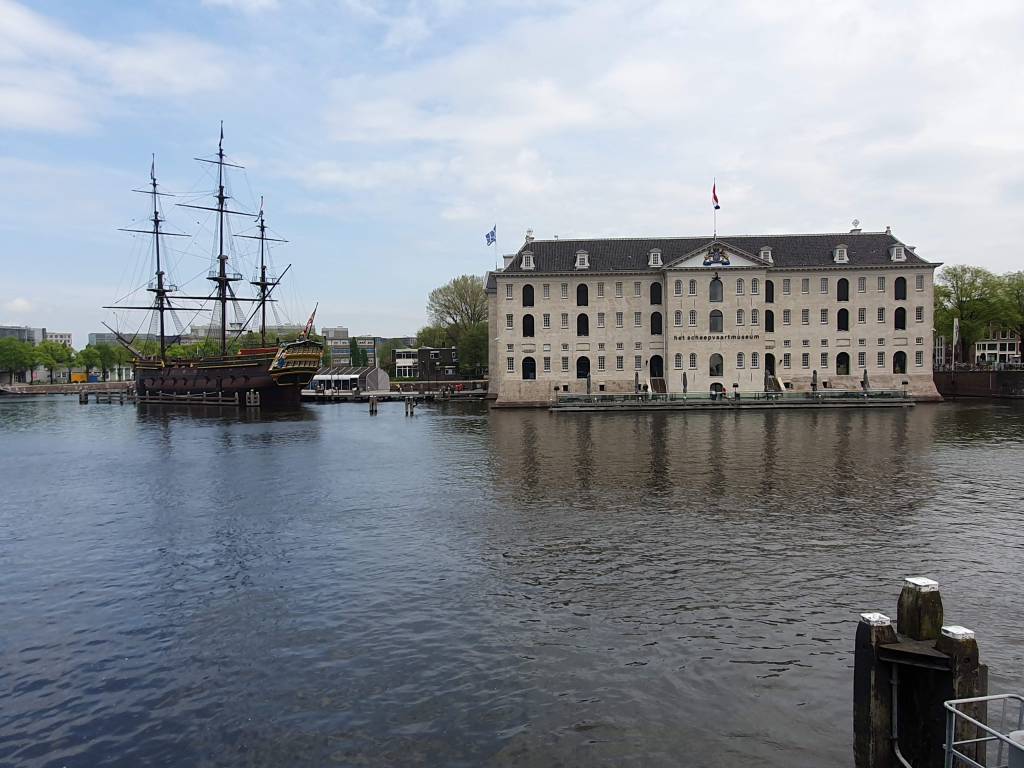
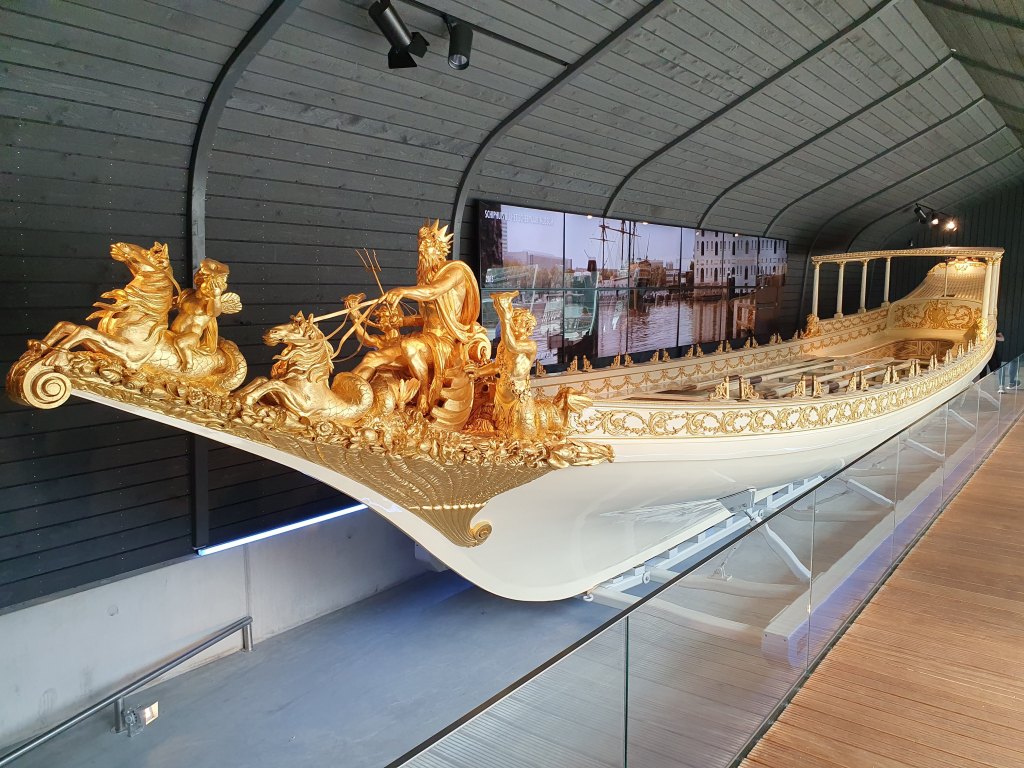
My train arrived at Amsterdam Centraal on time at about 1:15pm. This was my fifth visit to the city, and on the most recent previous occasion I had spent five days there, so I had visited most of the more obvious tourist destinations. However, one place that I had not been to, only a short walk from Amsterdam Centraal, is the National Maritime Museum (Het Scheepvaartmuseum), so I decided to pay it a visit. As with most Dutch museums, the entry price is fairly steep, but as I was not spending long in the city it was not worth getting an Amsterdam Card which normally works out as better value if you are visiting a number of attractions. I welcomed the mandatory requirement to leave my bag in the left luggage lockers, even if it took me some time to work out how to operate them. The museum is located in a former naval storehouse and the building surrounds a central courtyard with three floors of galleries in each of the four sides. I took the opportunity to pick up a free audio-guide to accompany me on my visit. I first went outside to visit the three vessels on display there: a full-size replica of the Dutch East Indiaman ship the Amsterdam (which you can go aboard), the Royal Barge and the steamship Christiaan Brunings.
Inside the museum there are galleries covering a variety of topics including the history of the Netherlands as a maritime nation, Amsterdam’s role as a port and a collection of maps and old navigational instruments. There are a couple of large tapestries on display from a series depicting the Battle of Sole Bay, which took place off the Suffolk coast in 1672. This battle has the unusual distinction that both the Dutch and the English claimed that they were victorious – for example, the Suffolk brewery Adnams produces a Broadside ale to commemorate the English ‘victory’. The English claim that they won the battle because the Dutch attack was eventually repulsed, but the Dutch consider it as a victory because sufficient damage was done to the English fleet to deter them from launching any raids on the Dutch coast.
I eventually left the maritime museum after about two and a half hours there. Due to the high prices of hotels in the centre of Amsterdam, I had booked a room for the night in the suburbs. My plan on leaving the maritime museum had been to have a little wander in Amsterdam, before catching a metro to my hotel. However, on leaving the museum it started to drizzle and it was sufficiently persistent for me to get out my umbrella. Within a couple of minutes of setting off, the heavens opened from a torrential thunderstorm, and in the few minutes that it took me to find cover underneath the awning of a cafe I got completely soaked (even with an umbrella). The streets soon became undistinguishable from the canals and even though I was only a couple of minutes walk from the nearest metro station I had to continue to shelter under the cafe’s awning for some time. When the rain showed signs of easing very slightly, I made a dash to the metro station and caught a train to Overamstel, the nearest station to my hotel. As I got off the train it was again raining torrentially and I had to run down the platform to find shelter, along with a lot of other passengers, underneath the bridge which carried the railway lines above. Unfortunately, my hotel was about ten minutes walk from the station and I was forced to wait for about 15 minutes before I could even consider leaving my place of shelter. I arrived at my hotel a sodden mass and dripped all over the reception floor while I checked in. When I got to my room I was pleased to find that it had a hair dryer, so I spent the next hour hair-drying all my clothes and other belongings from my bag that had also got soaked.
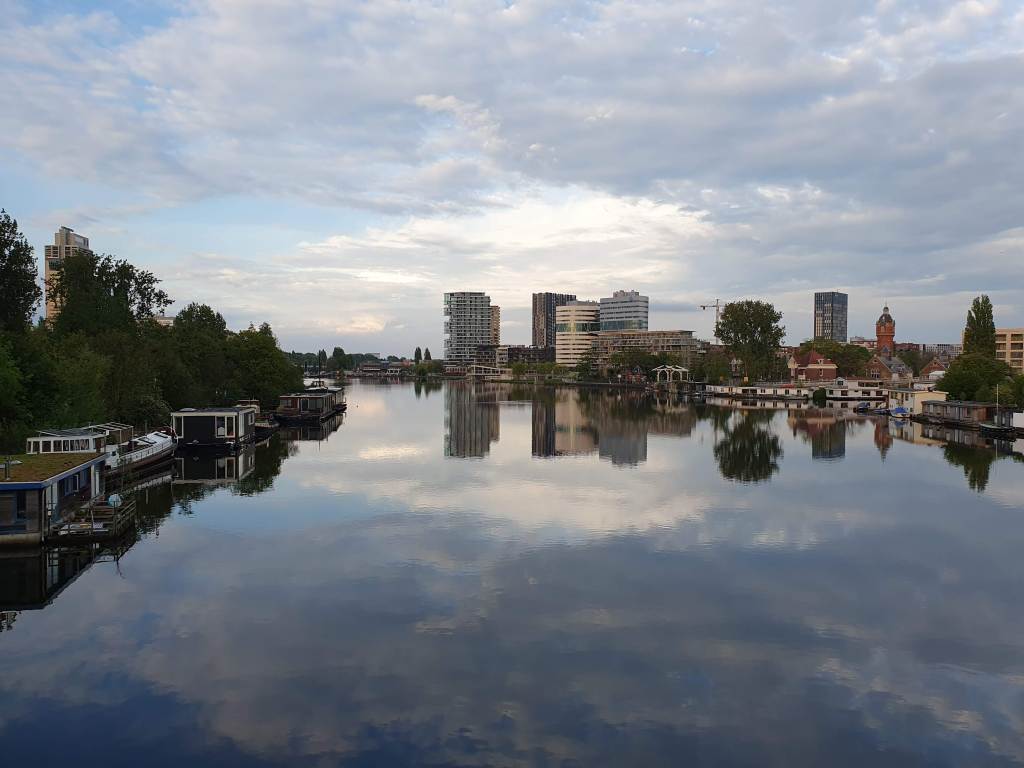
When I had dried out sufficiently, I went to the hotel’s bar to claim my free welcome drink. I was pleased to see that they had Hertog Jan beer on draught which I had discovered for the first time on my trip to Delft in January. By now it had stopped raining and had become a pleasant spring evening, so I decided to venture out to find dinner. The hotel was surrounded by commercial buildings and was not that near any restaurants. From studying the map I concluded that the best bet would be to walk for about 15 minutes to the other side of the Amstel river, where there are streets in which a number of restaurants are located. I found a very good curry house where I dined on onion bahjis and chicken jalfrezi. The warming effect of the curry soon dispelled my feelings of dampness.
Day 2 – Monday 8th May 2023 – Amsterdam to Berlin
There are trains scheduled to depart from Amsterdam to Berlin about every two hours throughout the day. When I came to book this trip a couple of months before I departed, I discovered that tickets for my preferred departure at about 9am were about twice the price of those for the train two hours later. So I instead booked on the cheaper 11am train and, as first class tickets for this departure were only a little more expensive than second class, splashed out on first class for this long journey.
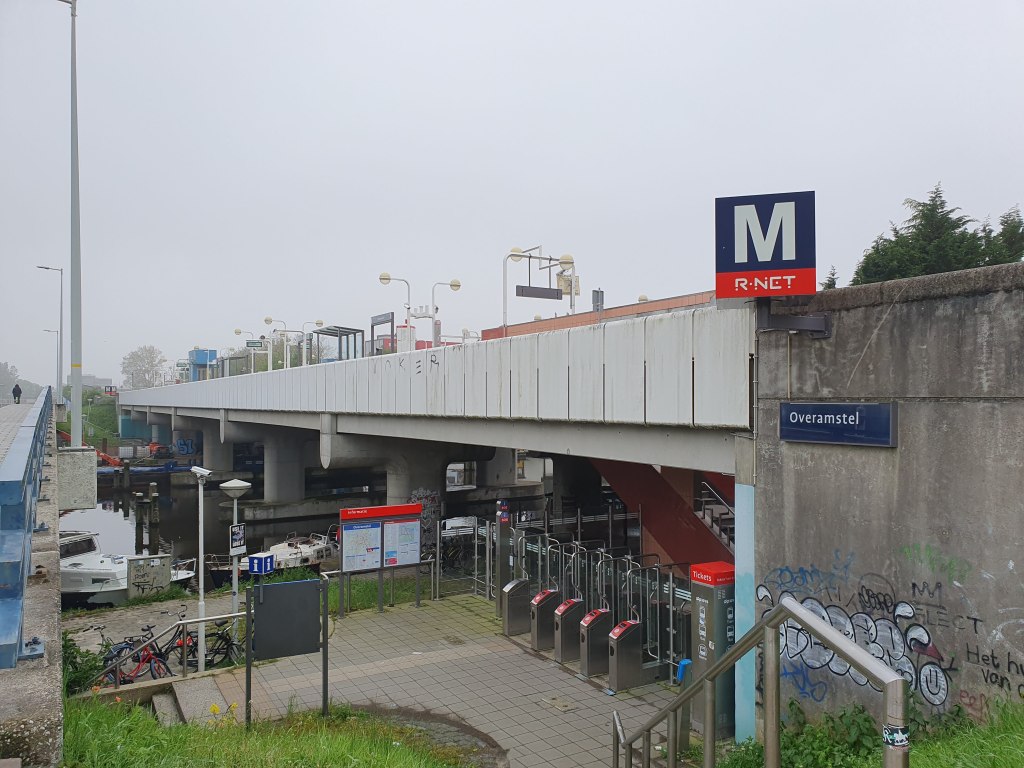
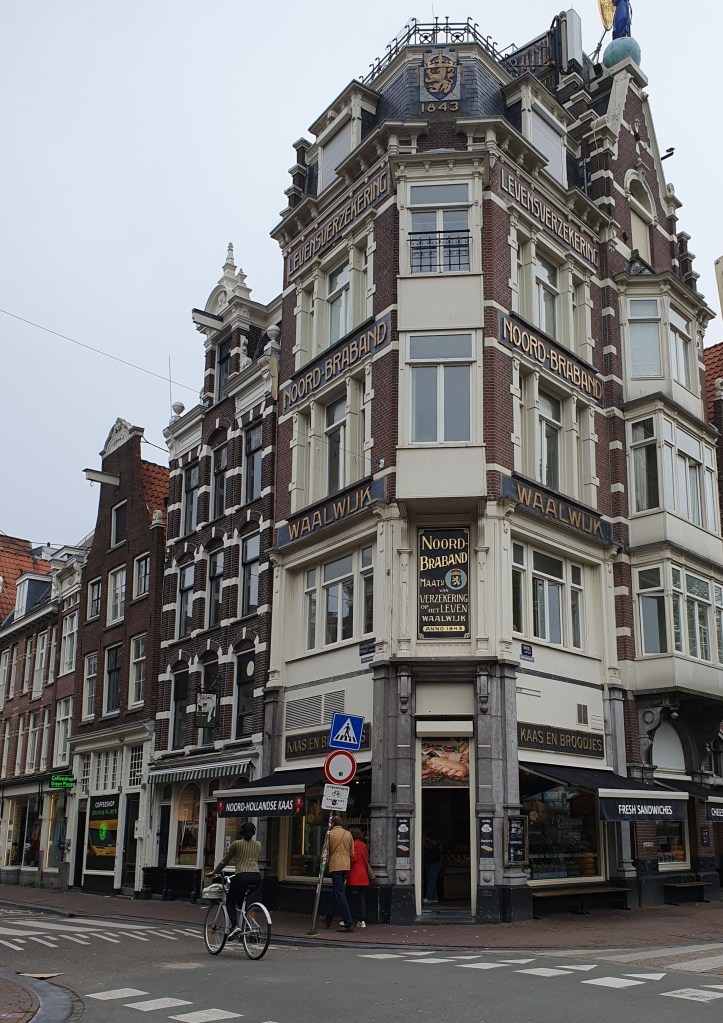
The later departure meant that I could have a leisurely start that morning. I strolled back to Overamstel metro station, from where I caught a train to Amsterdam Centraal. As I had plenty of time before my train was due to depart, I had a short wander round the area near the station and bought some lunch to eat on the train later.
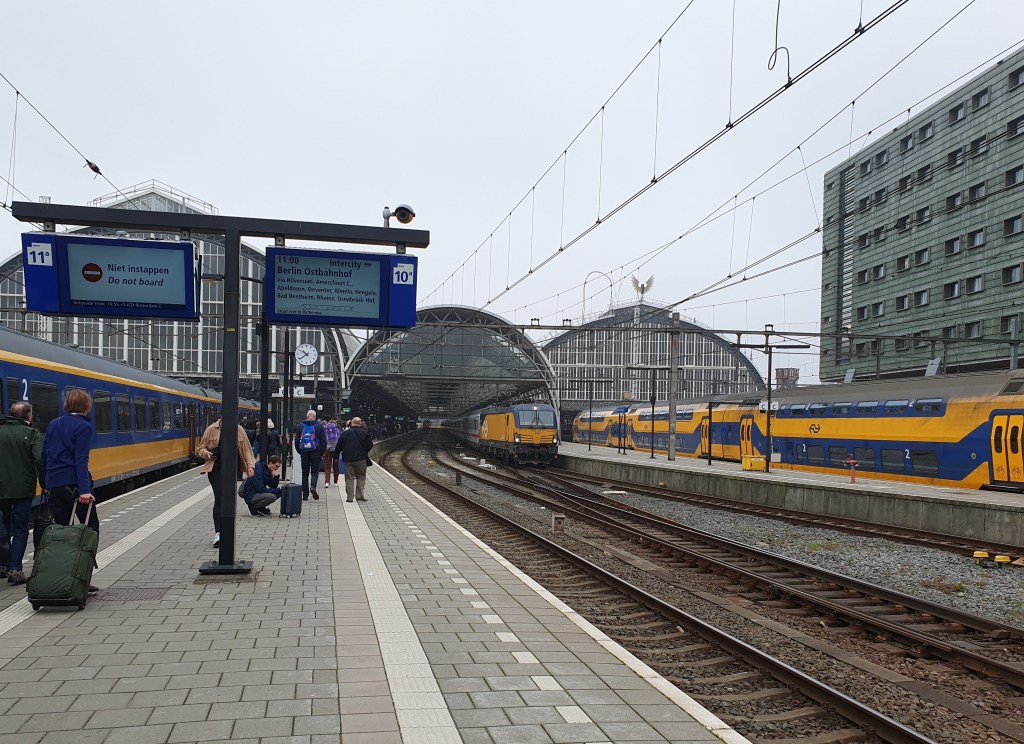
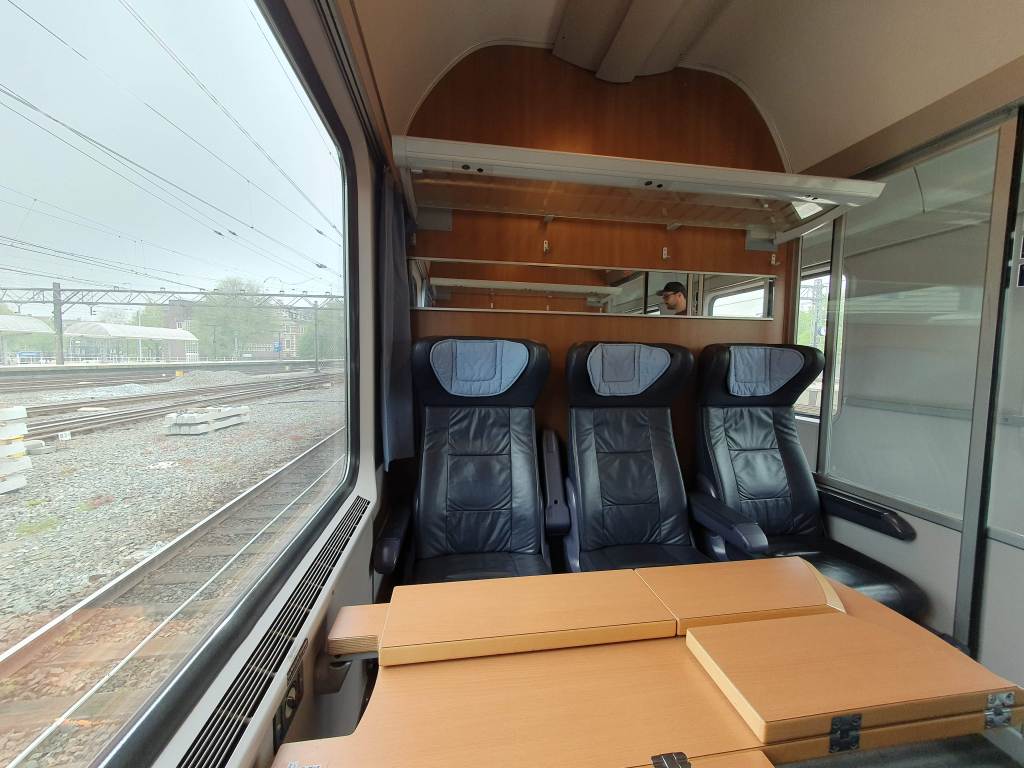
Even though my train was starting from Amsterdam Centraal, it only rolled into the platform a couple of minutes before departure, which meant that by the time the large number of waiting passengers had got on it was a few minutes late leaving. The train was made up of Deutsche Bahn Rolling stock and the sole first class carriage was at the rear of the train, containing six-seat compartments. I initially shared my compartment with four other people. It soon made up its slightly late departure and was on time at the Dutch stations it called at before the German border.
The train arrived on time at the first station in Germany, Bad Bentheim, where it was due to wait for 20 minutes to swap locomotives with its counterpart travelling in the opposite direction. However, it was announced that the other train was running about an hour late and we might have to wait at Bad Bentheim for some time. It was suggested that passengers might wish go on to the platform to stretch their legs and get some fresh air. Eventually the other train did turn up and engines were swapped, with us leaving after a wait of 45 minutes in total, about 25 minutes late.
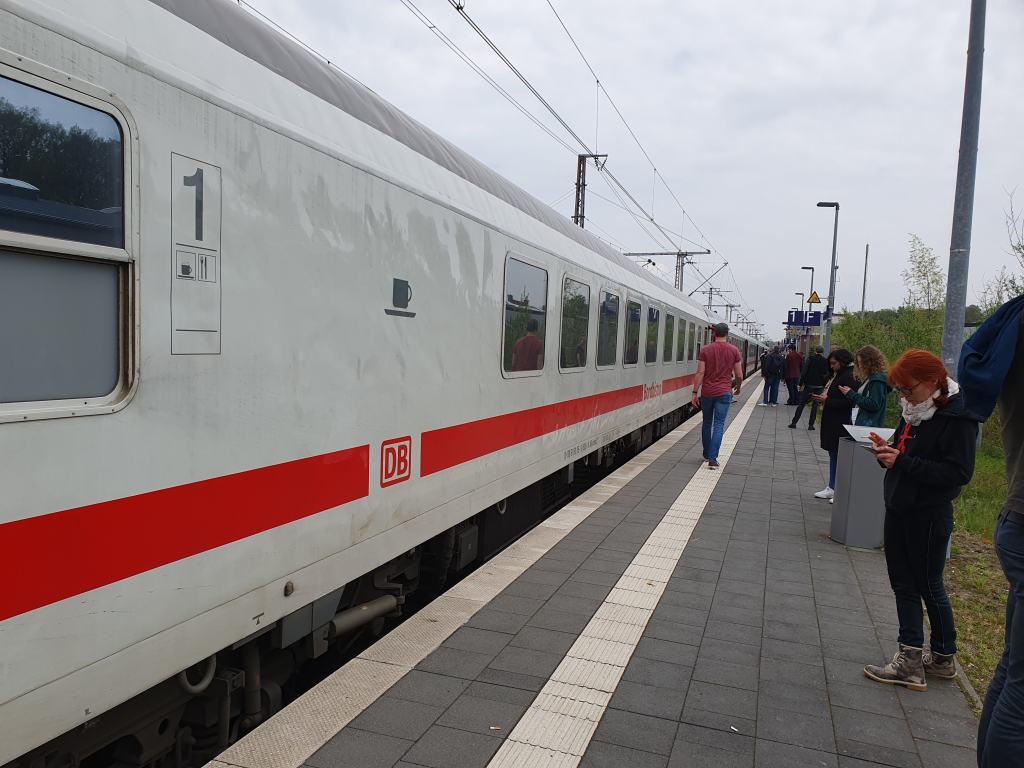
When we set off again there was an announcement that the train was expected to recover the lost time and that we should arrive in Berlin approximately on time. In fact the opposite happened and more time was lost. The problem which had delayed the other train, a faulty level crossing just outside Hannover, was still ongoing and our train crawled past it slowly to reach Hannover 40 minutes late. There did seem to be plenty of slack in the timetable to get through the Berlin suburbs and we eventually arrived at Berlin Hauptbahnhof about 6pm, some 25 minutes late.

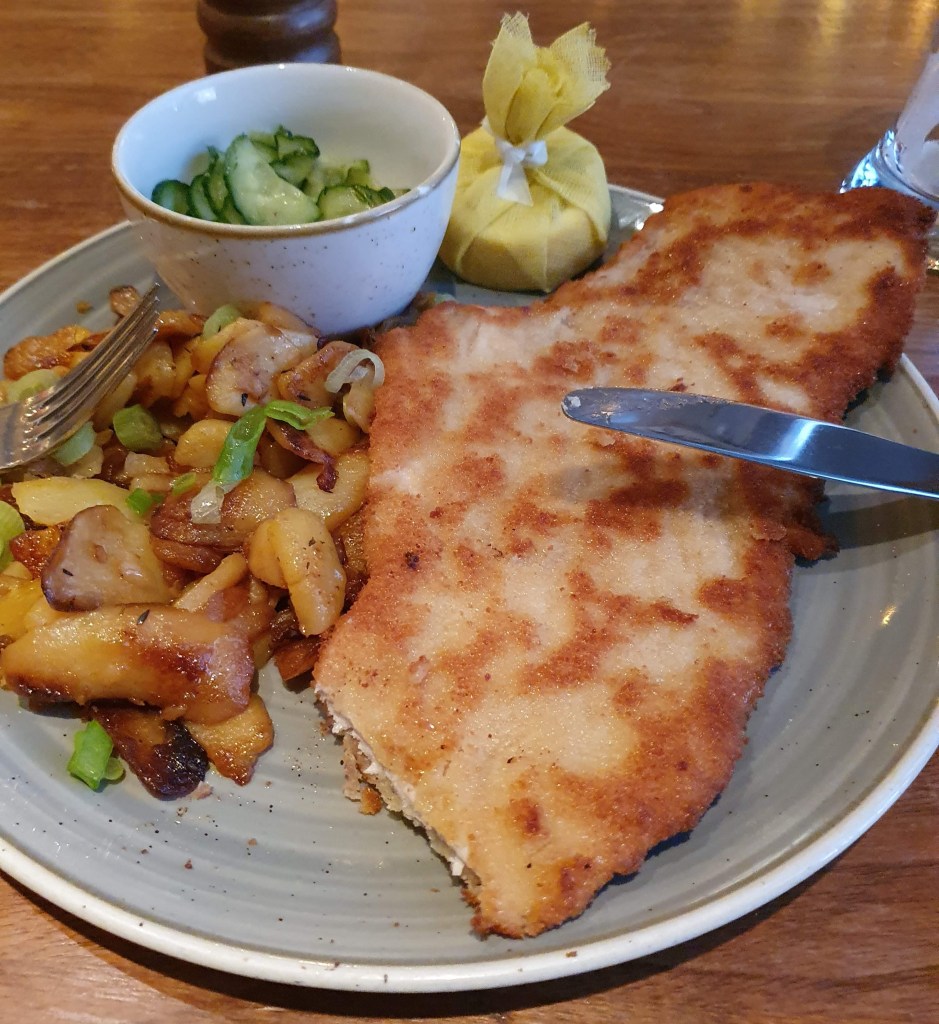
From Berlin Hauptbahnhof I caught a tram to my hotel in the Mitte district of the city. Once I had left my bags, I set out again almost immediately to find dinner. I had identified a schnitzel restaurant about a 15 minute walk away as looking good. Despite being located down an alleyway off a side-street and also a Monday evening, I was lucky to get a table, being offered one in the bar area. It’s popularity was due to the food being very good. I dined on asparagus soup (being the start of asparagus season in Germany) followed by pork schnitzel, washed down with some tasty wheat beer.
Day 3 – Tuesday 9th May 2023 – Berlin
I have previously written about the visit I made in 1985 to the German Democratic Republic. When I came to Berlin in 2015 on a family holiday we visited the museum in the former Stasi headquarters where one display claimed that the Stasi would have opened a file on any foreigner visiting the country during communist times. I had been meaning for some time to apply to the Stasi Records Archive to see if they still had a file on me, but had been put off by the hassle of getting my identity documents officially certified and translated as part of the application process. Alternatively, one can bring the necessary form and your identity documents to the Stasi Records Archive in Berlin and have them validate your application. So my first visit on this morning was to the offices of the Stasi Records Archive, a short walk from my hotel, where I submitted my application and had my documents validated. They informed me that they would write to me within a fortnight to give me a case number (which they have now done), but it could take up to a year for documents (if any exist) to be available for inspection.
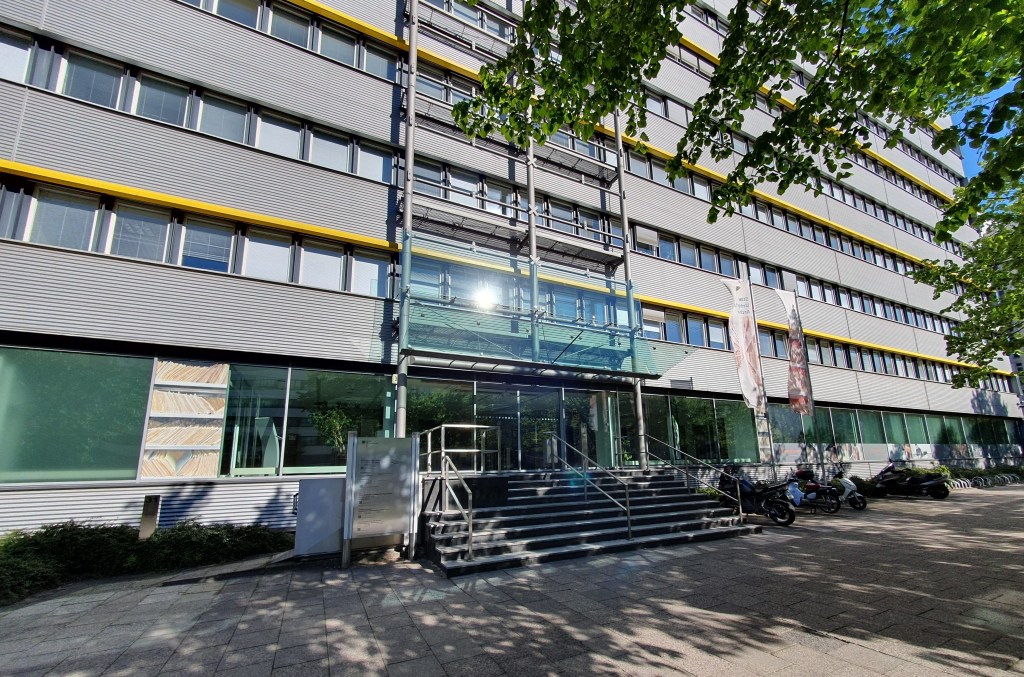
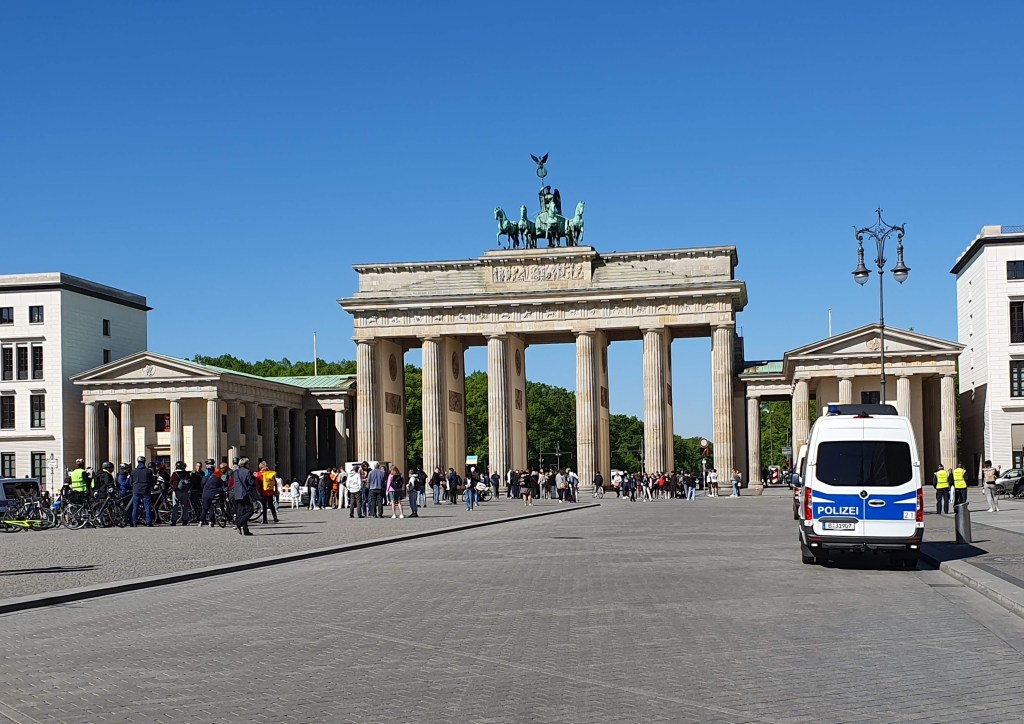
Whenever I come to Berlin (and this was my fifth visit) I am fascinated by how the city has changed each time. I still like wandering about and trying to recall how the area looked on my first visit. Since it was still early, before most attractions had opened, this is what I did for the next hour after leaving the Stasi Records Archive. From there I walked the short distance to Alexanderplatz, past the sites of where the Palast Hotel (where I first stayed in East Berlin) and the DDR Parliament (now the Humboldt Forum) had been, and down Unter den Linden to the Brandenburg Gate. From there I traversed a circuit via Friedrichstraße and various back streets to reach Museum Island.
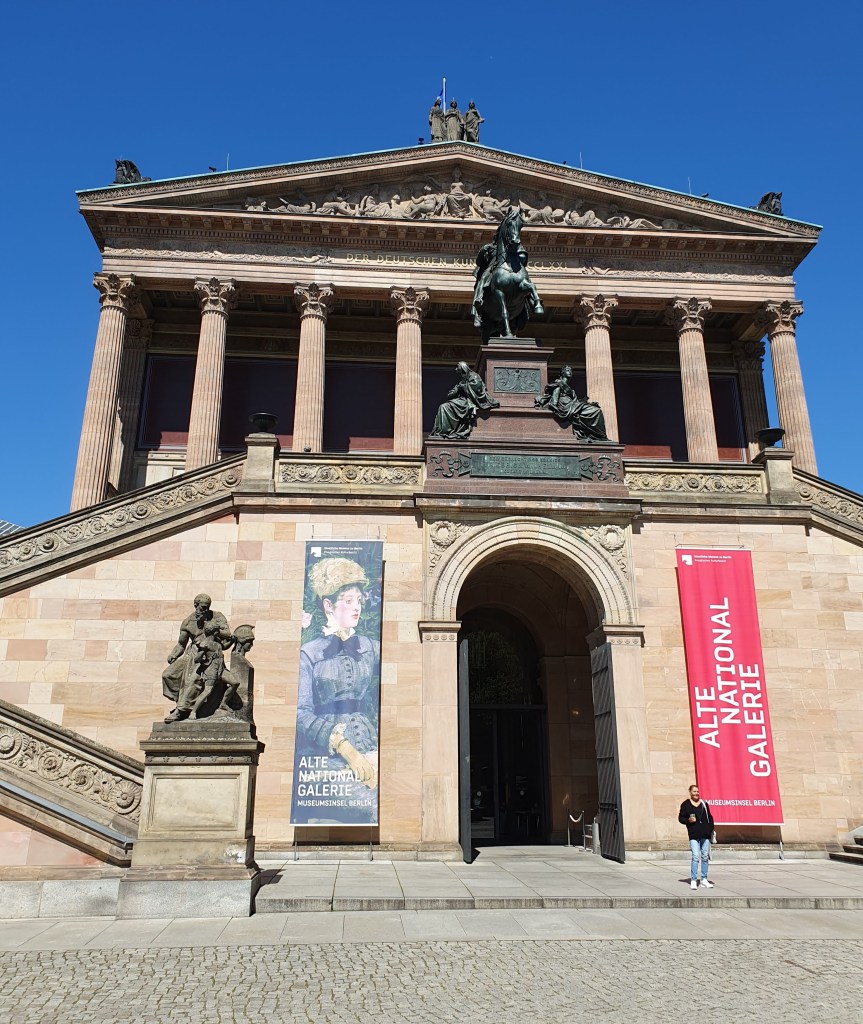
I had hoped that I could visit the Deutches Historisches Museum on this trip, but unfortunately the main permanent exhibition was closed for redevelopment at the time of my visit. So instead, I went to another major institution that I had not visited before – the Alte Nationalgalerie. This has a good and varied collection of art mainly from the 19th century, displayed over three floors – including a gallery of French impressionism and one devoted to the works of Caspar David Friedrich. There was also on display Adolph von Menzel’s Flute Concert in Sanssouci, which I was familiar with, as it is used to illustrate the introductory chapter in Douglas Hofstadter’s brilliant book Gödel, Escher, Bach.
On leaving the Alte Nationalgalerie I bought myself a salad lunch from a supermarket which I ate sitting in a nearby square. I then decided to revisit the Tränenpalast (Palace of Tears), which I had also been to during my previous time in Berlin. This is housed in the building adjacent to Friedrichstraße station that was used to process those trying to leave East Berlin. Friedrichstraße station was a major crossing point when Berlin was a divided city. Those leaving East Berlin had to exit via the elevated S-Bahn line through Friedrichstraße station, having been first cleared through the Tränenpalast. There were also subterranean U-Bahn lines crossing at Friedrichstraße – bizarrely all these lines were part of the West Berlin U-Bahn network, where you could change from one West Berlin U-Bahn line to another while located underneath East Berlin. If you wished to enter East Berlin from the West at Friedrichstraße, you had do it via the U-Bahn and arrivals were processed in another suite of checkpoints within the station. This is where I had first entered the DDR in 1985. The current Tränenpalast exhibition covered the procedures at both these crossing points, as well as much other information about daily life in the divided city. I was pleased that I had come again to the Tränenpalast as it alerted me to the fact that it now had a sister exhibition in Prenzlauer Berg district of Berlin covering everyday life in the DDR.
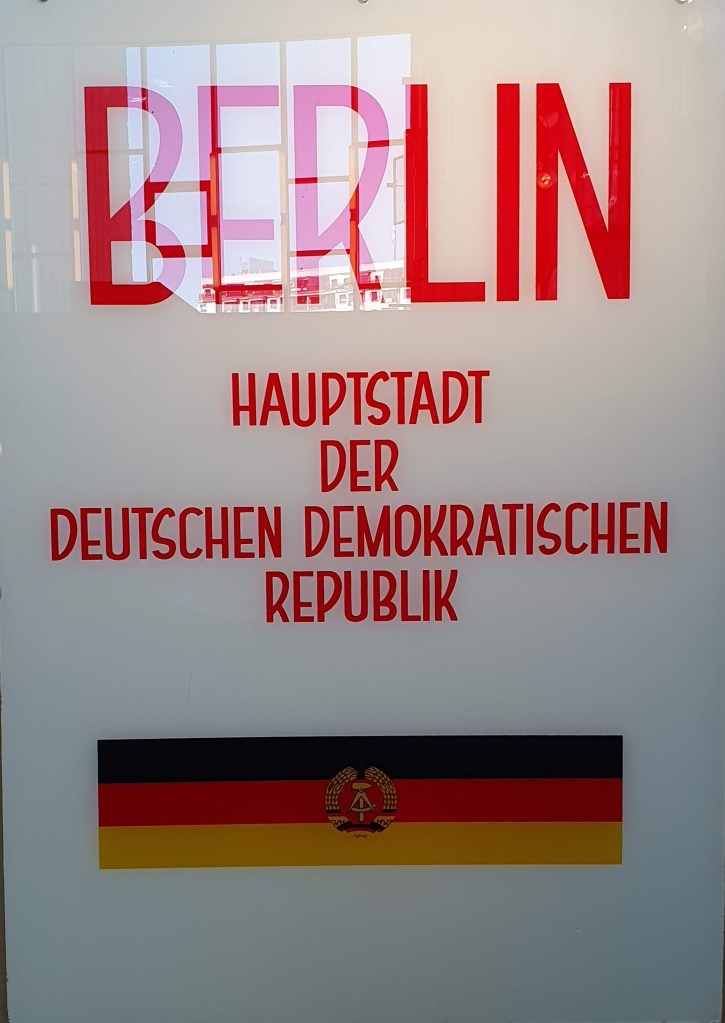
I next went for a walk in the Tiergarten, finding a bench to sit on while I wrote my postcards to back home. I then caught an S-Bahn to Nordbahnhof, from where I caught a tram to take me to Prenzlauer Berg. The exhibition Alltag in der DDR (Everyday life in the GDR) is located in a former brewery. When I first arrived, I thought that I would have the place to myself, but while I was in the first gallery listening to the audio-tour on my phone, an enormous school group arrived. They were subdivided into smaller groups each of which was assigned a personal guide, who took them to different parts of the museum. Fortunately, they moved through the exhibits fairly quickly, leaving the museum to myself and just a few other visitors. The opening gallery covered aspects of state planning within the DDR and the absurdities that this sometimes produced. Other galleries provided information on the world of work, childcare, culture and recreation, newspapers and magazines, housing, shopping and eating. While I think that the main purpose of the museum is probably to educate future generations about the grotesque consequences of the communist dictatorship in East Germany, nonetheless I felt that it sensitively covered the realities of daily life, including those aspects which could be seen as better than what was to follow.
After returning to my hotel, I then went out again to find dinner. A surprising number of restaurants in the Mitte district of Berlin only accepted cash as a method of payment and the one I chose for this evening was one of them. I ate in the restaurant’s open air courtyard, where again I had asparagus soup to start with, but this time followed by roast pork.
[To be continued. Coming next – Slovakia]
 Europe Explored